I was putting together a travel plan when my mind drifted onto a naval battlefield.
I’m about to take the family to Weihai. It is a city that still carries a historical scar, and that scar is the First Sino-Japanese War.
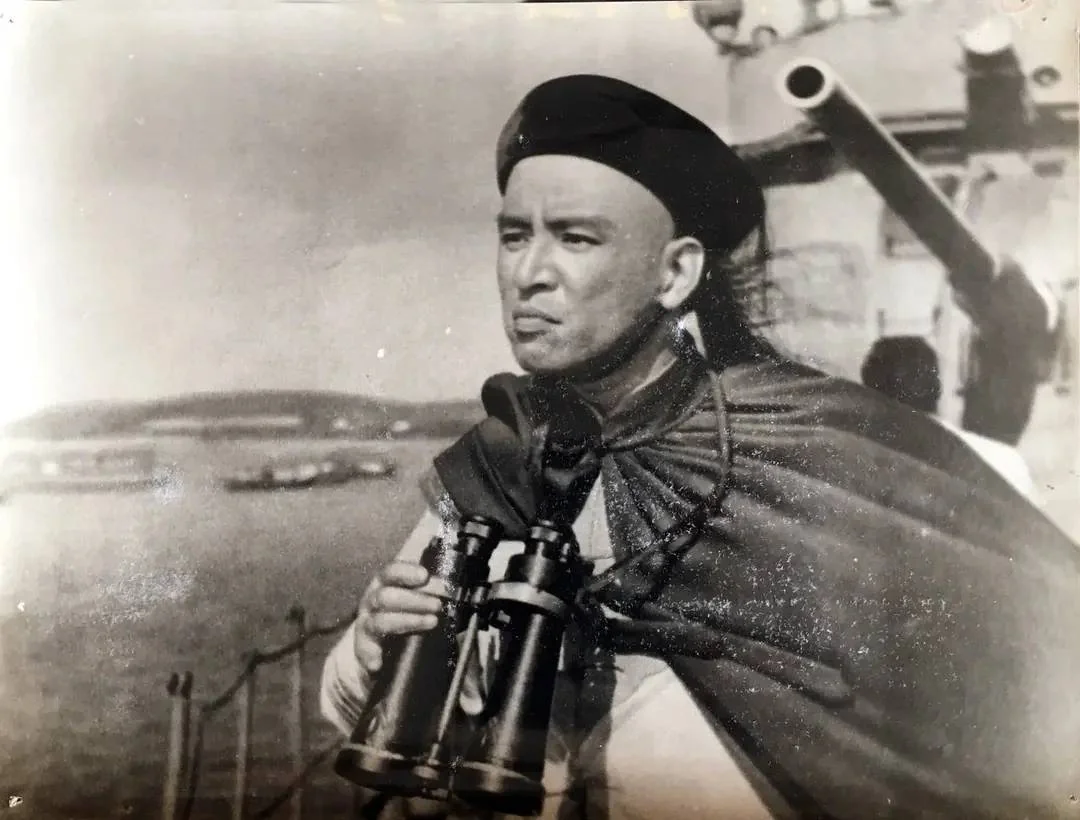
People’s picture of the First Sino-Japanese War is probably Deng Shichang’s tragic figure, shouting that he would ram Yoshino, driving Zhiyuan into a charge. Strictly speaking, that was the war’s Battle of the Yellow Sea, fought near the Korean Peninsula. Military history’s official name is the Battle of Dadonggou. For China there is only one Battle of the Yellow Sea; for the rest of the world, there are others.
Weihai’s link to the war sits more in the second half, the story of the Beiyang Fleet trapped in harbor and wiped out. Modern Weihai has plenty going for it, of course. I’ll write that part after the trip. This piece looks at what happened outside Weihai.
The Battle of the Yalu River: The Advantage of Maneuver
The First Sino-Japanese War’s Battle of the Yellow Sea was the first real-world clash of two technical lines in naval history: German-style citadel ironclads versus British and French fast cruisers. It was also the first large-scale battle between steam navies.
Ship numbers on both sides were roughly even. The Beiyang Fleet had bought two heavily armored citadel ironclads from Germany, Dingyuan and Zhenyuan, with armor around 300mm at critical points, but a low rate of fire. Their ammunition was the era’s mainstream armor-piercing shot, relying on physical impact. The old film Jiawu Fengyun dramatizes Zhiyuan’s gunpowder being swapped for sand, leaving her unable to fight and forcing a ramming attack. Strictly speaking, that does not count as the Summer Palace scandal. Mixing sand into kinetic shells to add mass was a legitimate naval practice at the time. Bursting shells actually loaded with powder were few in the Beiyang Fleet.
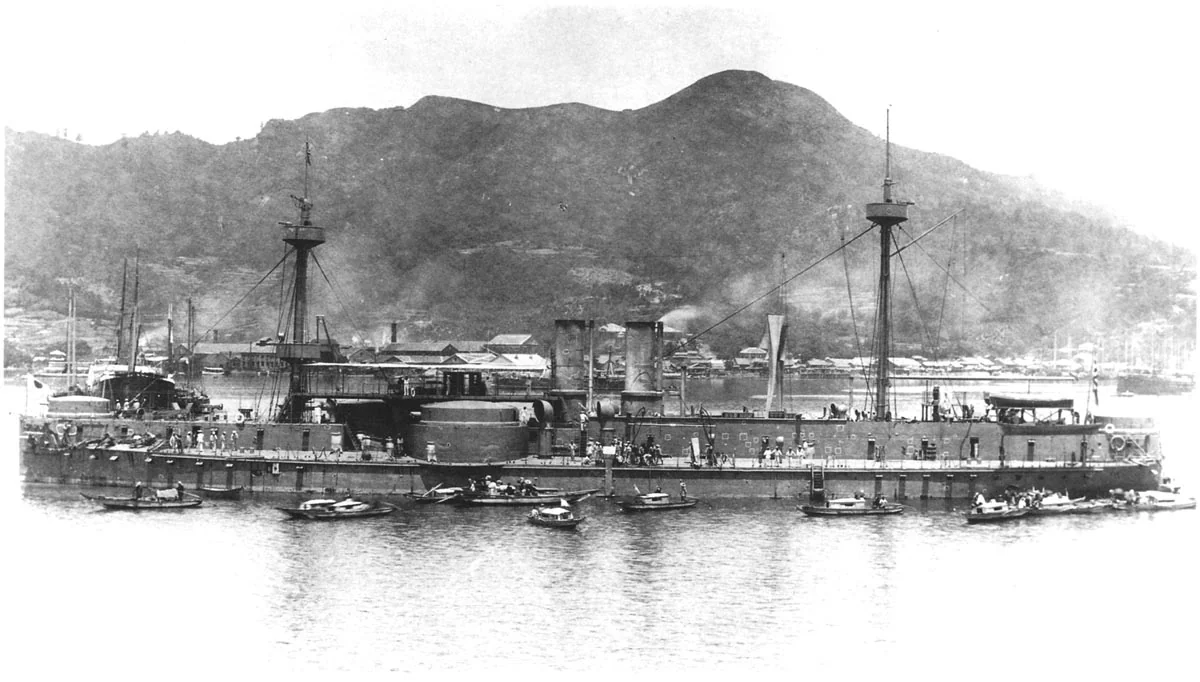
Zhenyuan of the Beiyang Fleet.
The Japanese Combined Fleet was mostly bought from Britain: light ships with high speed and a high rate of fire, shells filled with fiercely burning picric acid, fairly advanced kit for the time. Warships then used a lot of wood on decks and bridges, so the damage to fittings and crews was enormous.
Early in the fight, Dingyuan’s first heavy-gun round collapsed her own conning tower. Commander Ding Ruchang was badly wounded, and the signal halyards burned through. The Beiyang Fleet fell into fighting as separate ships.
I dug up some engagement figures for both sides:
| Metric | Beiyang Fleet | Combined Fleet | Gap |
|---|---|---|---|
| Rounds fired | 2000-3000 | 18000-20000 | 7-10x |
| Hits | 134-150 | 800-1200 | 6-8x |
| Hit rate | 4.5%-6.0% | 5%-7% | comparable |
A major reason for that gap was rate of fire. The Krupp heavy guns on the Beiyang armored ships needed about 2-3 minutes to recover before the next round. Japanese quick-firing guns could fire 5-8 times a minute.
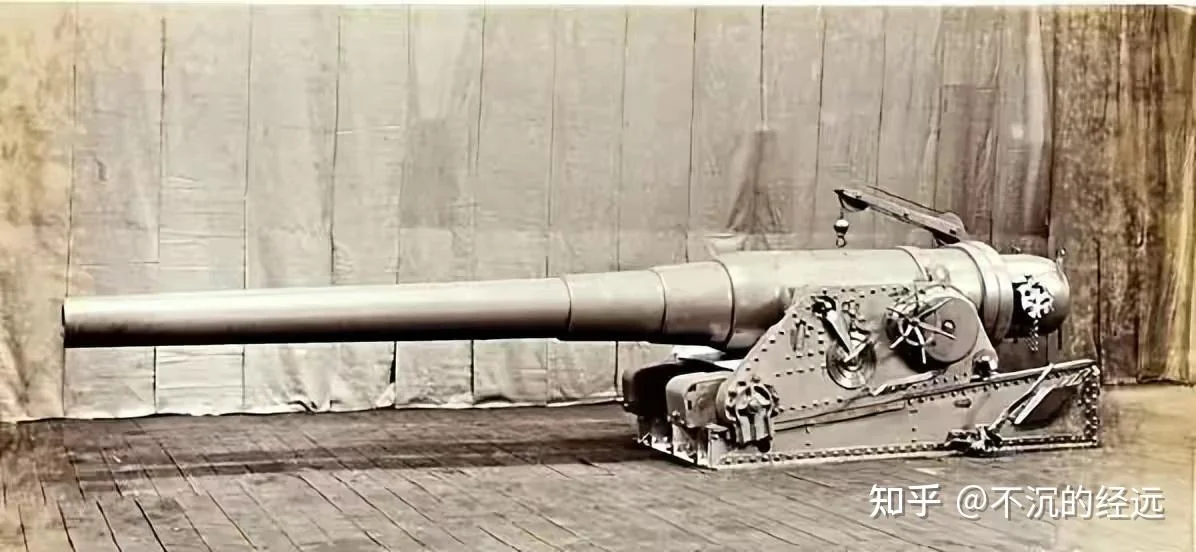
The 305mm Krupp guns on the Beiyang citadel ironclads. For comparison, main guns on other Beiyang ships and on Japanese ships were mostly around 150mm.
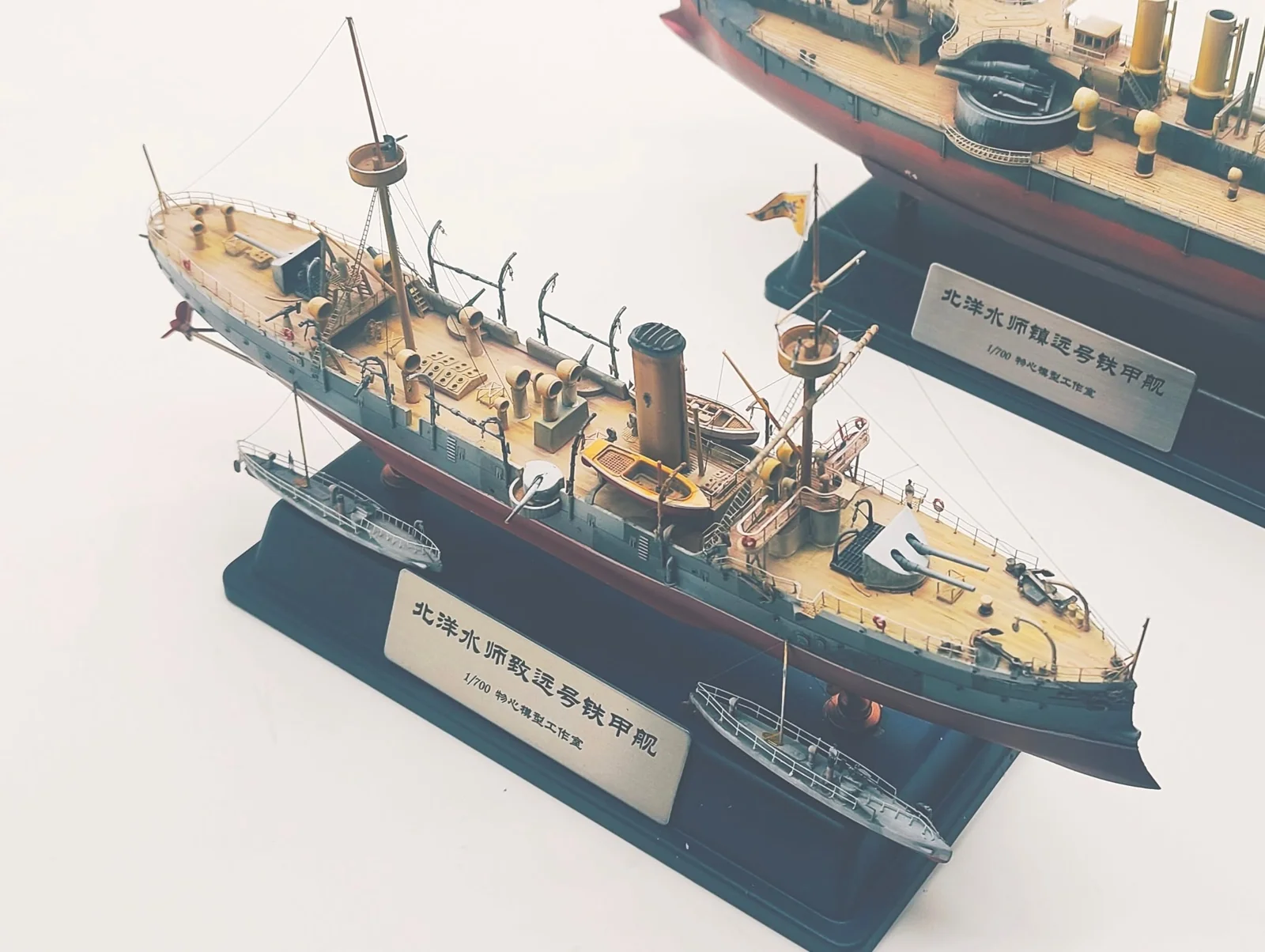
A modern model. You can see a clear difference in main-gun caliber between the cruiser Zhiyuan and Zhenyuan, the battleship behind her.
One counterintuitive fact: the Combined Fleet was about twice as fast as the Beiyang Fleet, yet hit rates across the battle did not differ by an order of magnitude. Speed’s advantage, at least, did not show up mainly as dodging shells. In absolute fire output, the Combined Fleet had an overwhelming edge.
With the naval technology of the time, both sides were shooting inside visual range, and accuracy fell off sharply with distance. Neither side held a clear advantage in gun range. Beiyang ships fired slowly, so tracking highly mobile opponents was hard, and their guns produced black smoke that lingered for minutes and wrecked visibility, so the tactic was to close in. The Combined Fleet used speed to open the range and piled on damage with sheer volume of fire.
Losses were not one-sided. The Beiyang Fleet had 5 ships sunk or wrecked; Japan had 5 heavily damaged as well. Mobility decided who lived. Japanese ships could leave the field at any time. All 5 heavily damaged ships made it back to port; none sank. Beiyang ships that were hurt kept taking fire on the way out.
In this battle the German citadel-ironclad line actually showed its worth. Flagship Dingyuan and the main ironclad Zhenyuan took hundreds of hits and stayed afloat on the strength of their armor. The Combined Fleet was running out of ammunition, saw no serious damage on Dingyuan and Zhenyuan, and withdrew.
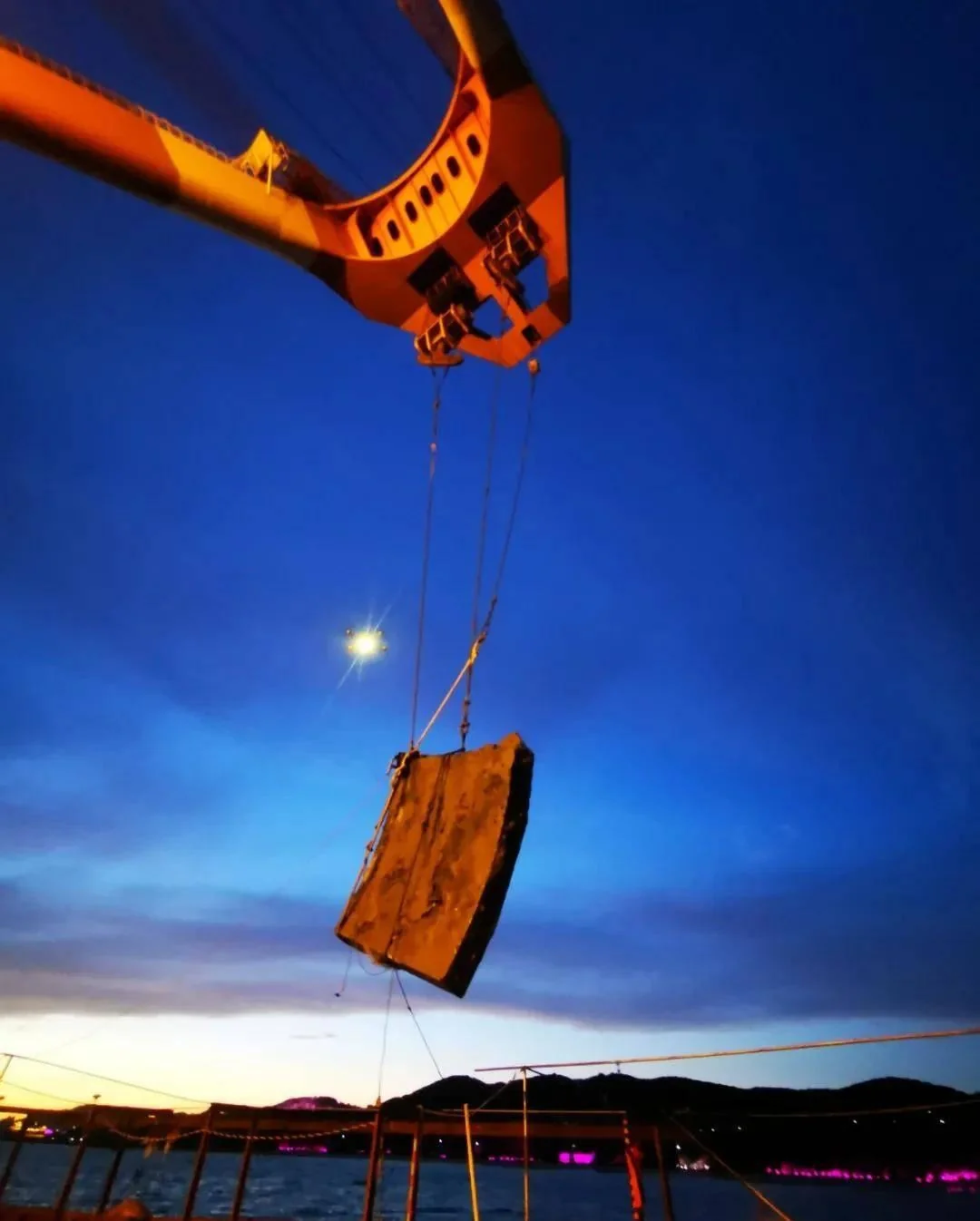
Dingyuan was later sneak-attacked by Japanese torpedoes inside Weihai harbor and ran aground. To keep her from falling into enemy hands, she was scuttled. Modern salvage photos show armor of almost cartoon thickness.
The Battle of the Yellow Sea itself was not enough to destroy the Beiyang Fleet. The more direct causes of the First Sino-Japanese War’s crushing defeat were the string of decisions that followed and the losses on land, factors outside naval technology.
The Battle of Tsushima: Firepower, Armor, and Speed, All of Them
Of course, the First Sino-Japanese War is not all I care about. What we are talking about is how the form of modern naval combat changed.
The war showed everyone the edge of fast cruisers and the value of ironclads. Navies did not pick a side. They wanted both.
During the Russo-Japanese War, Tsarist Russia’s Pacific Fleet took a beating in a Battle of the Yellow Sea. This was Russia’s Battle of the Yellow Sea, not the same fight as Dadonggou. The Russian Pacific Fleet had planned to withdraw to Vladivostok and had almost broken out. Then the commander and the helmsman were killed by shellfire, the flagship lost control and turned suddenly, the formation astern fell apart, and they went back to sit in Port Arthur at Dalian.
The Tsar scraped together a Second Pacific Squadron from the Baltic Fleet, 8 battleships plus a mass of cruisers and destroyers, sent them down the Atlantic, around the Cape of Good Hope, and on an 8-month dash to relieve the Pacific Fleet. They had not arrived when the Pacific Fleet at Port Arthur was wiped out in harbor. The Second Pacific Squadron had to change its objective to Vladivostok, and was intercepted on the way by the Combined Fleet.
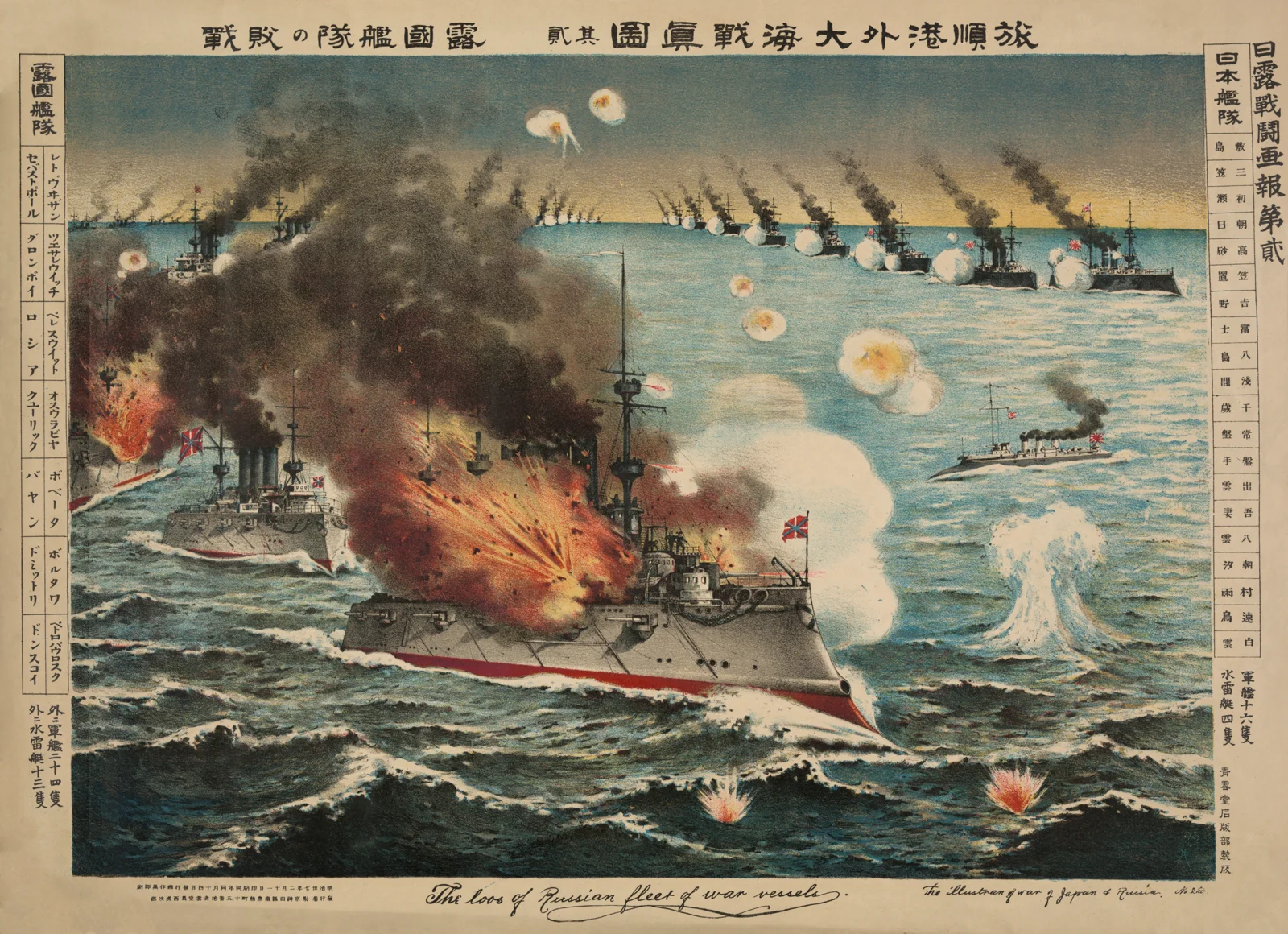
In 1905 the two sides met in the Tsushima Strait, between today’s Japan and Korea. The Japanese fleet facing the Second Pacific Squadron was nothing like the light force from the First Sino-Japanese War more than ten years earlier. Compare both flagships with Dingyuan from that war:
| Comparison | Dingyuan (Qing) | Mikasa (Japan) | Knyaz Suvorov (Russia) | Change |
|---|---|---|---|---|
| Standard displacement | 7335 t | 15140 t | 14091 t | Tonnage roughly doubled |
| Main battery | 4×305mm Krupp L/25 | 4×305mm Armstrong/Vickers L/40 | 4×305mm Obukhov L/40 | Same caliber, barrels much longer |
| Muzzle velocity | 468~500m/s | 732m/s | 792m/s | Velocity up about half, kinetic energy up 130%+ |
| Main-gun shell weight | ~320kg | 390kg | 331.7kg | Shells a bit heavier |
| Main-gun rate of fire | 1 round / 2.5~3 min | 1 round / 1 min | 1 round / 1~1.5 min | Rate of fire nearly 3x |
| Secondary battery | 2×150mm old slow Krupp guns | 14×152mm QF + 20×76mm | 12×152mm QF + 20×75mm | Secondary firepower 10x+ |
| Whole-ship fire output | 300~400kg/min | 5000kg/min | 4200kg/min | Per-ship output 12~15x |
| Main armor | 355mm compound armor | 229mm Krupp armor | 194mm Krupp armor | Thinner on paper, a qualitative change in material |
| Equivalent wrought-iron resistance | 420mm wrought iron | 550mm wrought iron | 460mm wrought iron | Actual protection up 30%+ |
What a naval gun actually does is kinetic penetration, then explosion. From the kinetic energy formula:
$$ E_k = \frac{1}{2}mv^2 $$
Velocity is squared, so it dominates. That is why, over a little more than ten years, main-gun caliber and shell weight did not jump much. What got much longer was the barrel, to buy more speed.
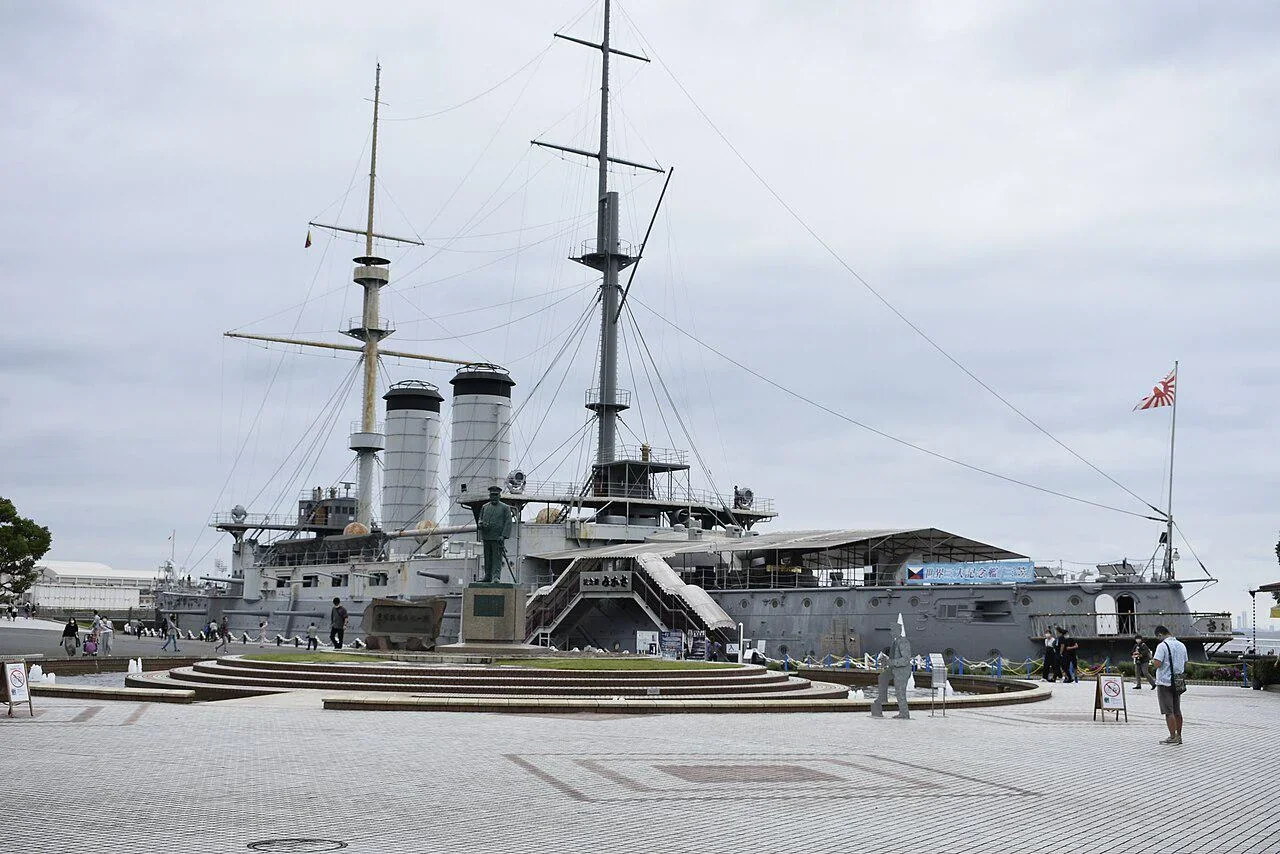
Japan’s Mikasa is the only pre-dreadnought battleship still preserved today
Both sides at Tsushima were mixed formations, every type of ship in the mix. Russia even had twice as many battleships, 4 of the 8 freshly launched Borodino-class 10,000-ton battleships. Japan had only 4 battleships, so it put 8 armored cruisers in the line behind them. The Second Pacific Squadron had come a long way and brought no small craft, so Japan had the edge in destroyers, torpedo boats, and other small ships.
In the actual fight, unlike the Yalu battle, engagement range also doubled. More than ten years of technical gap pushed the gunnery distance from 3000-4000 meters to 6000-8000 meters. Theoretical gun range could already reach beyond 10,000 meters, but the range where you could actually hit was still inside that band.
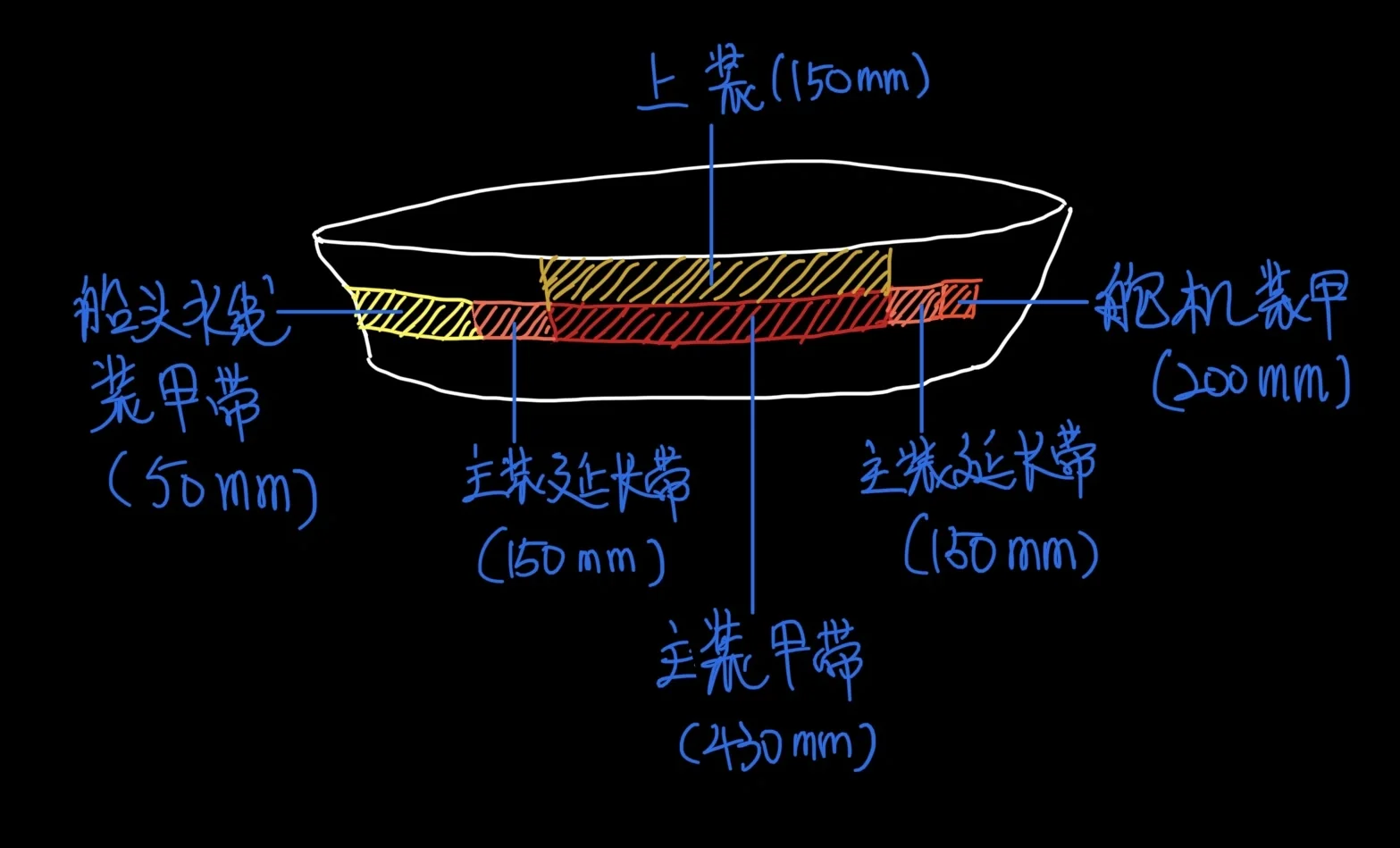
For the ocean passage, the Second Pacific Squadron packed the holds with coal and sat deeper in the water. Main armor near the waterline went underwater. What showed was thinner upper secondary armor. In combat the ironclad battleships turned squishy.
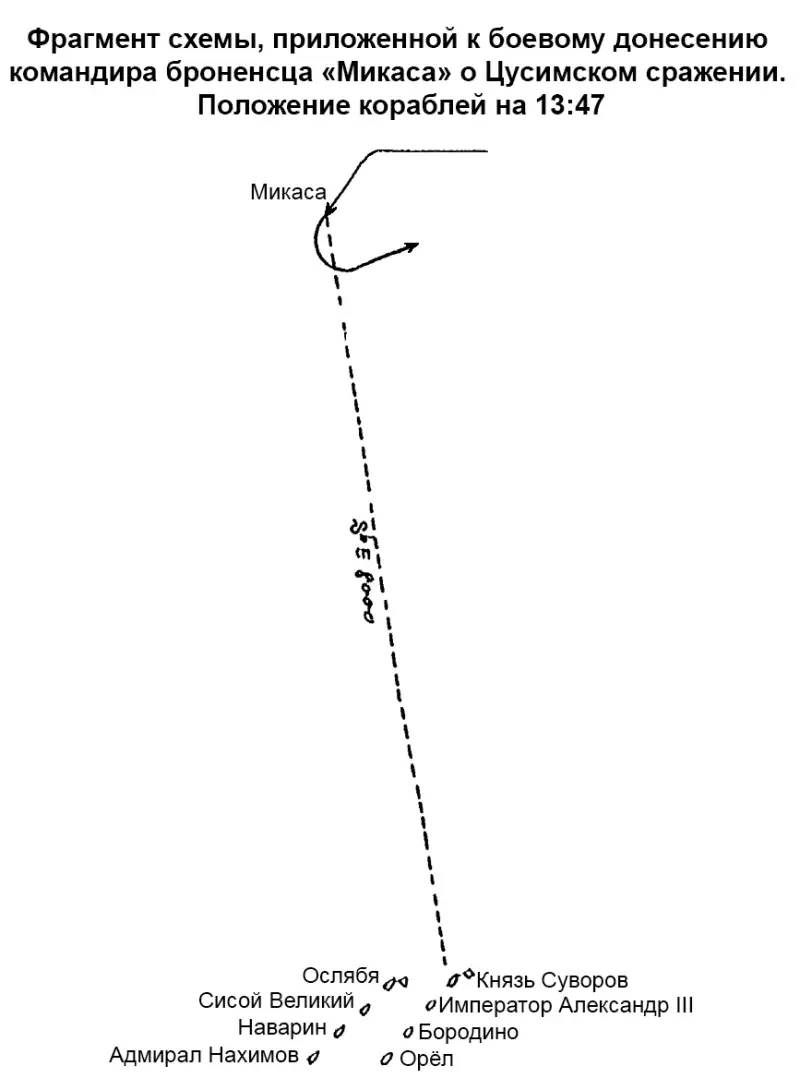
The Combined Fleet had already scouted the Second Pacific Squadron’s movements. When they met, the Japanese line risked a U-turn under Russian guns and laid itself across the strait. The Second Pacific Squadron was steaming in column. Together they made a T. Japanese ships could use their full broadsides and concentrate fire, ship by ship, inside gun range. Russia’s lead flagship, Knyaz Suvorov, was quickly smashed out of the fight, and command went with her. The second column’s flagship, Oslyabya, was concentrated on and sunk on the spot. Ships astern had not entered effective range, and were boxed in by firing arcs, so they could hardly help.
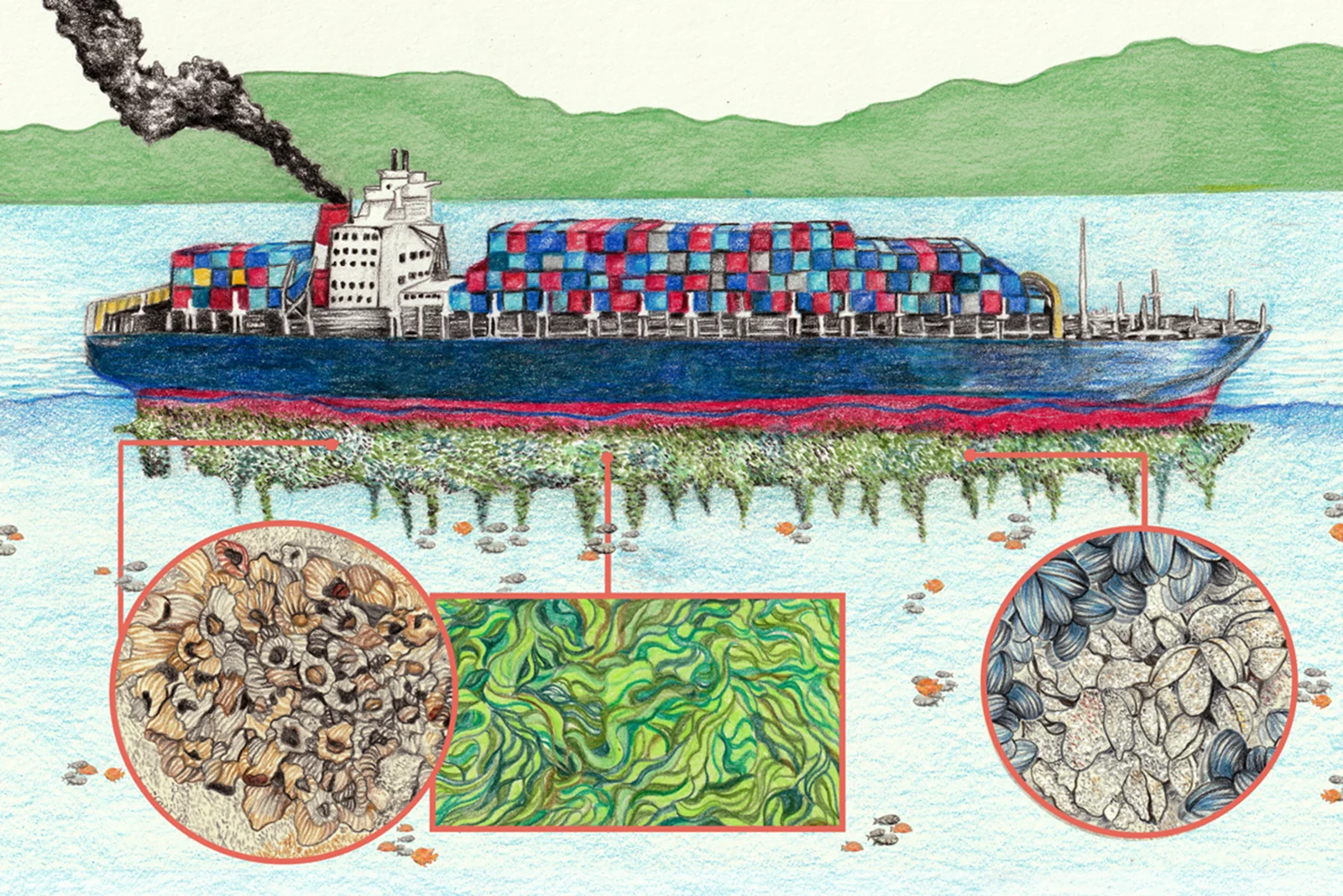
After so long at sea, the Second Pacific Squadron’s hulls were thick with barnacles and weed. Add the extra coal draught, and speed sat well below the best they could do. Once command was gone and each ship fought alone, most were chased down and sunk. Some capital ships did get out of visual range.
At night the Japanese force found the remnants, and sent masses of destroyers and torpedo boats in a torpedo night attack. The Second Pacific Squadron’s capital ships were annihilated. What was left surrendered or scuttled.
The battle was a rout. Every battleship in the Second Pacific Squadron was sunk or captured. Only 3 light ships escaped the field and reached Vladivostok. A few more fled to neutral ports, were interned, and disarmed. Japan lost 0 capital ships, and only 3 torpedo boats sunk.
One more factor has to be mentioned. The two sides’ gunners were in different leagues. After heavy live-fire training, the Combined Fleet’s hit rate was about 5 times that of the Russian gunners.
According to later research, of all the Russian capital ships sunk in this battle, only one went down because a large-caliber hit set off the magazine. For the rest, the main work was still dense close-range fire from medium and small guns, wrecking unarmored parts until they flooded and capsized, or torpedoes in the night attack.
Tsushima showed the value of dense fire, solid armor, and mobility all at once. There was no technical-line fight to pick. Of course you want all of them.
Dreadnoughts: The Age of Big-Gun Battleships
If you only looked at the Yalu battle and Tsushima, you might think medium and small guns were the real main battery. What naval history did next was not what that surface suggested.
This was the Anglo-German naval arms race. Every navy was taking live lessons from Tsushima. Unlike a layman like me, Captain William Pakenham, a British observer, was on a Japanese ship at Tsushima, and he saw what future naval combat actually was:
- The 305mm main guns were the decisive weapon. If the main armor had not gone underwater, Japanese medium and small guns would not have done Russia real harm.
- Speed was tactical initiative. Japanese ships were fast, which is how the U-turn and the T-crossing concentration of fire happened.
- Uniform caliber helped fire control. Big and small guns firing together made the splashes hard to tell apart, which made spotting the fall of shot worse.
- Torpedoes were a real threat, but they did not run far in the water. You had to use speed and gun range to keep the fight outside torpedo range.
His reading was the consensus among navies at the time. Future fights would be farther. Medium and small guns would be worthless, and would scatter ammunition around the ship and raise the risk of a magazine explosion. Old main guns, short on accuracy and rate of fire, had needed a crowd of medium and small guns to fill in. By then main-gun rate of fire had risen sharply, and centralized director firing had matured. Main guns could carry the fight alone. The all-big-gun ship was waiting to be built.
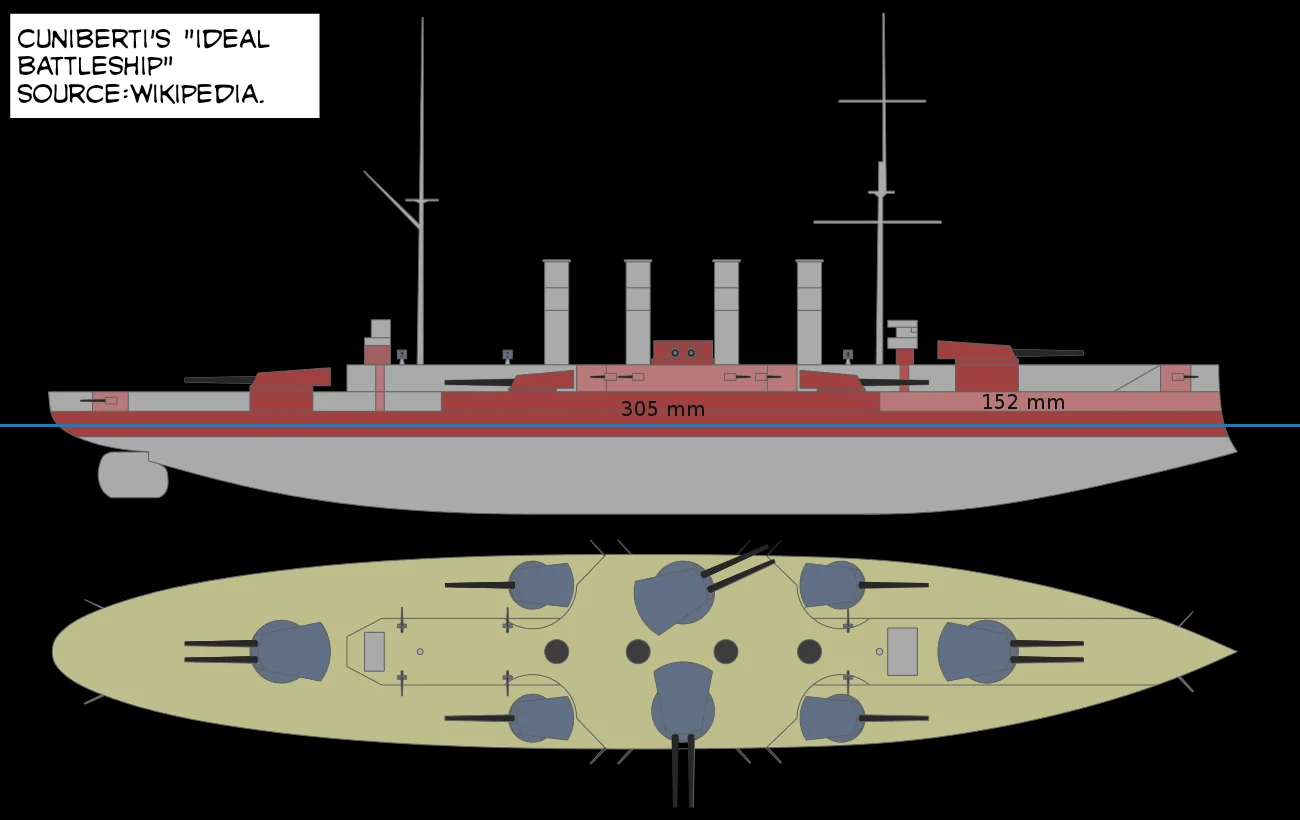
In 1903 the Italian naval architect Vittorio Cuniberti proposed an all-big-gun battleship. The first person to put it into steel was Fisher, then Britain’s First Sea Lord. When the 1905 Tsushima reports arrived, they only hardened his belief in a high-speed all-big-gun battleship.
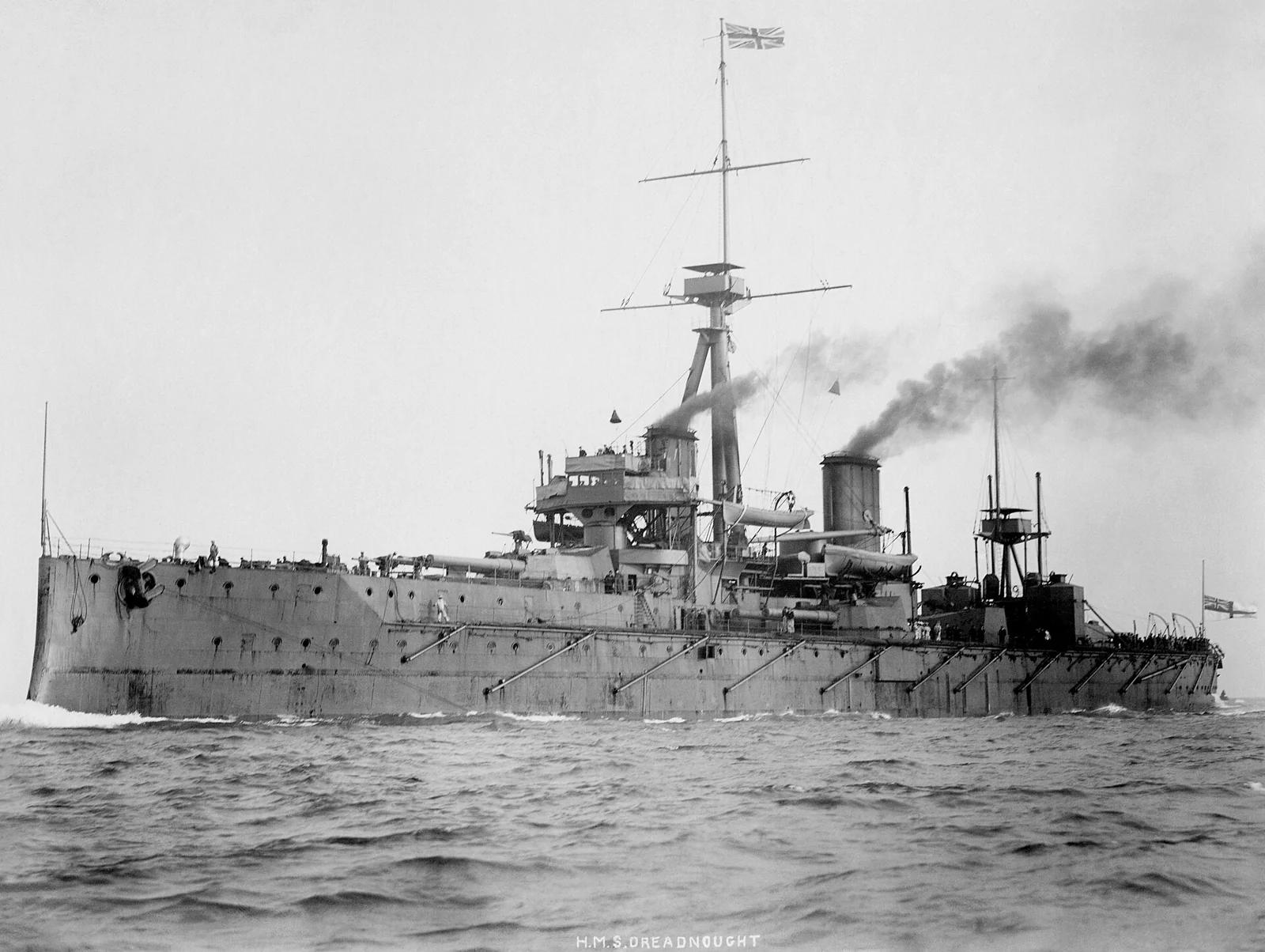
The Royal Navy was first to build that all-big-gun ship, Dreadnought. Ten long-range main guns, heavy armor, high speed, with only small guns left to keep torpedo boats off. When the first Dreadnought launched, naval combat entered a new era. Everyone else’s capital ships became antiques: medium and small guns were finished, and they had less than half as many main guns as a dreadnought.
Heavy guns mattered not just as firepower, but as range. In this period maximum gun range already reached 20-odd kilometers, and sea gunnery mostly happened beyond 10 kilometers. Given that the Earth is round, that is not so far from the visual limit of around 40 kilometers. By comparison, in the First Sino-Japanese War’s Battle of the Yellow Sea, the two sides were shooting at about 2 or 3 kilometers.
At the same time steam turbines replaced reciprocating steam engines, so a heavy battleship could match or even beat a cruiser’s speed. Add the extreme range, and cruisers armed with medium and small guns could not close. That ended the pattern of heavy ironclads being kited by fast gun-ships. The dreadnought became absolute king at sea.
Thick armor and heavy guns come as a pair. There was a pretty idea of a fast ship plus long-range heavy guns. That type is the battlecruiser, which threw away armor and chased only firepower and speed. Huge recoil and the roll of a light hull both work against putting heavy guns on small and medium ships, so battlecruisers ended up nearly as large as battleships.
A battleship’s heavy armor was mainly there to stop the same kind of ship. That was the survival key in a fleet action. Some designs even packed every vital into one part of the ship, wrapped it in thick armor, and left the rest in thin steel.
Carriers and Missiles: Range Is Everything
What actually ended the battleship era was still range. What could beat a battleship would not be another gun-ship. It had to be something new.
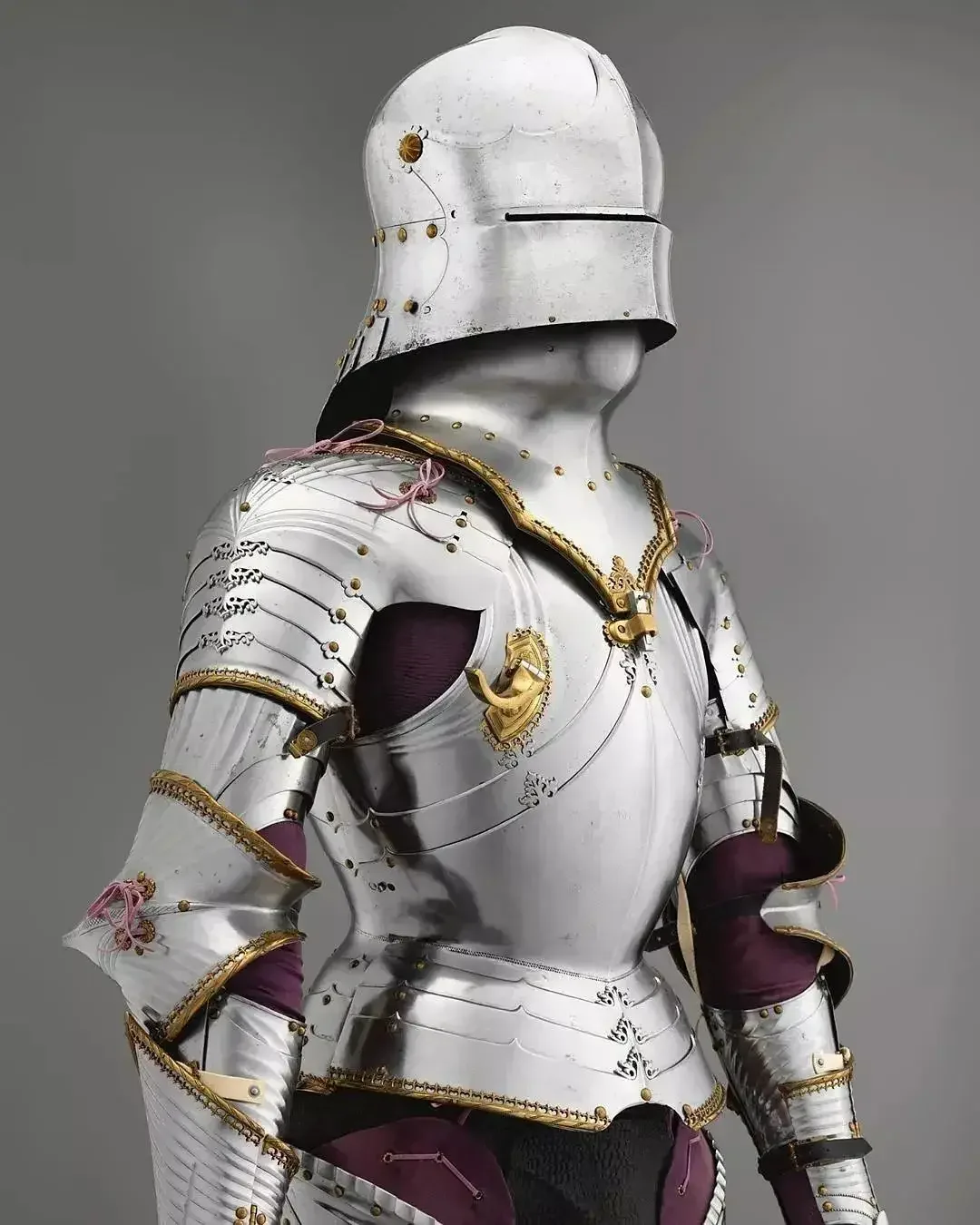
The history of weapons is basically this: attack and defense started even in the cold-steel age. In the age of firearms, attack pulled far ahead. Passive defense from the front has meant less and less.
A battleship’s armor, however thick, still has weak spots. Even in a surface gun duel, it cannot stop a main-gun hit at point-blank range, and long-range plunging fire comes down through the deck and bypasses the side armor. Submarines and aircraft are weaker aspects still. Wrapping the whole ship, top, bottom, and sides, in thick armor costs too much, and against ever more violent weapons the return is tiny.
Gun range on a battleship also has a ceiling. More range needs far more propellant thrust and structural strength. You cannot stretch it forever. This is not a thought experiment about first cosmic velocity.
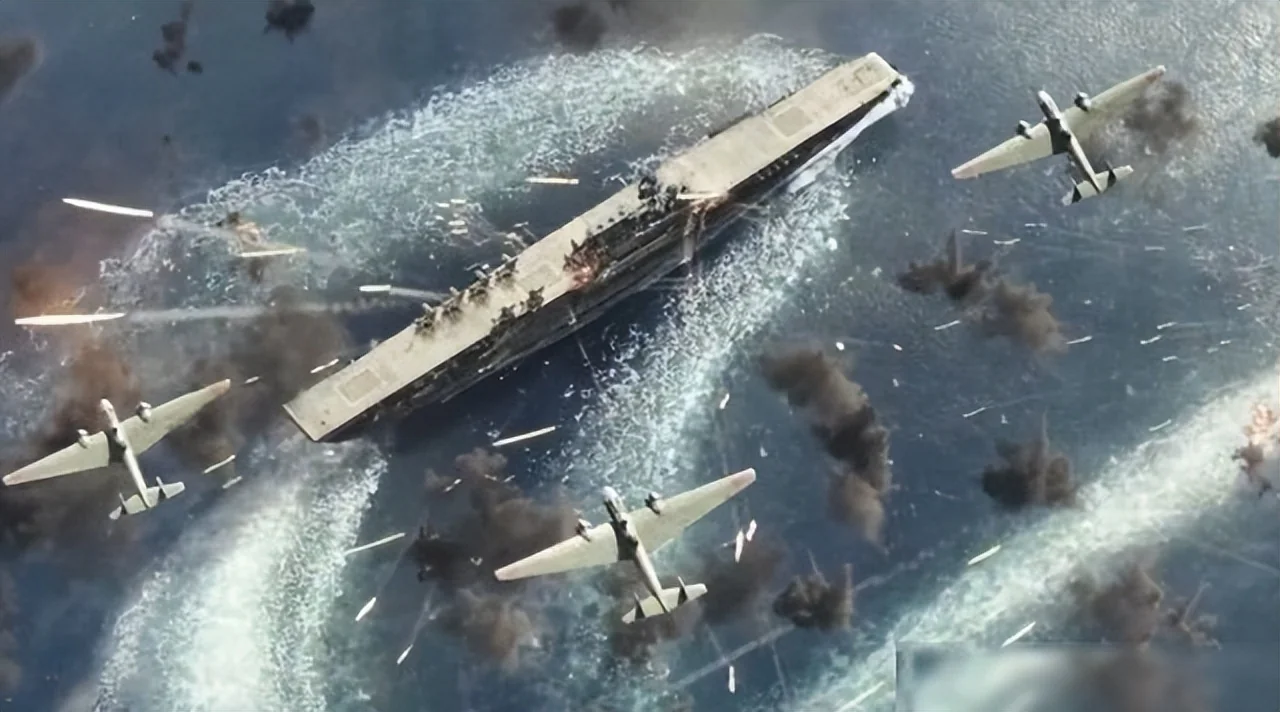
The aircraft carrier broke that gun-range ceiling easily. The shell became an aircraft. The attack vehicle could maneuver and guide itself. Carrier aircraft stretched naval “range” from tens of kilometers to hundreds, already far beyond any gun. Modern hypersonic anti-ship missiles push the attack envelope out to a thousand kilometers and more. A battleship armored like a fortress still has no reason to exist if all it can do is take hits.
In 1945 the US landed on Okinawa, and Japan was already finished in the Pacific. The Japanese military launched a ridiculous plan called Operation Ten-Go, sending Yamato, then the peak of the heavy battleship, to Okinawa with no fighter escort. The idea was to beach her on purpose and use her as a fixed battery.
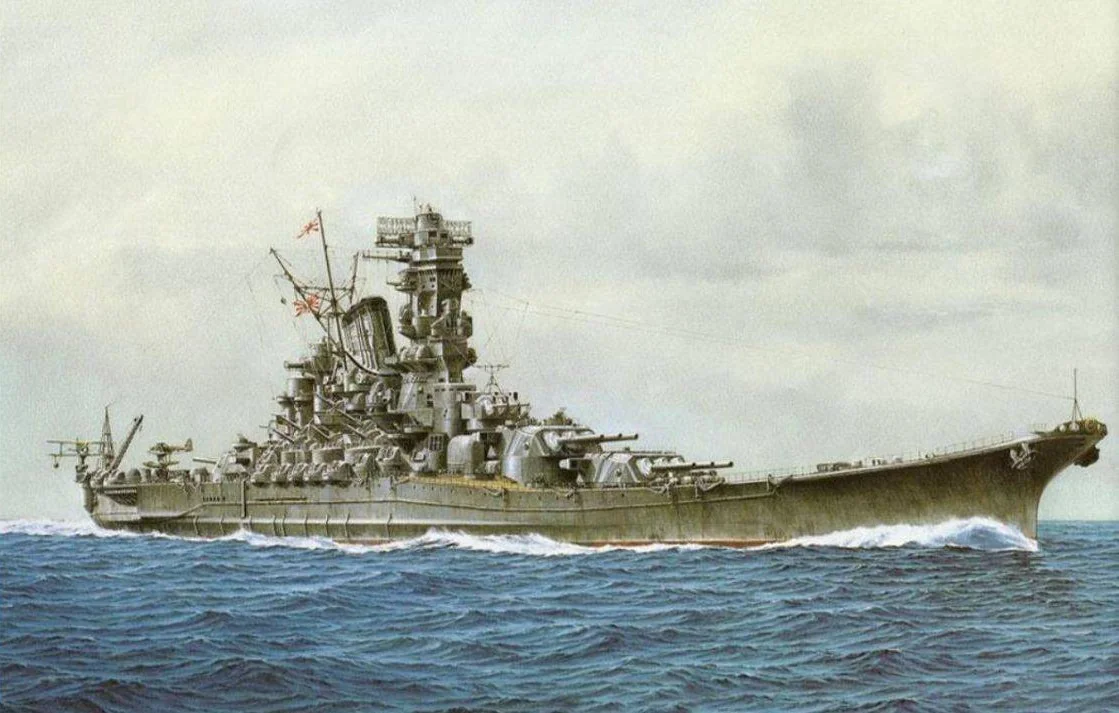
Air groups from the US Navy carriers Hornet and Yorktown swarmed Yamato off Cape Bōno. A battleship this extreme had no peer against other gun-ships. Her displacement reached 72,800 tons, ten times Dingyuan of the Beiyang Fleet. At that size, carrier aircraft could not kill her in one blow.
When they had sunk the battleship Musashi, US aircraft had dropped torpedoes from all directions at random, so Musashi’s crew could counter-flood and keep her on an even keel. The attack on Musashi lasted a whole afternoon before she went down.
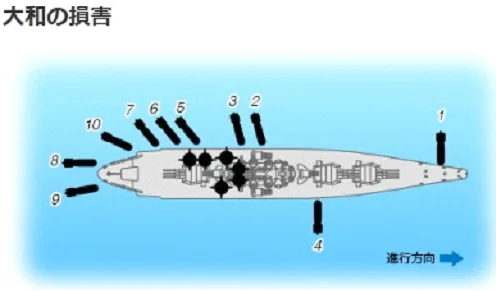
Against Yamato, the US air groups had learned. They all attacked the port side. Damage from a dozen-odd torpedoes made her list to port very fast. Yamato sacrificed hundreds of crew to flood the starboard side in a hurry, and still could not catch the roll. Then the list got so bad that shells slid, collided, and cooked off. She broke in two and sank, throwing up a mushroom cloud more than 6,000 meters high. From the start of the attack to Yamato going down, the whole thing took under 2 hours.
Step back, and Operation Ten-Go itself already hinted that the battleship age was over. In the new air-sea fight, almost all the useful fire from a gun-ship was the small anti-aircraft guns. The main battery’s greatest value turned out to be sitting as a shore battery.
The sinking of Yamato and Musashi put a period on the battleship era.
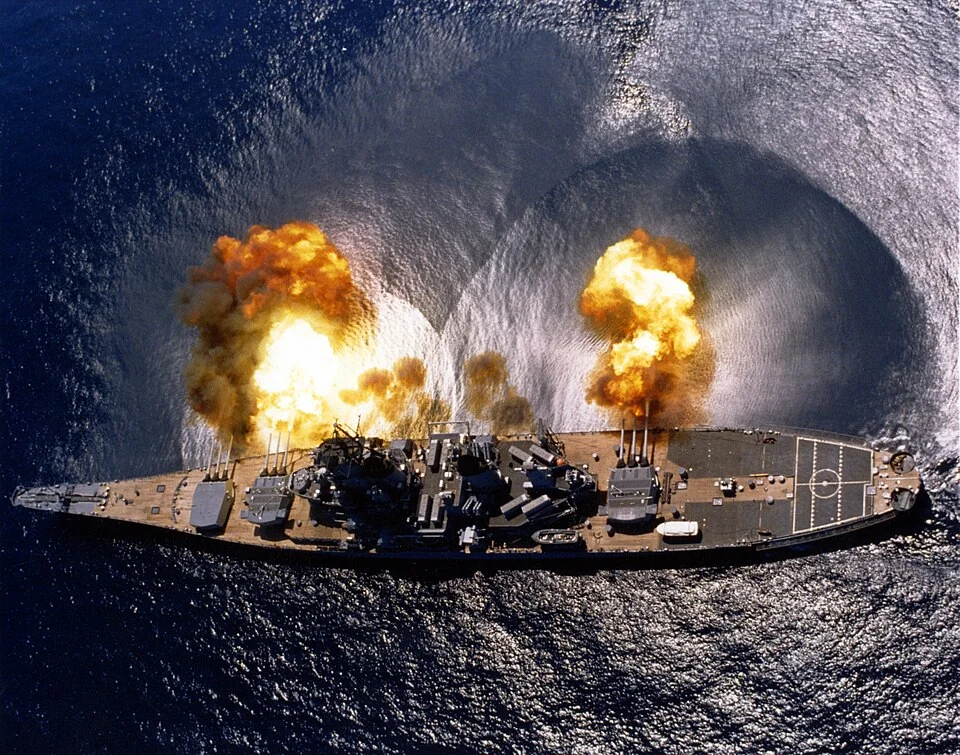
USS Iowa, one of the last battleships retired anywhere in the world.
Look back at the Yalu battle and Tsushima, and one factor decided those two disasters: the loss of command, and fleets reduced to fighting as separate ships.
Firepower and range are basic in modern naval combat. A fleet’s fighting power is no longer the sum of each ship’s guns. Unified control is what matters, and information systems have become the vital organ.
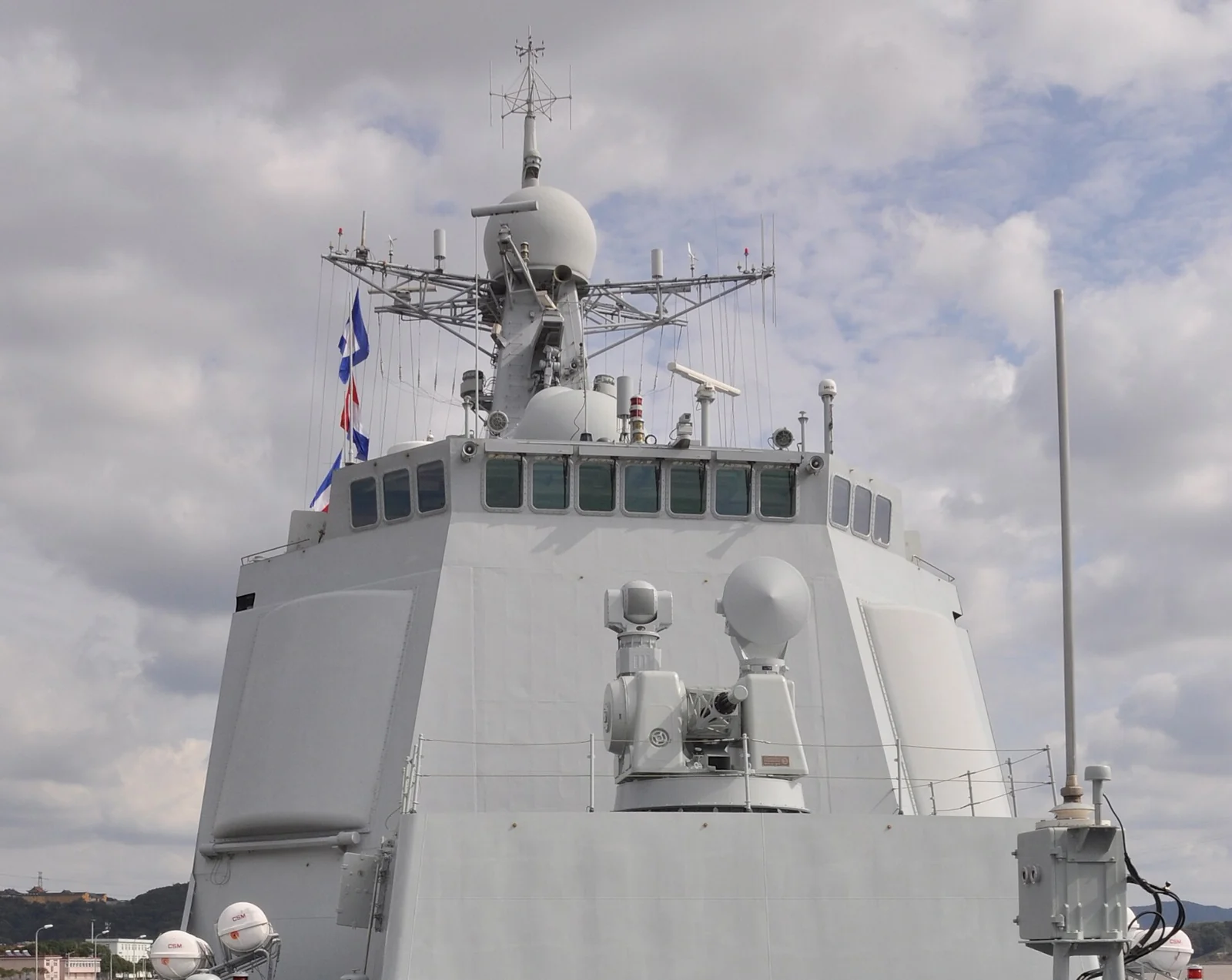
Radar, antennas, and airborne early-warning aircraft cannot be wrapped in armor. In over-the-horizon combat, losing them is the same as lying down to be carved up. The only answer is to switch from passive defense to active defense: electronic warfare, decoys, close-in guns firing tens of thousands of rounds a minute, interceptor missiles, anything that keeps the incoming round off the hull.
If it actually hits, there is not much point in armor anyway.
Closing
I was only making a travel plan. I did not expect to run this far.
I was something of a military buff in elementary school, and subscribed to Ordnance Knowledge and Naval & Merchant Ships. In secondary school my interest shifted toward background factors, physics, history, geography, and I paid less attention to military news. Coming back to the subject years later and stringing the pieces together is still pretty interesting.
Of course war has too many deciding factors. There will be oversimplification. A light pass. Naval buffs, please go easy on me.