Visiting Xishuangbanna in late March was a brilliant decision; our family of three returned completely fulfilled.
You might not believe it, but I actually ran a statistical analysis on historical flight prices from Hangzhou to Xishuangbanna. While there were no groundbreaking conclusions, I did spot four distinct price peaks: Spring Festival, the Water Splashing Festival, summer vacation, and National Day. The window between the Spring Festival and the Water Splashing Festival is a clear trough—possibly the lowest of the year. Taking time off to travel then offers incredible value.
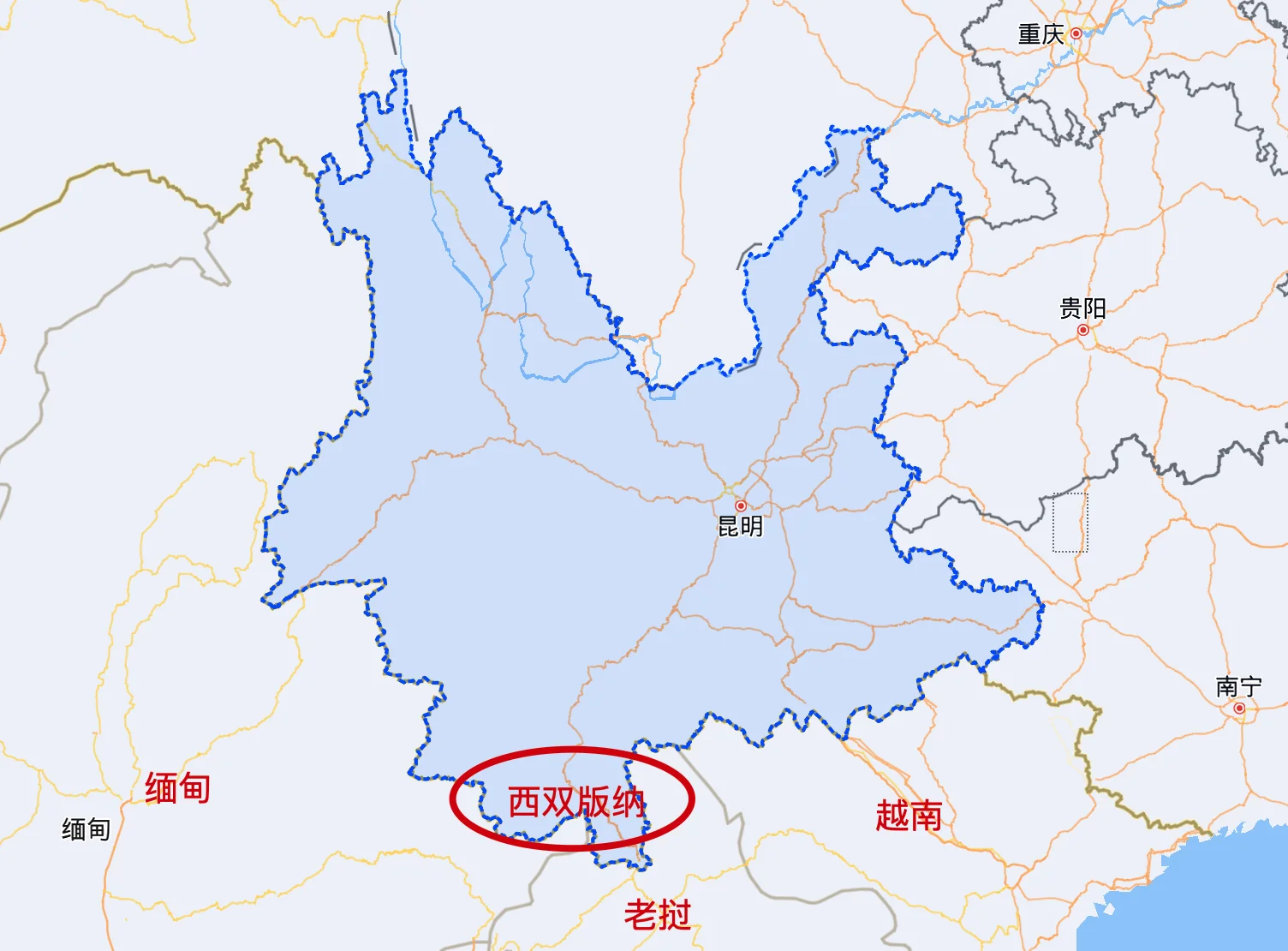
I’ve always thought the map of Yunnan Province resembles a short-legged camel. Xishuangbanna sits at the southernmost tip—right on the camel’s hind leg—bordering Myanmar and Laos.
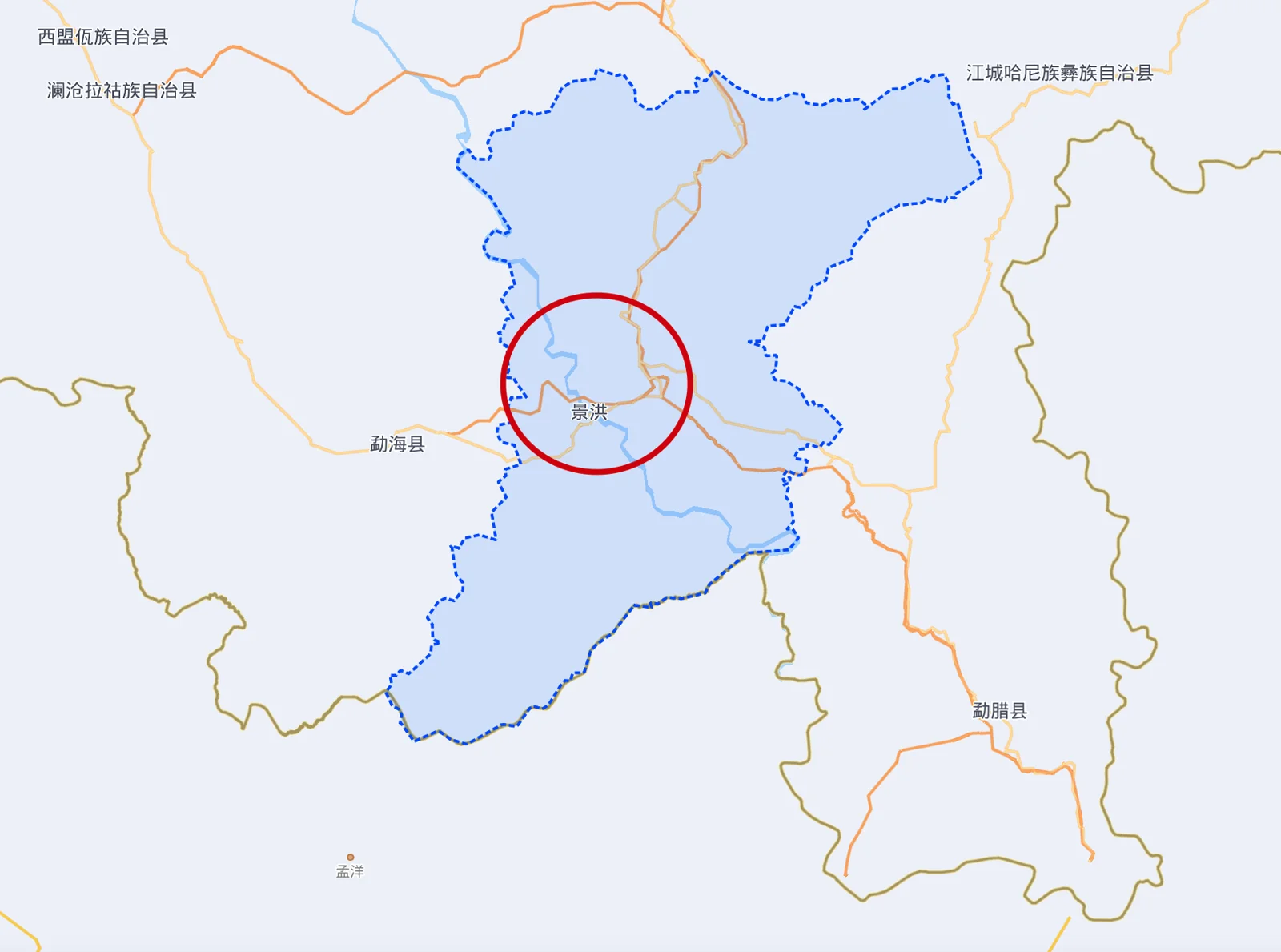
The Xishuangbanna Dai Autonomous Prefecture is vast, comprising three county-level divisions. Jinghong City is the capital and houses the only airport. While Menghai and Mengla counties offer Pu’er tea culture, botanical gardens, and border tours, we kept our family leisure trip strictly within the Jinghong area (the red circle). Our farthest excursion was to Wild Elephant Valley, just an hour’s drive away. For first-time visitors, this red circle easily packs a week’s worth of activities.
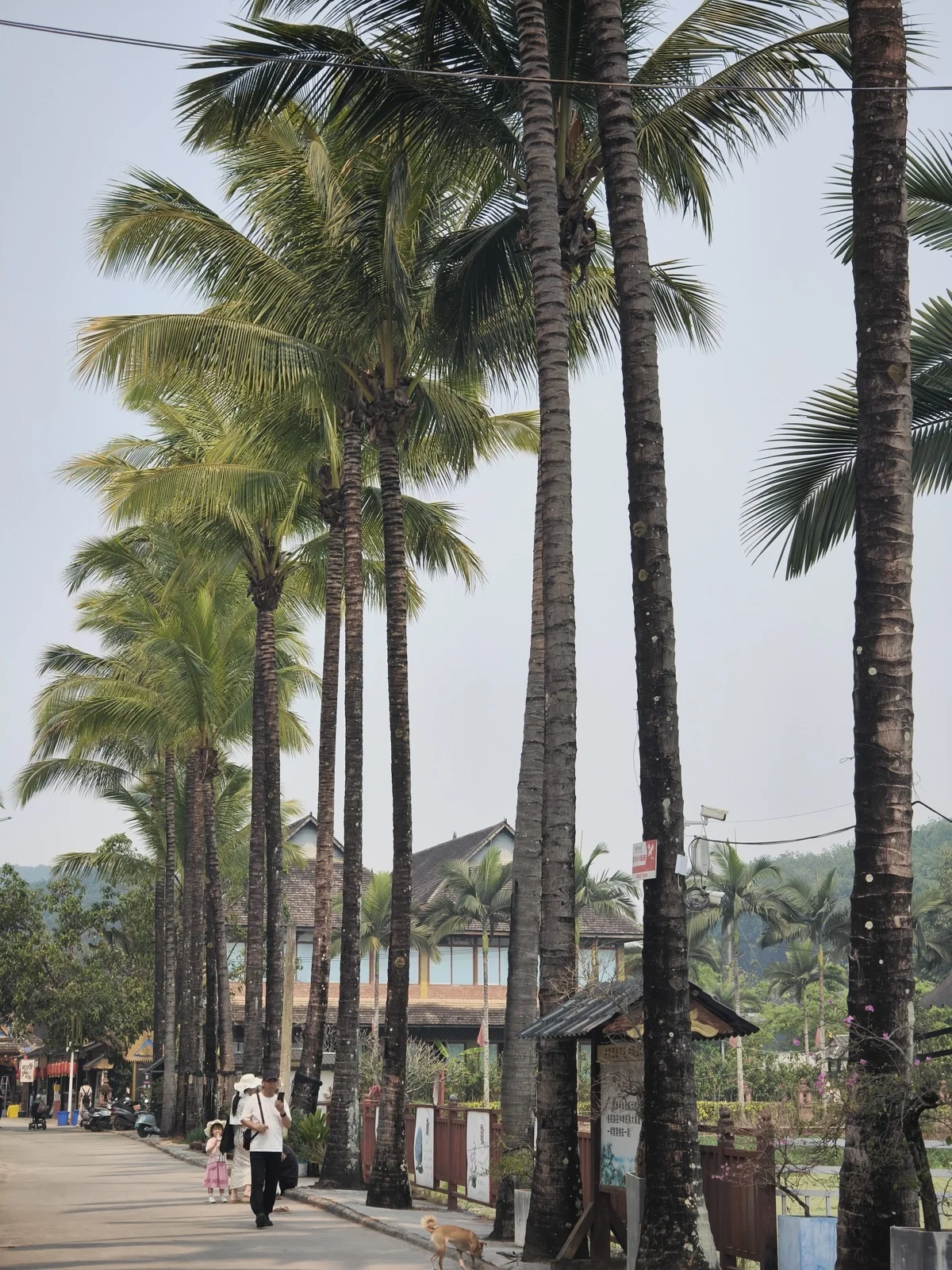
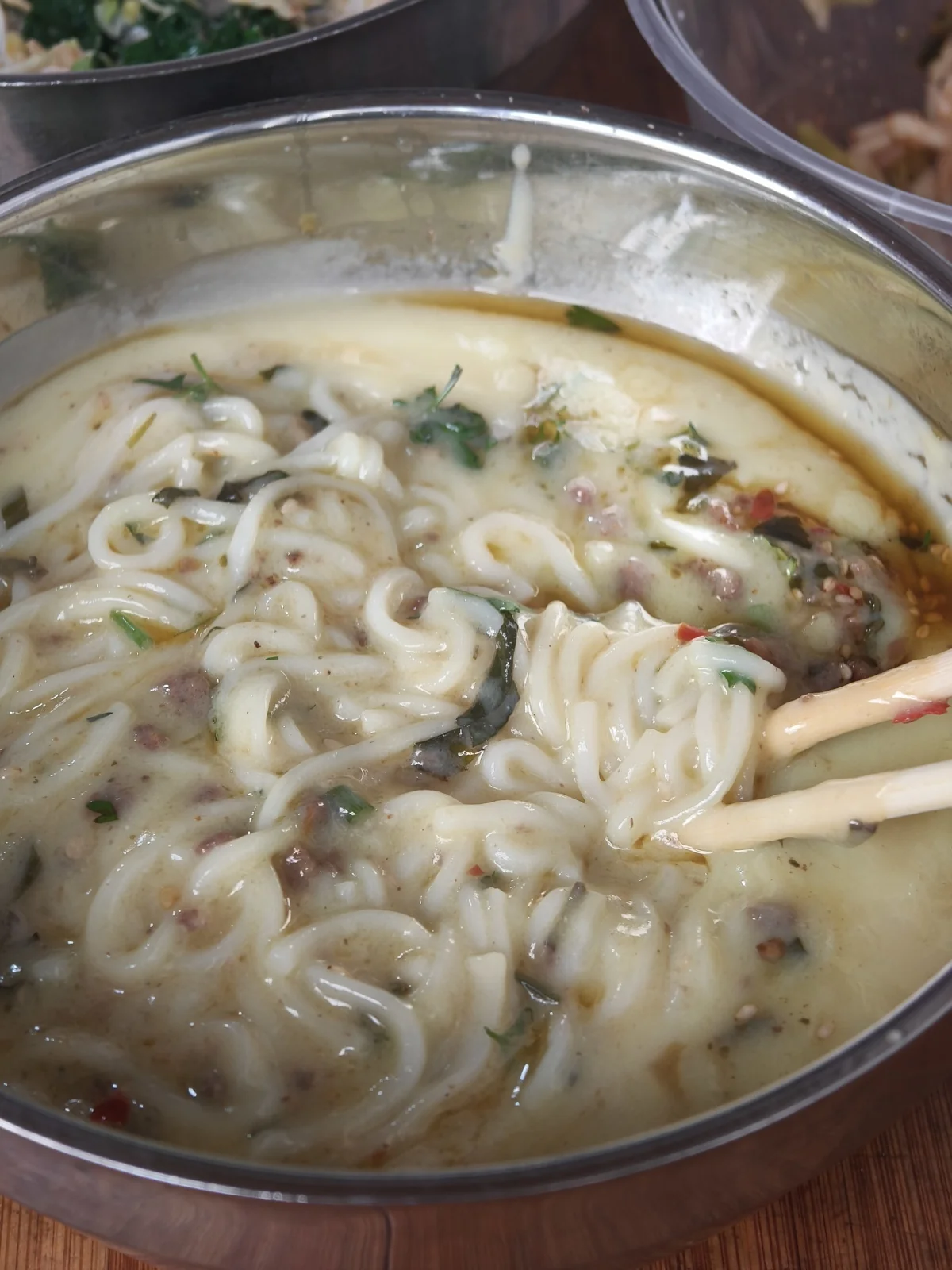
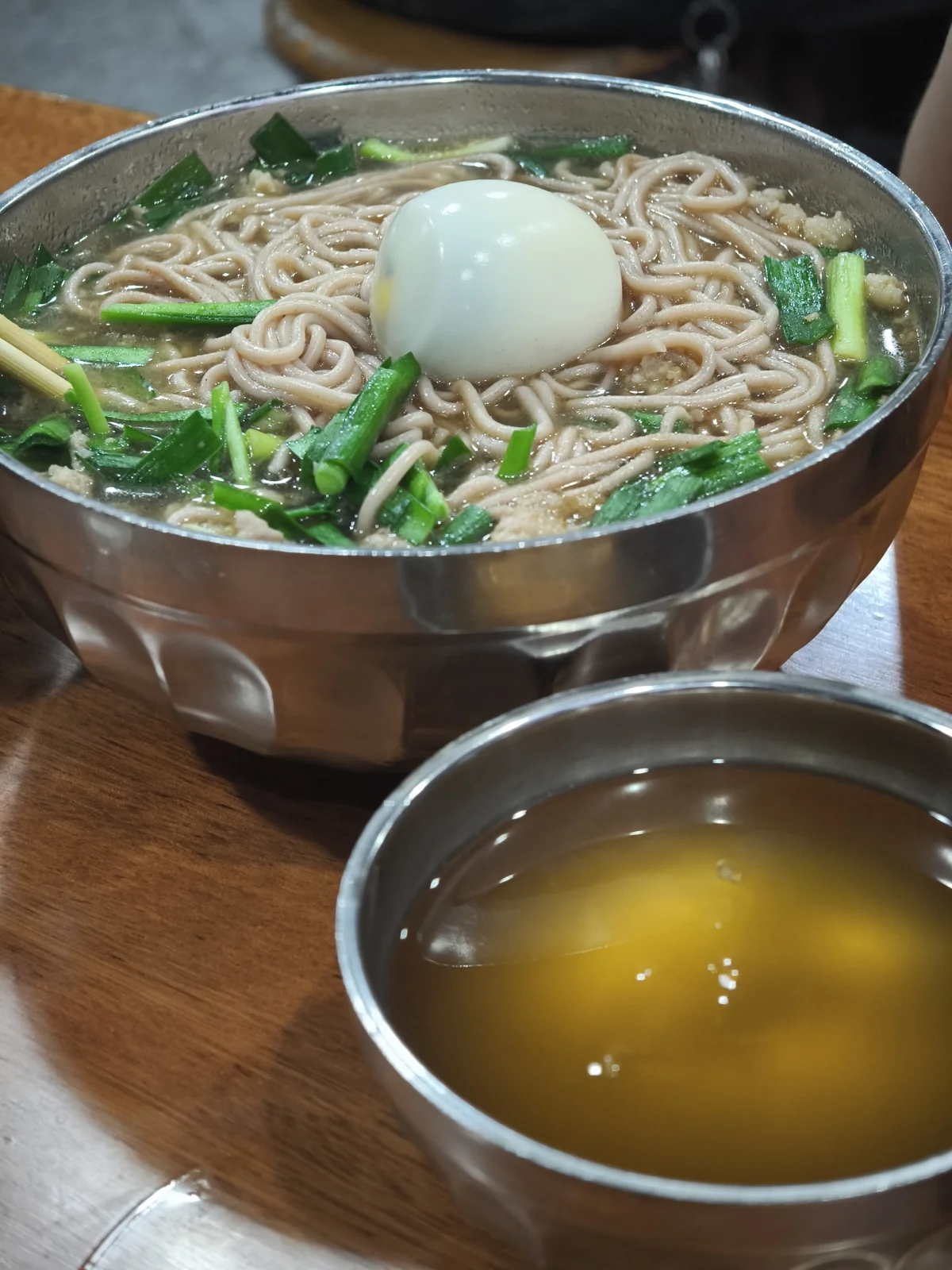
We arrived on the evening of Day 1 and kept things light. We grabbed some Dai-style rice noodles near our hotel—the combination of fresh mint and Sichuan peppercorns was absolutely phenomenal. Strolling down the palm-lined city streets, the tropical vibe hit us immediately.
Day 2: Primeval Forest Park & Gaozhuang
Primeval Forest Park
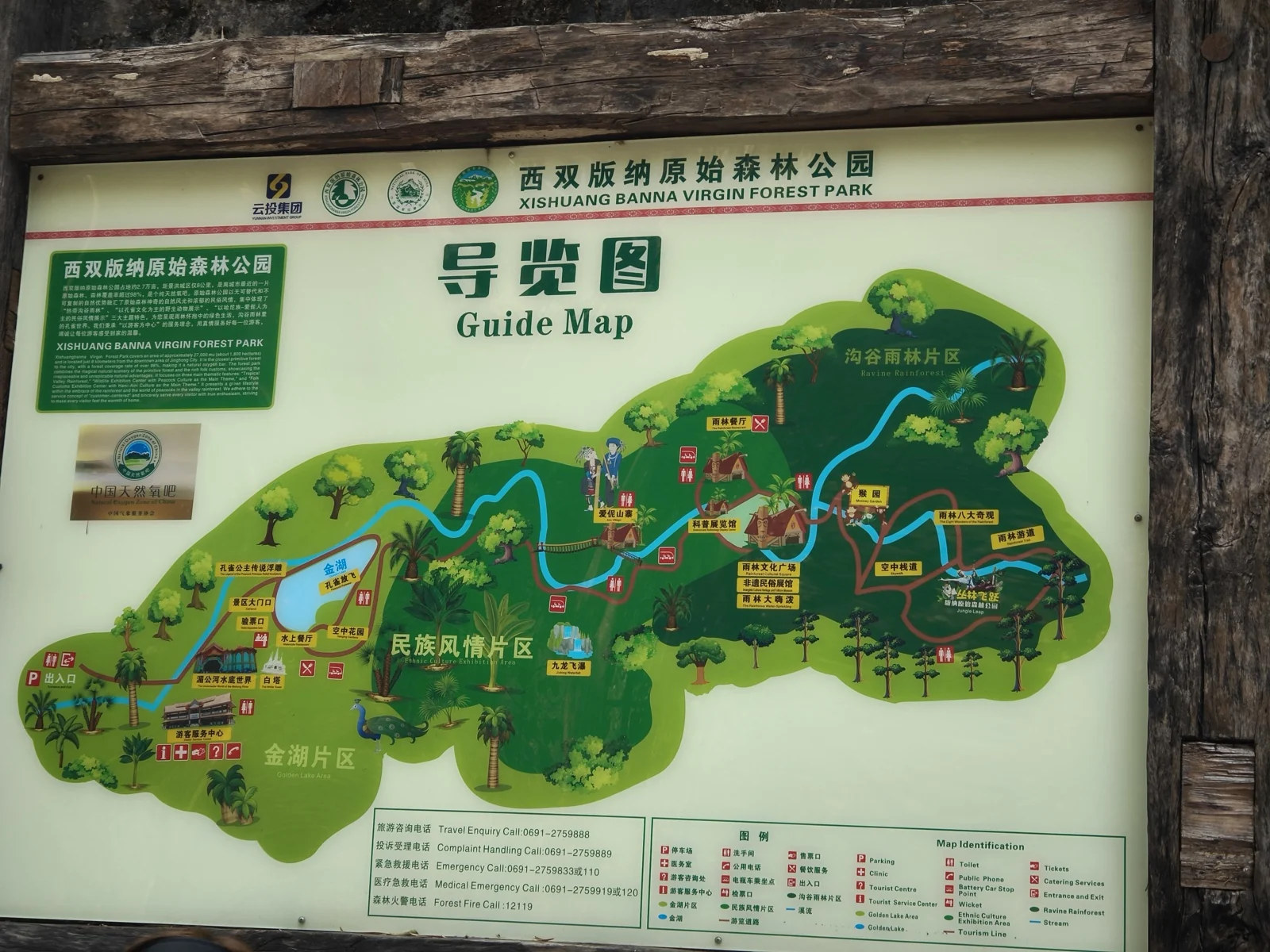
Located just outside Jinghong, this park features a narrow, linear layout—you walk to the end and head back the same way. From the entrance inward, it’s divided into three main stops: Golden Lake, Aini Village, and the Tropical Rainforest.
Aside from general sightseeing, each area hosts scheduled activities. Golden Lake features the signature peacock flight, Aini Village offers interactive folk dances, and the Tropical Rainforest hosts a mini water-splashing party.
We took the sightseeing buggy straight to the farthest point: the Tropical Rainforest. Stepping off, we passed through a food and shopping plaza into the monkey sanctuary.
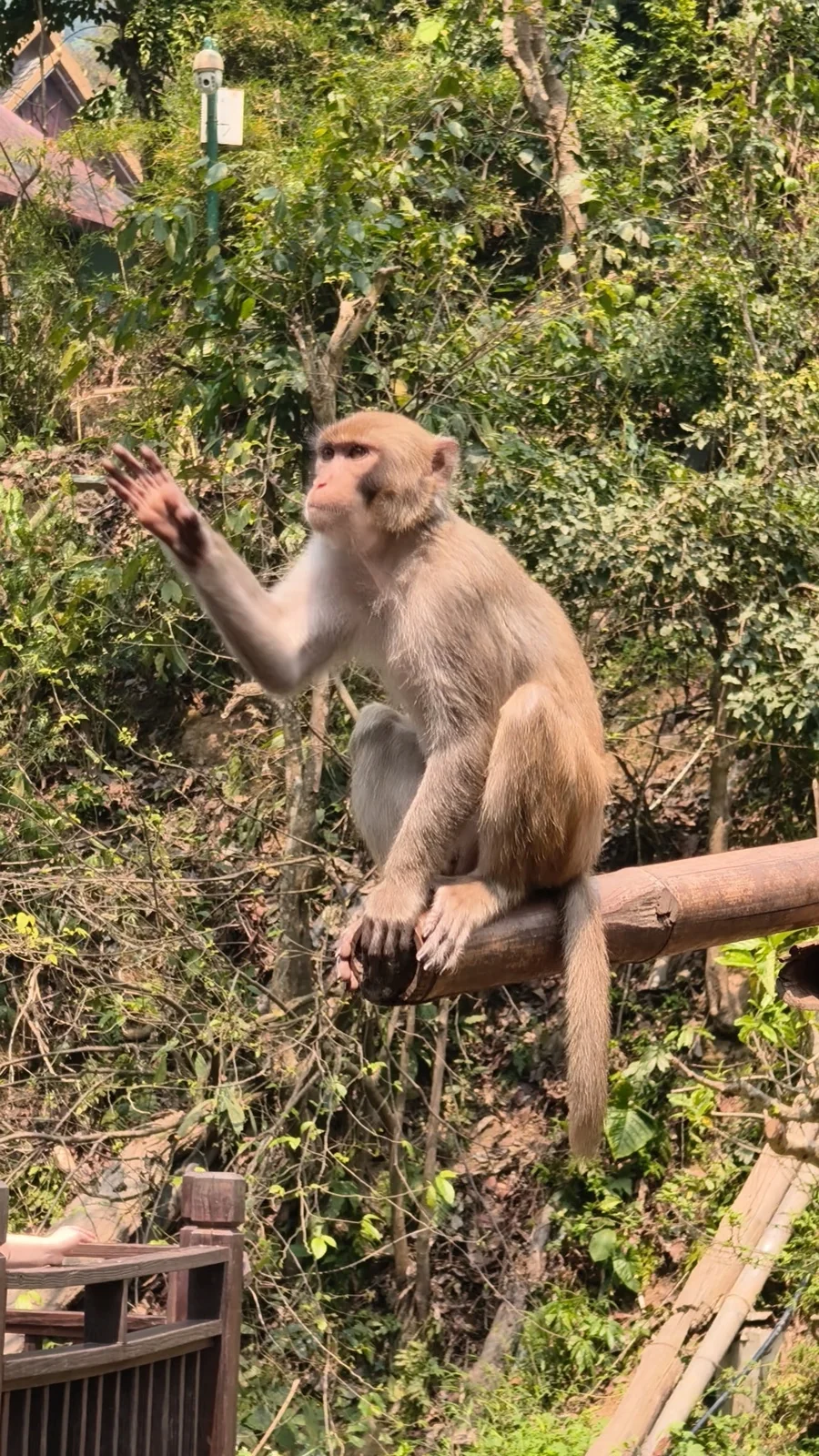
Unlike traditional zoos, there are no visible fences here. It feels more like wild macaques have naturally gathered due to long-term feeding.
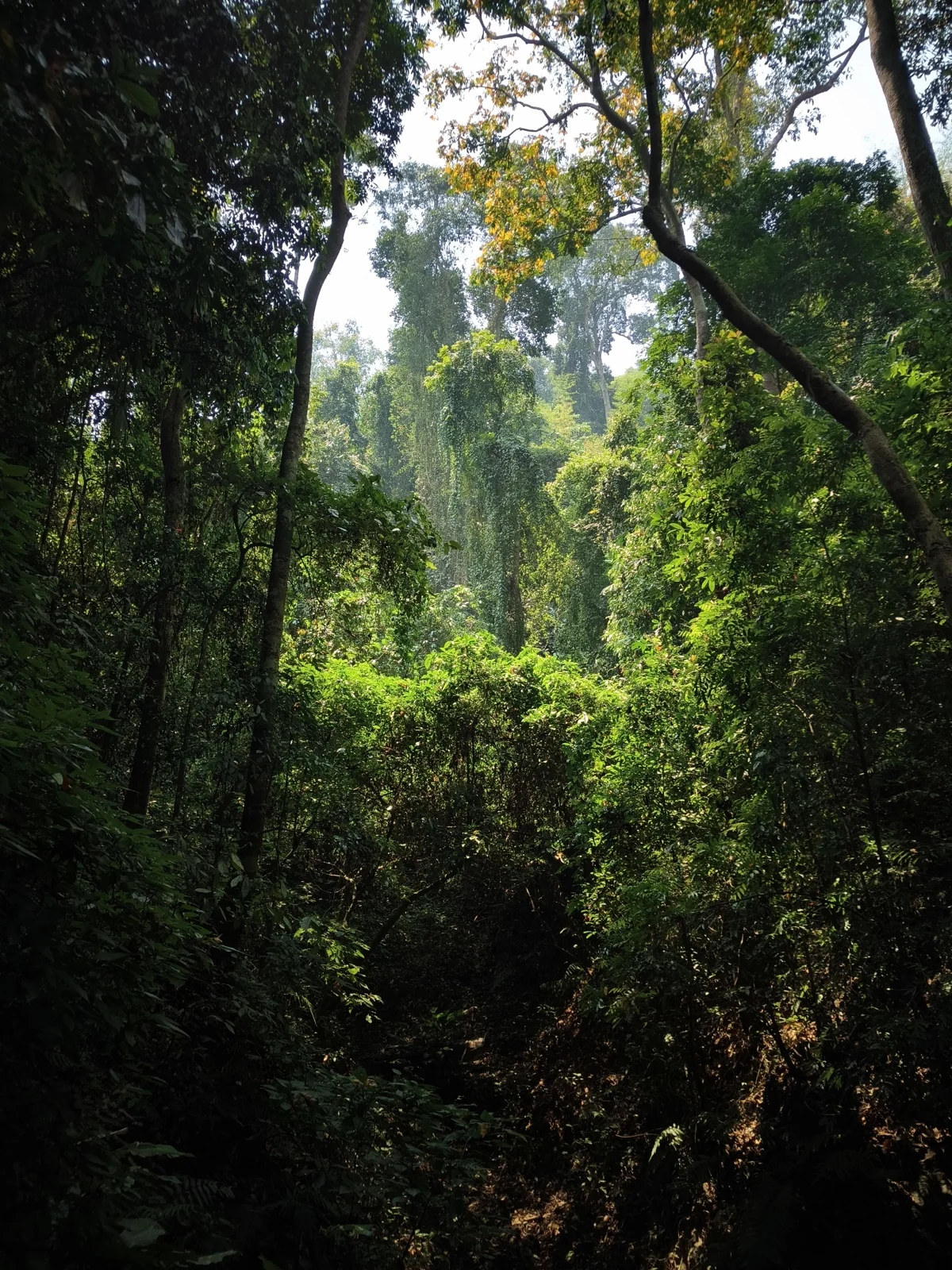
Further in lies the primeval forest loop, which eventually brings you back to the monkeys.
There’s also a paid jungle trekking course, but the minimum age is six, so my daughter couldn’t participate yet.
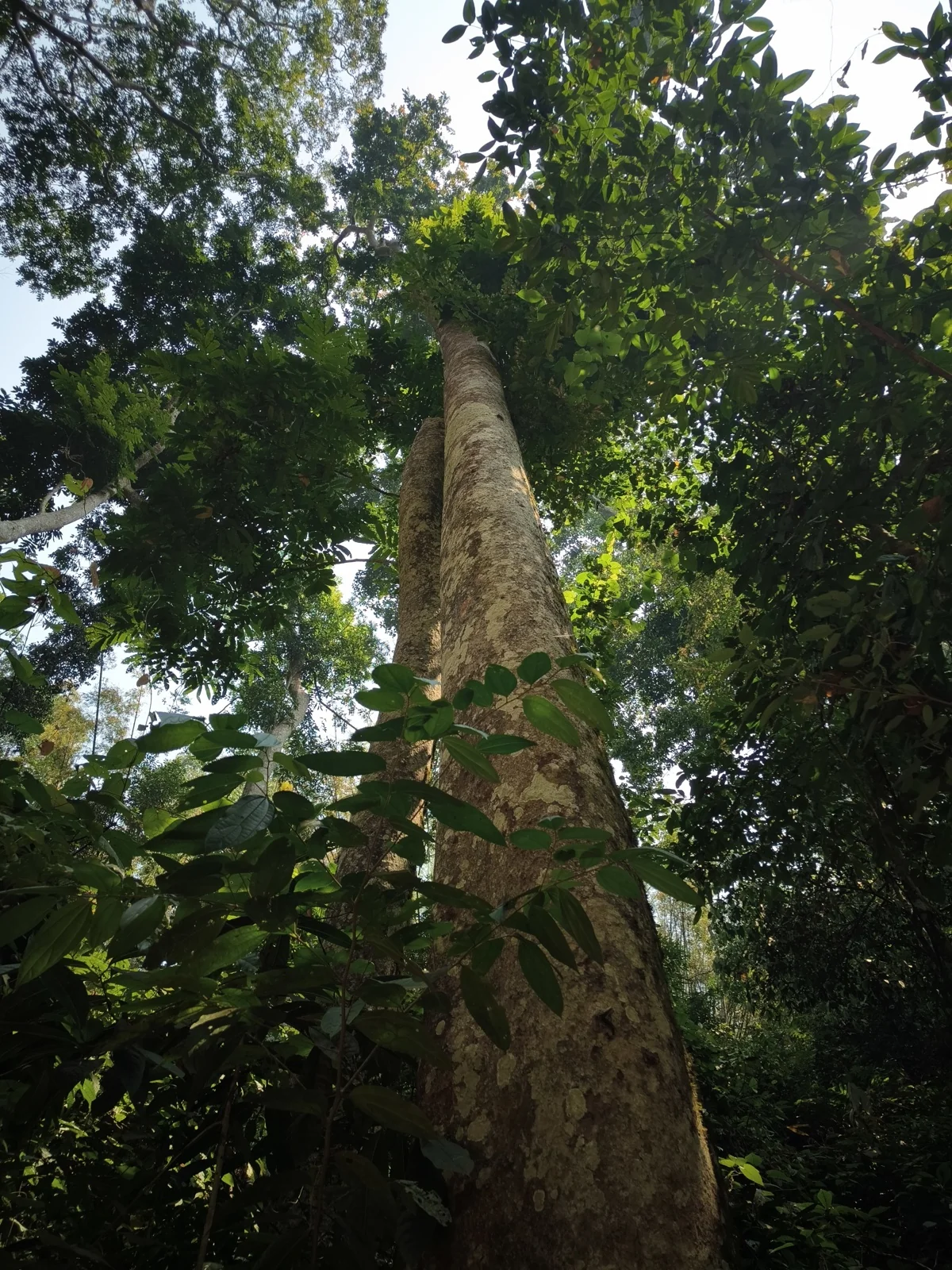
This rainforest is worlds apart from the woods back in Zhejiang. Thanks to abundant sunlight and rainfall, the vegetation is hyper-dense. Fierce competition forces trees to grow straight up; their trunks remain bare while all the foliage clusters high up in the canopy.
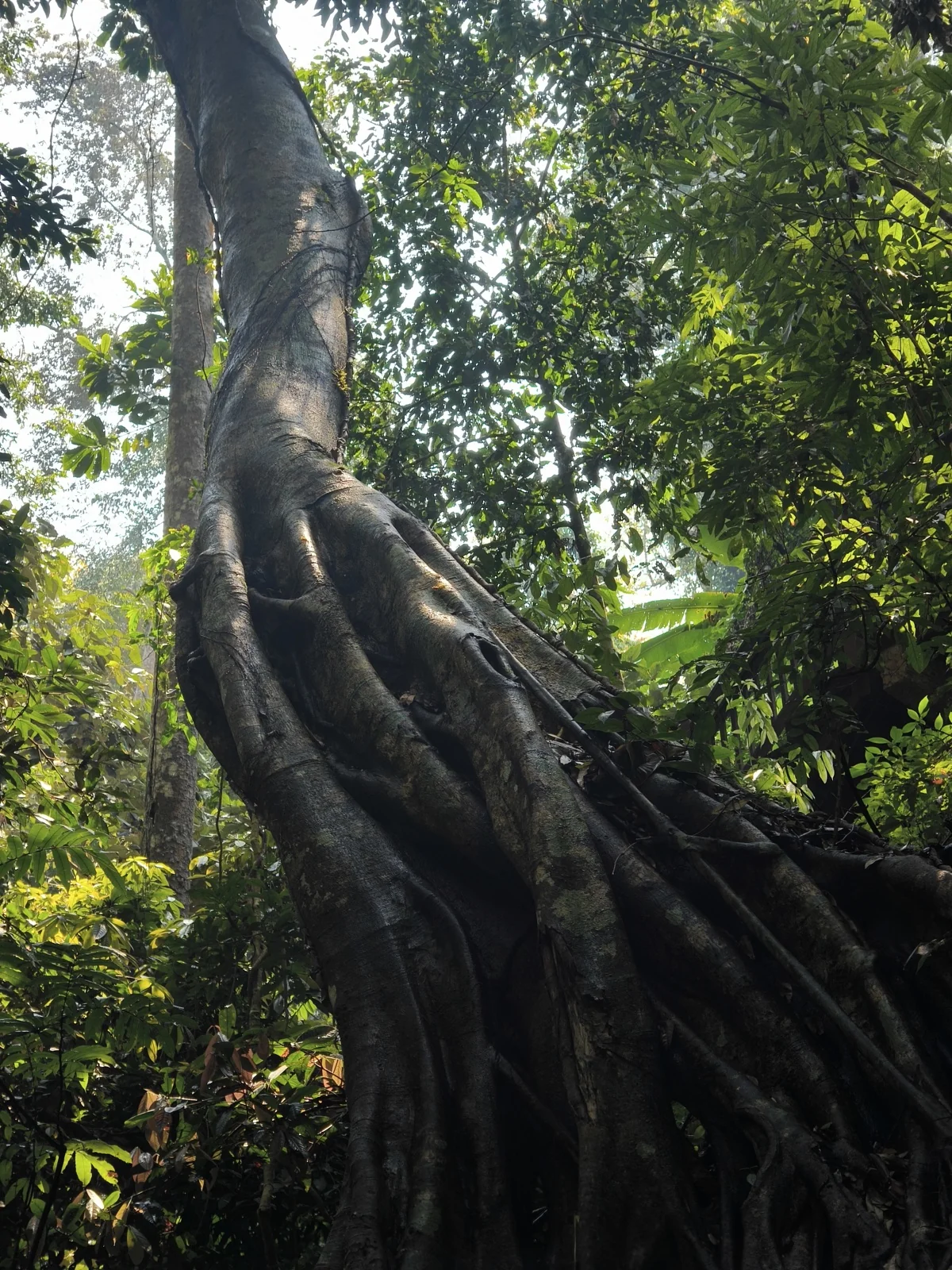
To support their massive weight and absorb surface water, these giants develop extensive root systems that boldly break through the soil. One root structure even looked exactly like a peacock’s flowing dress.
Undergrowth plants have their own survival tactics, evolving massive leaves to capture whatever sunlight trickles down. One banana leaf was larger than my daughter.
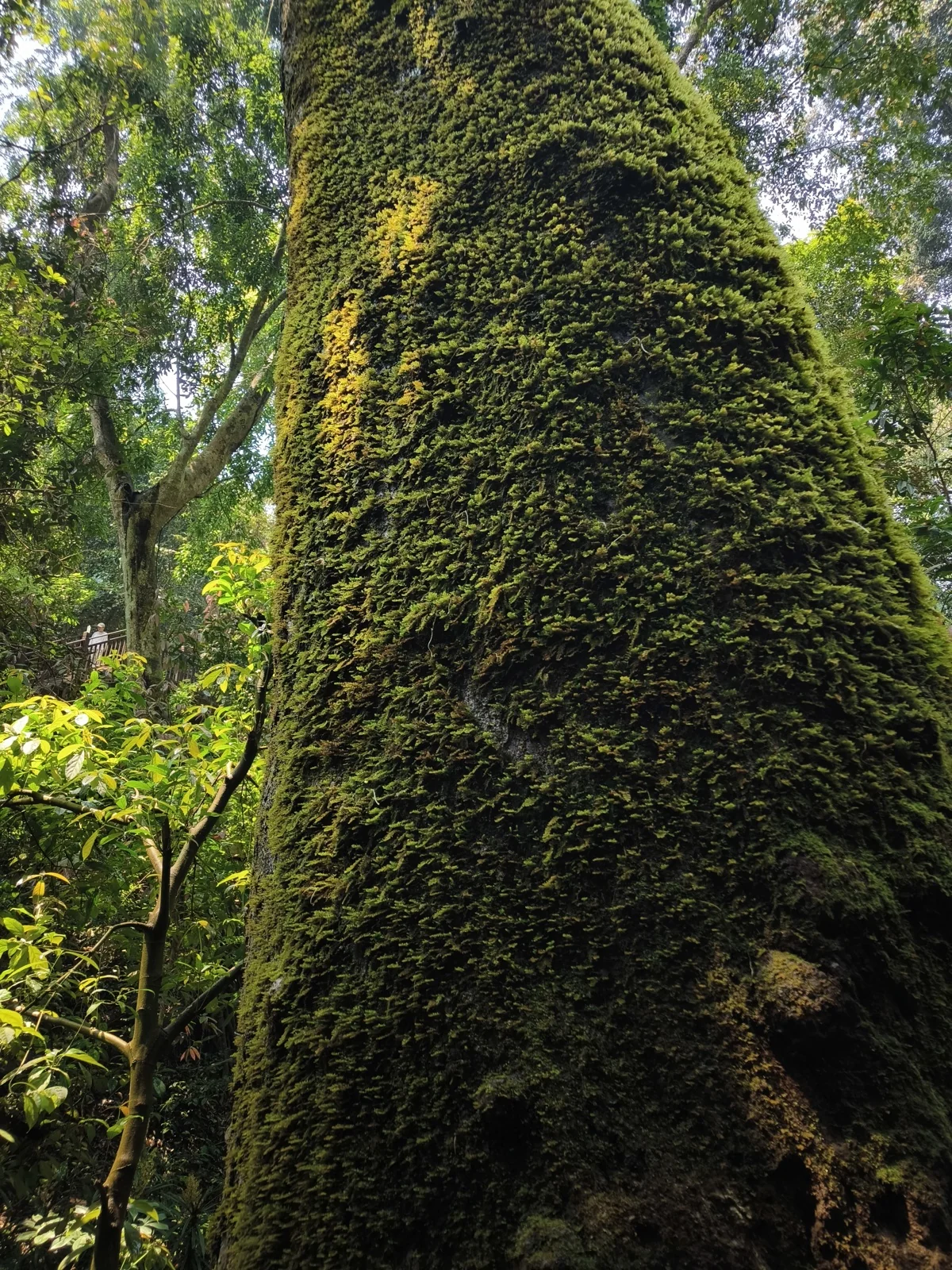
Even rough-barked trees are completely overrun by moss, wasting zero surface area. Despite the sunny weather, the rainforest is so humid that you can see water constantly dripping from the moss even at high noon.
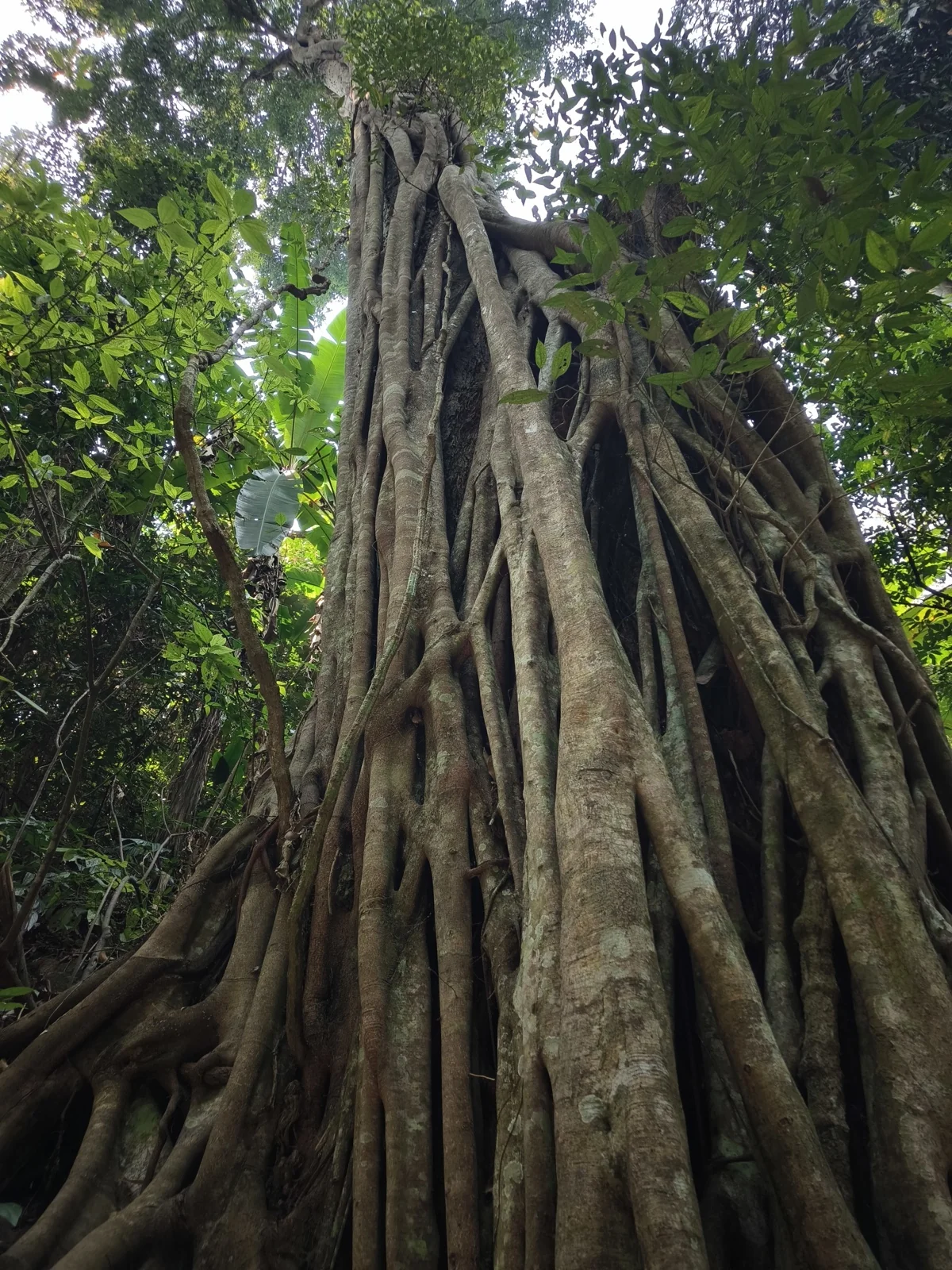
The strangler fig is a quintessential feature of Xishuangbanna’s rainforest—a brutal display of botanical usurpation.
We all know banyan trees create their own mini-forests by dropping aerial roots that turn into new trunks. But do those aerial roots serve a purpose before hitting the dirt?
I used to think they didn’t, assuming the main tree supplied all the nutrients. However, a strangler fig’s aerial roots must function independently. Its seeds are deposited high in host trees via bird droppings, germinating in the humus of branch crevices. The aerial roots extract moisture directly from the air as they descend. Once they strike soil, they explode in growth, rapidly transforming into a fully grounded plant and thickening their exposed vines into massive wooden cages.
Often, multiple strangler figs colonize a single host, wrapping it from top to bottom, starving it of light and water. If their growing roots chafe against each other and expose their inner tissues, they can even fuse together, sharing water and nutrients in a process called “natural grafting.” Eventually, the host tree rots away inside, leaving the massive, hollow strangler fig complex standing in its place.
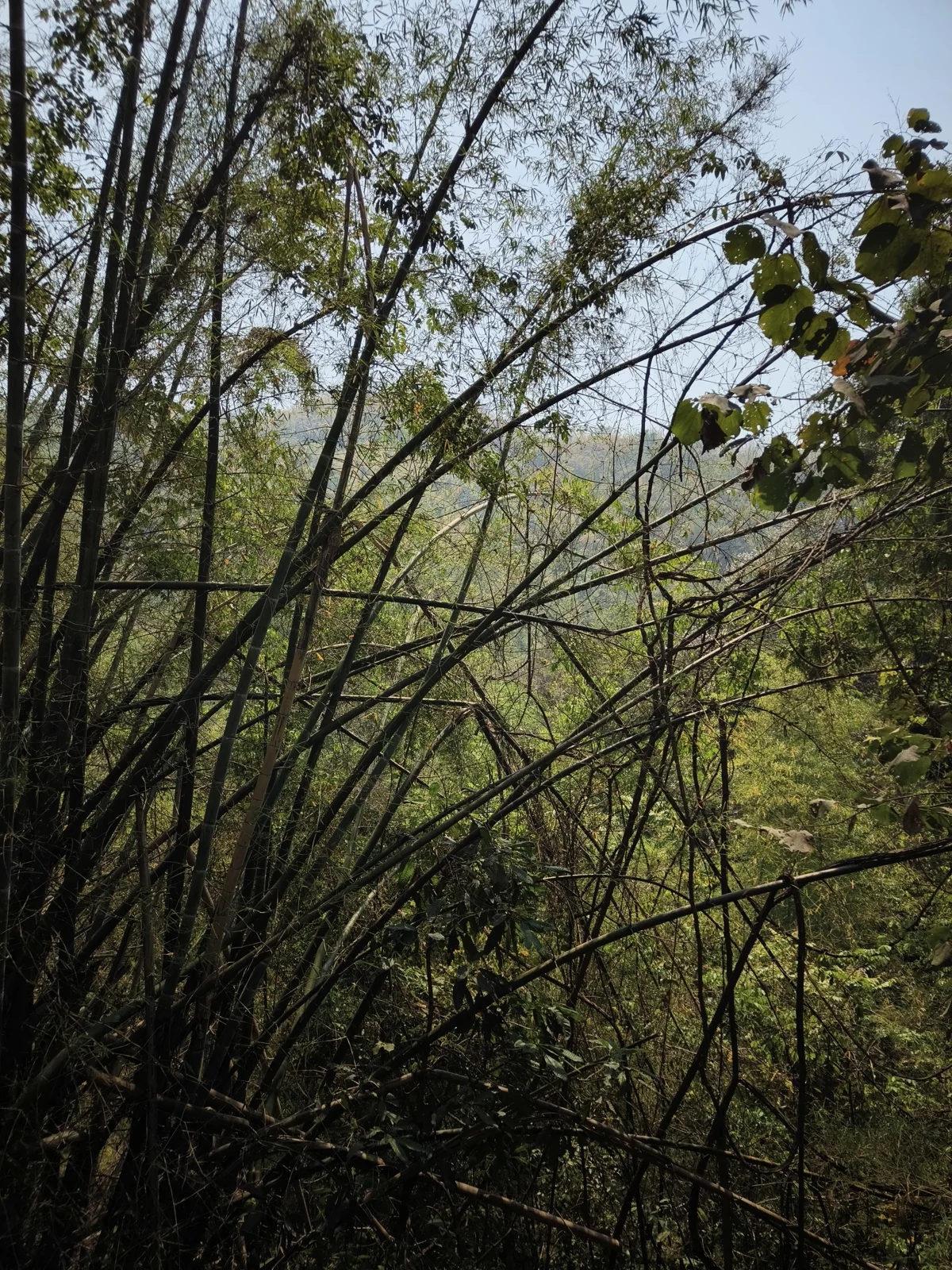
It’s not just the figs. Relentless vines creep everywhere, easily snapping thick bamboo. The flora here is ruthless, crushing competitors to claim dominance.
Next time you hear the phrase “law of the jungle,” don’t picture a polite, temperate forest—picture this tropical battlefield.
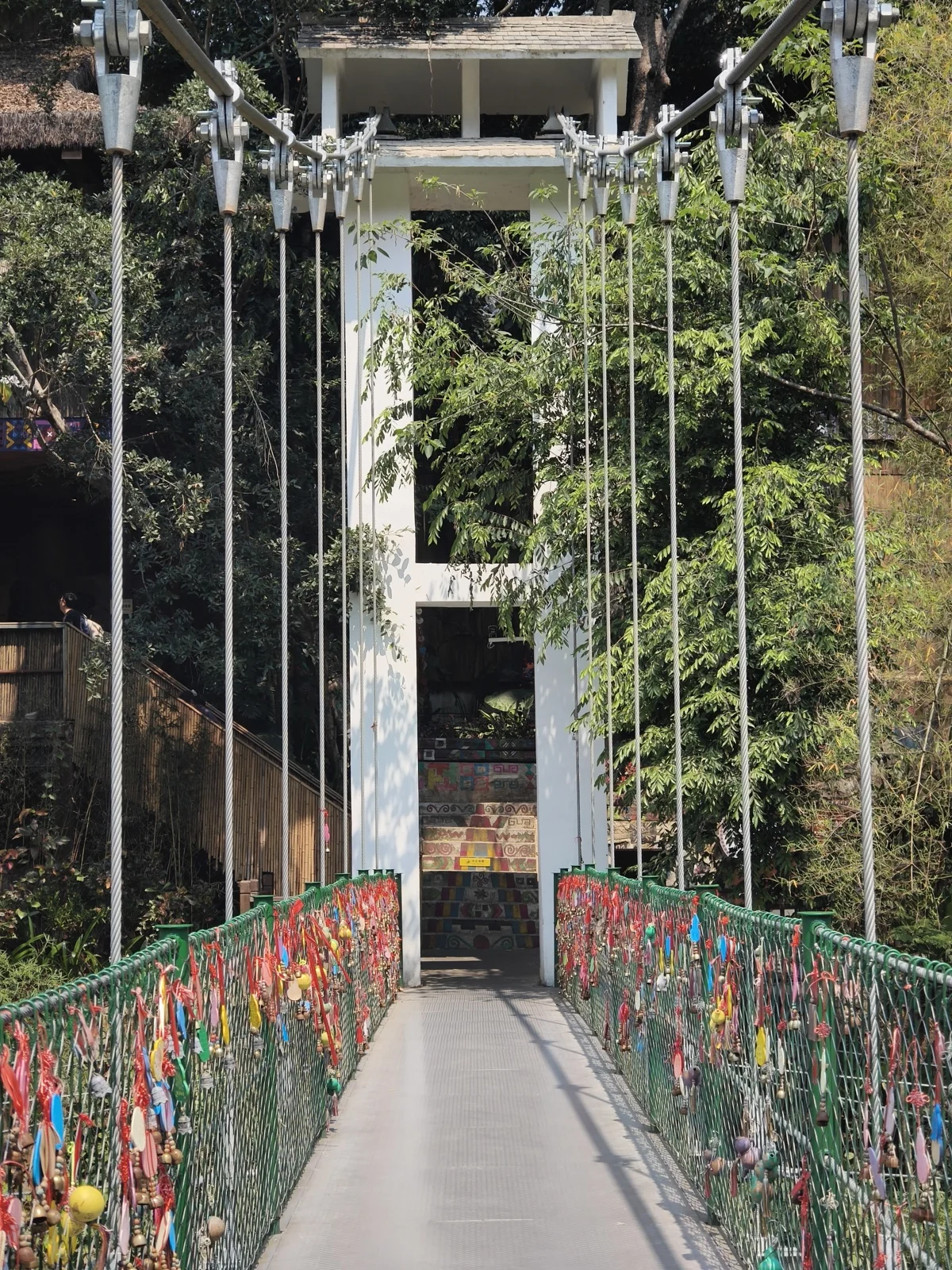
Leaving the rainforest zone, we crossed a suspension bridge into Aini Village.
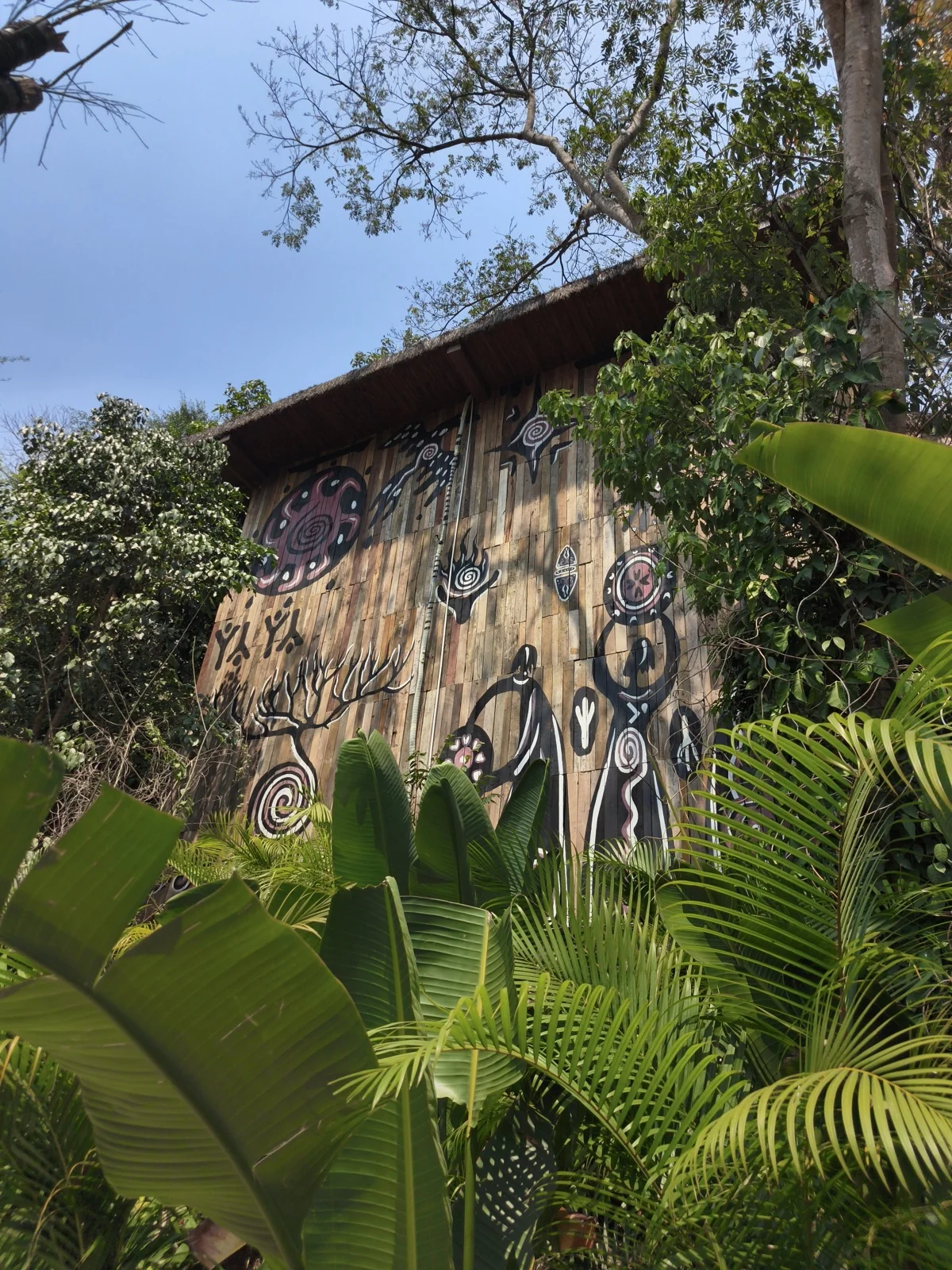
The Hani people call themselves Aini, and this area showcases their culture through exhibits, artifact displays, and interactive dances. There’s also a somewhat out-of-place Dendrobium (orchid) pavilion.
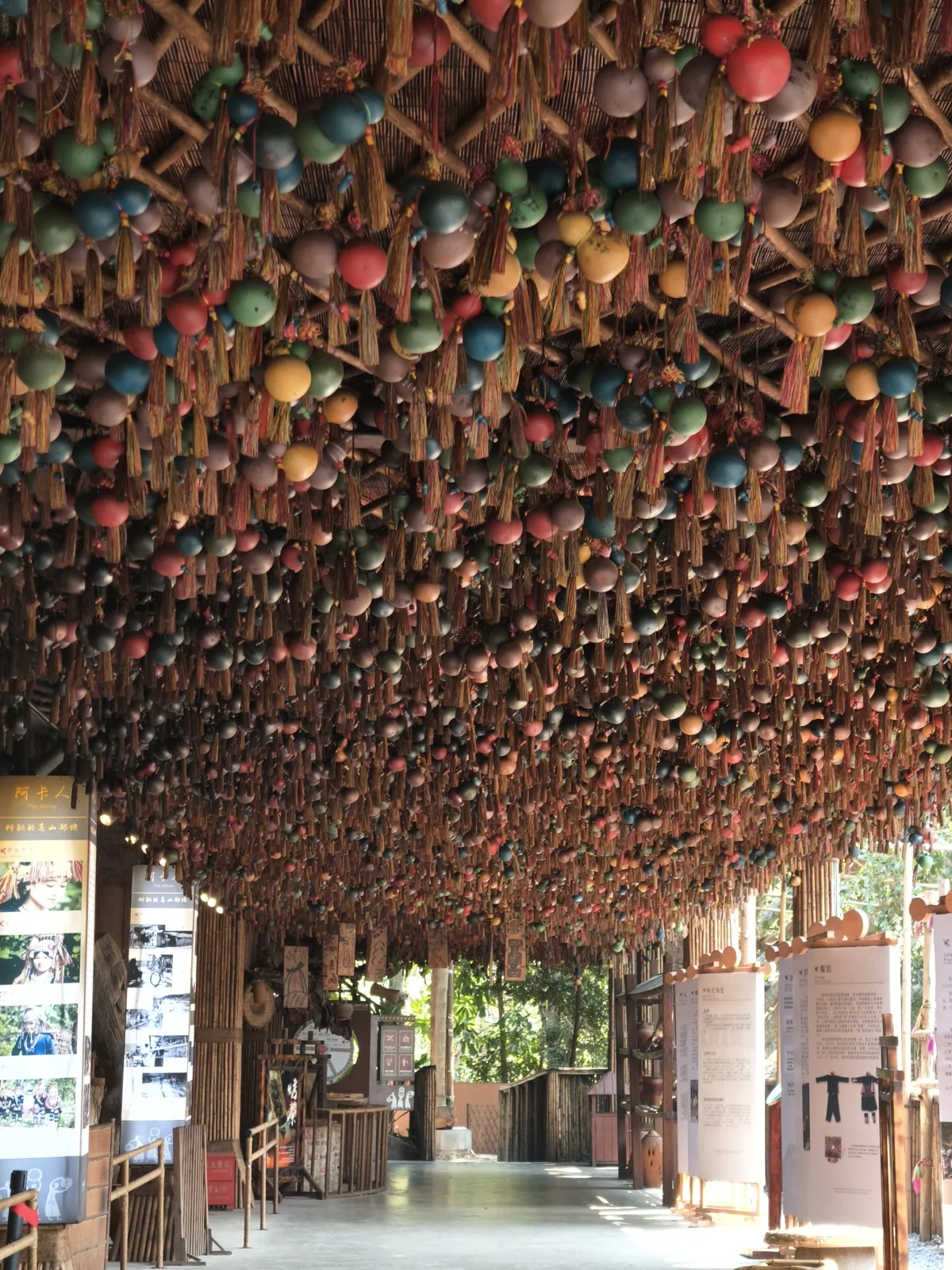
While browsing the cultural boards, I made a fascinating discovery: they have a calendar operating on a base-13 cycle. A prime number!
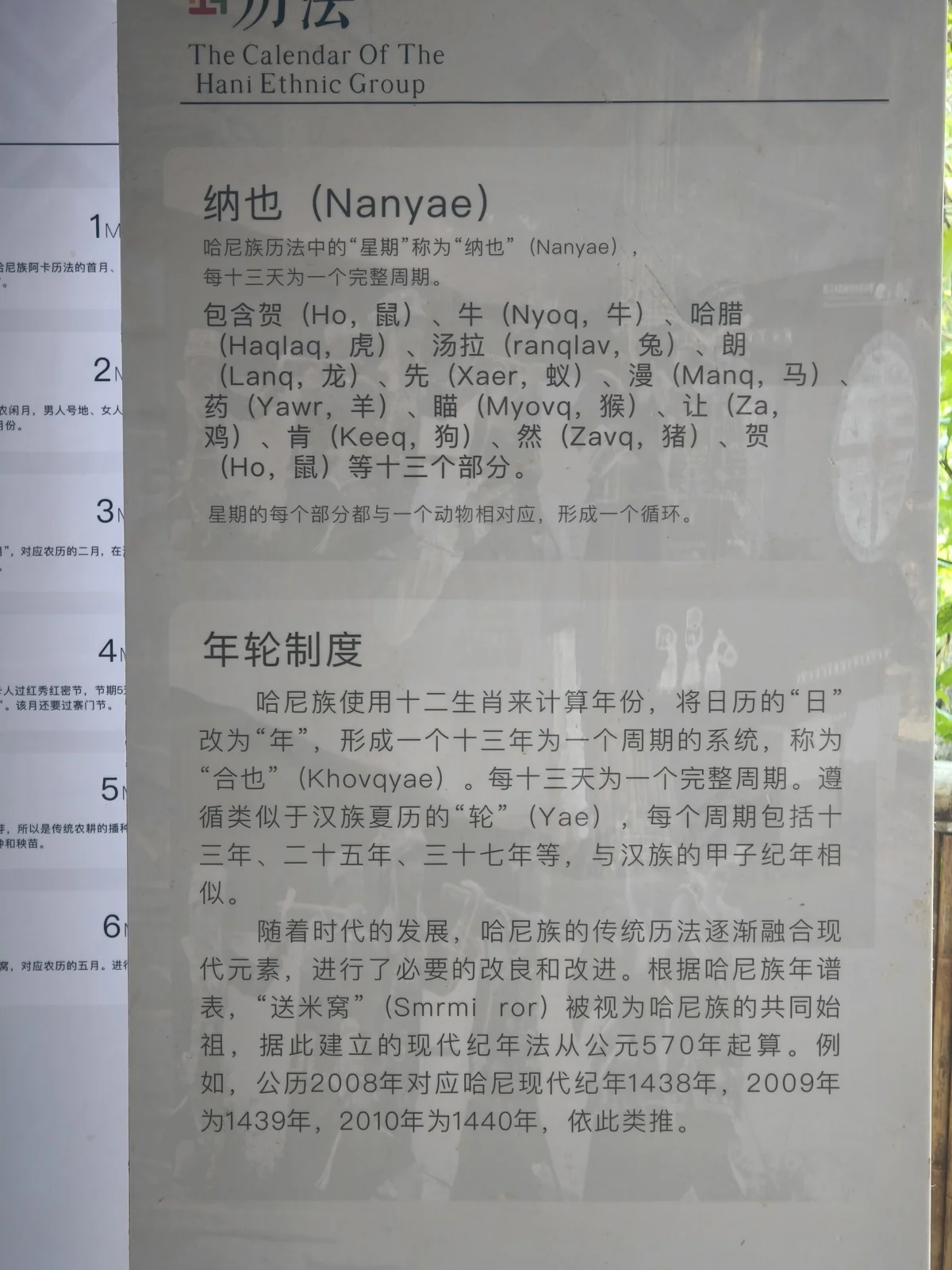
Our modern astronomical calendars trace back to the Babylonian base-12/60 systems. We count to 10 on our fingers, but they used their hands differently. If you use your right thumb to count the three joints on your other four fingers, you easily count to 12 on one hand. For every 12 on the right hand, you raise one finger on the left hand. Five fingers on the left times 12 equals 60. That’s the origin of our 60-minute hours and 12-sign zodiac.
So, seeing a base-13 system blew my mind since it lacks an obvious anatomical basis.
After digging deeper, I realized it’s not strictly a base-13 mathematical system. A 13-day cycle begins and ends with the “Rat.” This reflects the Hani philosophical view of cycles: a cycle must overlap with the start of the next one to signify renewal and continuity. It’s much like a musical scale (Do, Re, Mi, Fa, Sol, La, Ti)—there are only seven distinct notes, but we always sing the eighth “Do” to complete the octave.
The Hani still operate on a 12-zodiac daily loop. Further research revealed their main traditional calendar is actually a 10-month system inherited from the ancient Qiang people. A year is divided into 10 months of 36 days each (exactly three 12-animal cycles). The remaining 5 or 6 days are artificially inserted as “New Year days.” Ultimately, it’s still rooted in a 10/12 framework.
Leaving the exhibits, we headed upstairs to the Aini Village plaza.
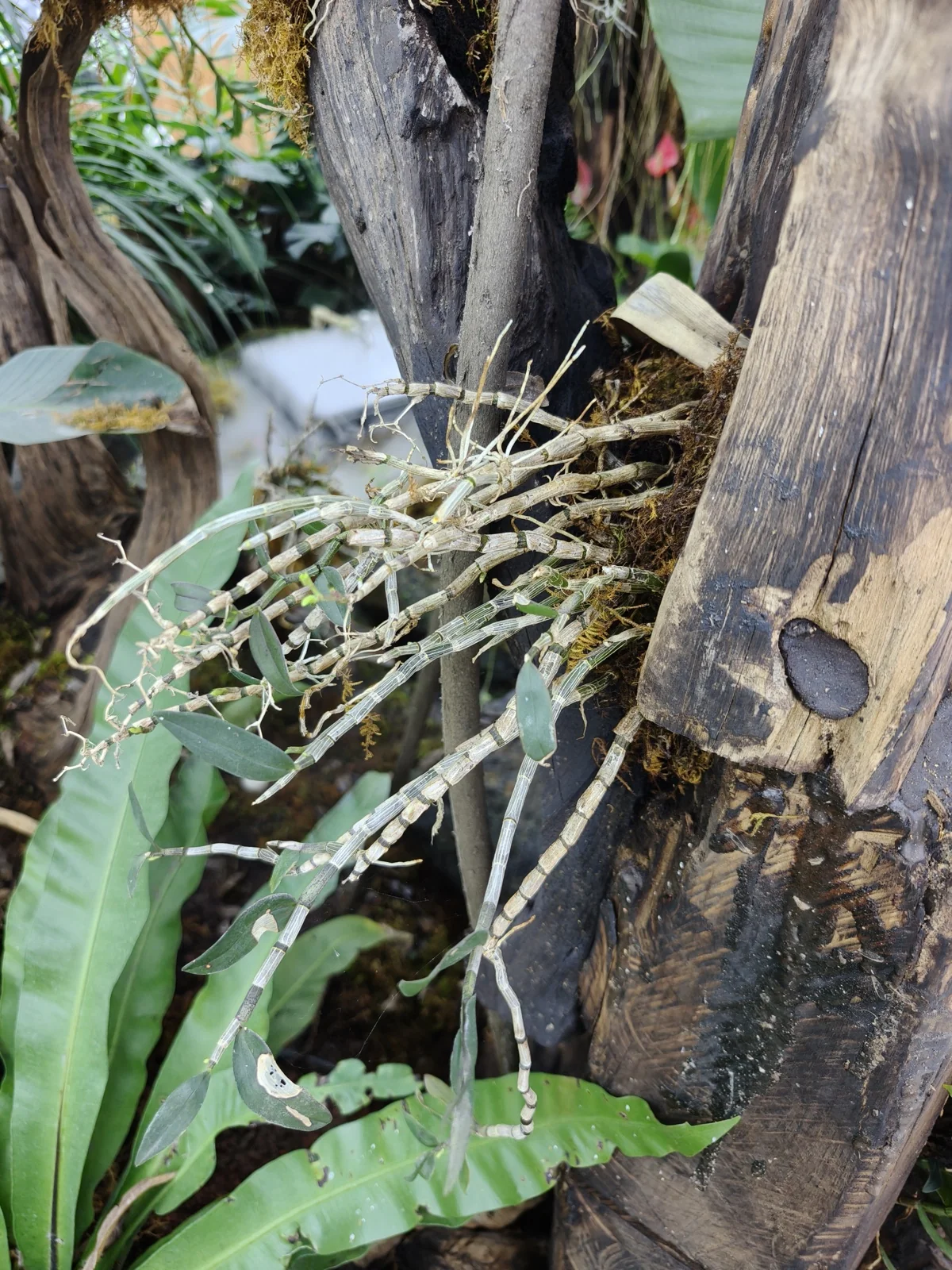
At one end was the Dendrobium pavilion, where I saw orchids growing directly on tree bark for the first time.
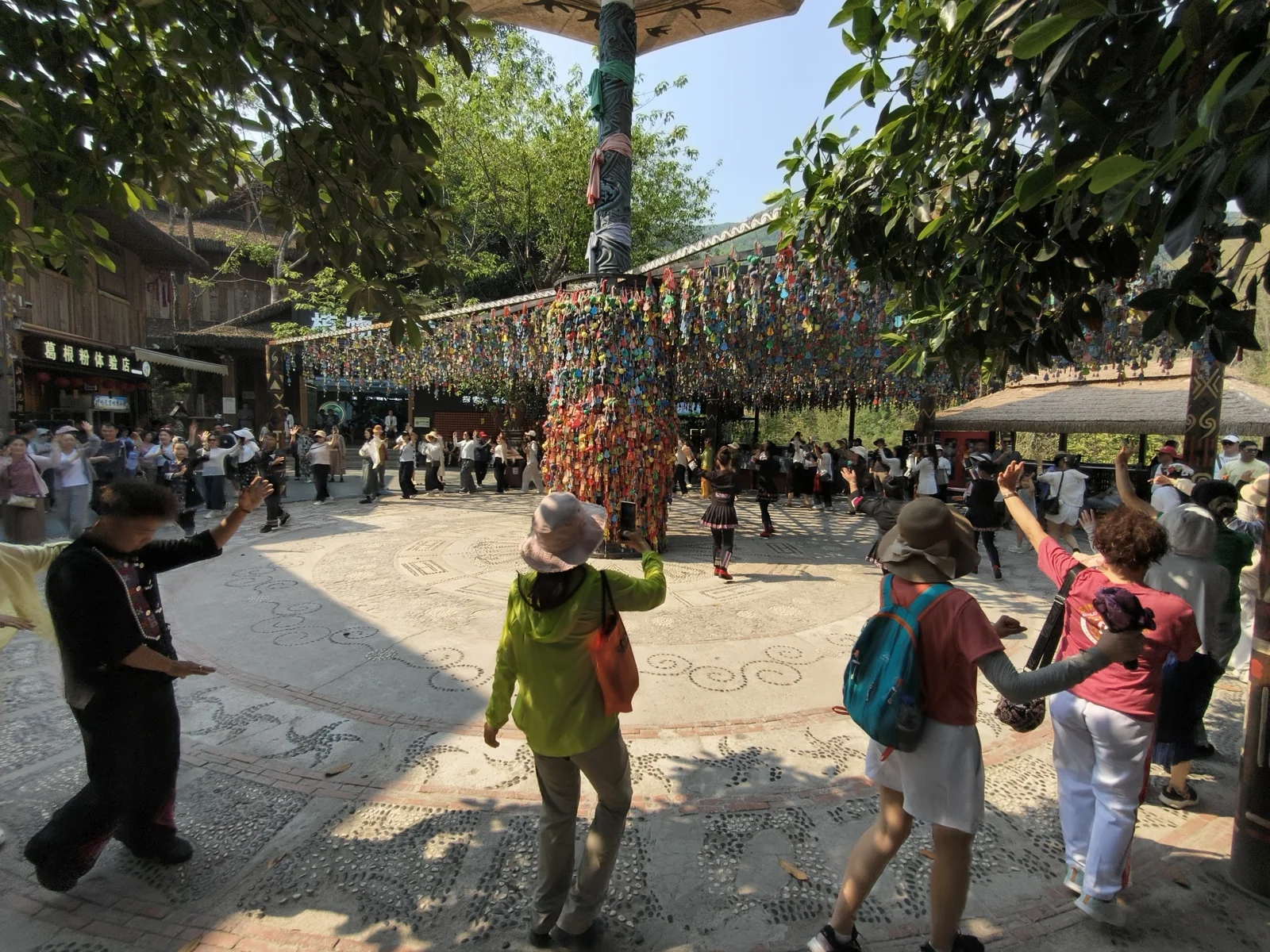
Visitors could join in on traditional bamboo-clapping and circle dances. Because many ethnic minorities in China share cultural roots, you’ll see variations of these dances across the Southwest.
We took the buggy back to Golden Lake for the peacock flight.
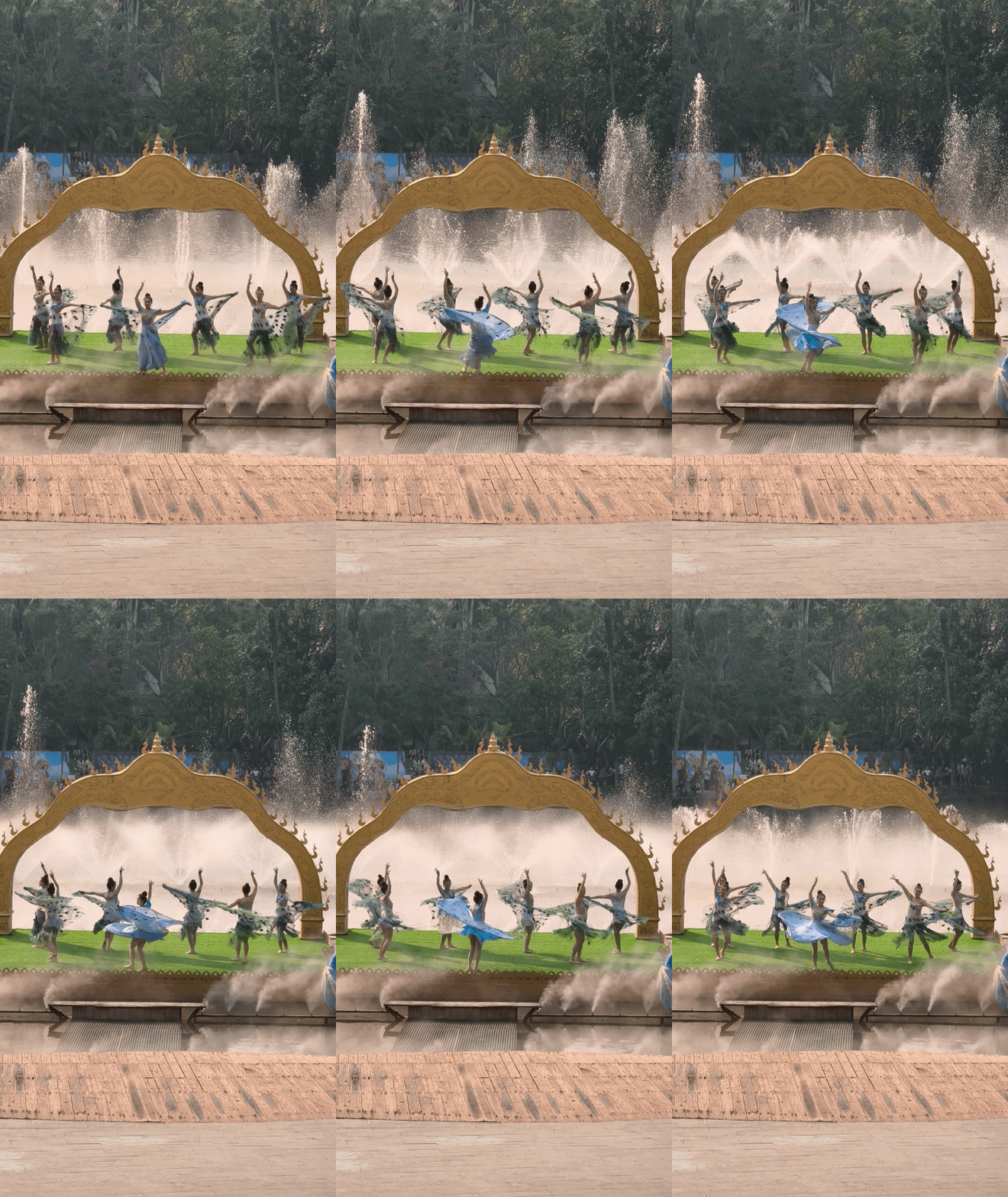
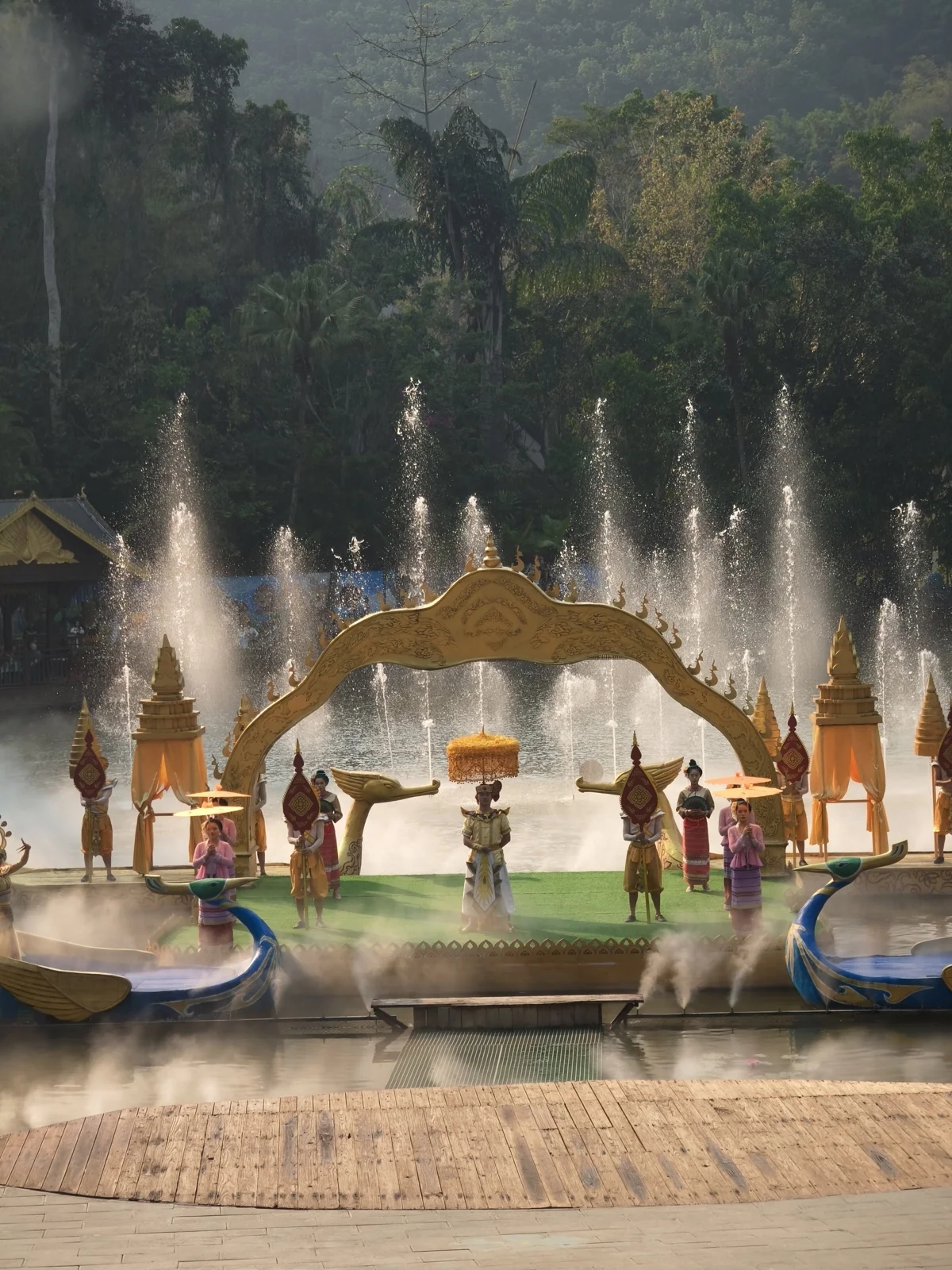
The event began with a lengthy over-water dance performance featuring themes like the Peacock Dance and the Dai King’s parade.
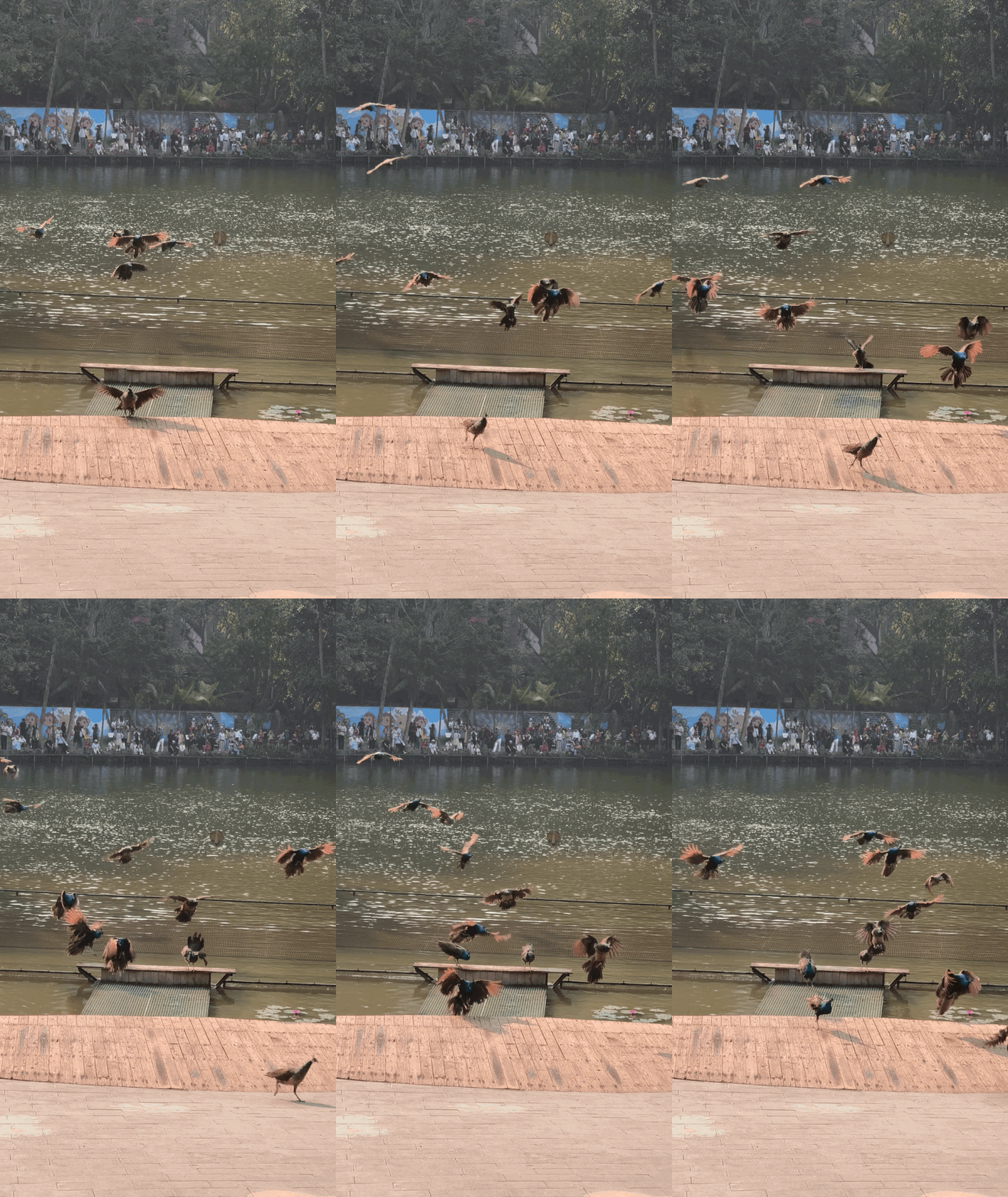
However, watching a massive flock of peacocks swoop down from the hills toward the stands was undeniably breathtaking.
Animal flight falls into three categories: powered flight, soaring, and gliding. Birds, bats, and insects use powered flight to actively overcome their weight. Eagles and albatrosses soar, utilizing thermal updrafts to stay aloft without flapping. Gliding is basically a controlled fall over a distance—which is what peacocks do. They can glide down from high places, but they have to walk back up.
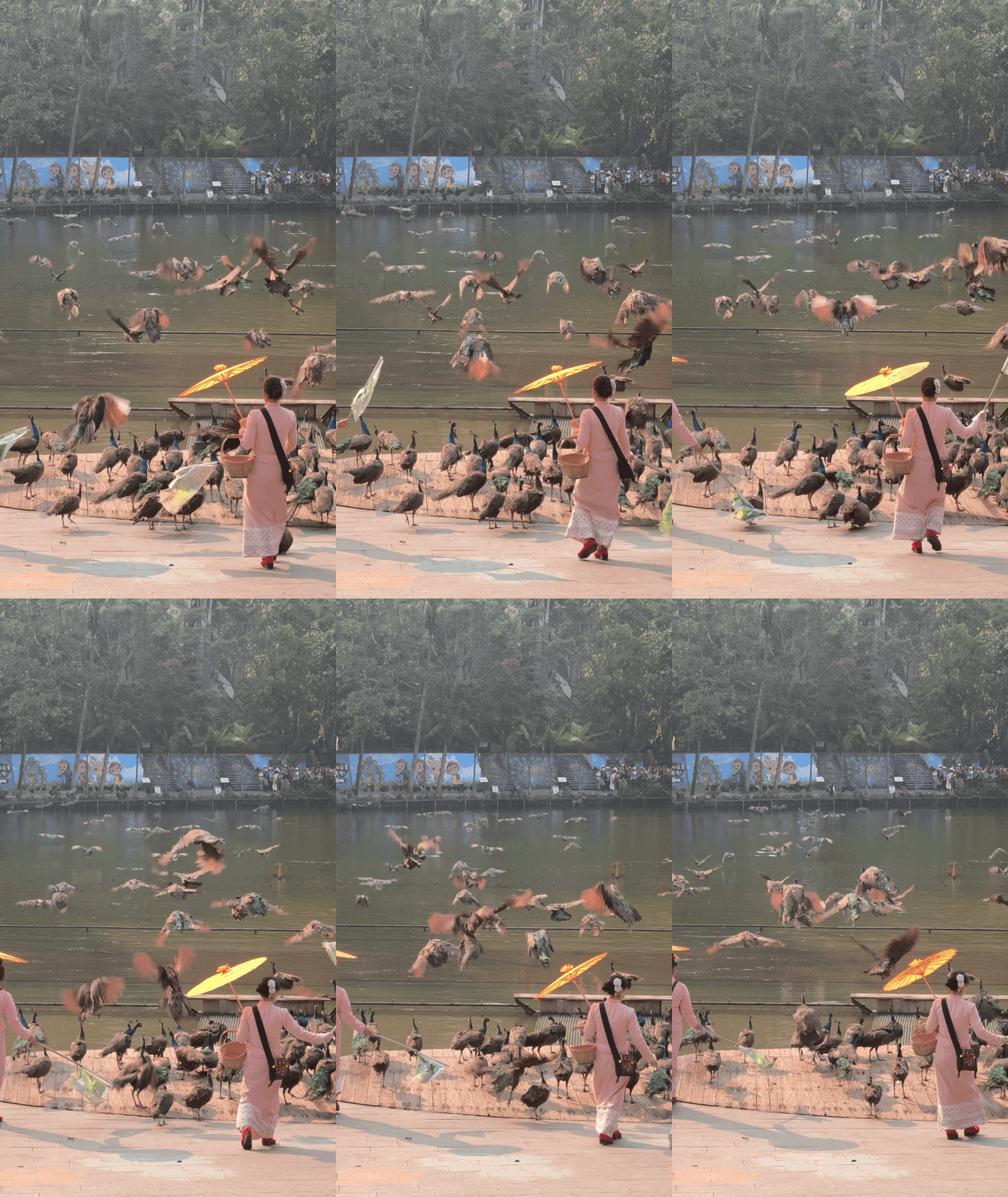
That said, they can easily clear this lake, which makes them far superior to chickens.
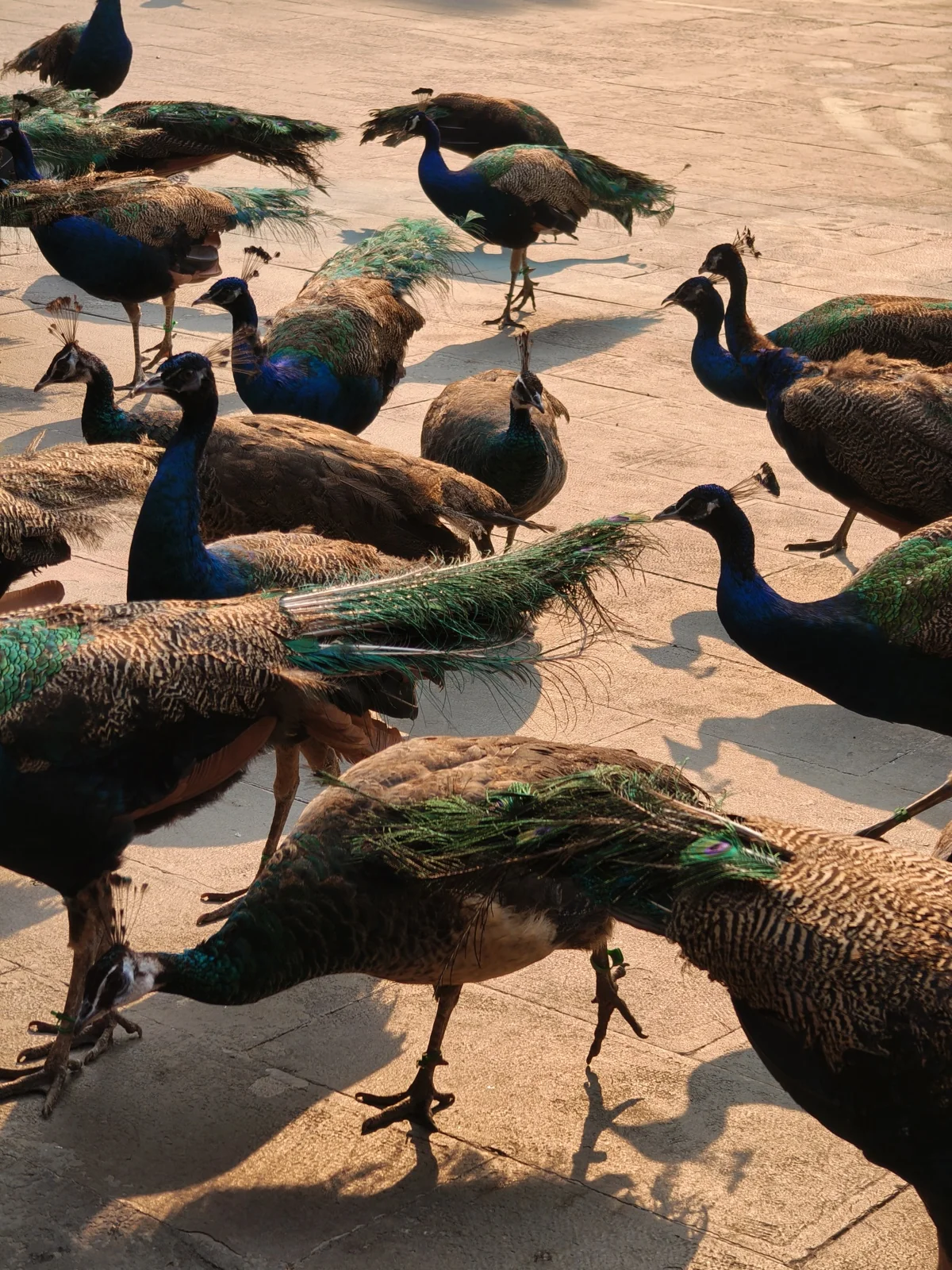
Afterward, there was a paid feeding session. My daughter had a blast. The peacocks’ cyan and blue plumage looked spectacular in the warm sunset light. Peacocks and elephants are undoubtedly the twin animal superstars of Banna.
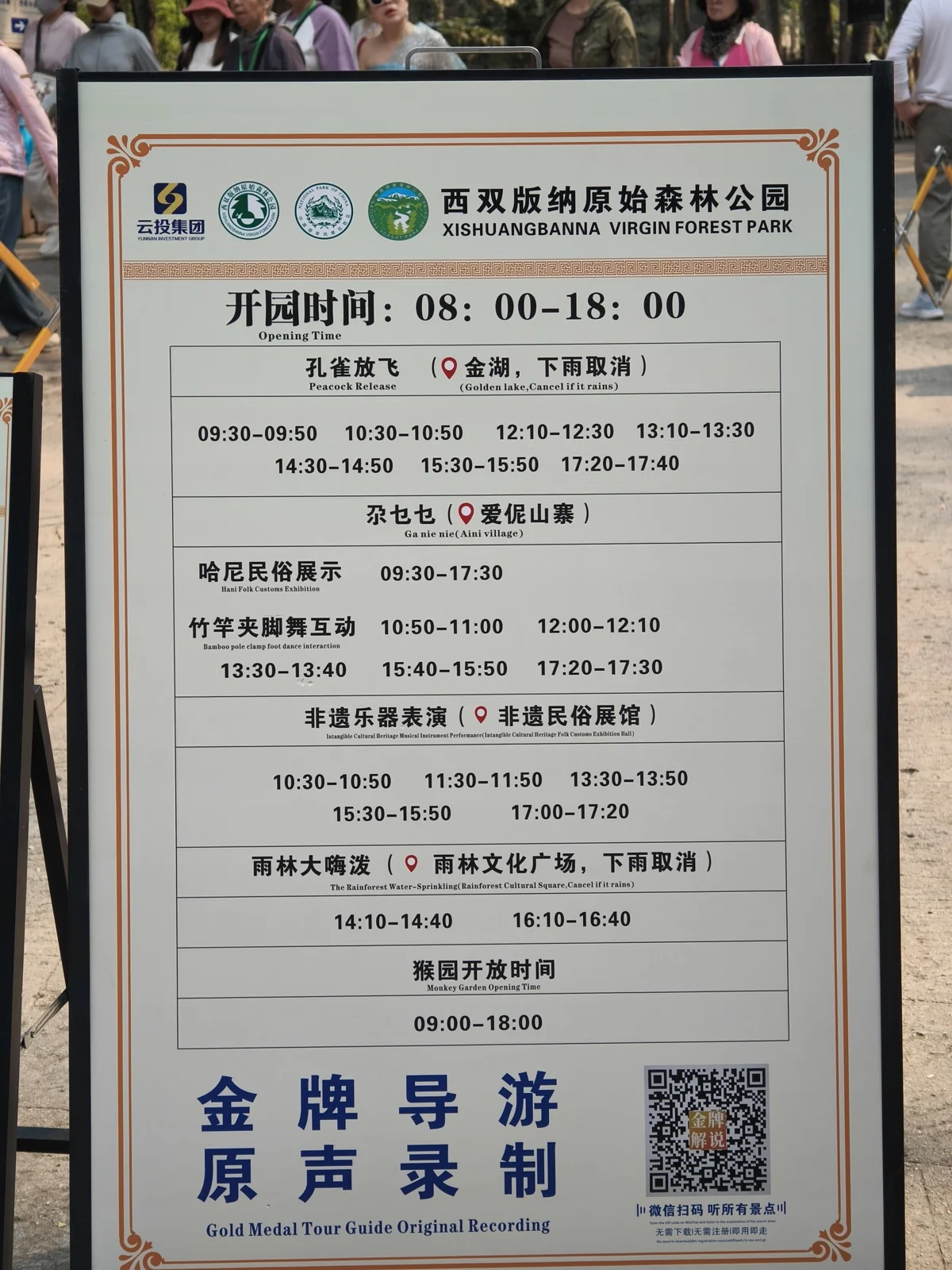
In hindsight, our itinerary here was flawed. I hadn’t checked the show schedules closely. The performances are highly overlapping; if you catch one, you automatically miss the others. This poor scheduling wasted over an hour and a half of our time just waiting around.
A smarter approach: catch a peacock flight right at the entrance, head straight to the rainforest (join the water splashing if interested), hit Aini Village, and then leave.
Gaozhuang and the Night Market
We grabbed a taxi to Gaozhuang and visited Wat Pha Sorn Kaew (the Grand Golden Stupa) after dinner.
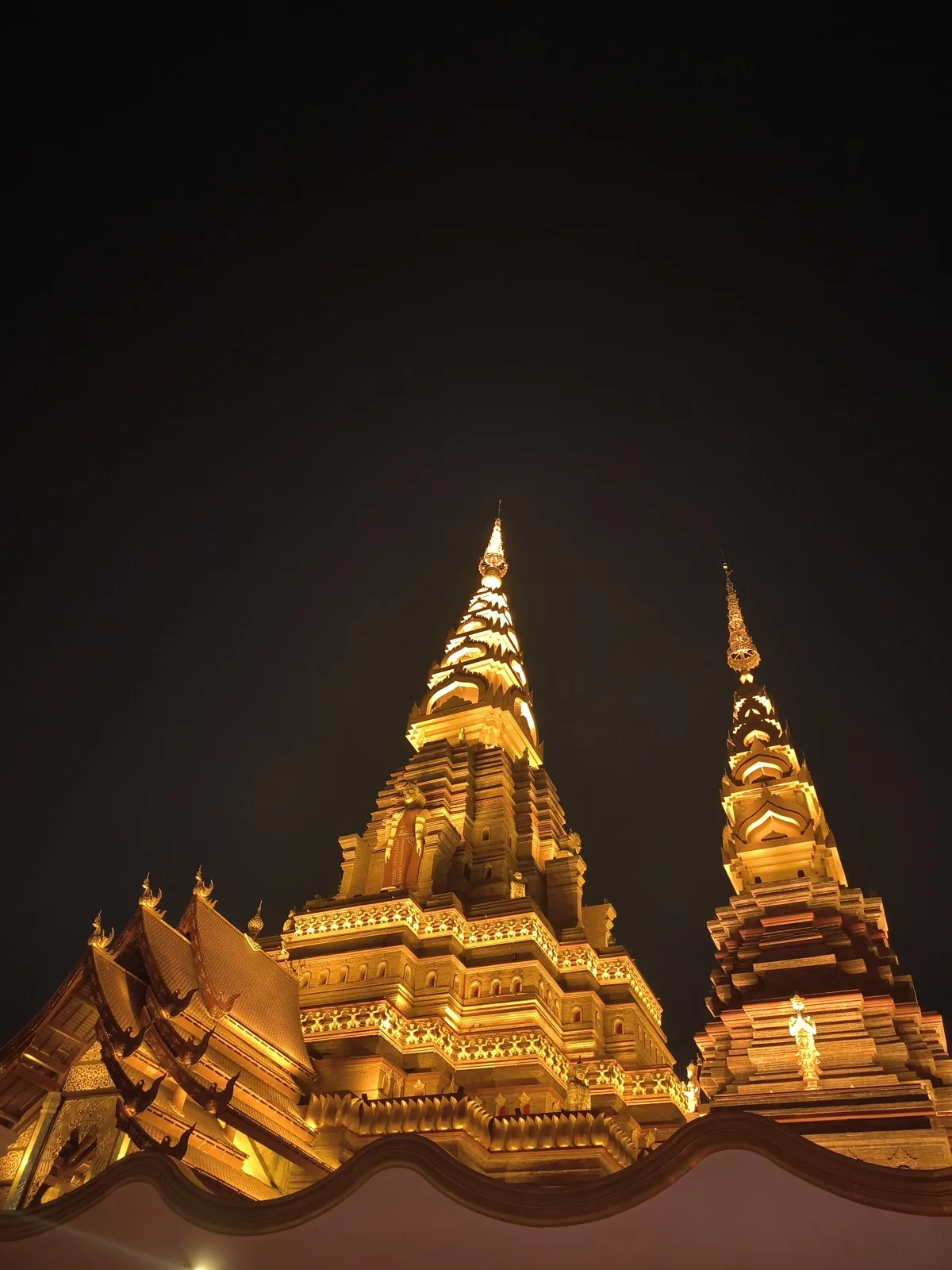
Completed in 2013, it’s a completely modern temple that gets a facelift every year.
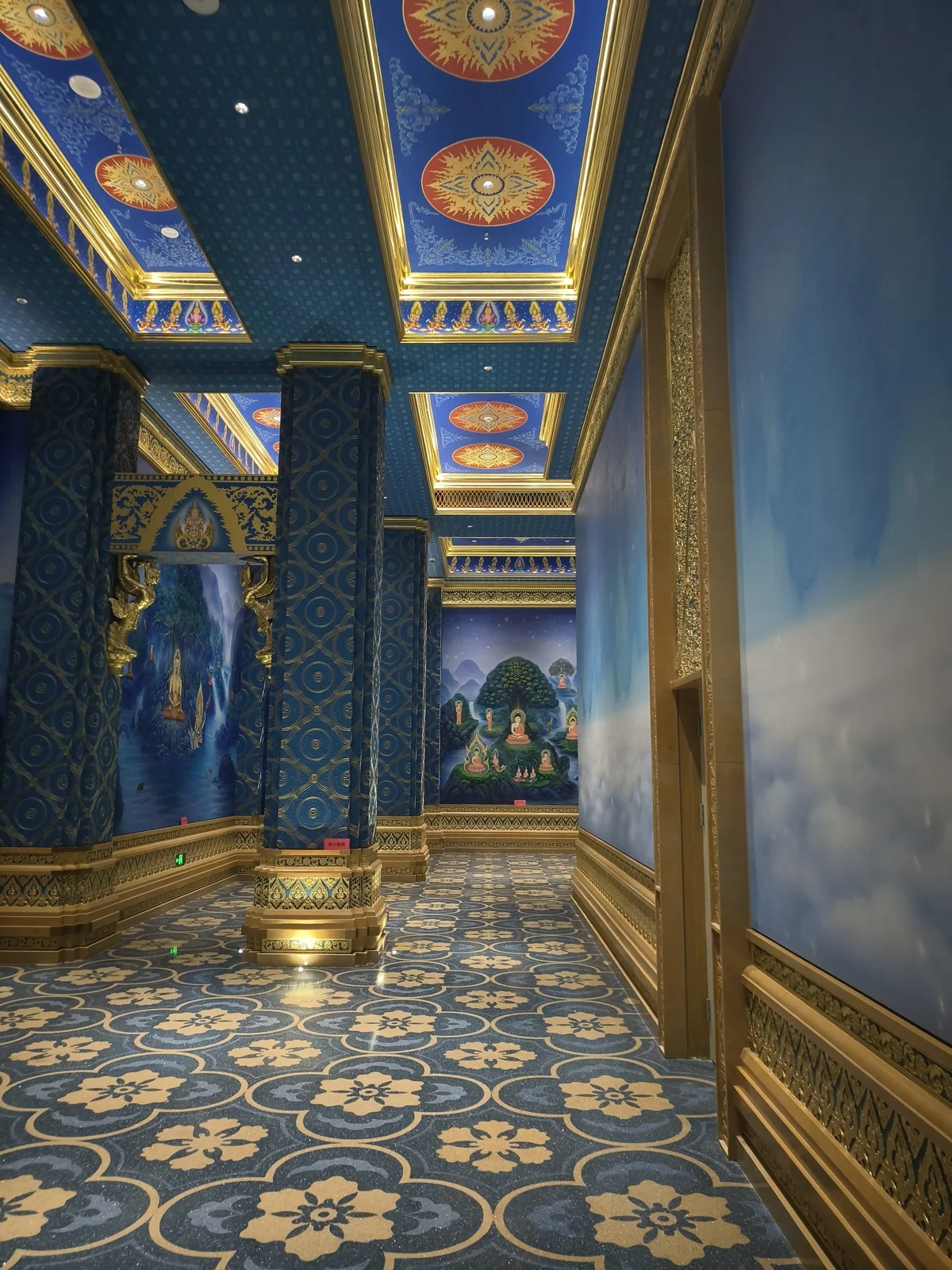
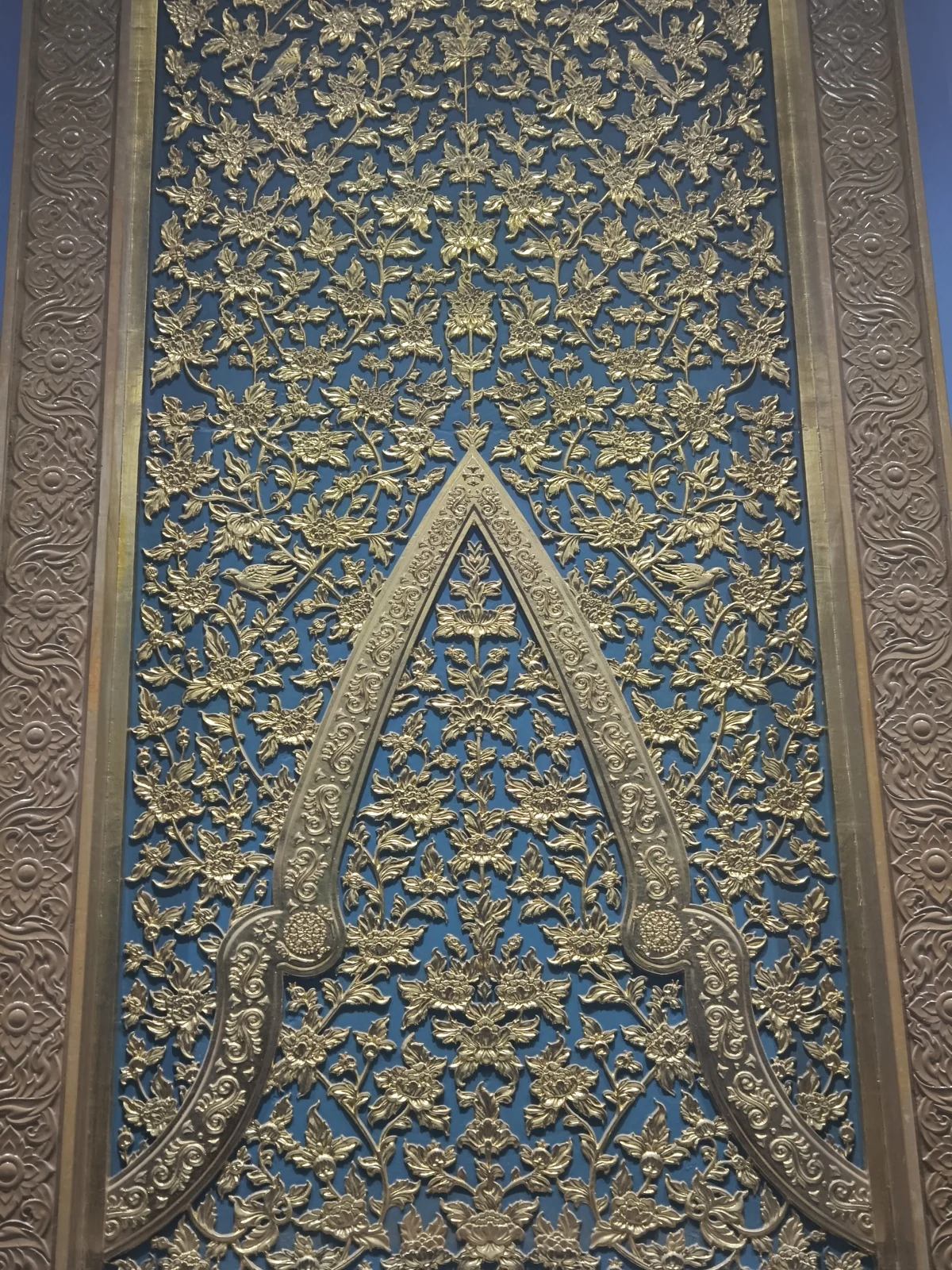
Free from historical constraints, the architects heavily integrated modern technology. The interior feels more like a luxury hotel than a traditional Theravada temple.
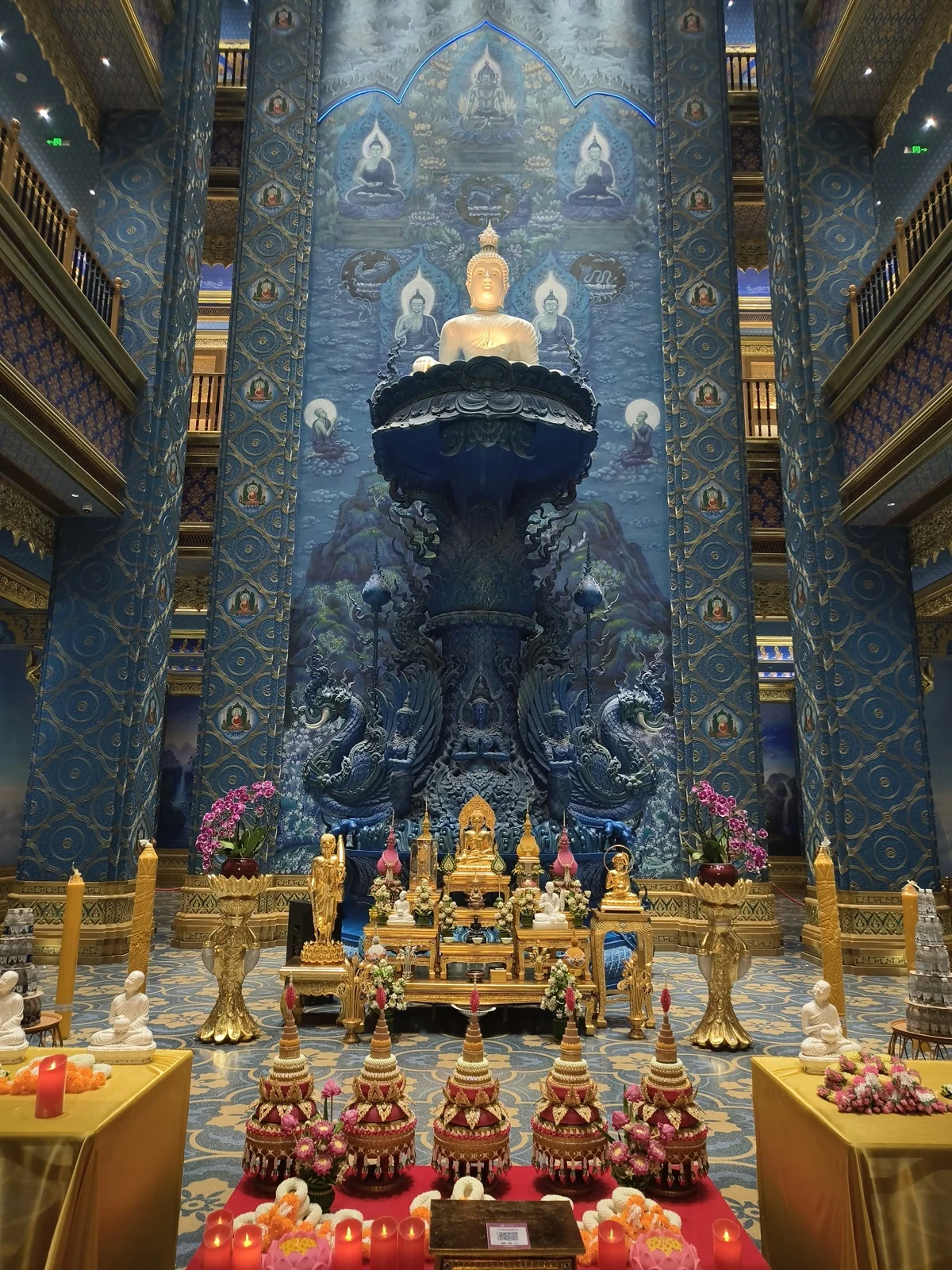
The extensive use of blue genuinely creates a serene, “pure land” atmosphere.
Being a modern structure, the lighting was clearly designed from the ground up. It looks best at night, so coming after dark was a huge win.
(A gallery of stunning night shots follows)
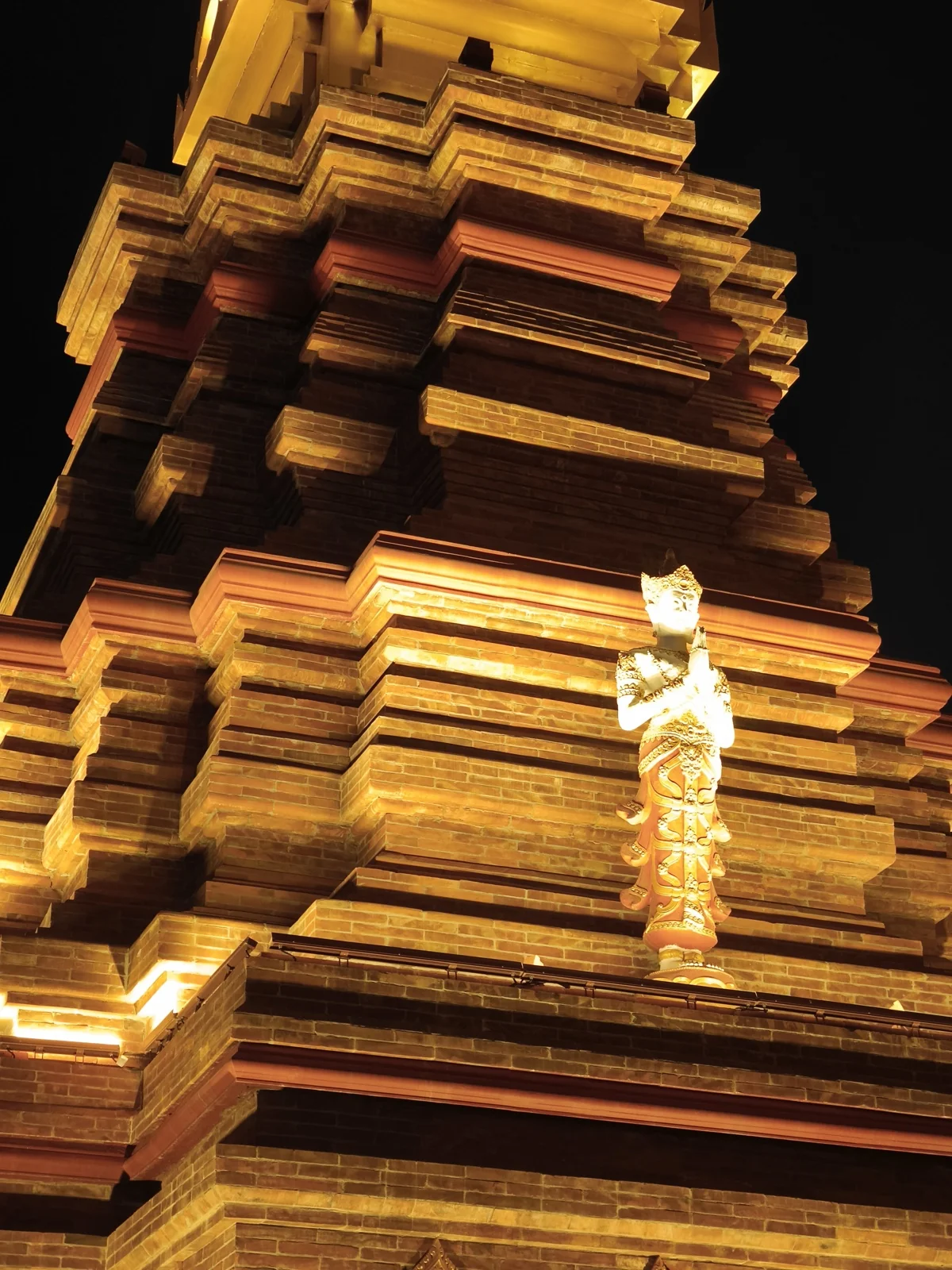
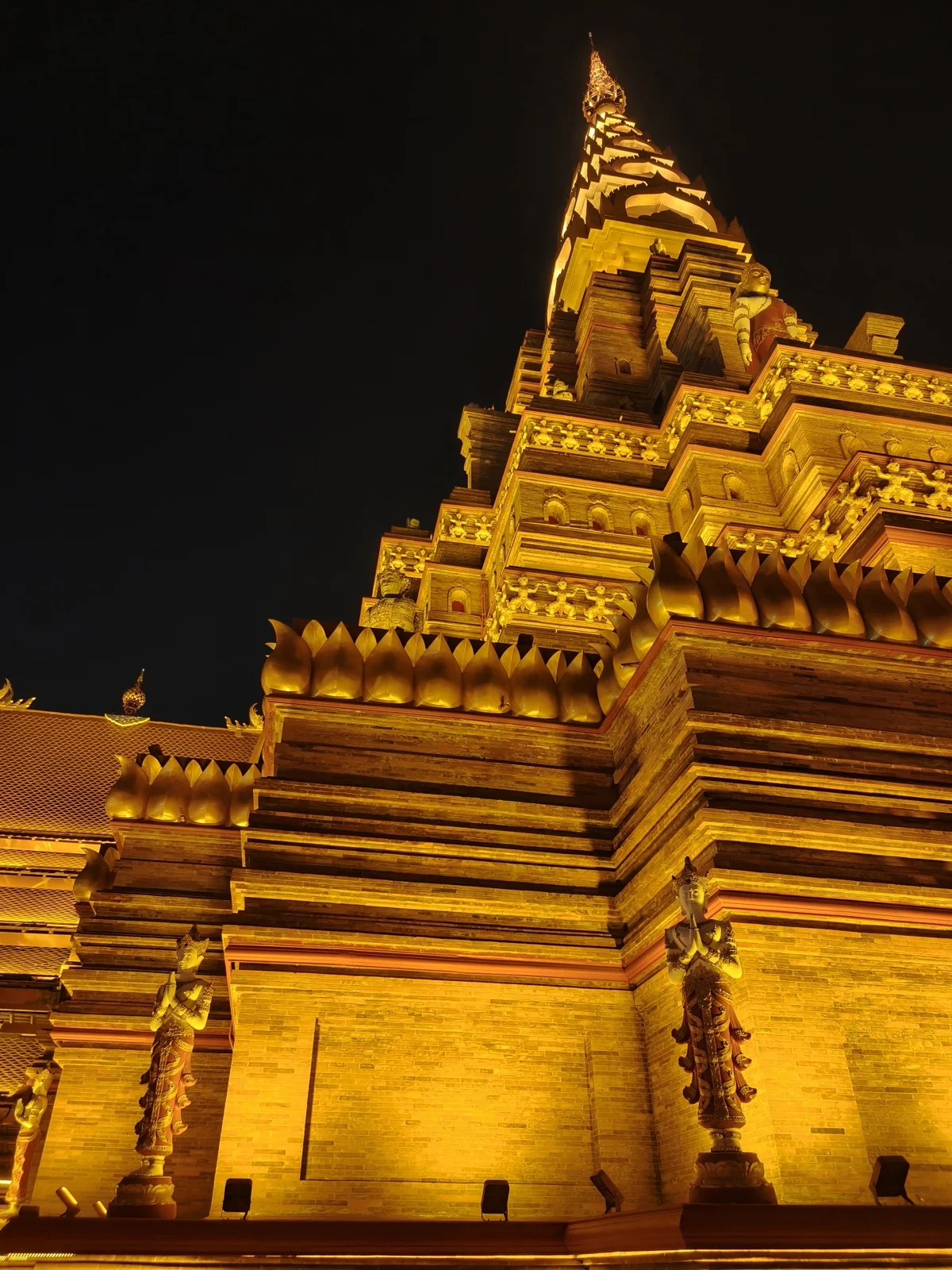
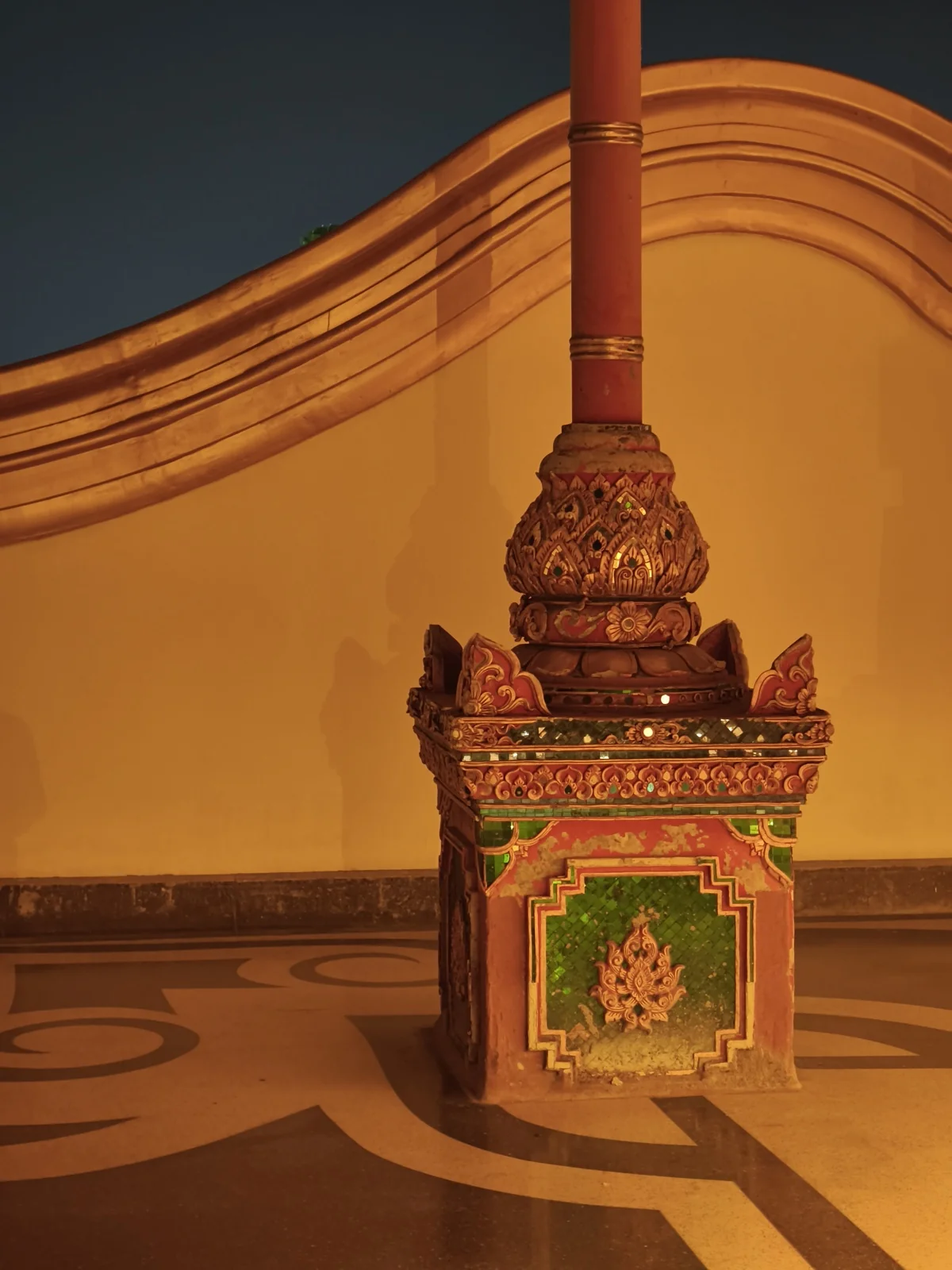
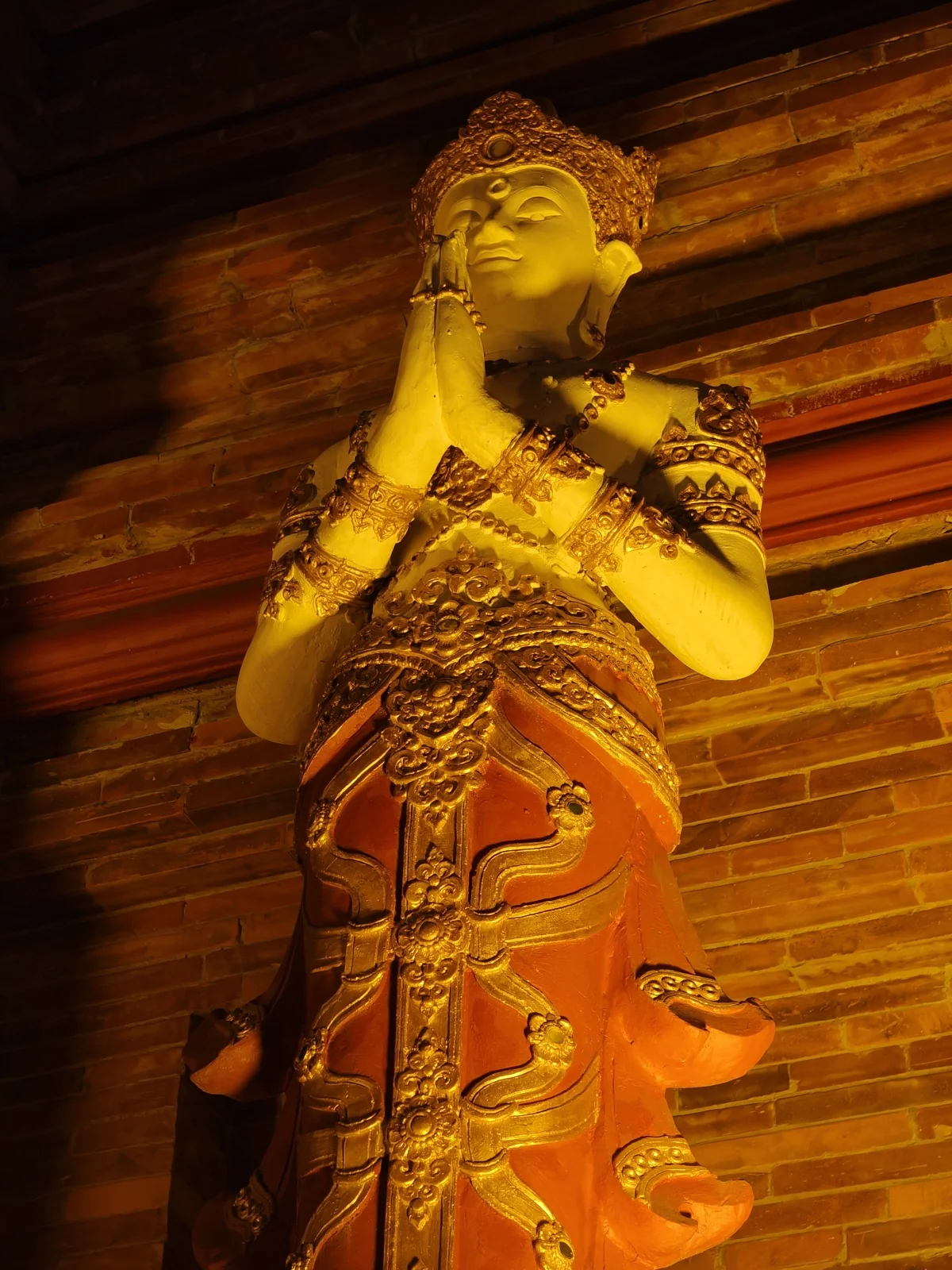
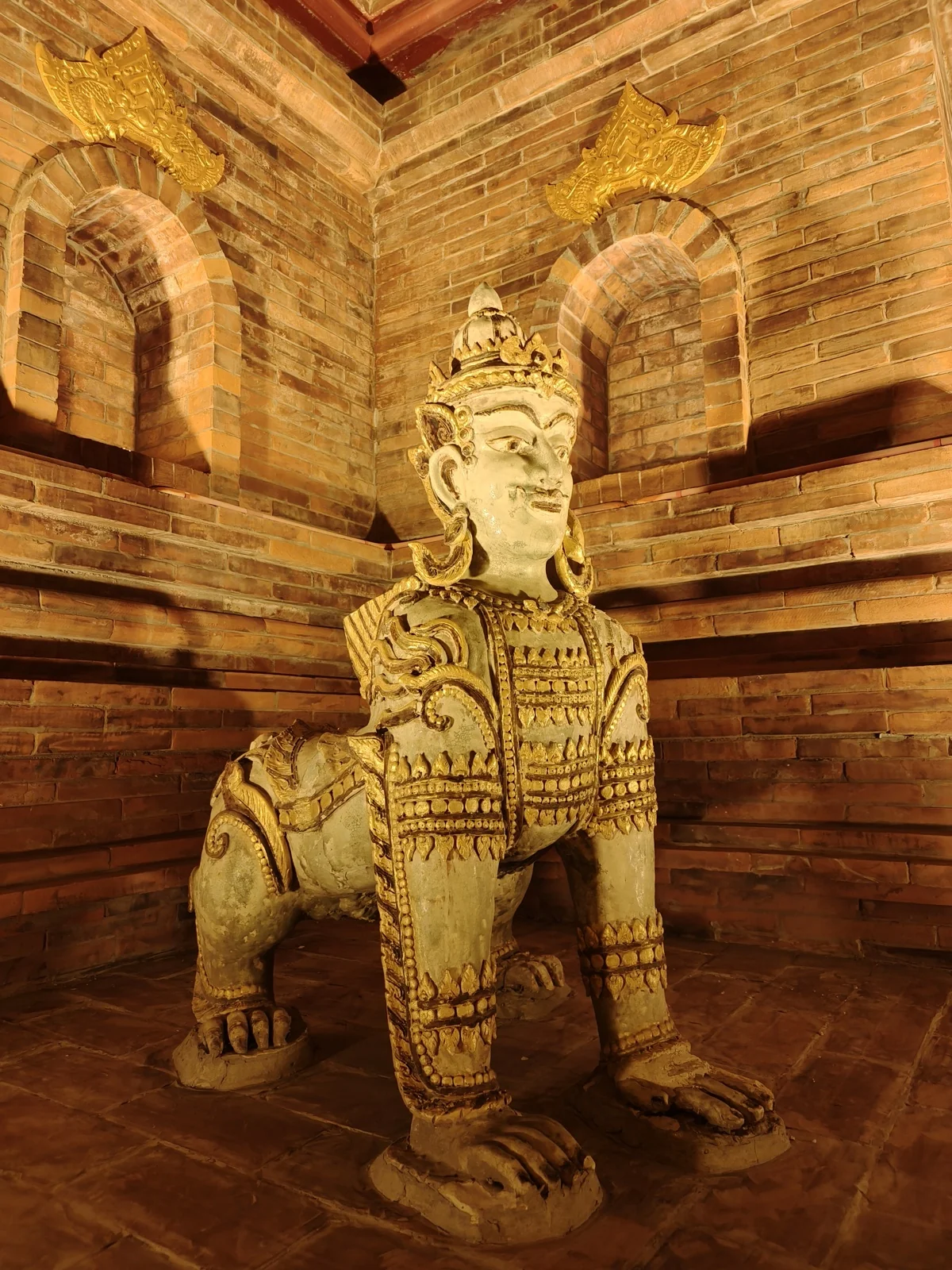
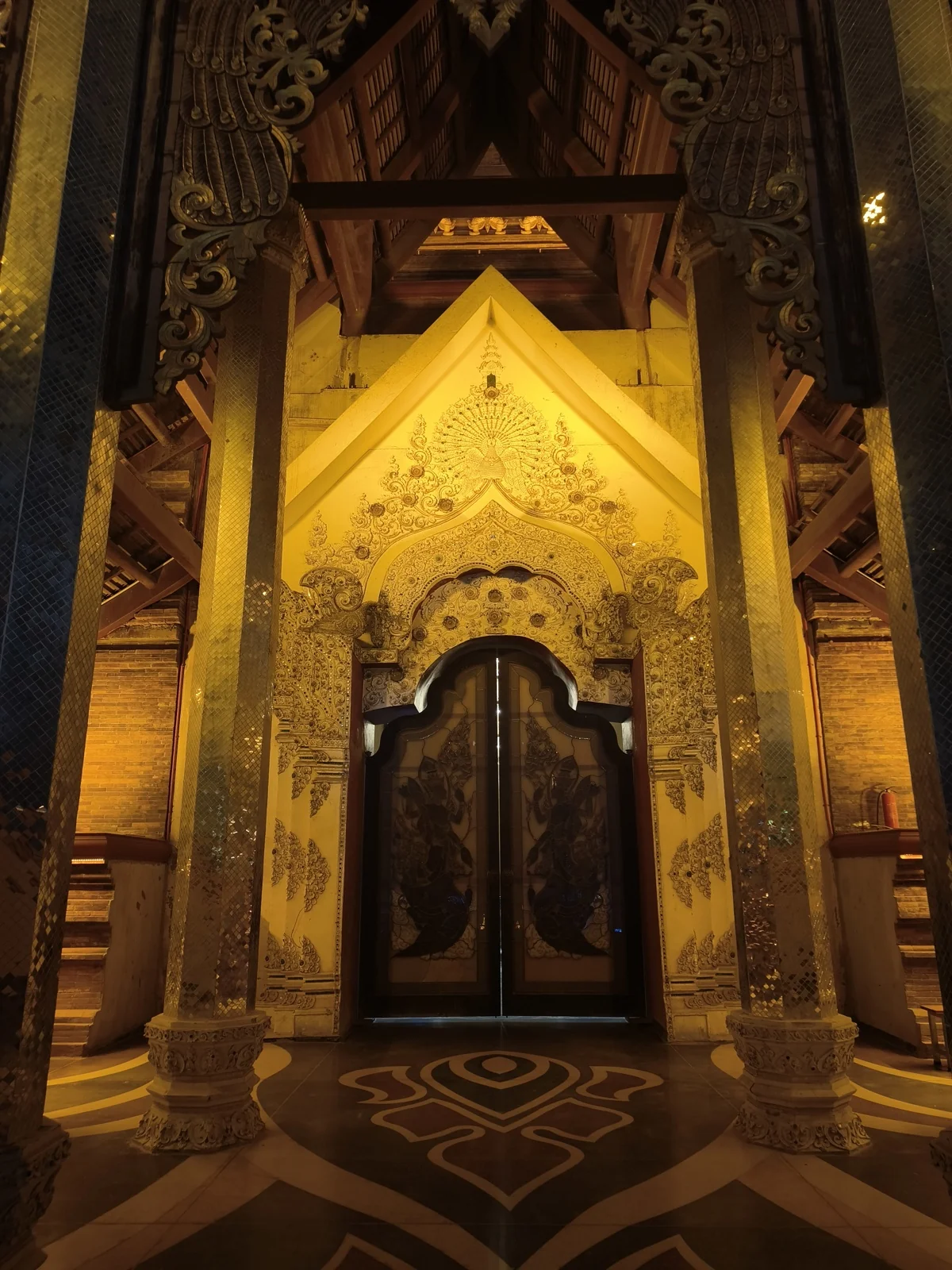
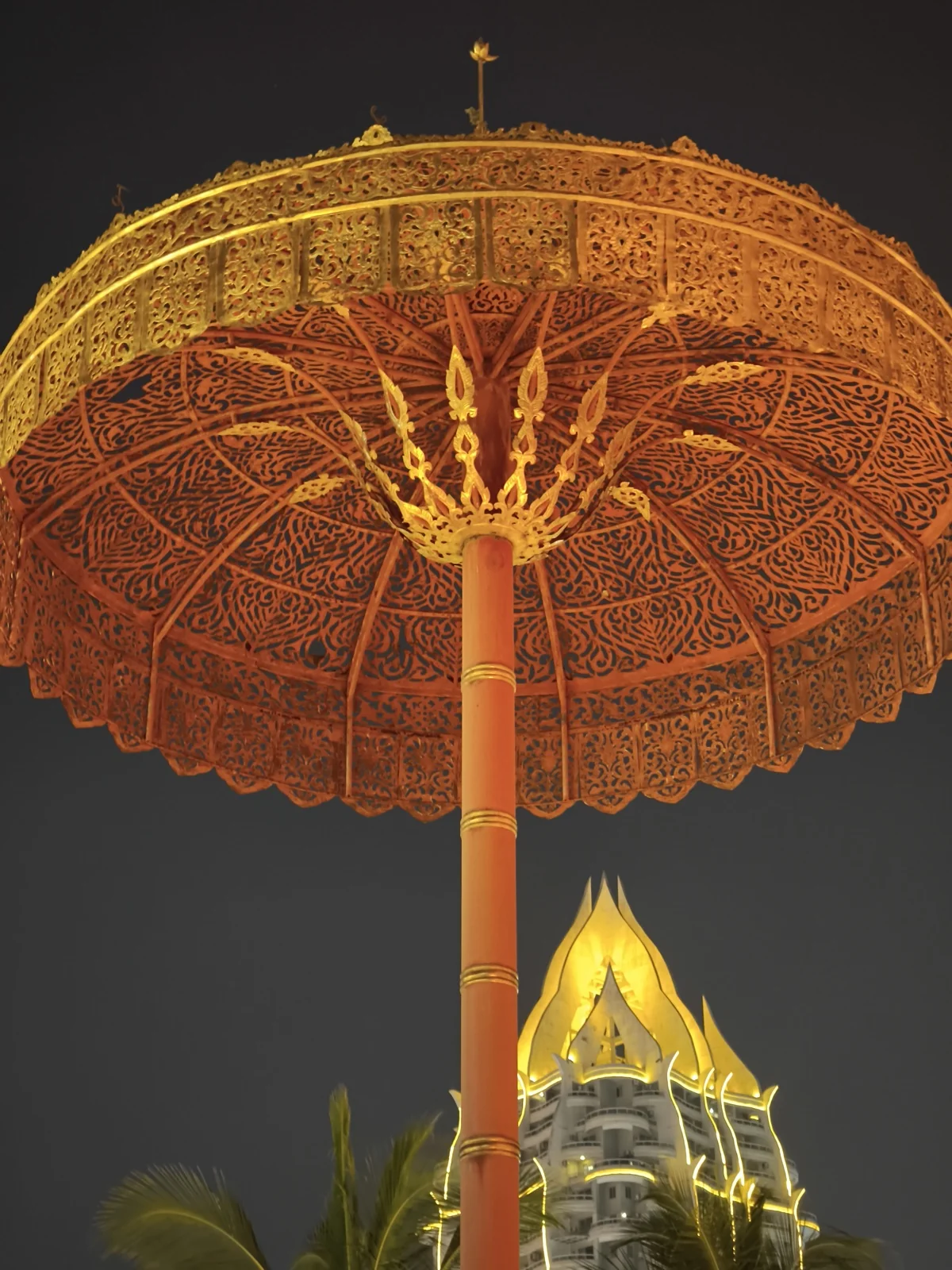
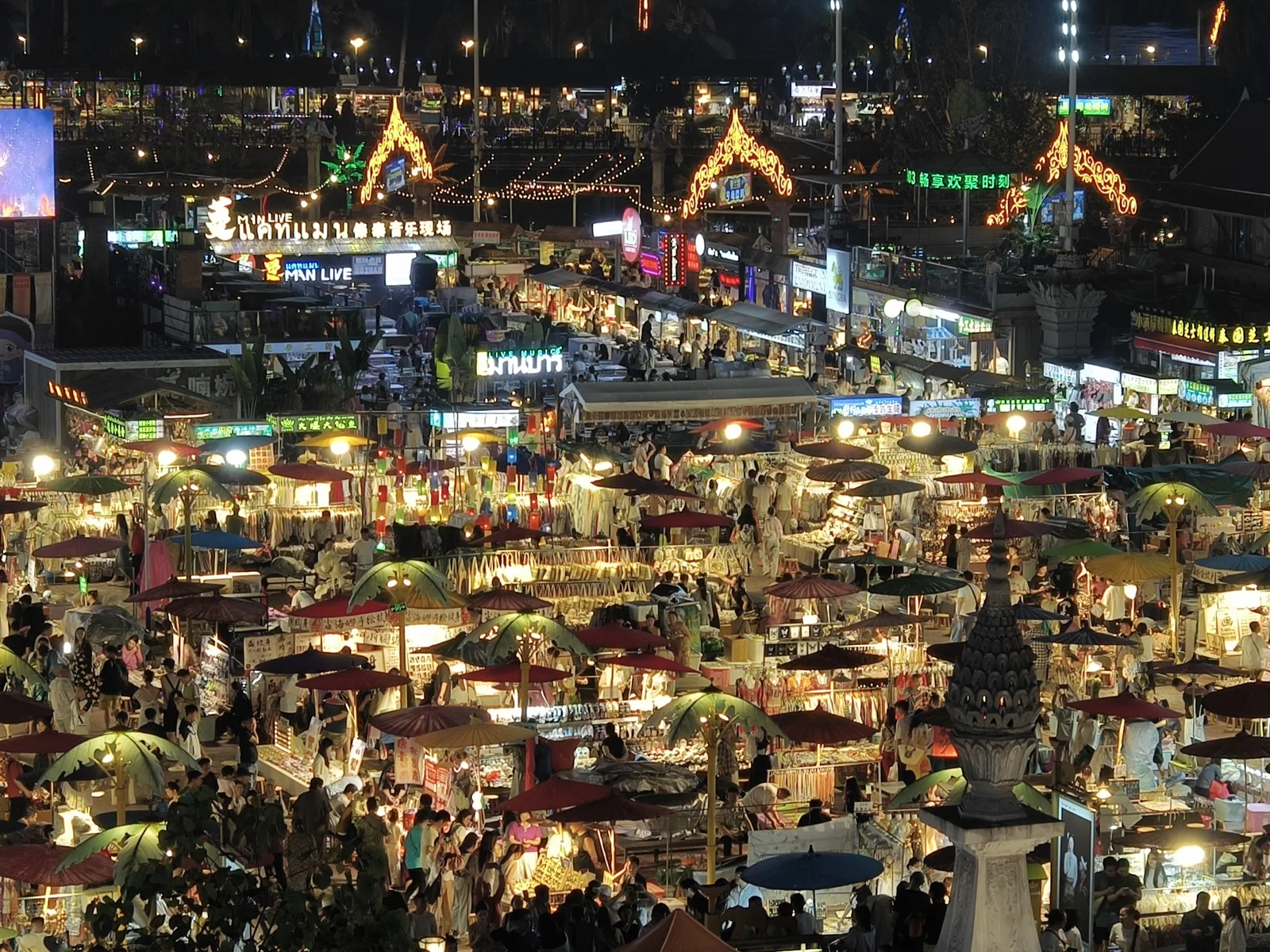
The stupa marks the highest point in central Gaozhuang, offering a bustling aerial view of the Starlight Night Market.
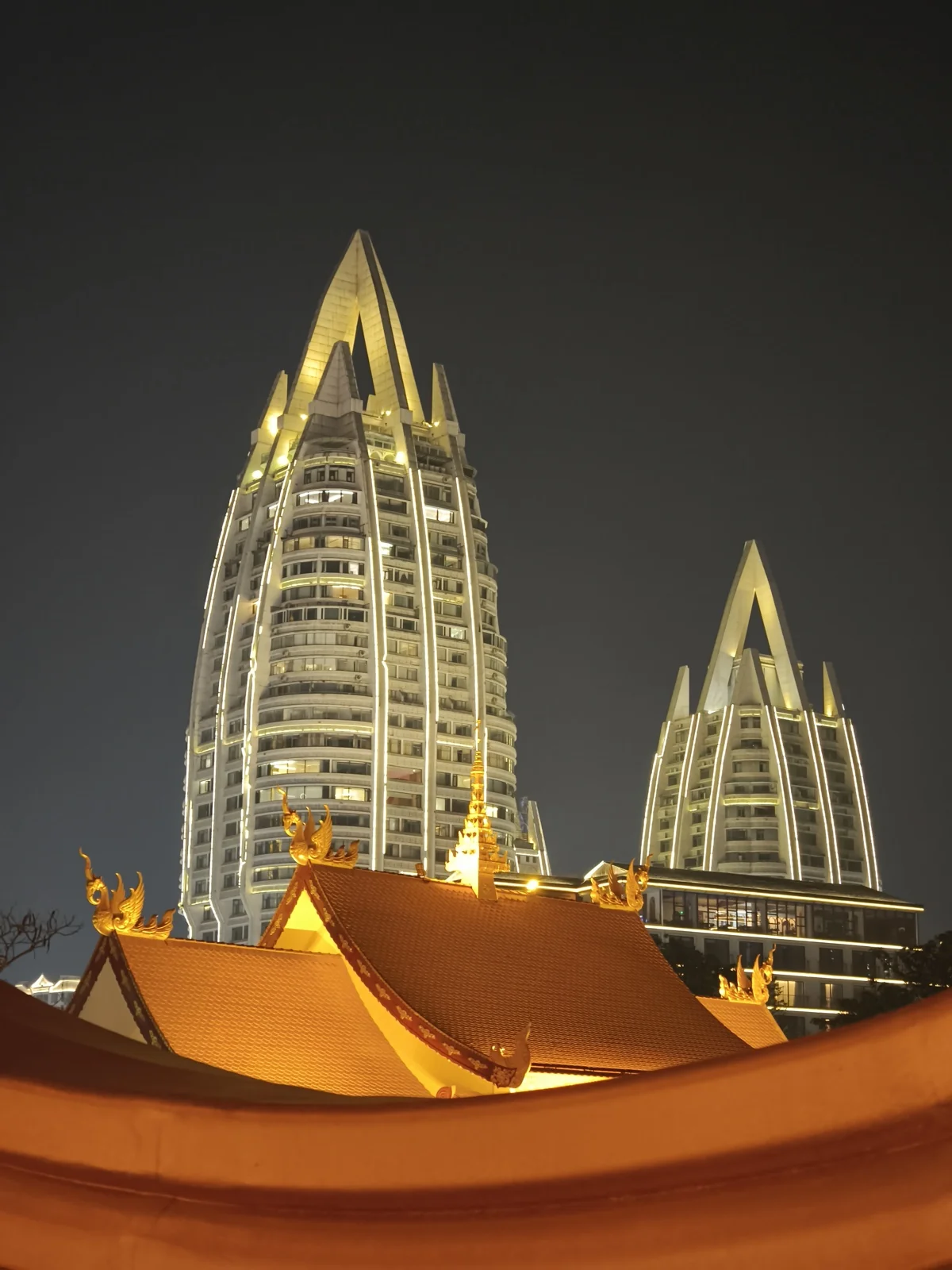
The periphery of Gaozhuang is lined with uniquely designed, towering hotels that frequently appear in Banna’s tourism ads.
Day 3: Ancient Village & Buddhist Temples
Mandiu Ancient Village
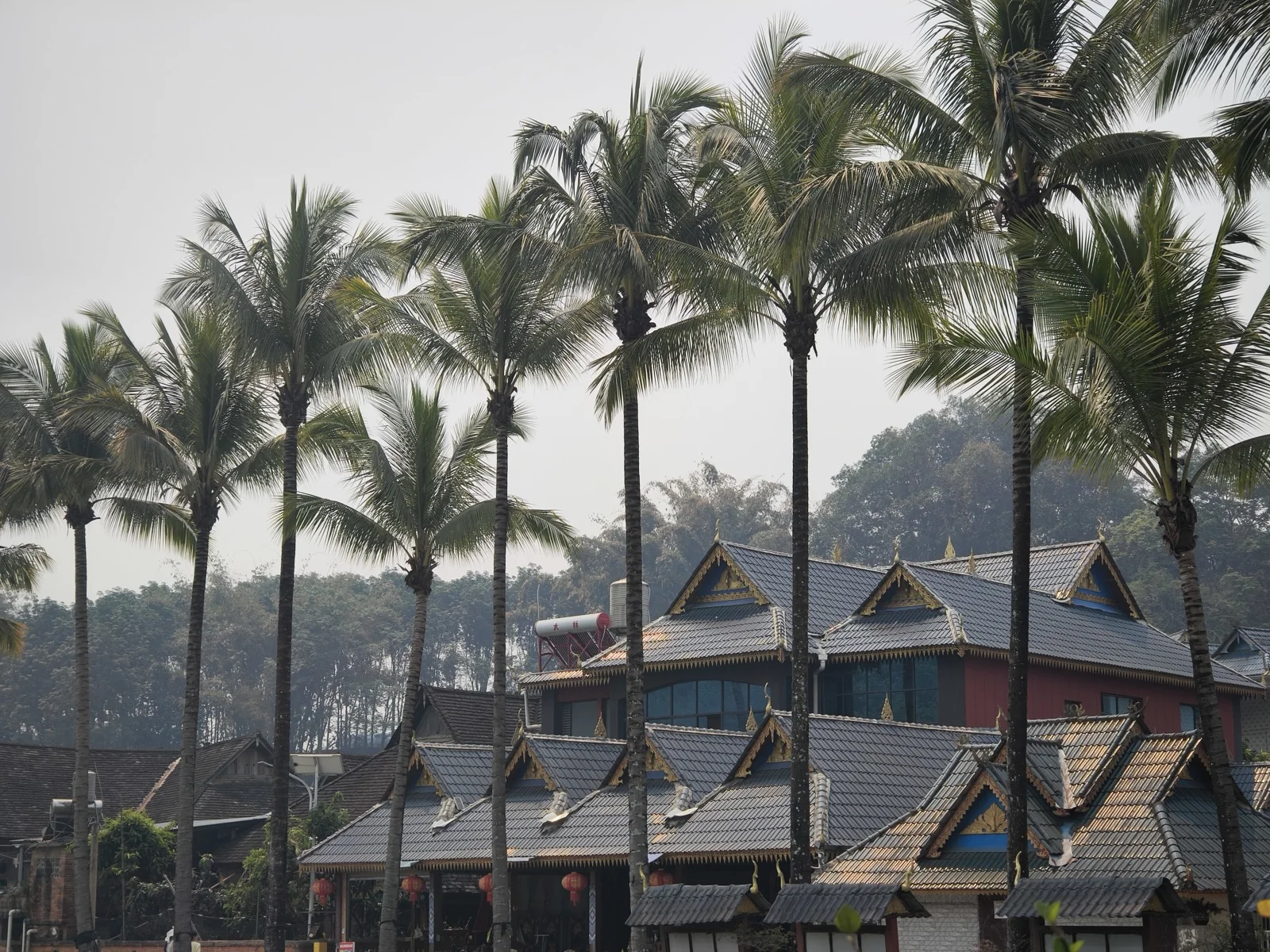
I specifically mapped out this niche destination. It’s a traditional Dai village that rarely makes it onto standard tour routes, offering a glimpse into more authentic local life.
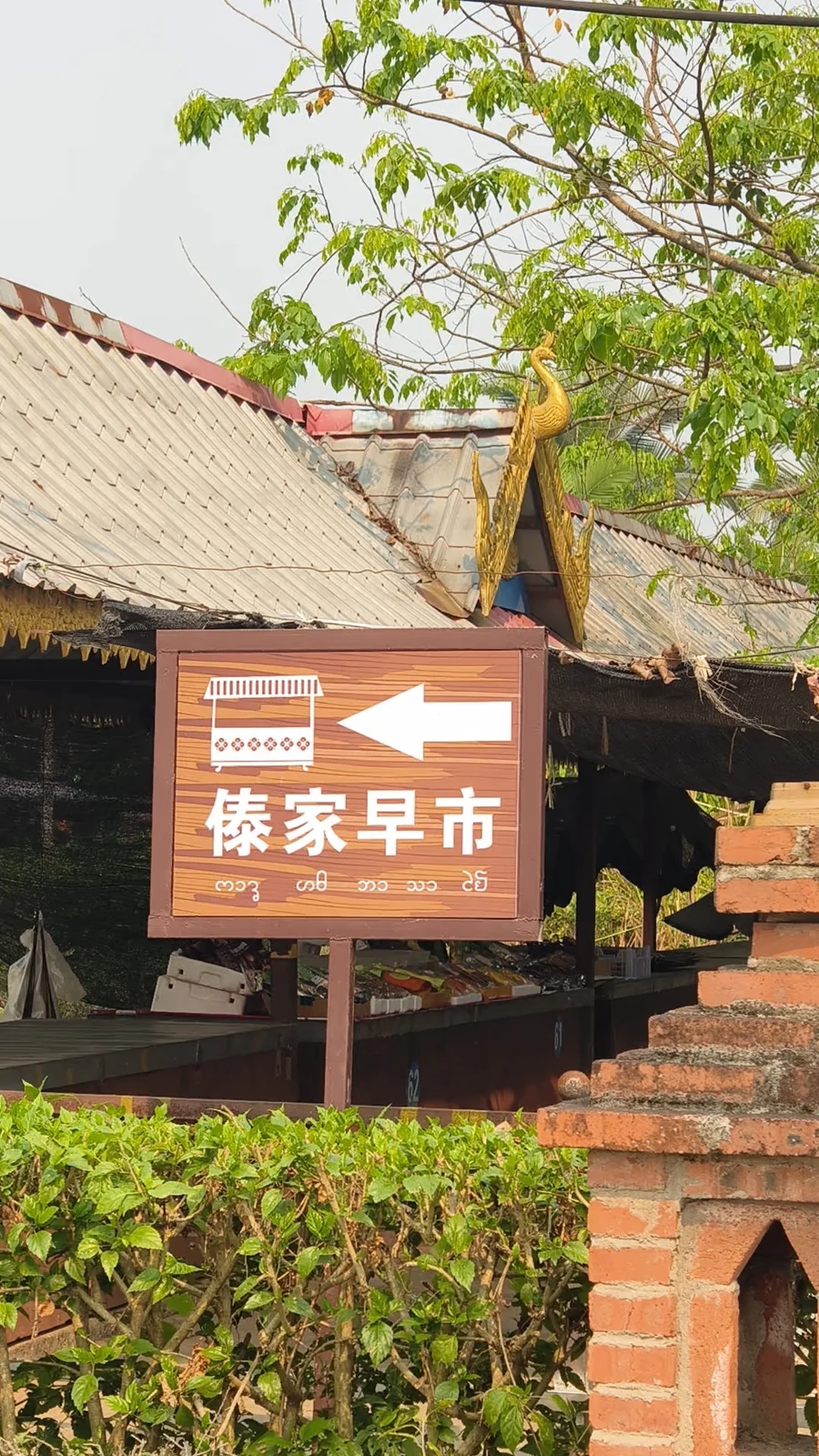
We arrived just before the local morning market closed.
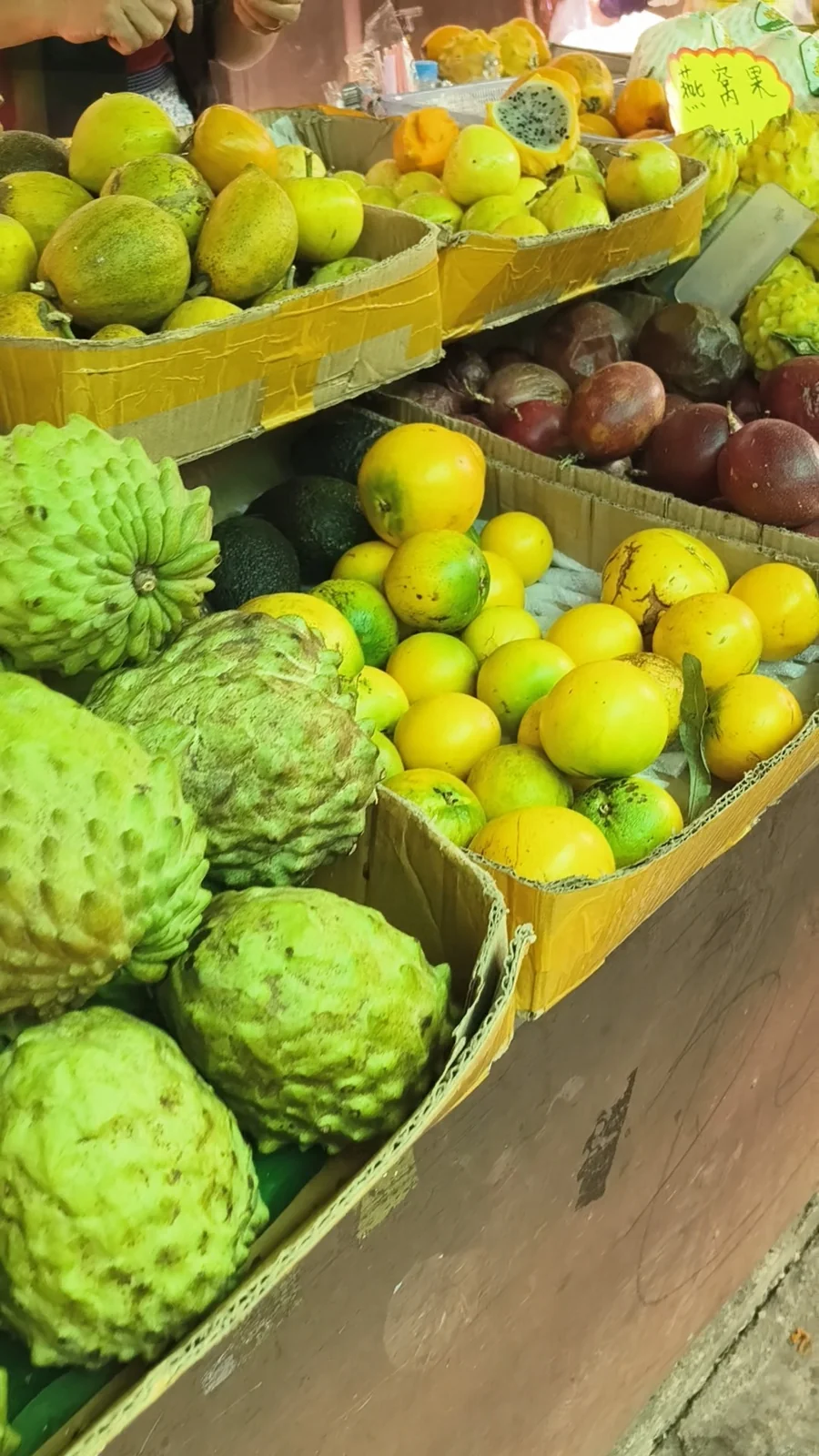
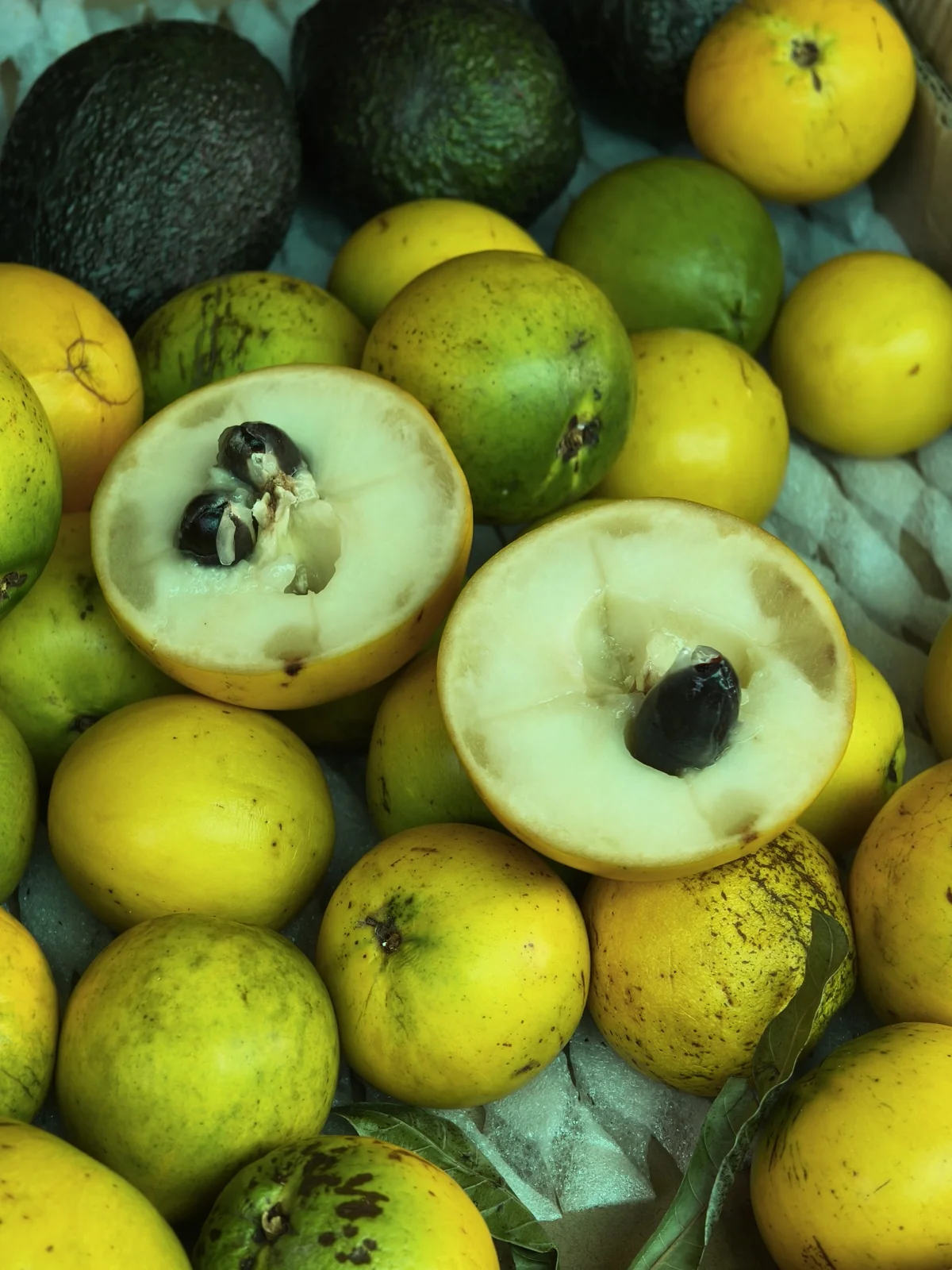
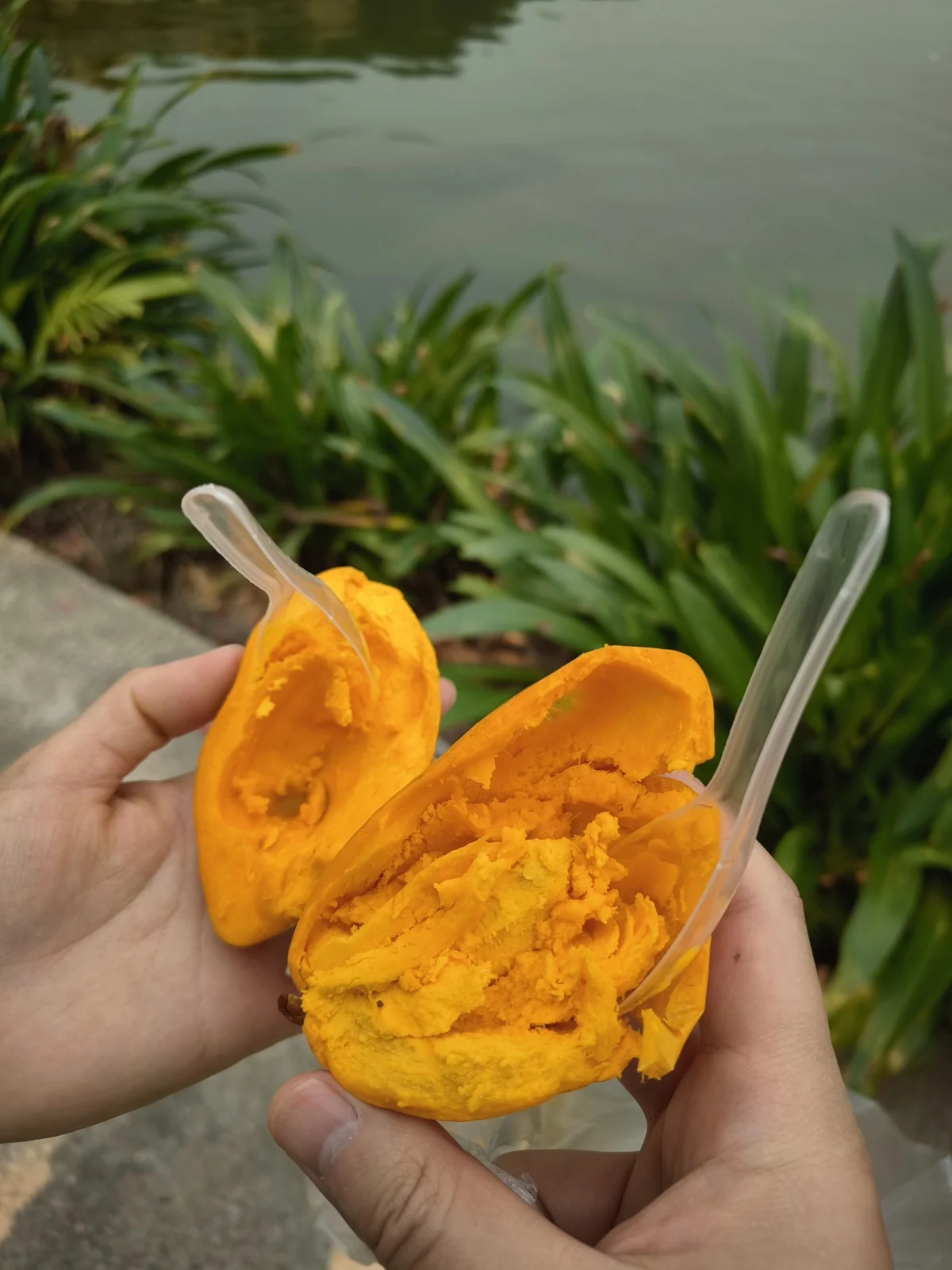
We lingered at a fruit stall, essentially turning it into an all-you-can-eat buffet of egg fruit, milk fruit, yellow dragon fruit, sugar apples, and tamarind.
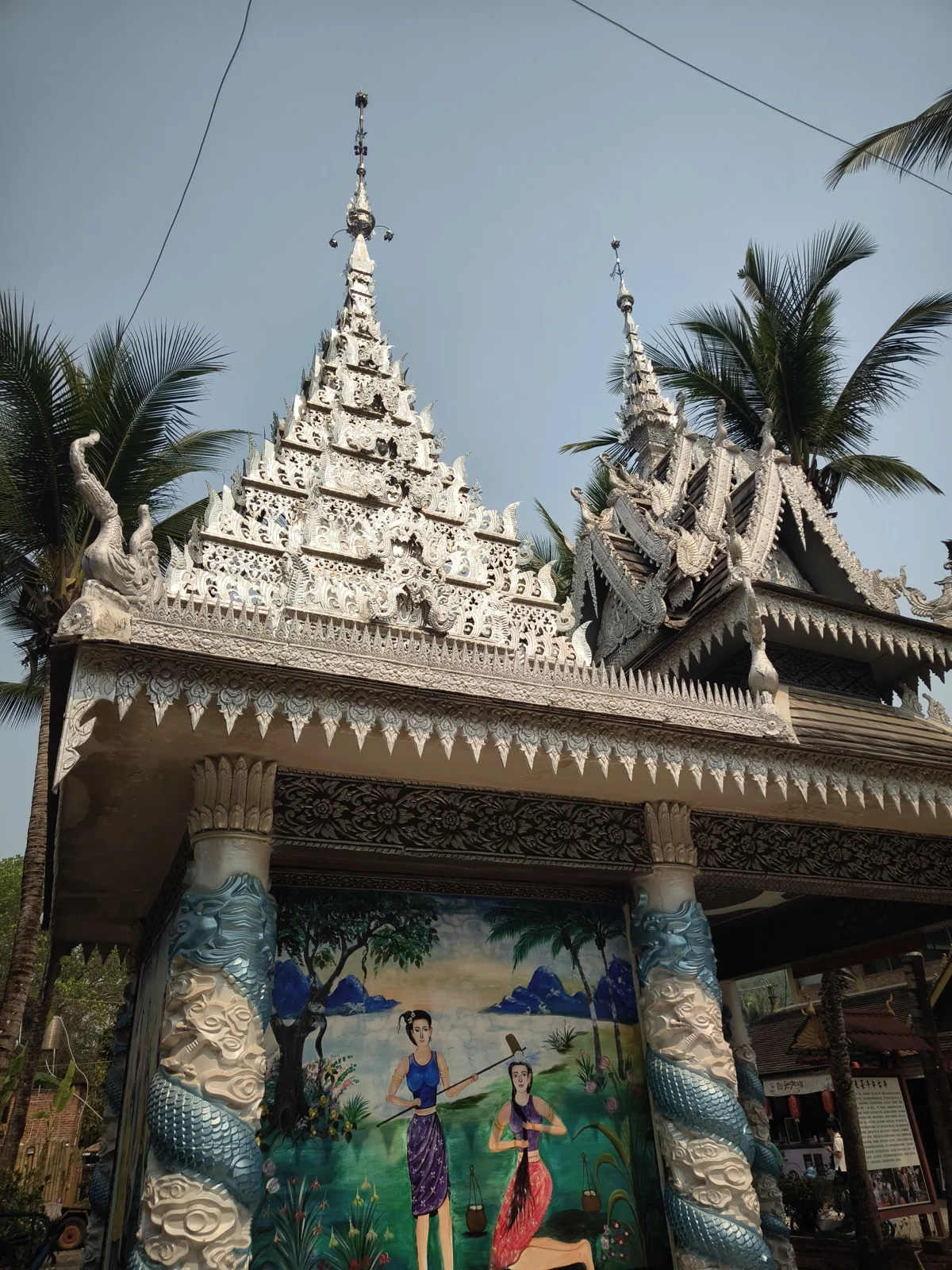
The village has an old well. The pavilion above it is clearly new, but it captures the right aesthetic.
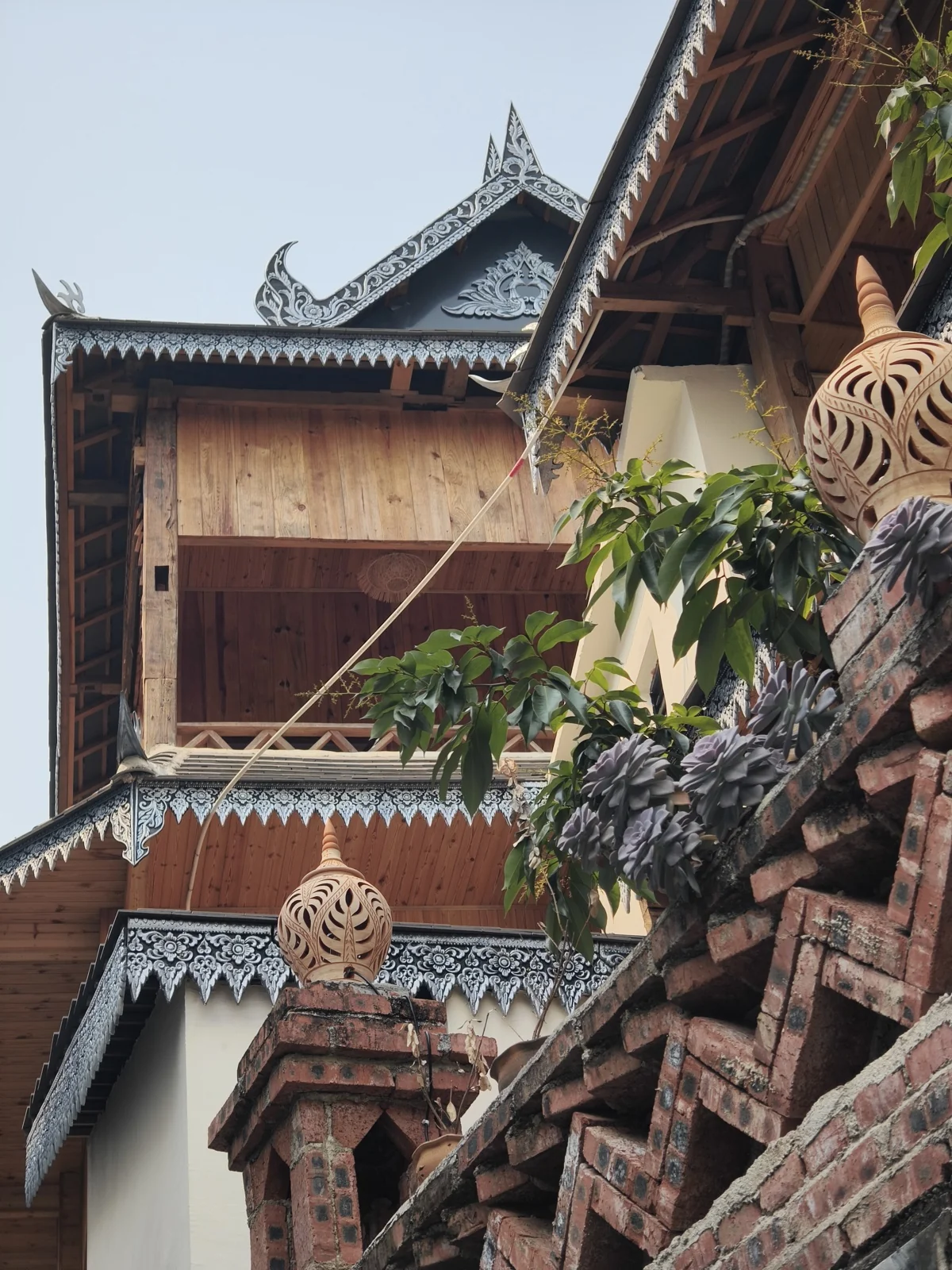
Despite being an “ancient” village, it’s not isolated in the deep woods. Locals embrace modern life; many homes are being converted into restaurants and guesthouses.
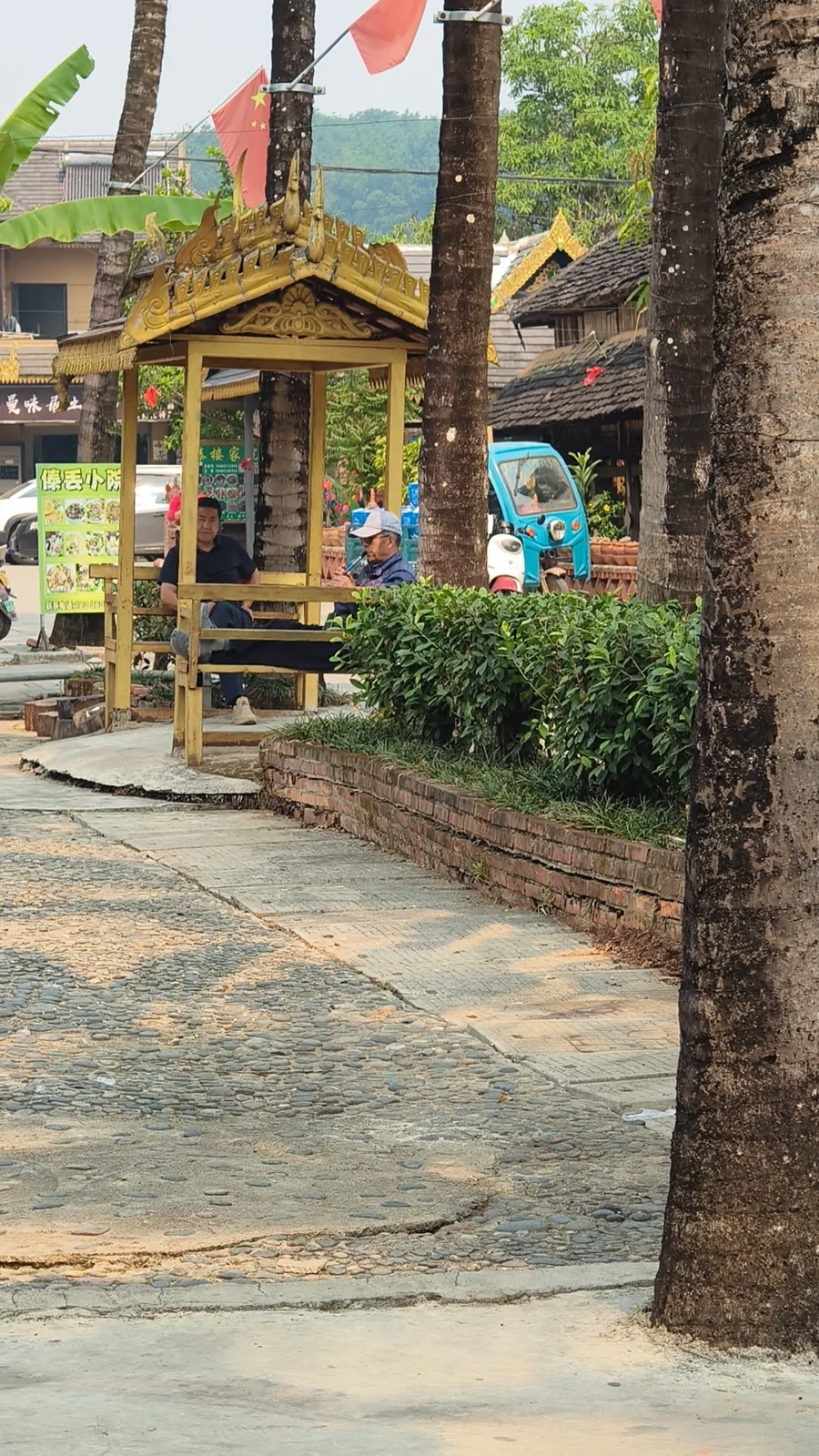
We caught a slice of local life: an elder sitting in the distance, playing a bamboo flute-like instrument.
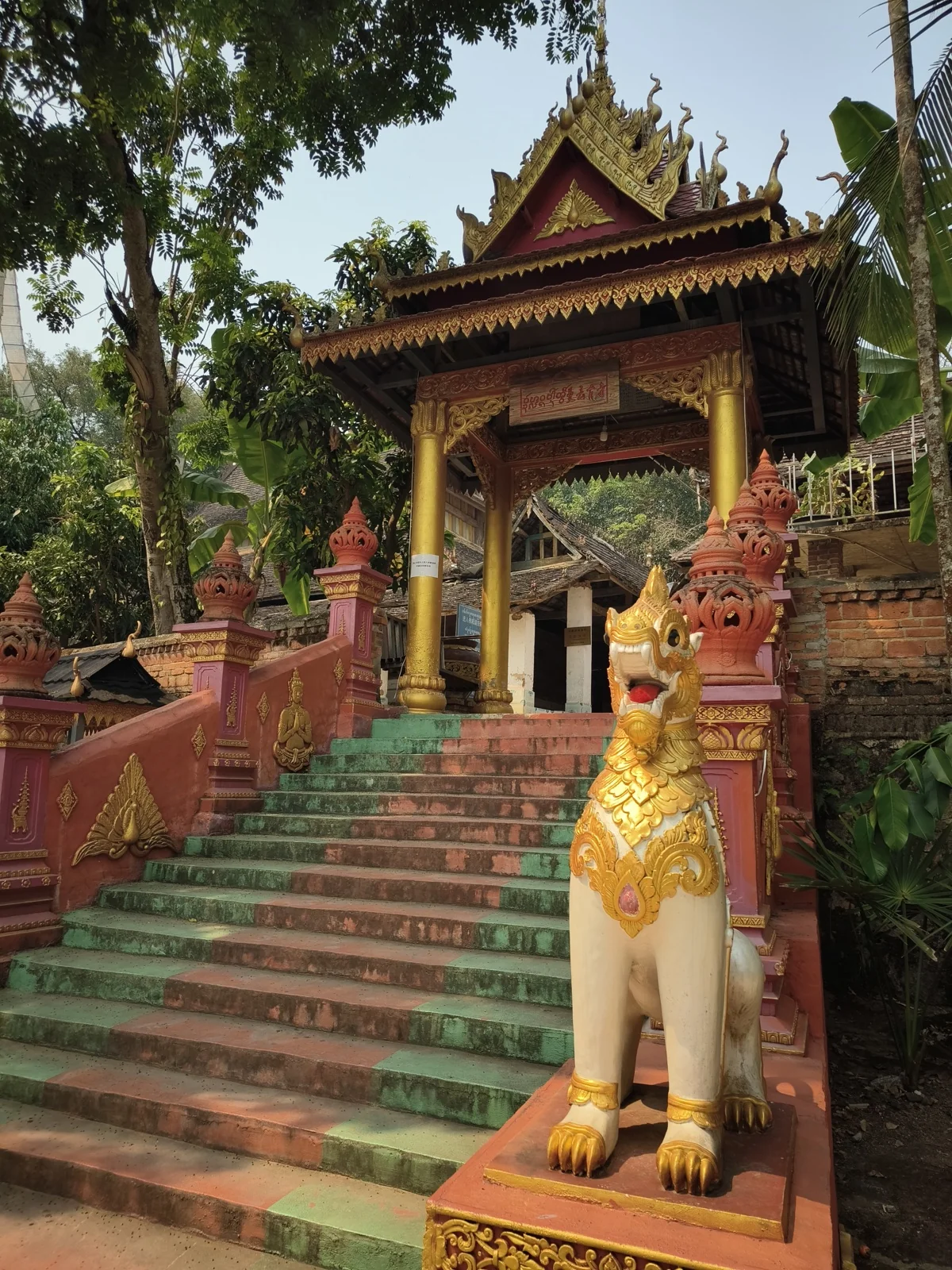
Walking further uphill brought us to the ancient temple at the peak.
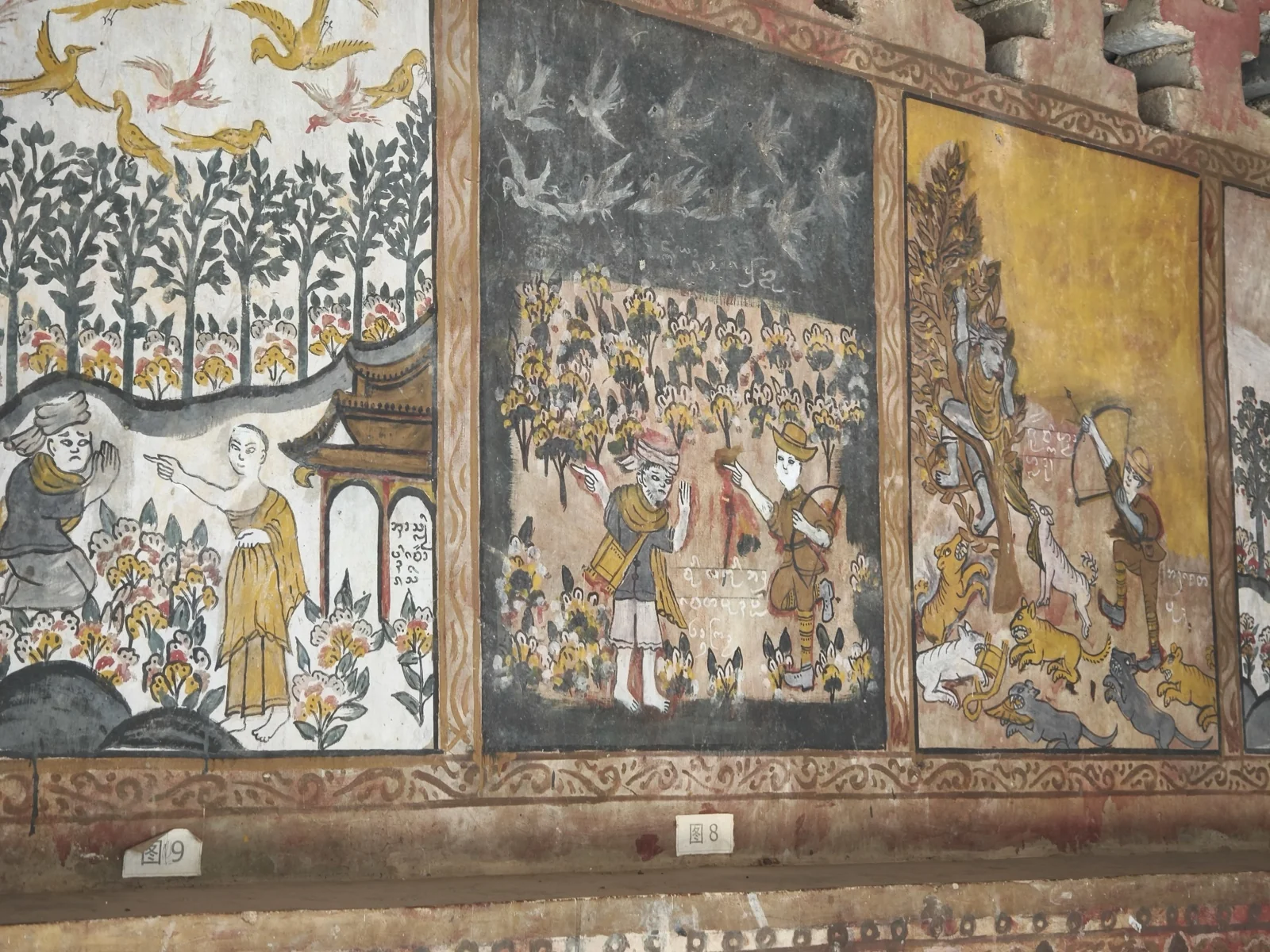
The exterior walls featured fascinating murals. Unlike typical Chinese Buddhist art, the style oddly evoked medieval European religious paintings.
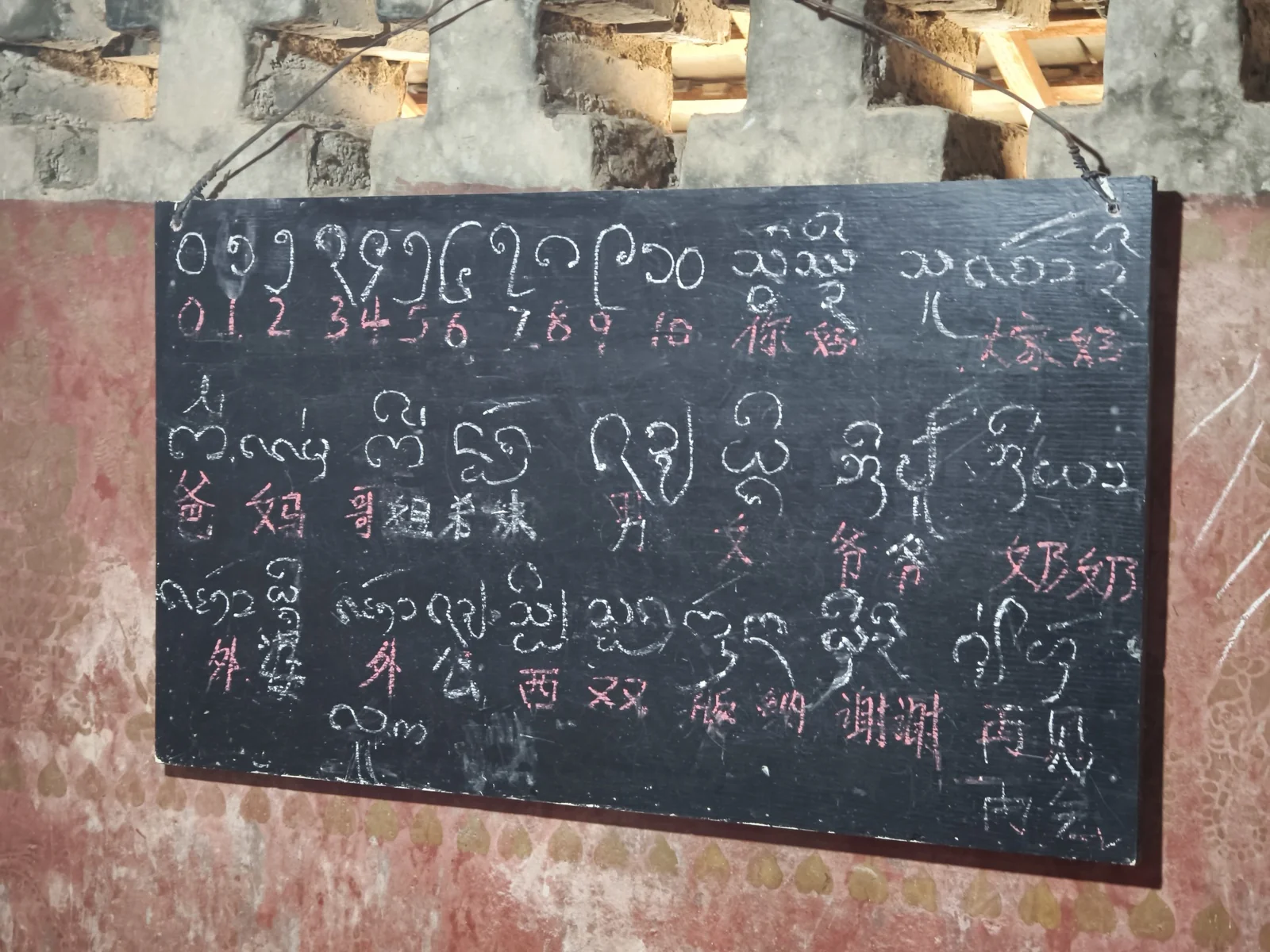
Inside, there was a small blackboard, likely used for teaching Dai or Mandarin.
The Dai script is full of loops and hooks, distinctly different from Thai. Despite sharing cultural roots, the two languages diverged long ago and are mutually unintelligible today.
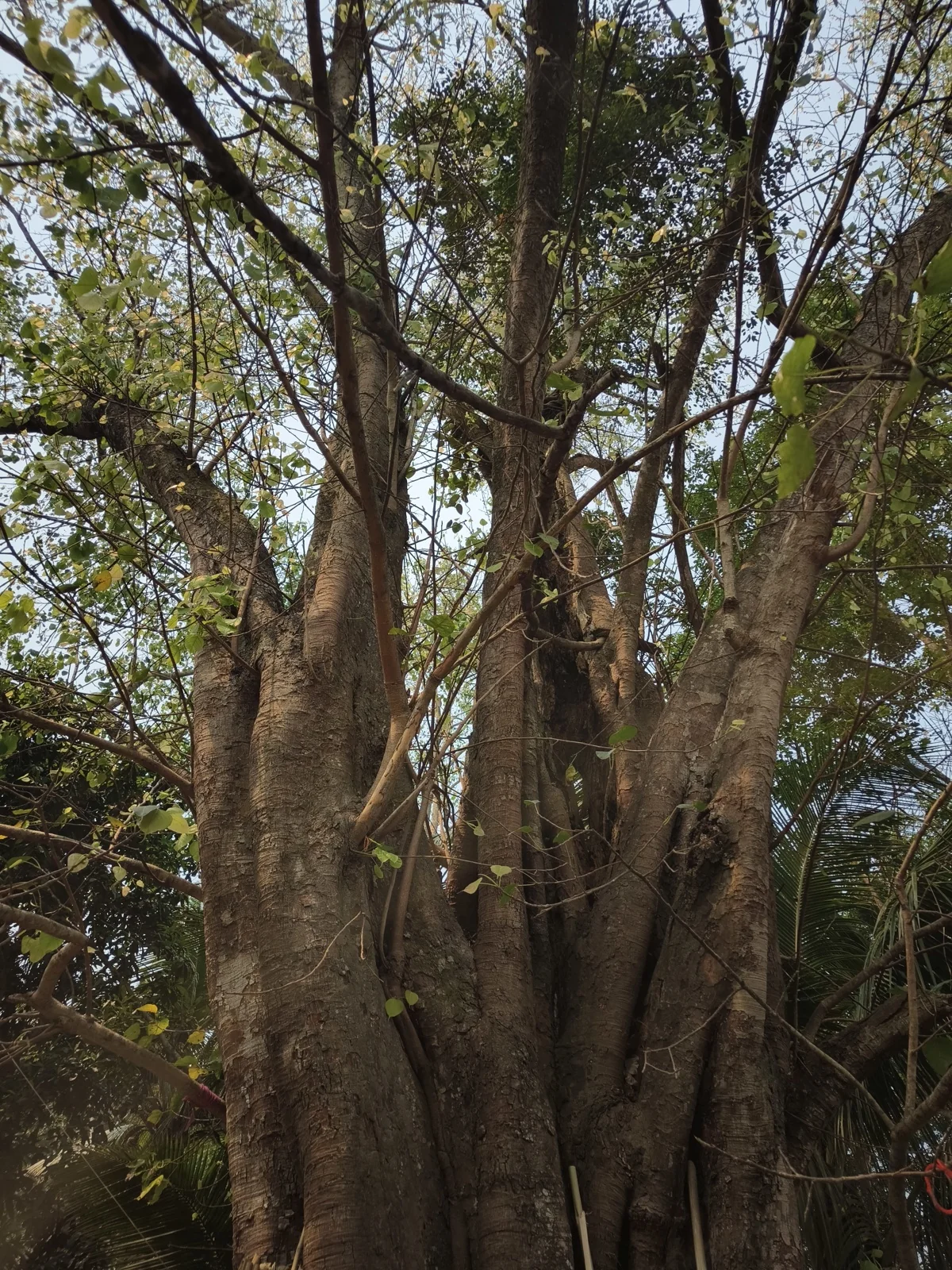
Outside stood a Bodhi tree. In Buddhism, it represents a portal to another realm, and its form here genuinely imparted a sense of inner peace.
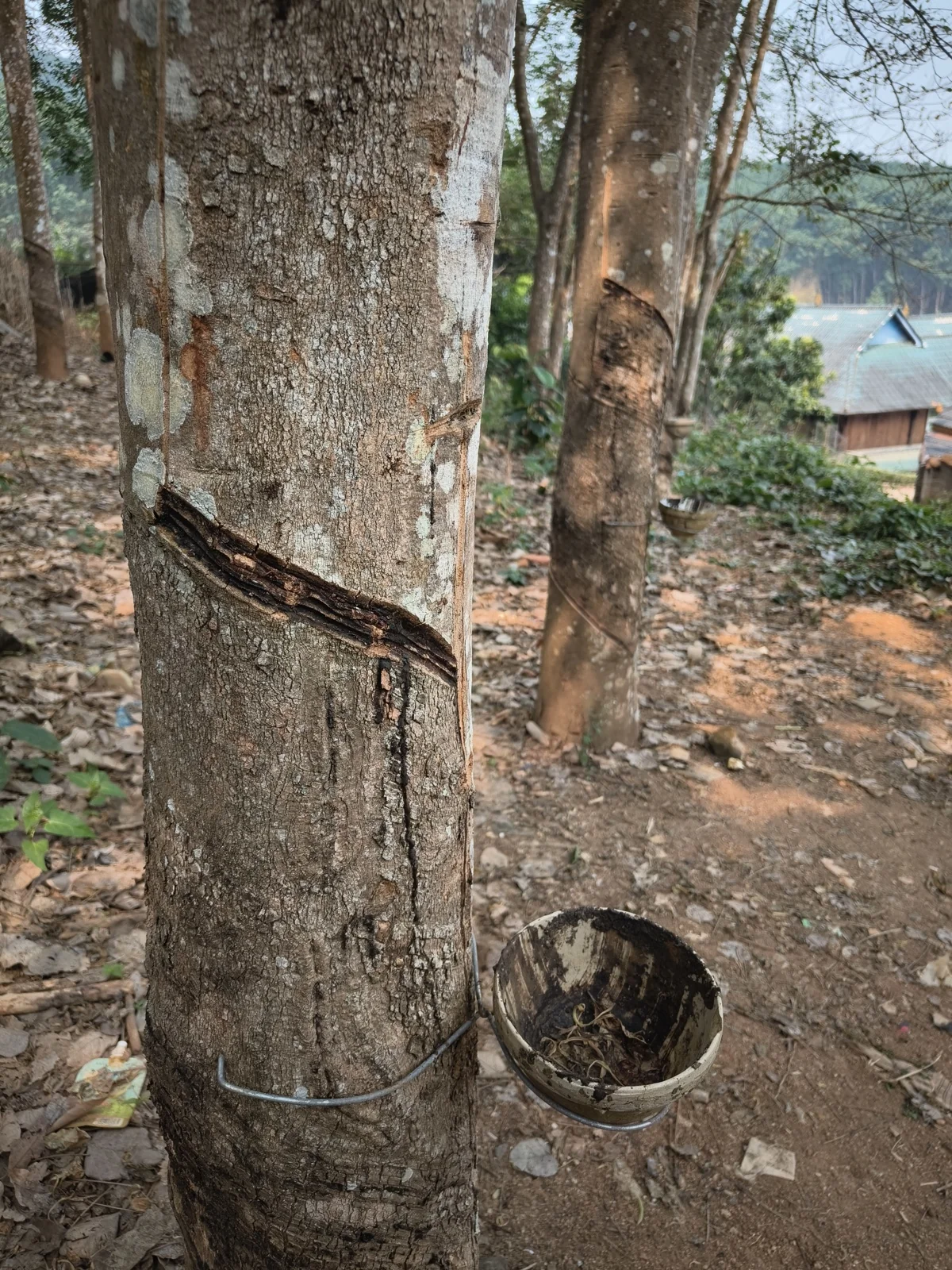
Nearby was a small rubber plantation. My daughter always asks how things are made, so it was great to show her exactly where tires and pacifiers come from.
The village is compact and quiet, largely free of tourists, allowing us to soak in the tranquility.
Prajna Stupa
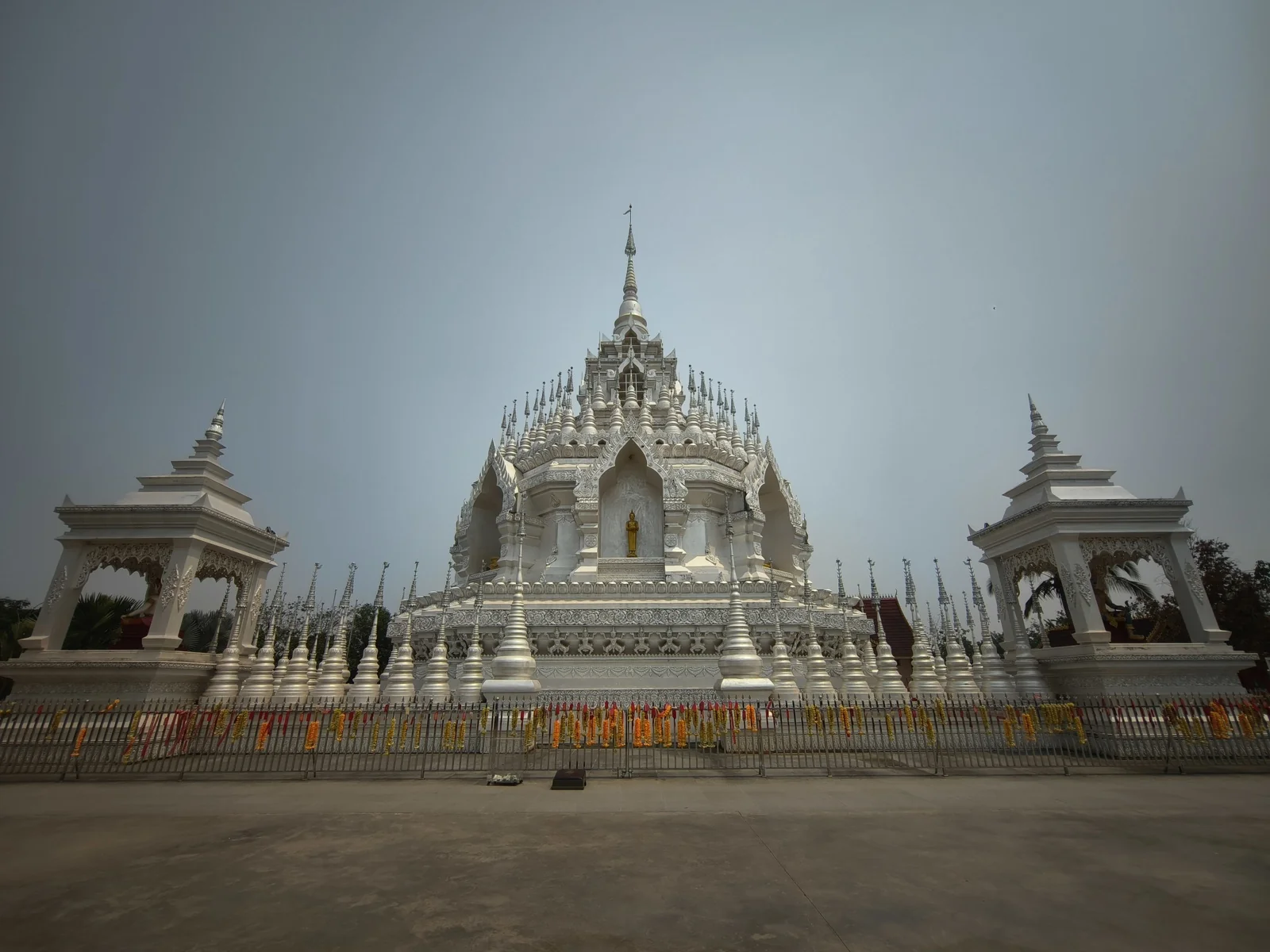
This is the largest silver-white stupa in Jinghong.
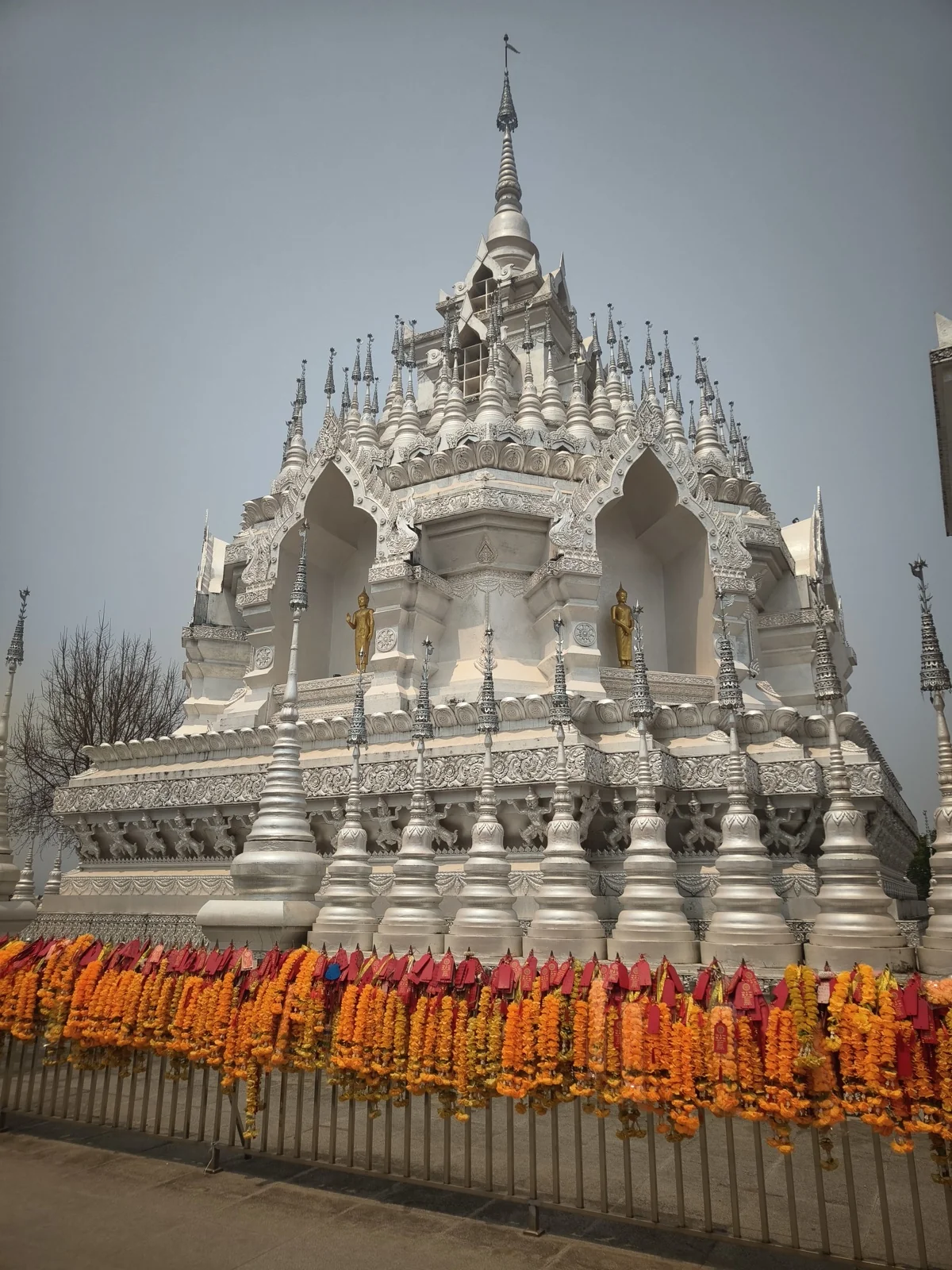
It’s just a stupa, not a temple, so there’s no interior to explore.
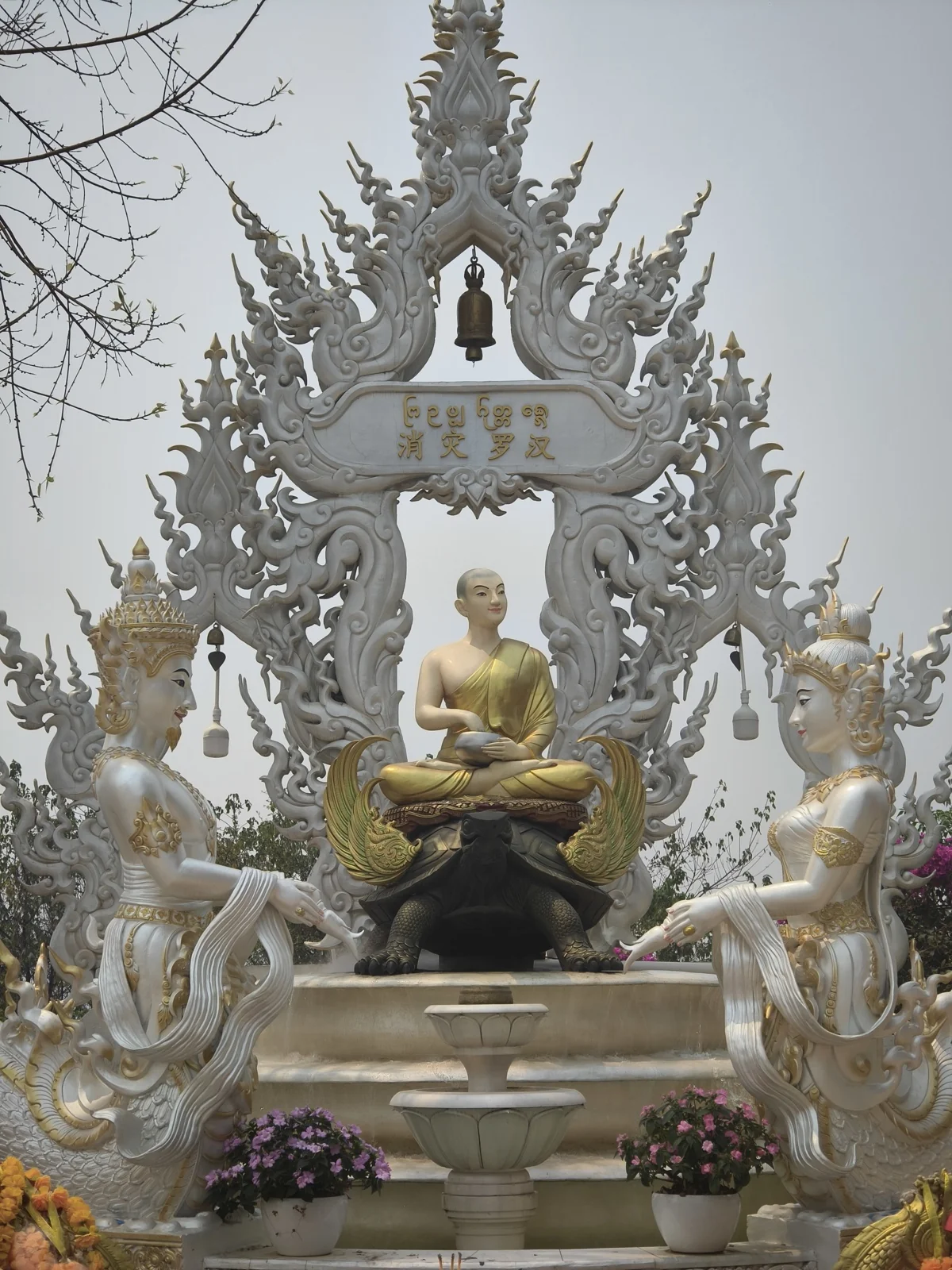
Smaller standalone statues surround it.
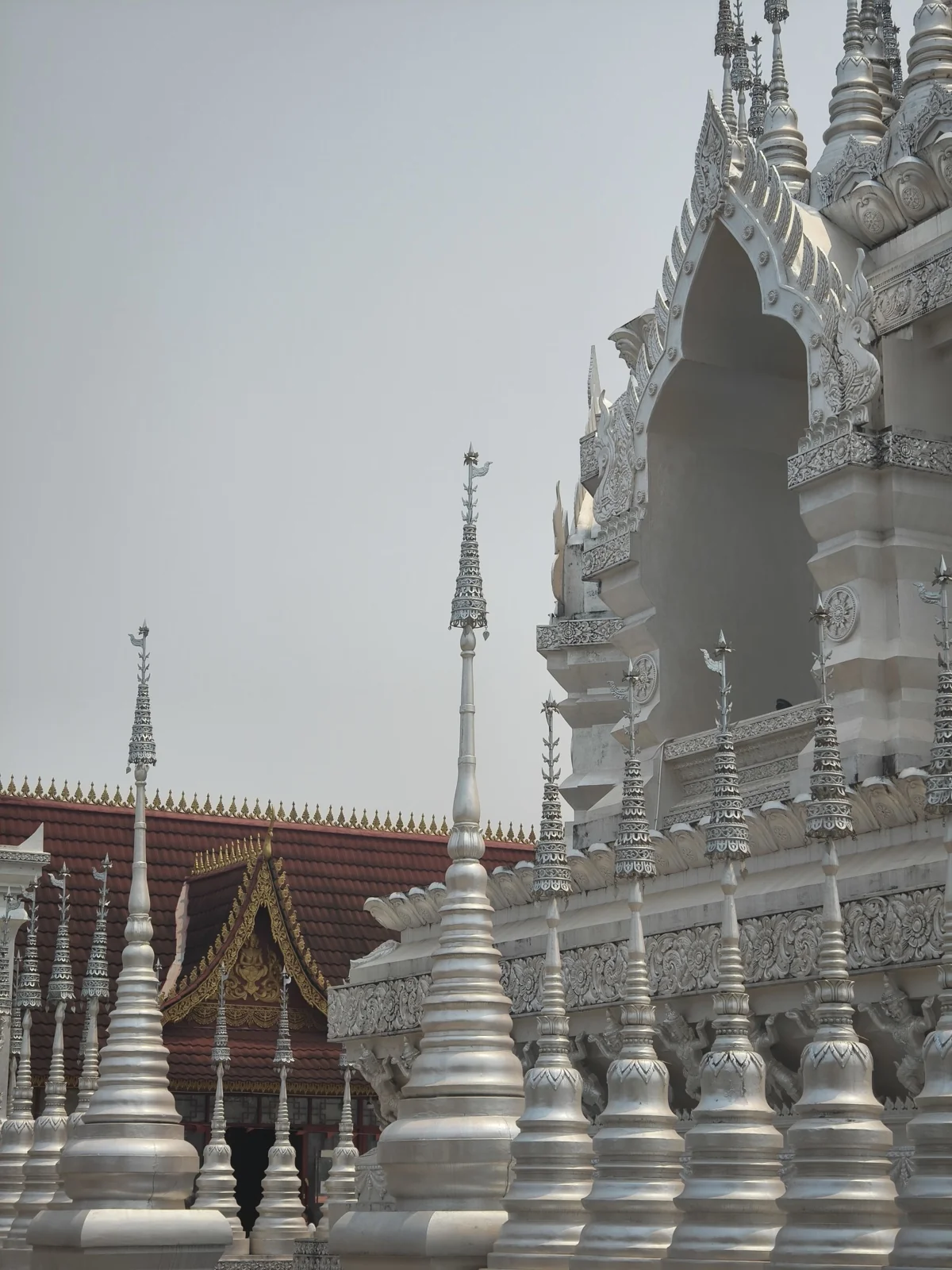
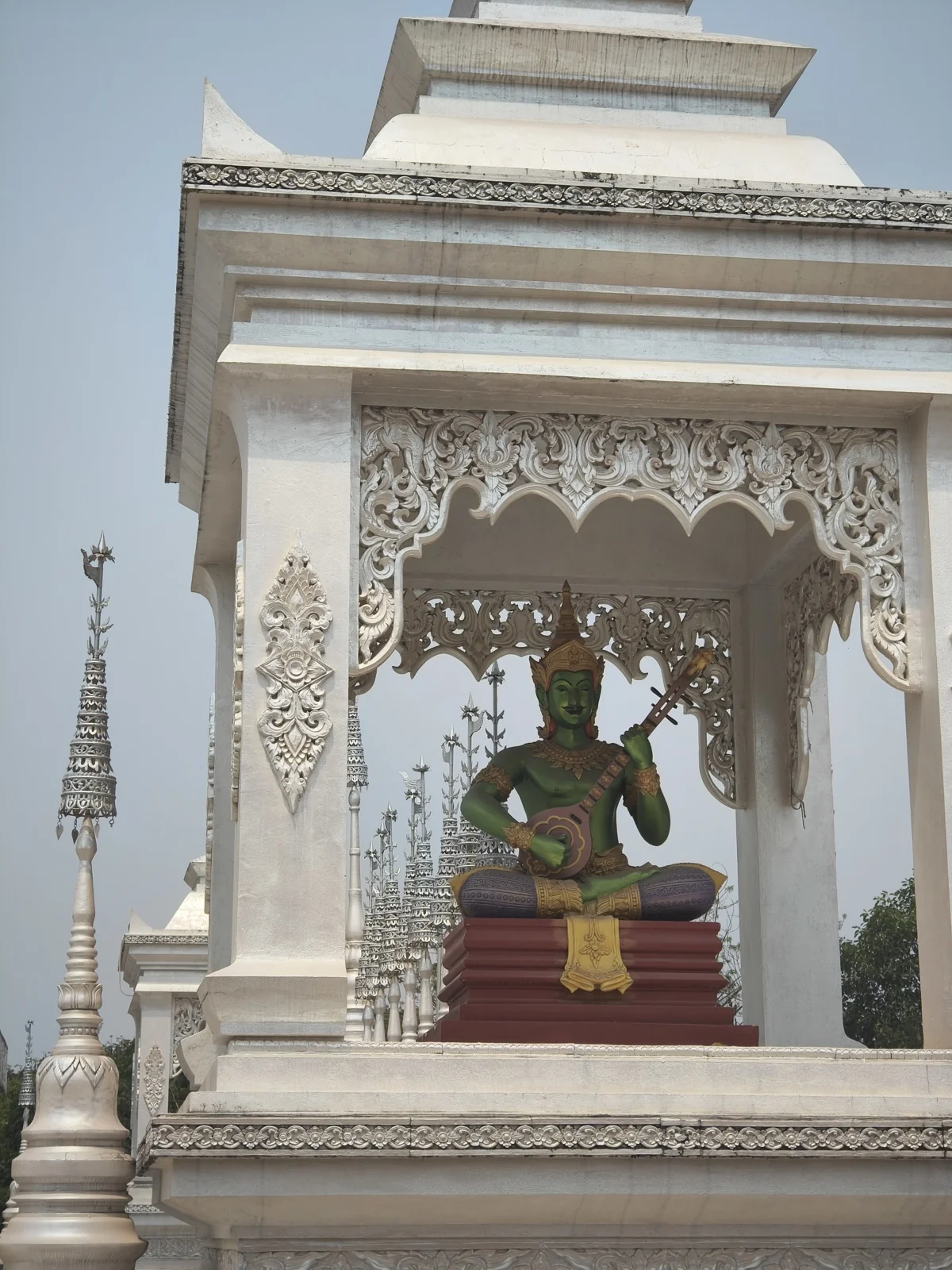
You simply walk the perimeter. It’s a bit out of the way, but since we had a chartered car, it was an easy detour.
Manting Park
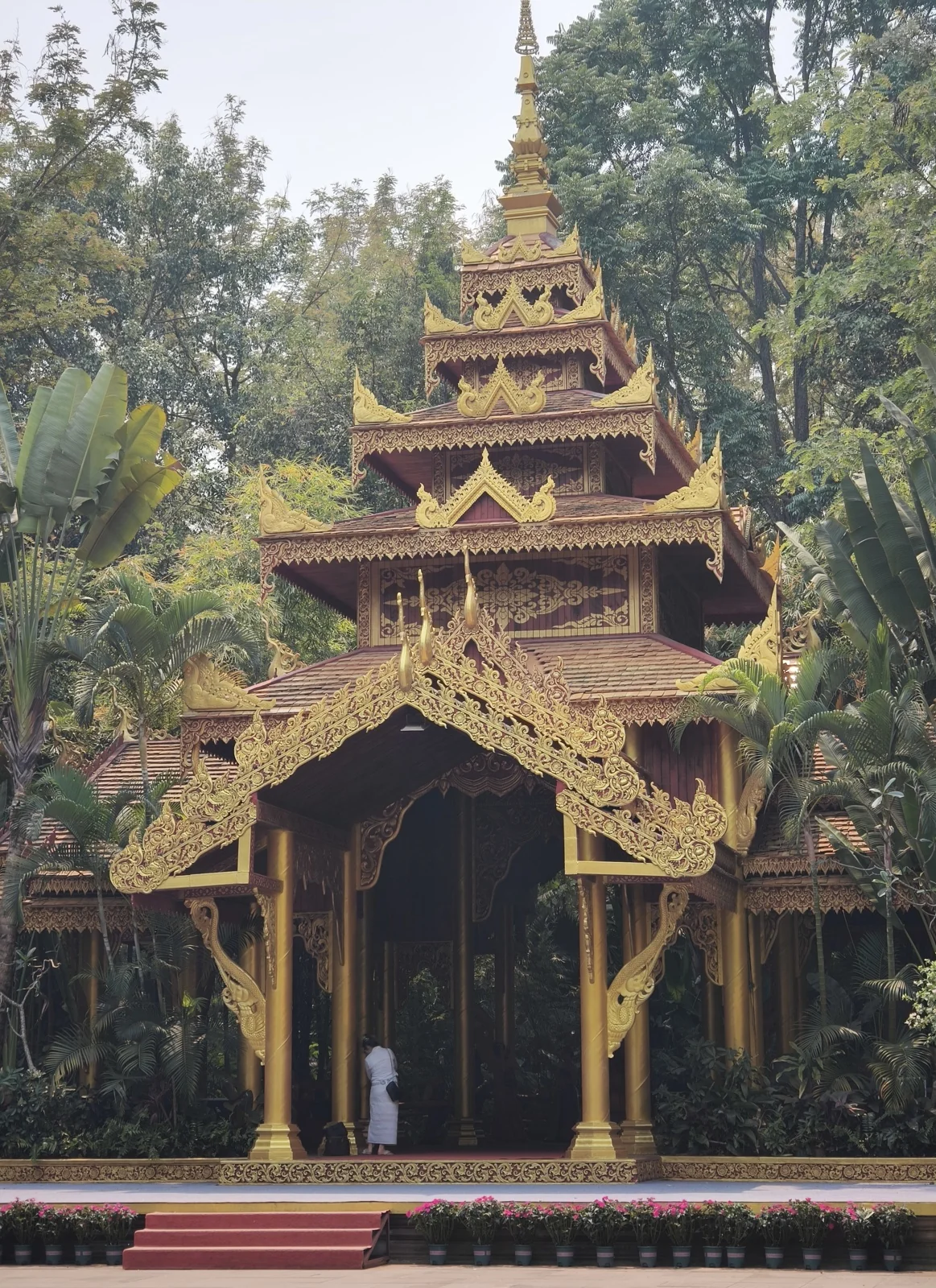
Manting Park is a major urban hotspot. It encompasses the former Dai King’s palace, royal gardens, and an elephant education center.
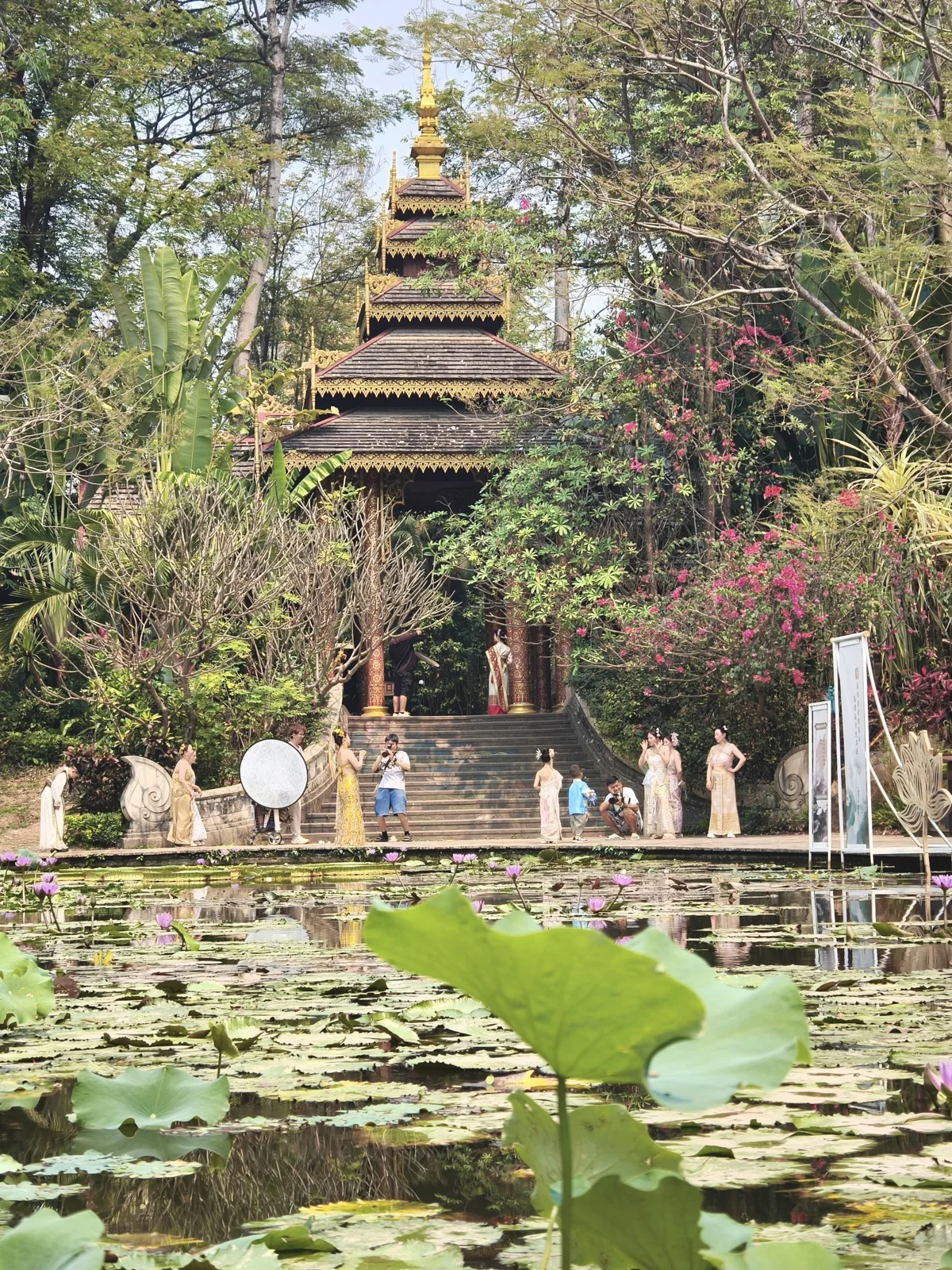
Its true draw, however, is travel photography. Unlike active temples that enforce dress codes (no bare shoulders or knees), this park offers stunning Dai architecture with no wardrobe restrictions. The palace area was completely overrun by tourists dressed as “Dai maidens.”
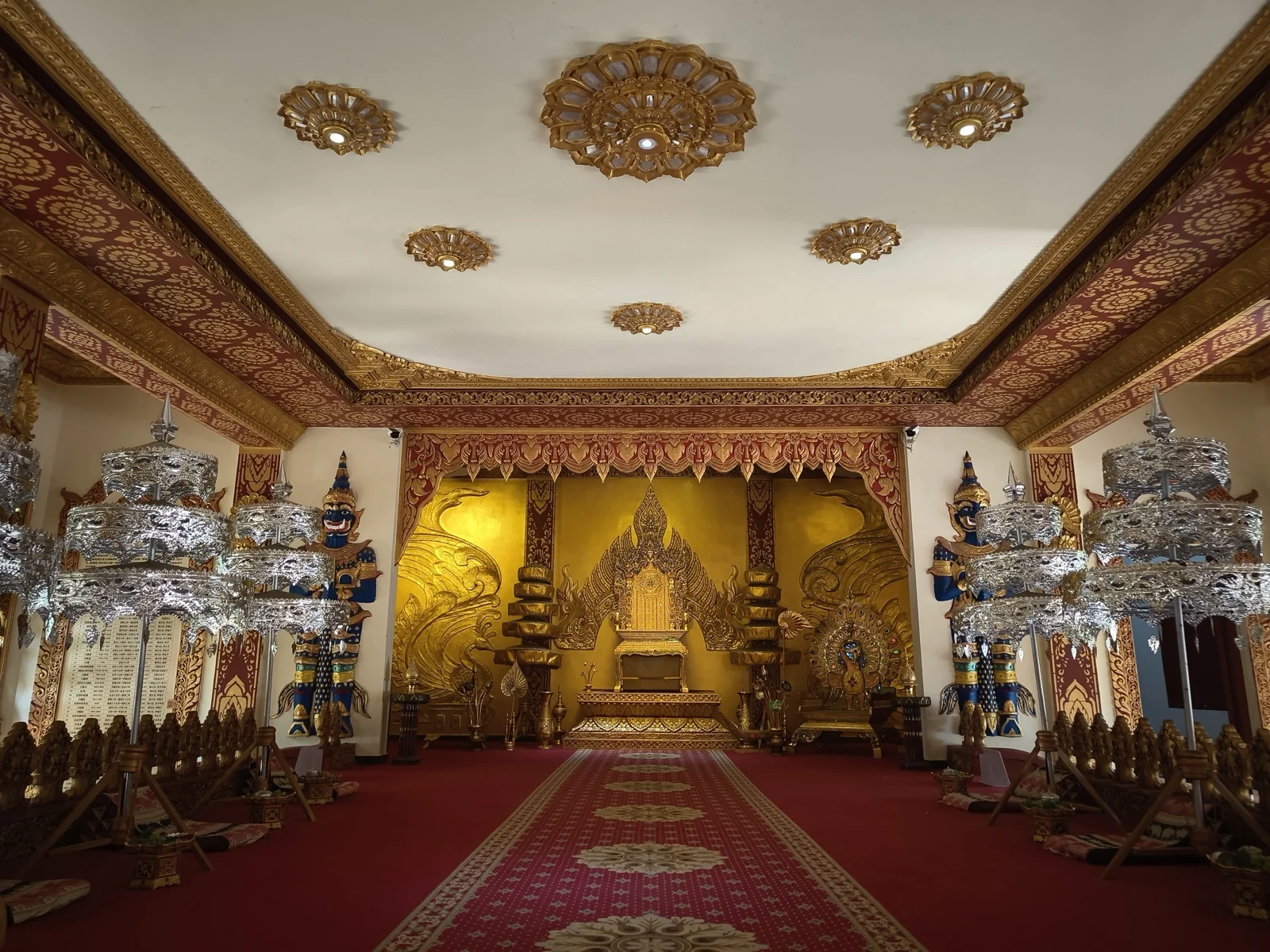
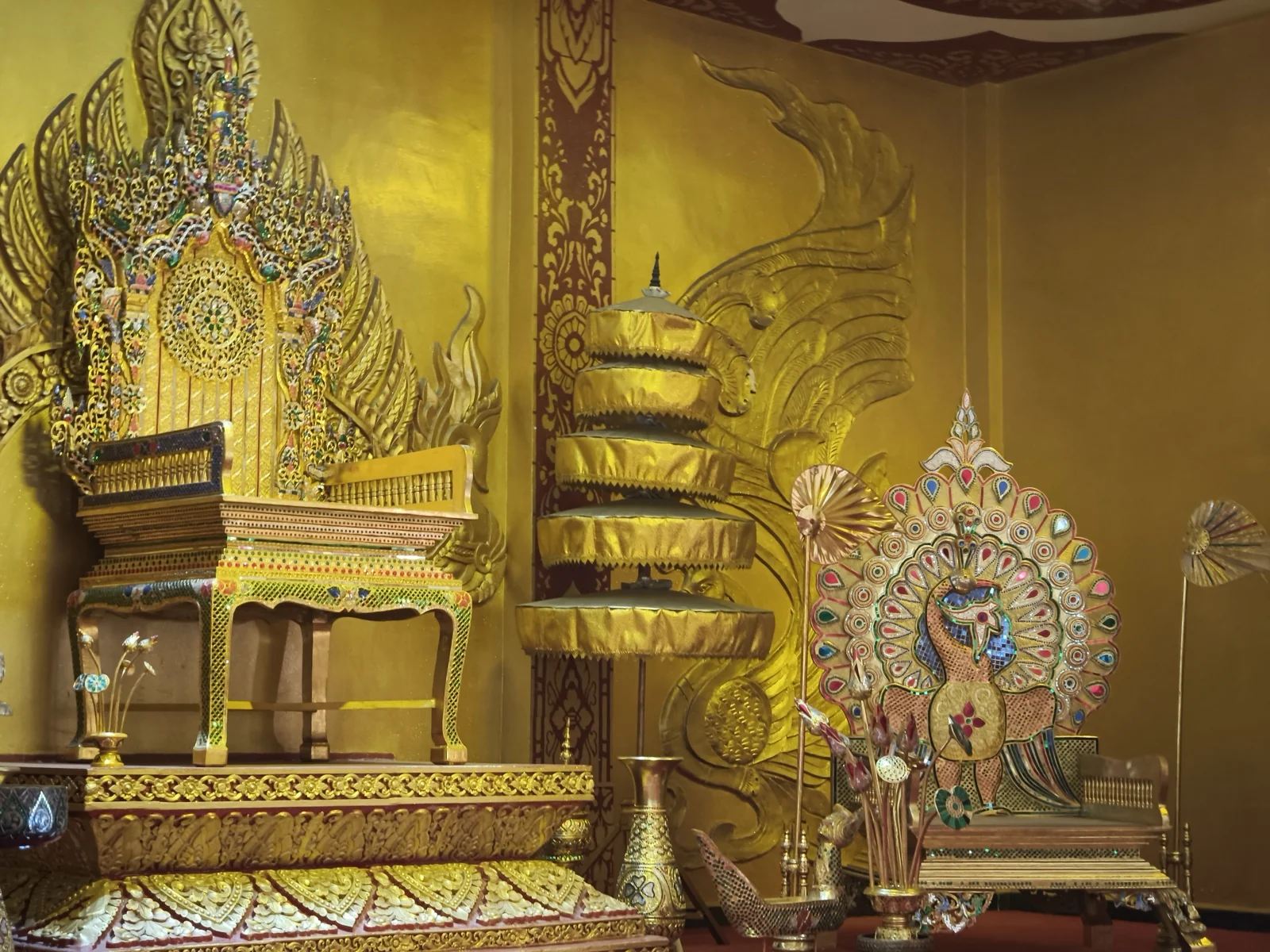
The architecture we see today is a modern reconstruction. Personally, I think their obsession with gold outshines even the Ming and Qing emperors.
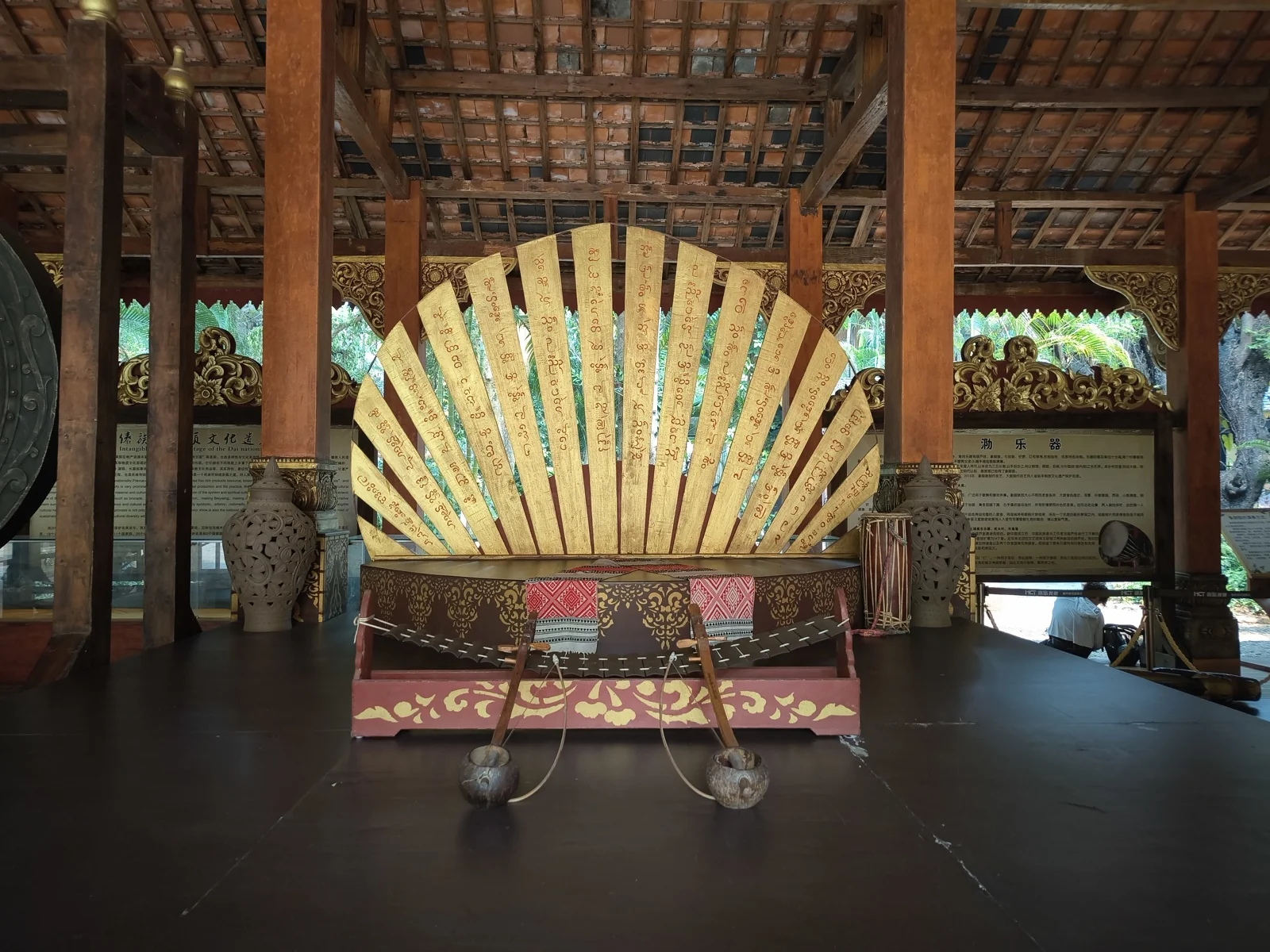
Artifacts are displayed outside the palace. As the “hometown of peacocks,” the bird’s motif is woven into every cultural facet.
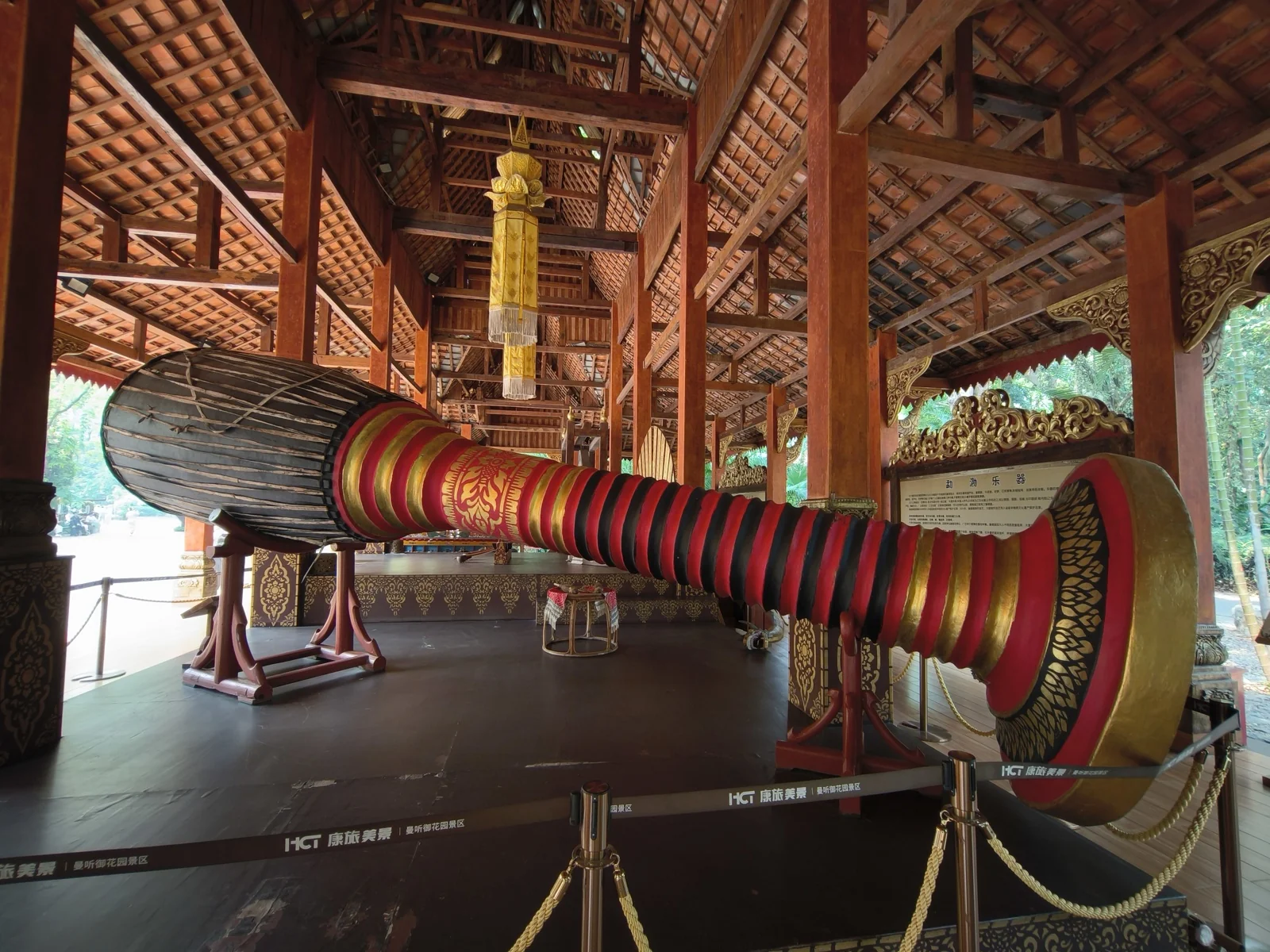
Historically, this region was known as “Mengle” under the Dai kings. “Meng” means “place” in Dai, a prefix you’ll see everywhere on the map. “Le” simply refers to the Dai people.
Similarly, “Man” means “village,” as seen in Manzhang Village (“Zhang” meaning elephant). Dai grammar is interesting—the common noun comes first, and the distinguishing modifier follows.
Even the name “Xishuangbanna” translates to “Twelve Thousand Fields,” originating from a Ming Dynasty administrative tax division. It stuck.
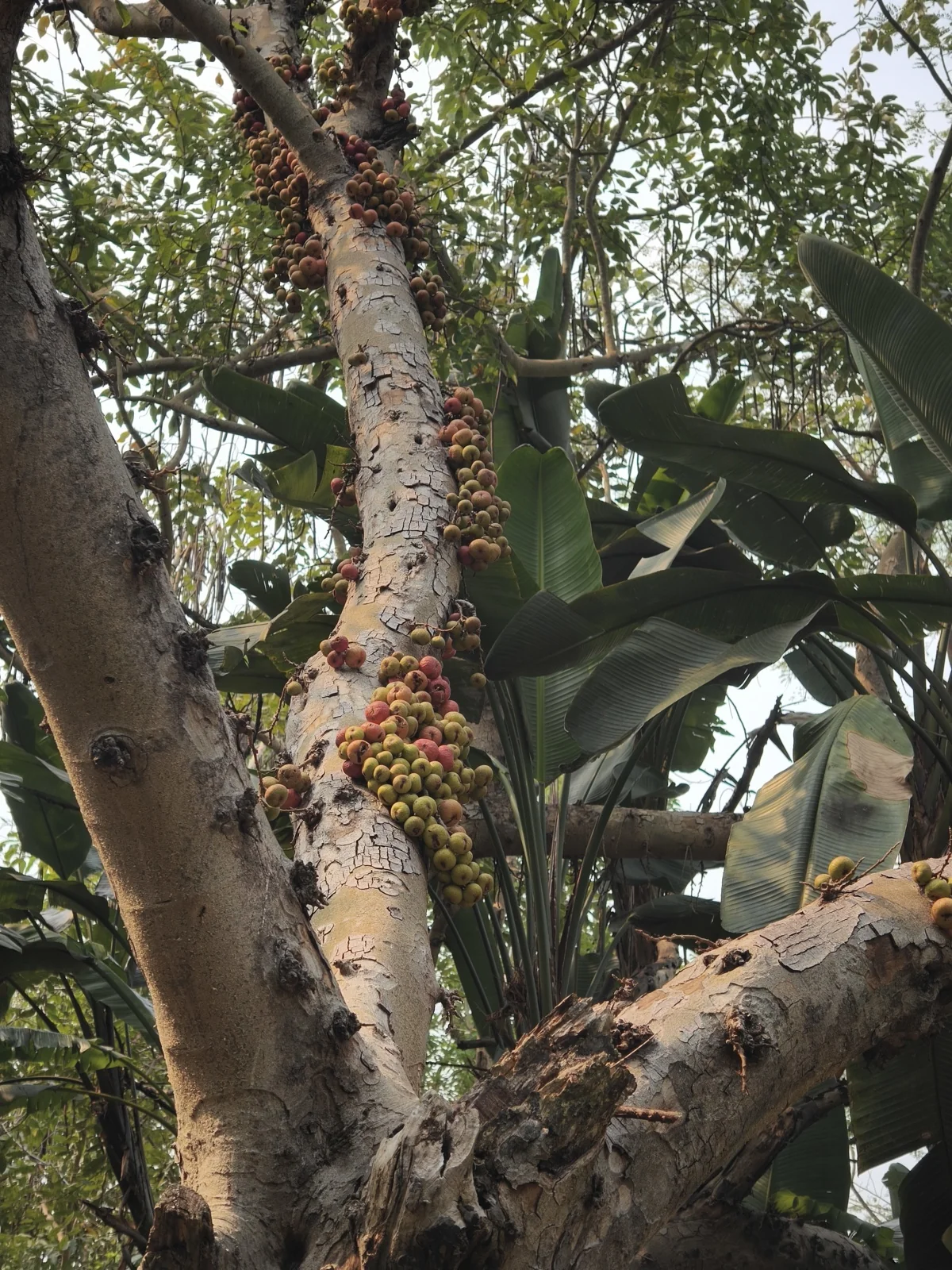
Rushing to the elephant show, we passed a fig-like Ficus tree dropping fruit that looked exactly like figs inside.
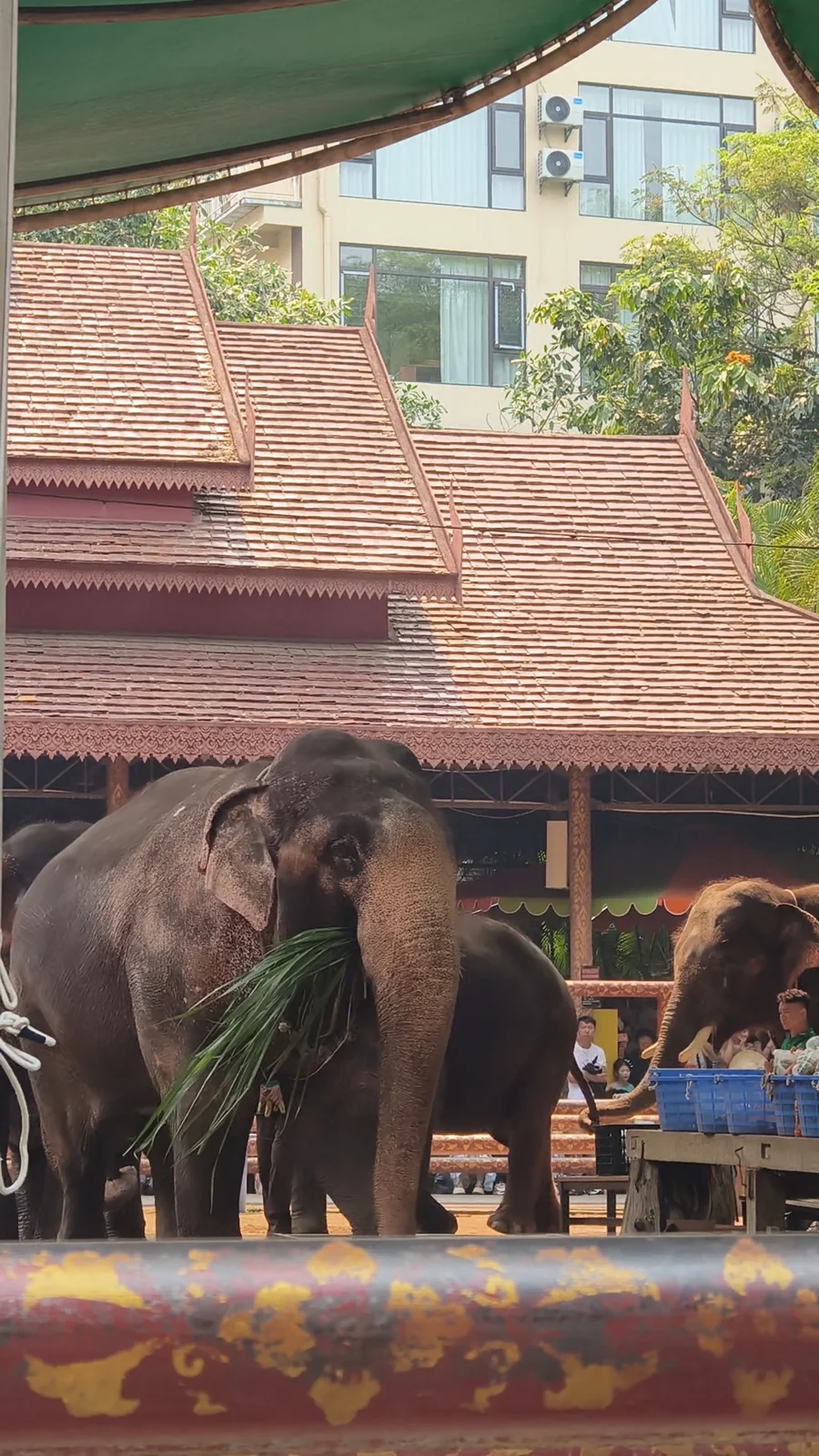
The elephant conservation and education efforts here are commendable. (I’ll bundle the elephant facts into the Wild Elephant Valley section).
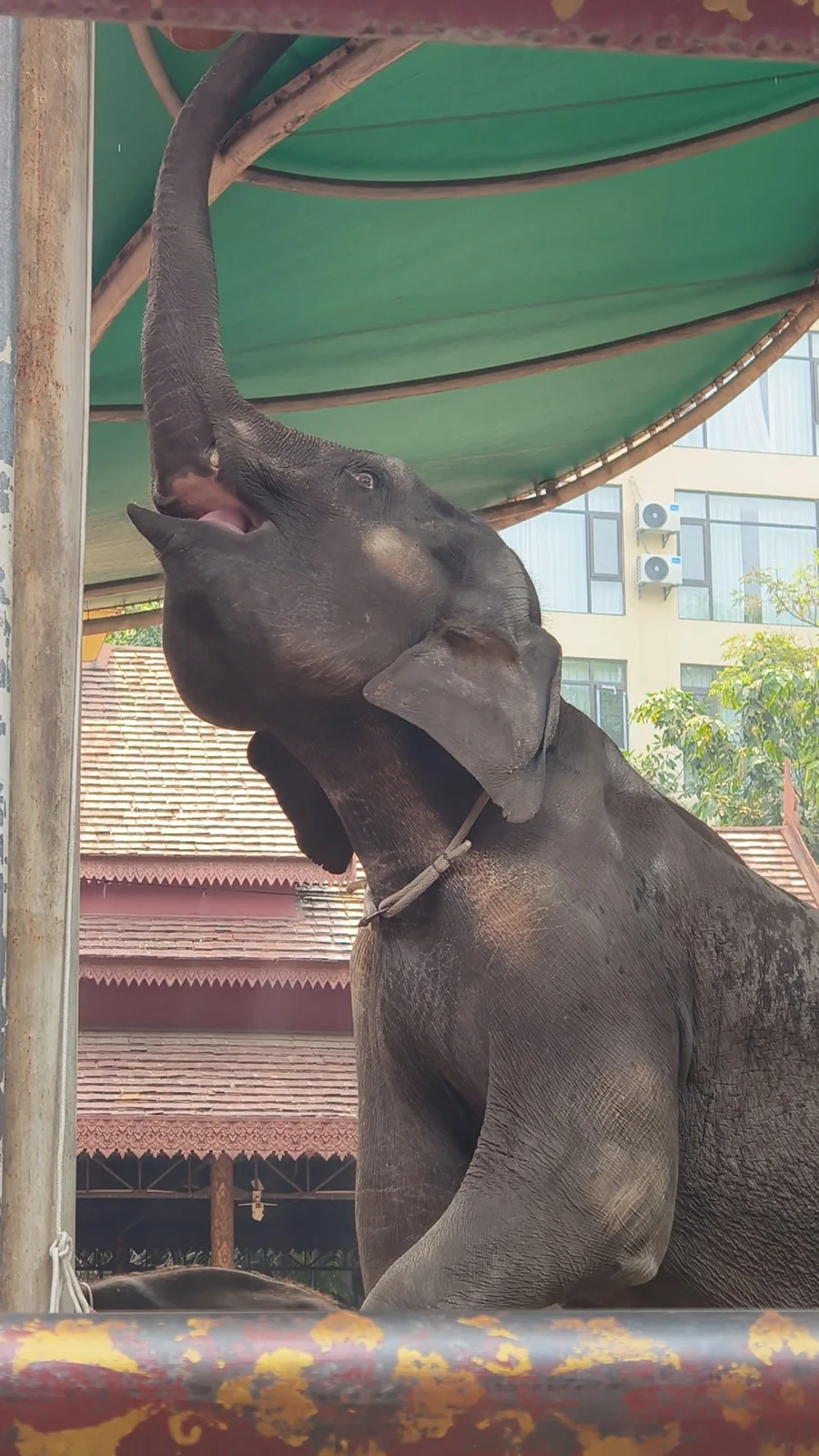
The presentations were entirely educational—focusing on feeding and health checks rather than unnatural, crowd-pleasing tricks.
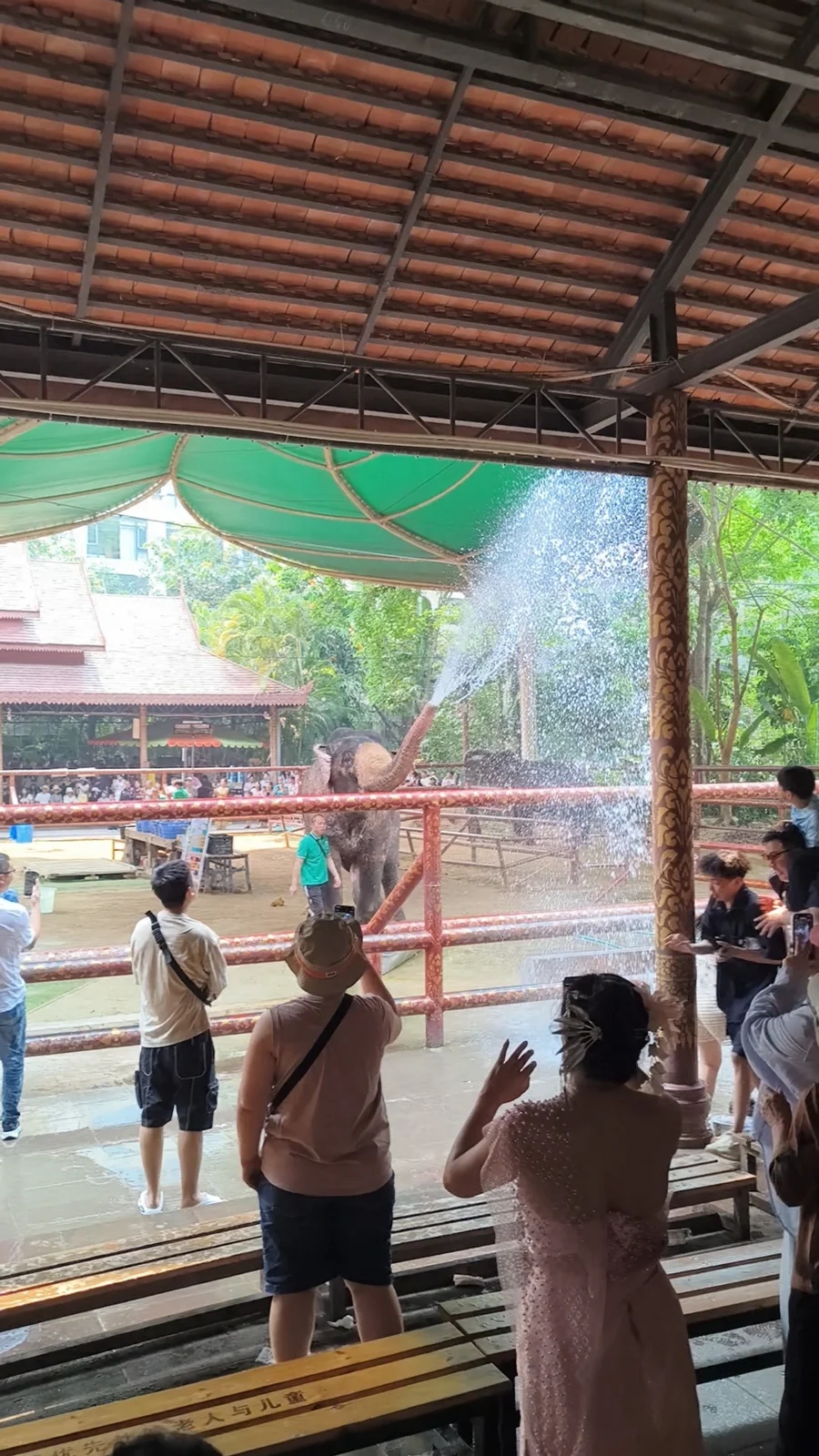
At the end, the elephants splashed the audience in greeting.
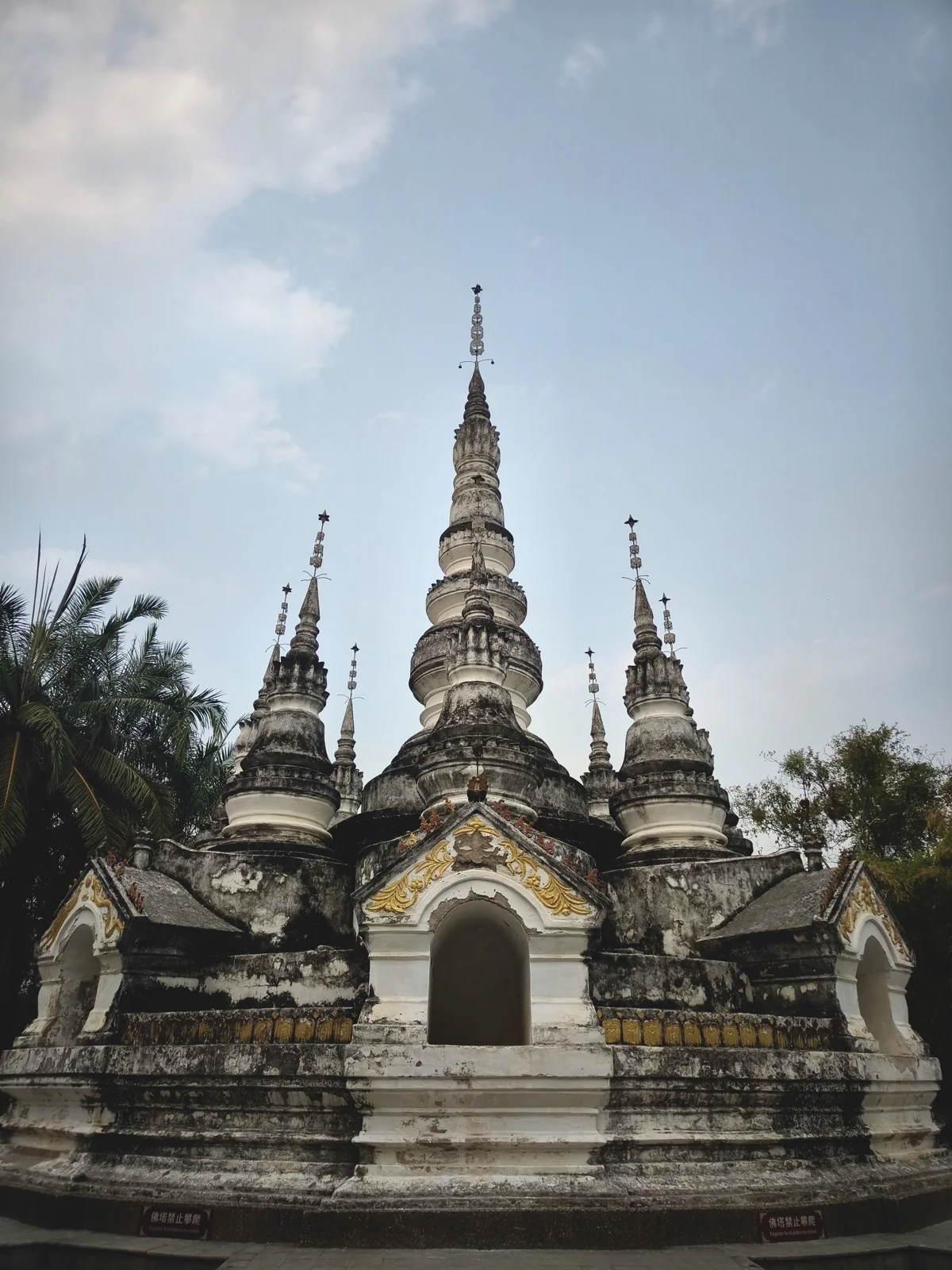
We exited the elephant park and walked along the garden’s far bank, passing a small white stupa near the exit.
Wat Rajabhoj (Zongfosi)
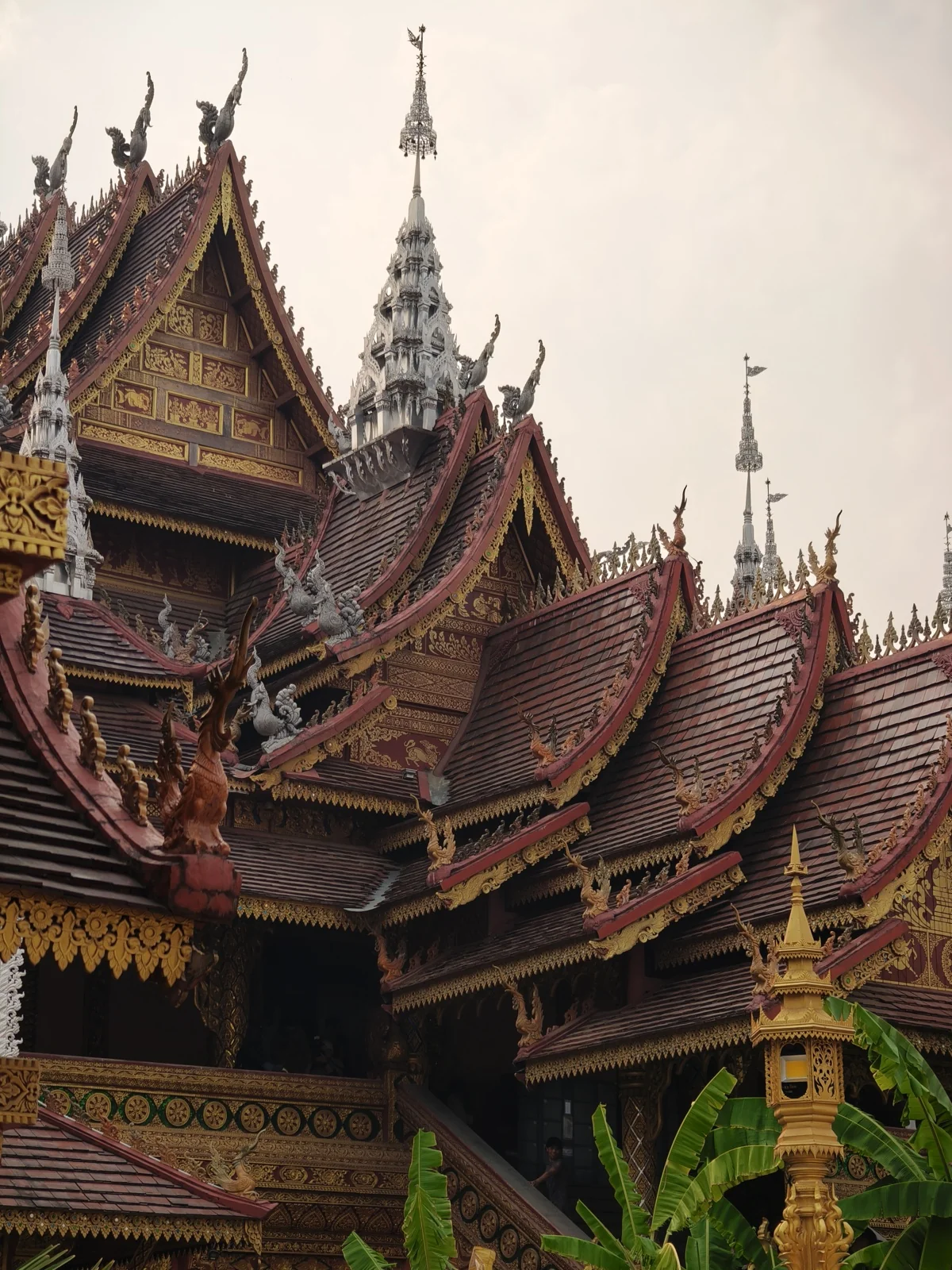
Manting Park connects directly to Wat Rajabhoj.
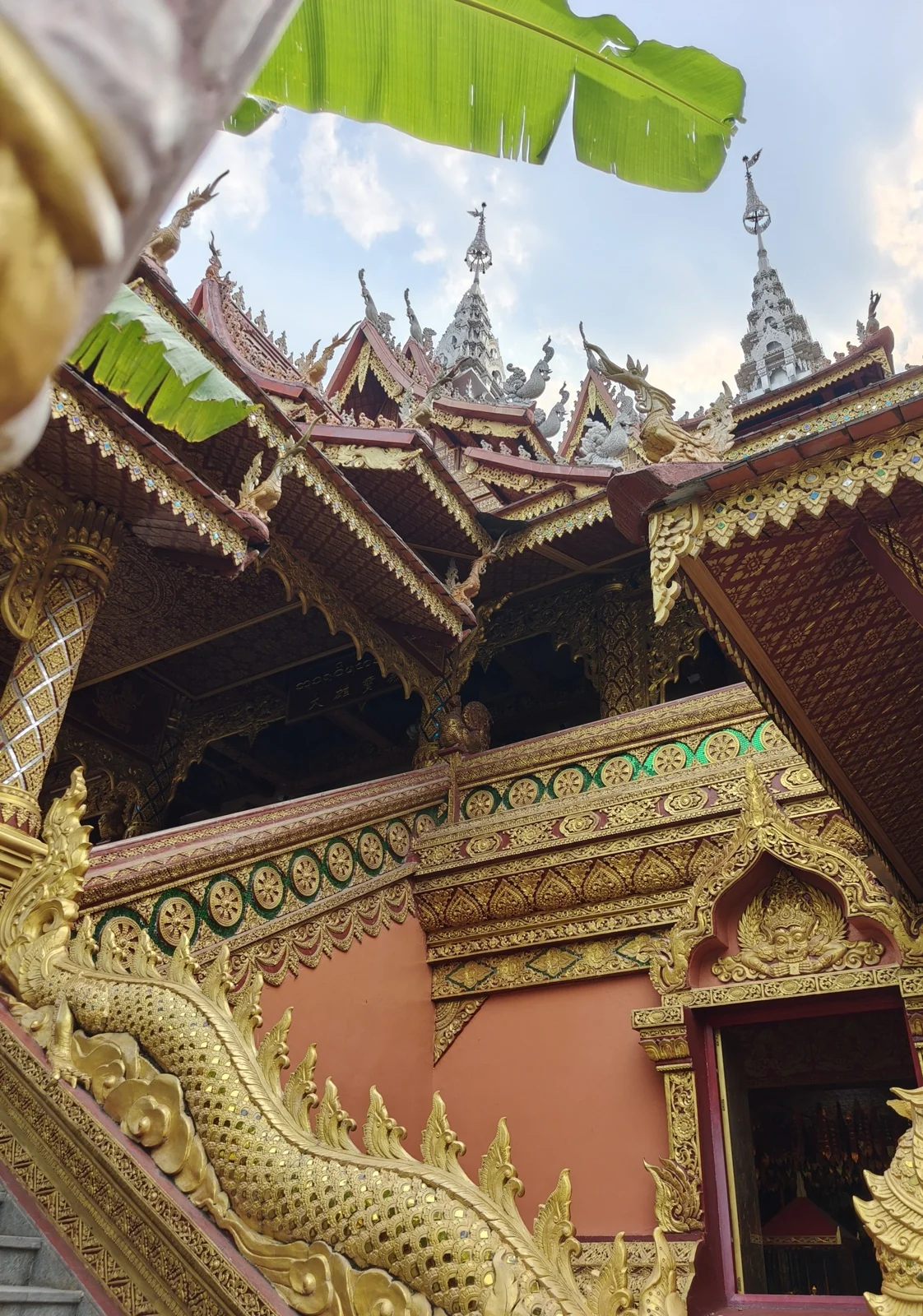
Visiting during the day reveals layers of intricate details that are lost in the dark.
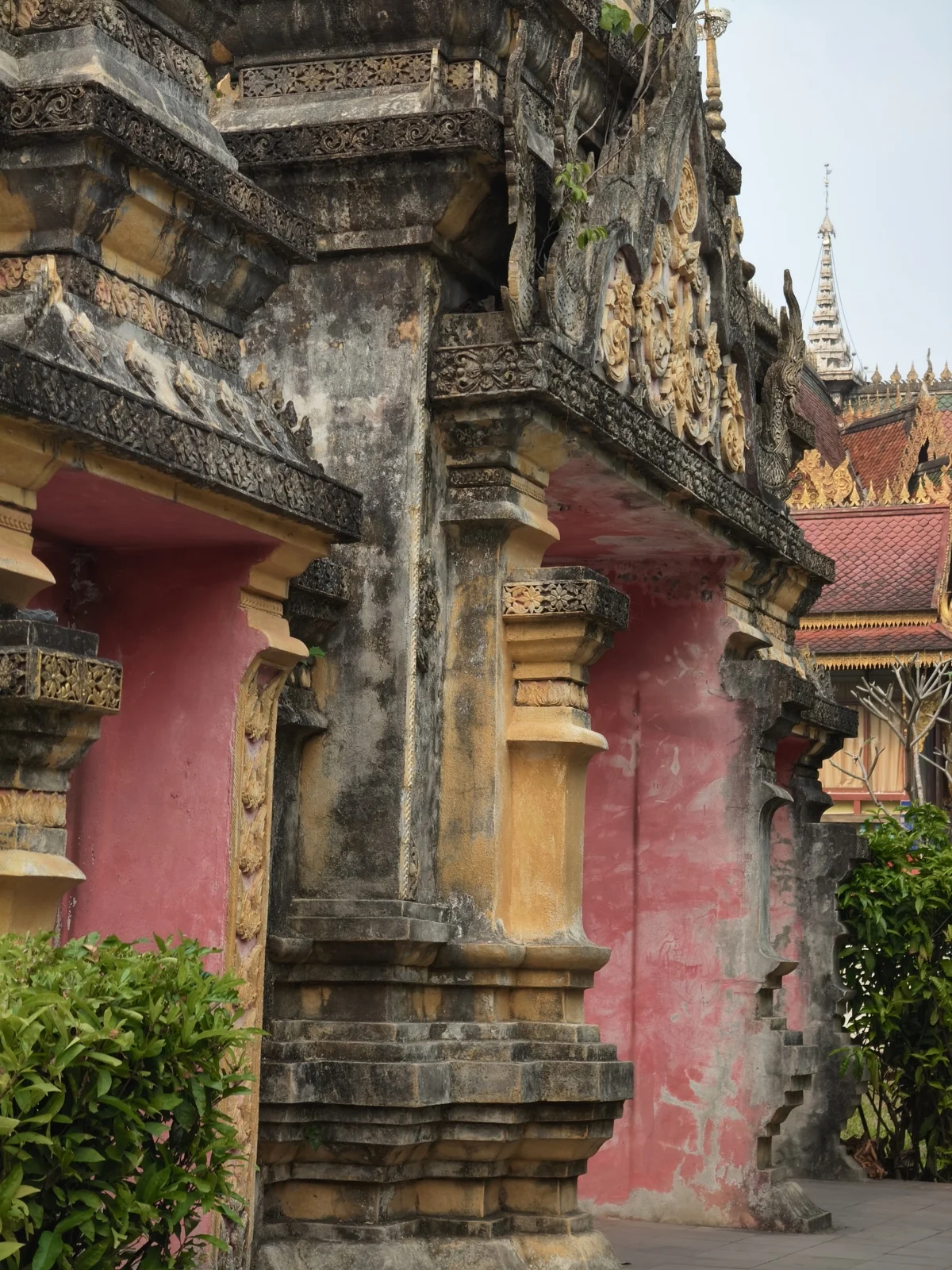
One gate in particular looked noticeably older than the rest.
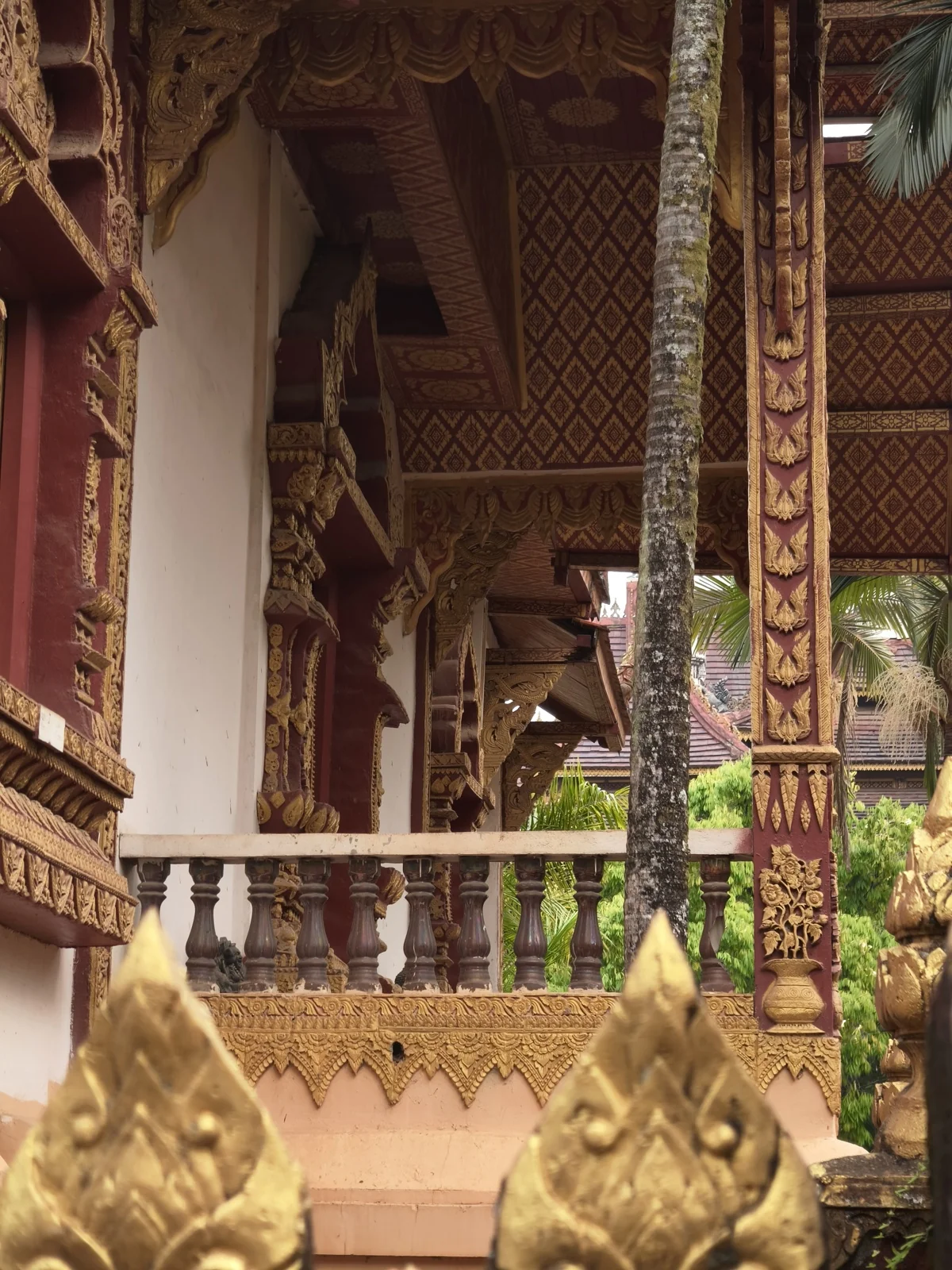
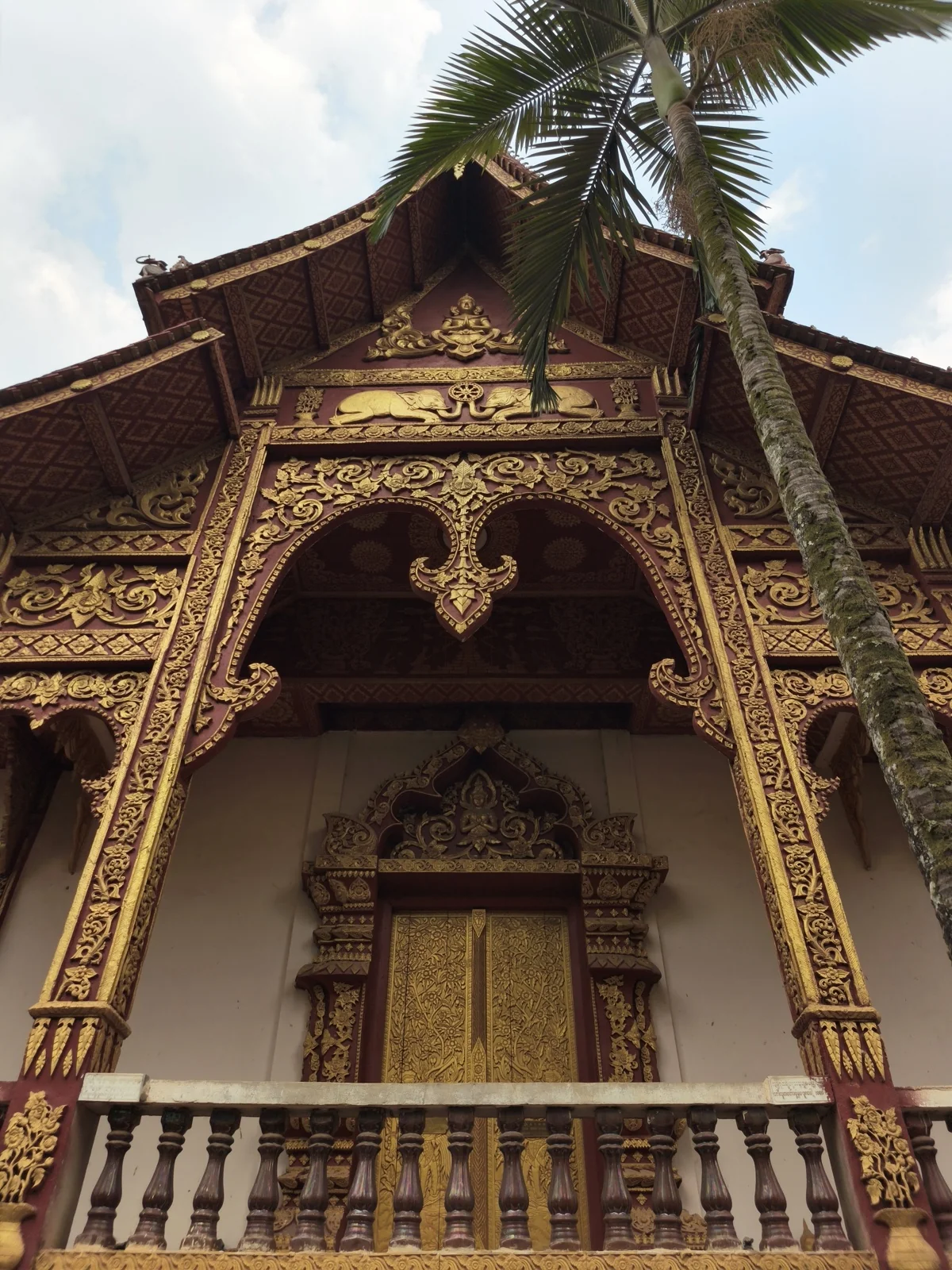
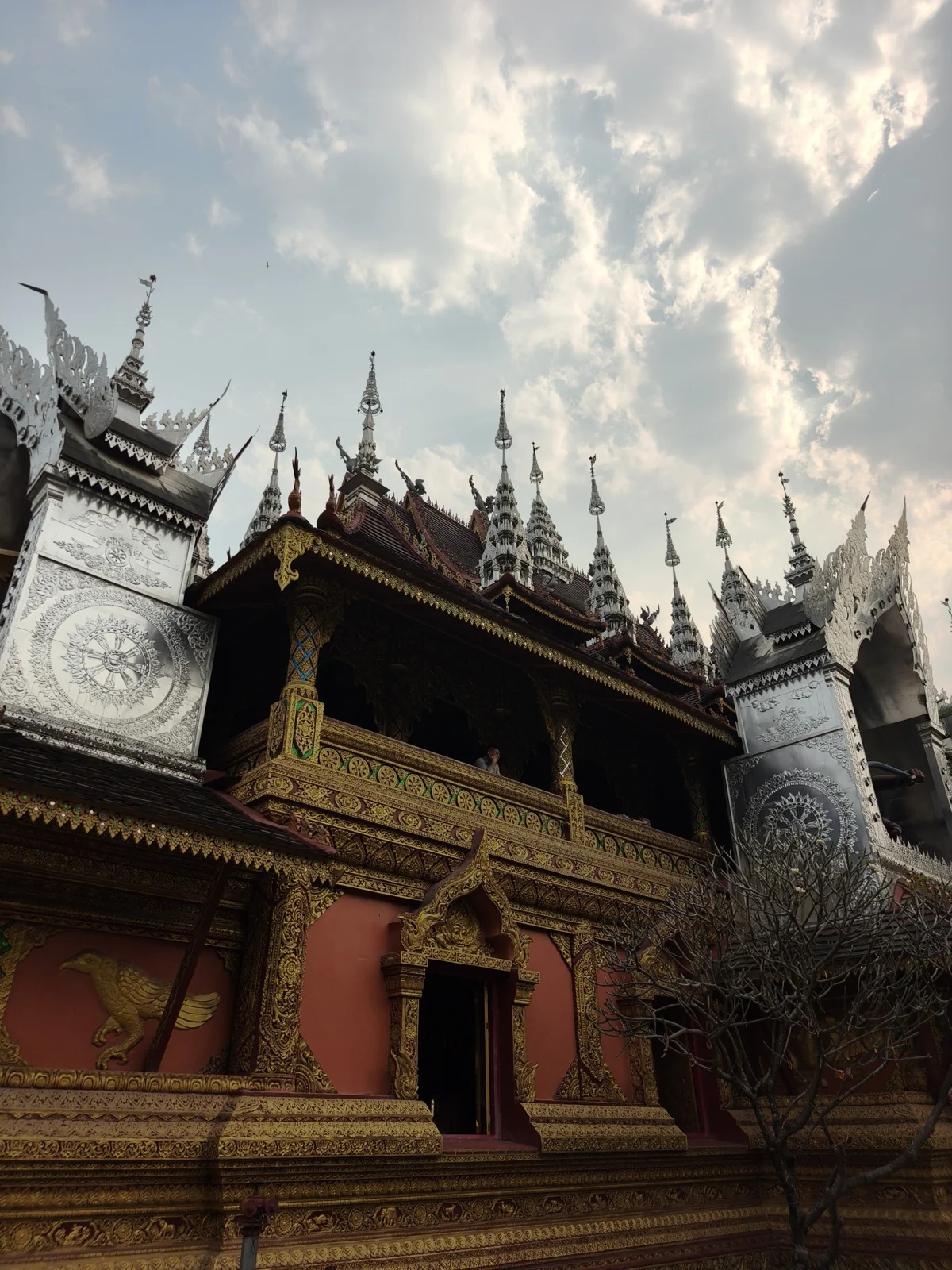
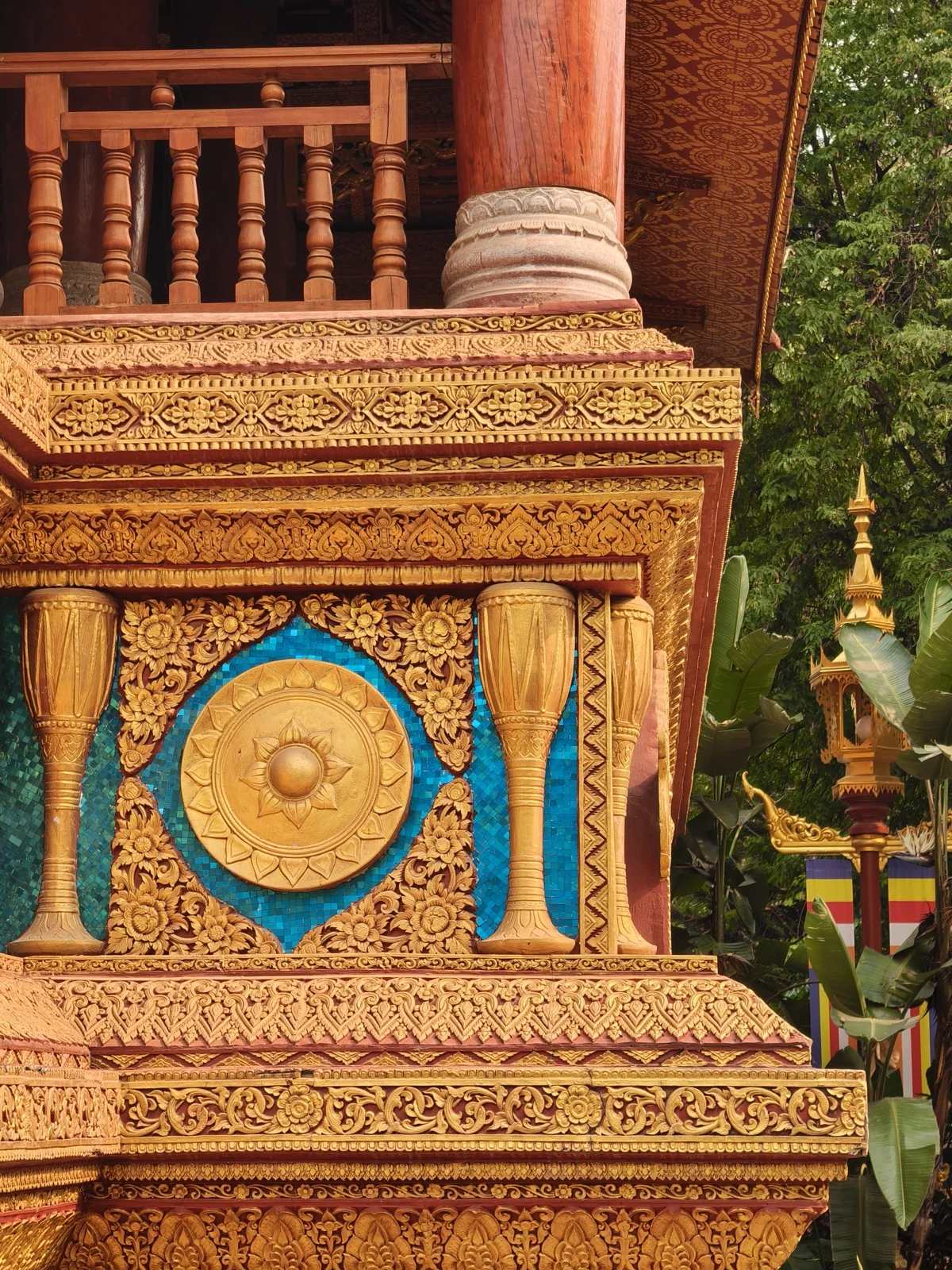
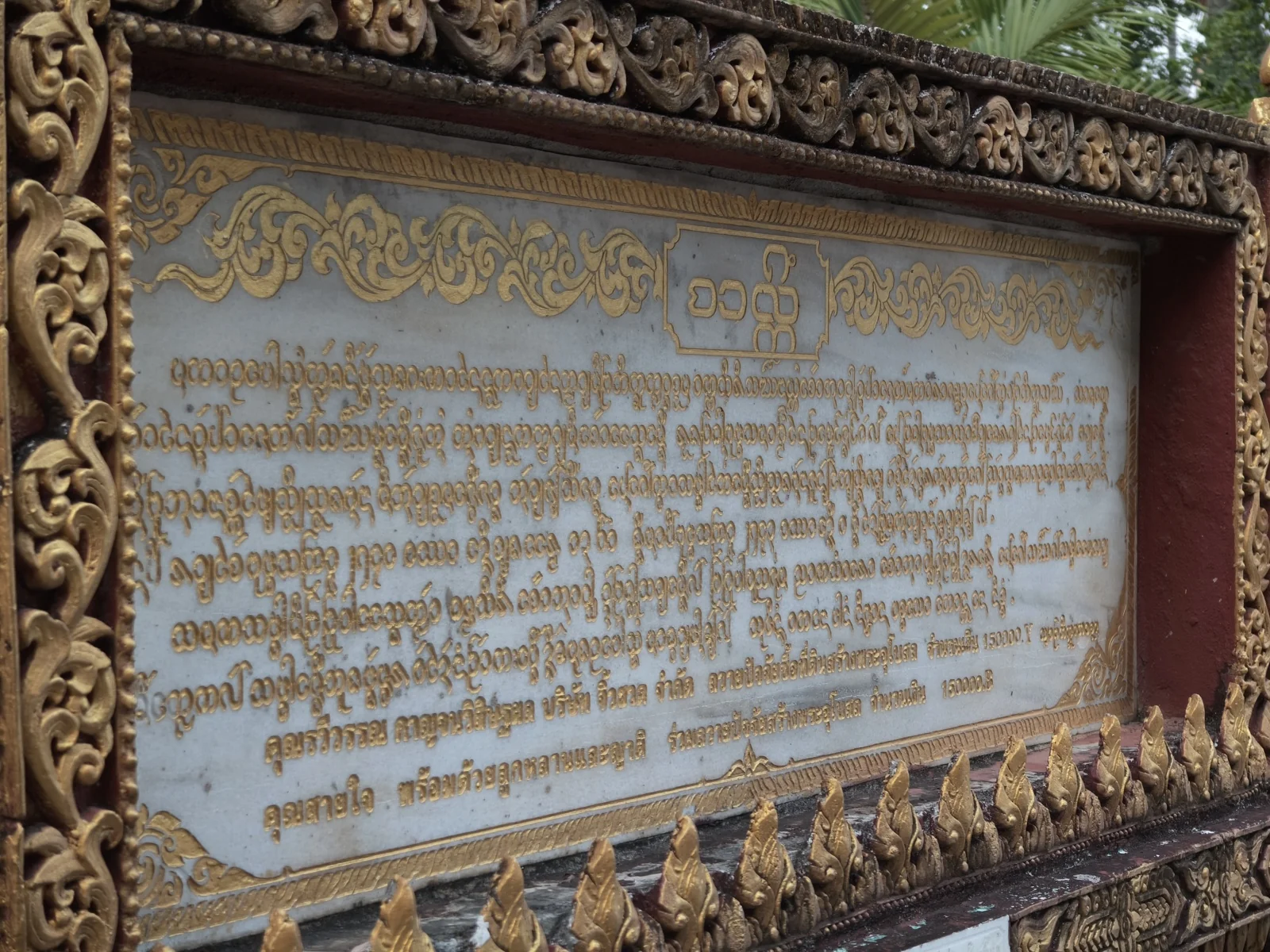
I spotted a stone stele with unfamiliar characters—likely related to the life of the monk it memorializes.
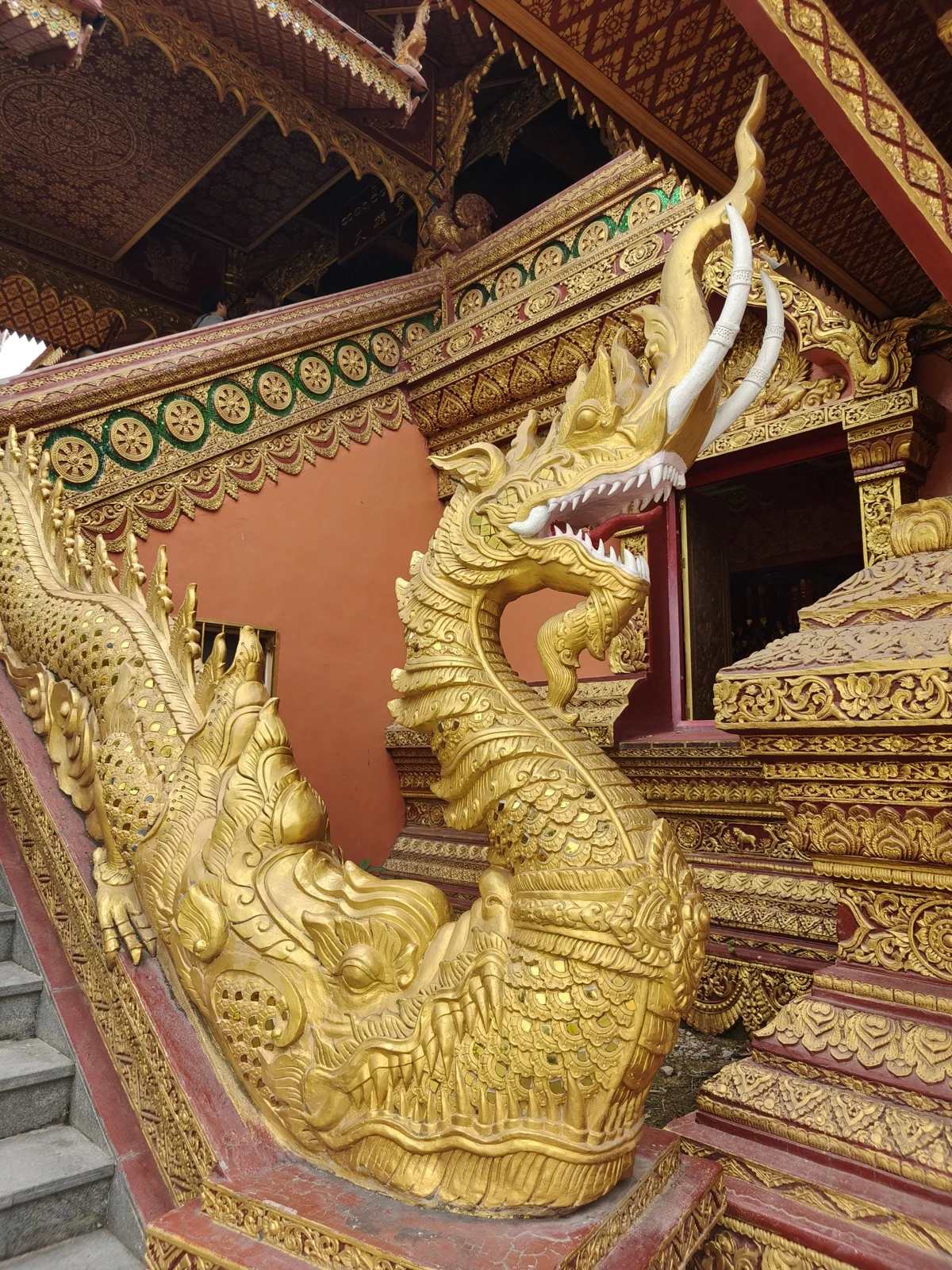
In Dai culture, even dragons are depicted with elephant tusks and trunks.
Day 4: Wild Elephant Valley
This long, narrow park stretches from southeast to northwest. The southeast section houses the elephant enclosures and paid trekking. The middle section features tropical flora, fauna, and commercial areas. The vast northwest is a wild elephant habitat accessible by cable car and boardwalks.
Elephant Science & Rainforest Trekking
We booked the rainforest elephant trek and headed straight to the enclosures, catching another educational session while waiting.
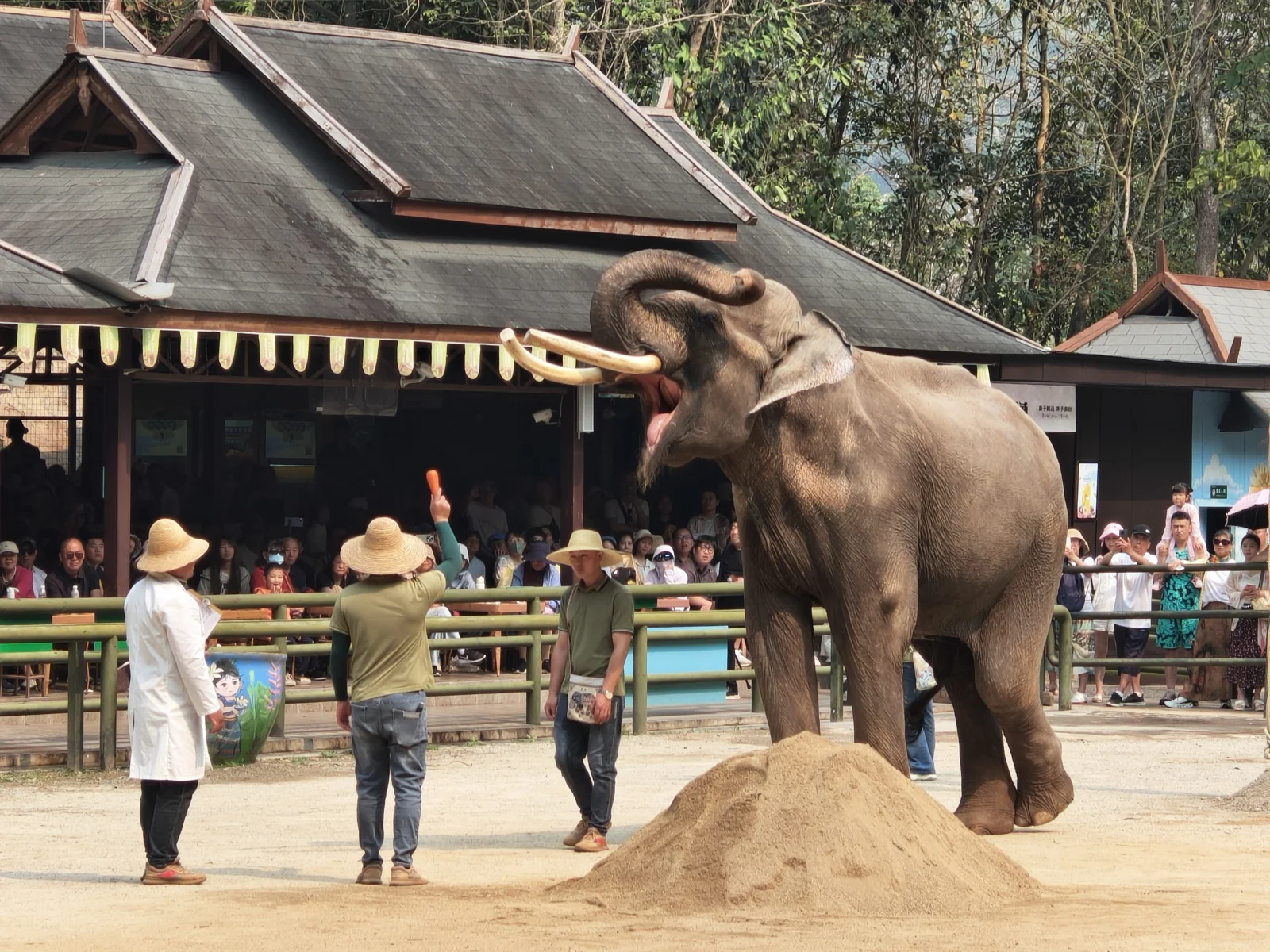
Here, handlers inspected an elephant’s teeth. Elephants will only hold their mouths open like this for people they deeply trust.
Some fascinating facts we learned:
- Elephants replace their teeth 5 times, maxing out at 6 sets. Wild elephants grind through them faster eating tough bamboo, usually dying around age 60 when the last set wears out. Captive elephants eat softer food and can live into their 80s.
- Asian elephants have 5 front toes and 4 back toes; African savanna elephants have 4 front and 3 back.
- Their digestive efficiency is terrible—only 40% of food is absorbed. During our trek, the elephant dropped fresh dung packed with undigested grass. Calves sometimes eat their mother’s dung to acquire essential digestive probiotics.
- Asian elephants operate in matriarchal societies. Males leave the herd upon reaching adulthood.
- The folding of an elephant’s ears indicates its age.
- A trunk contains zero bones, only muscle. Its true dexterity comes from a small “finger” at the tip (Asian elephants have one, African elephants have two). This functions like a primate’s opposable thumb, allowing them to pick up objects as small as a soybean—a critical evolutionary trait for tool use.
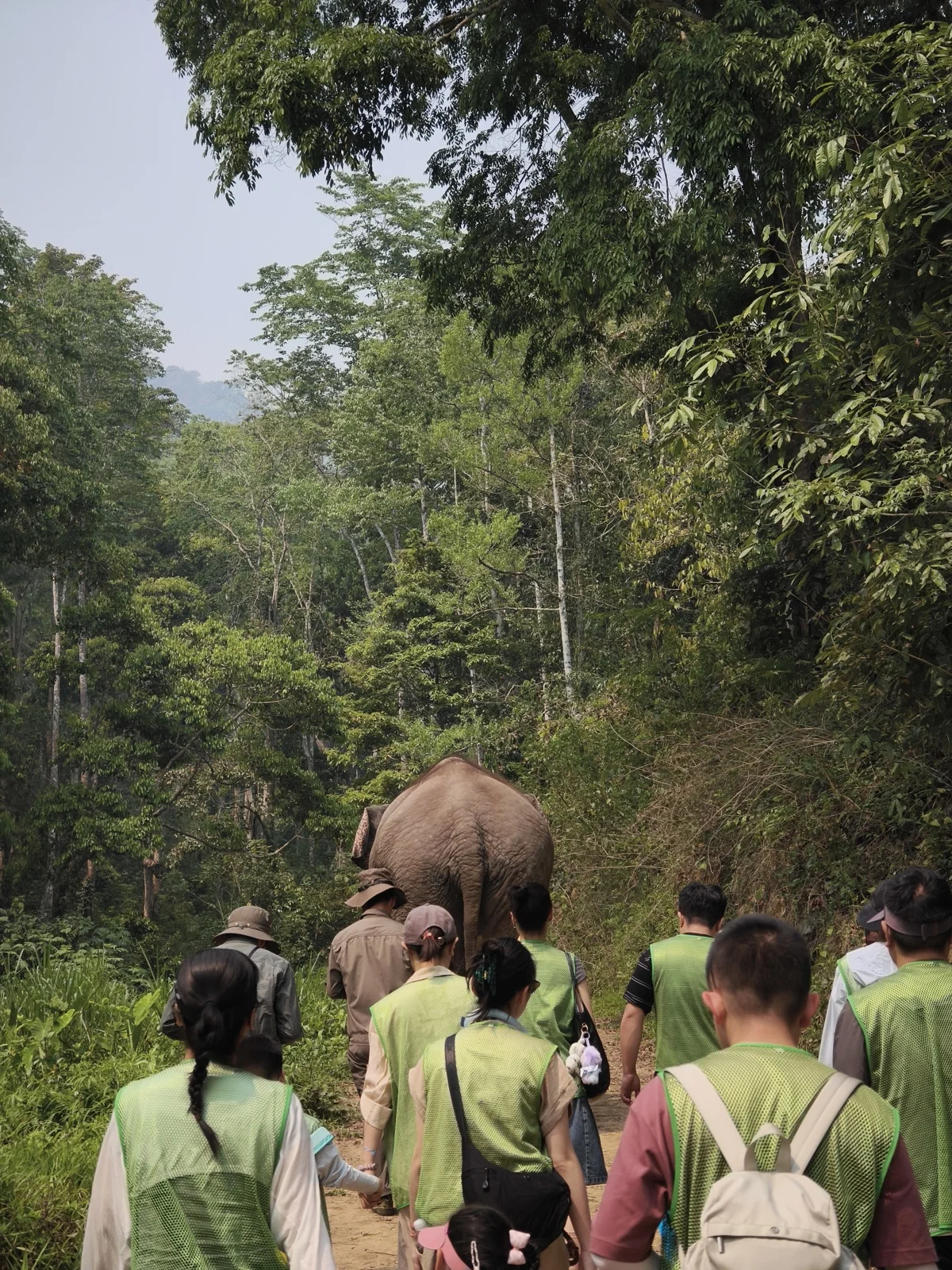
The trek involved following an elephant through the rainforest, feeding it at a designated spot, snapping photos, and returning, all accompanied by expert commentary.
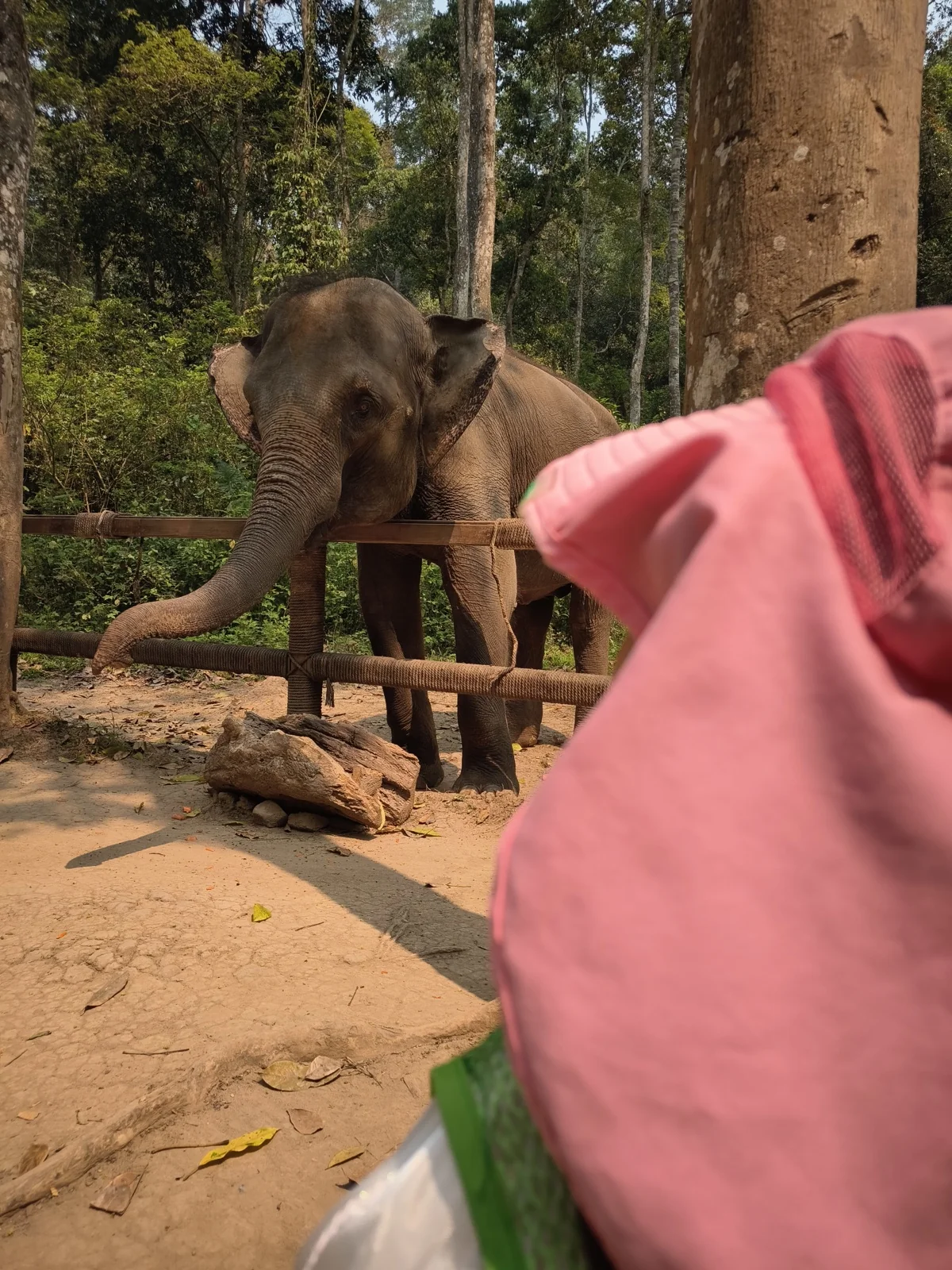
Afterward, we spotted a mother and calf on a side path.
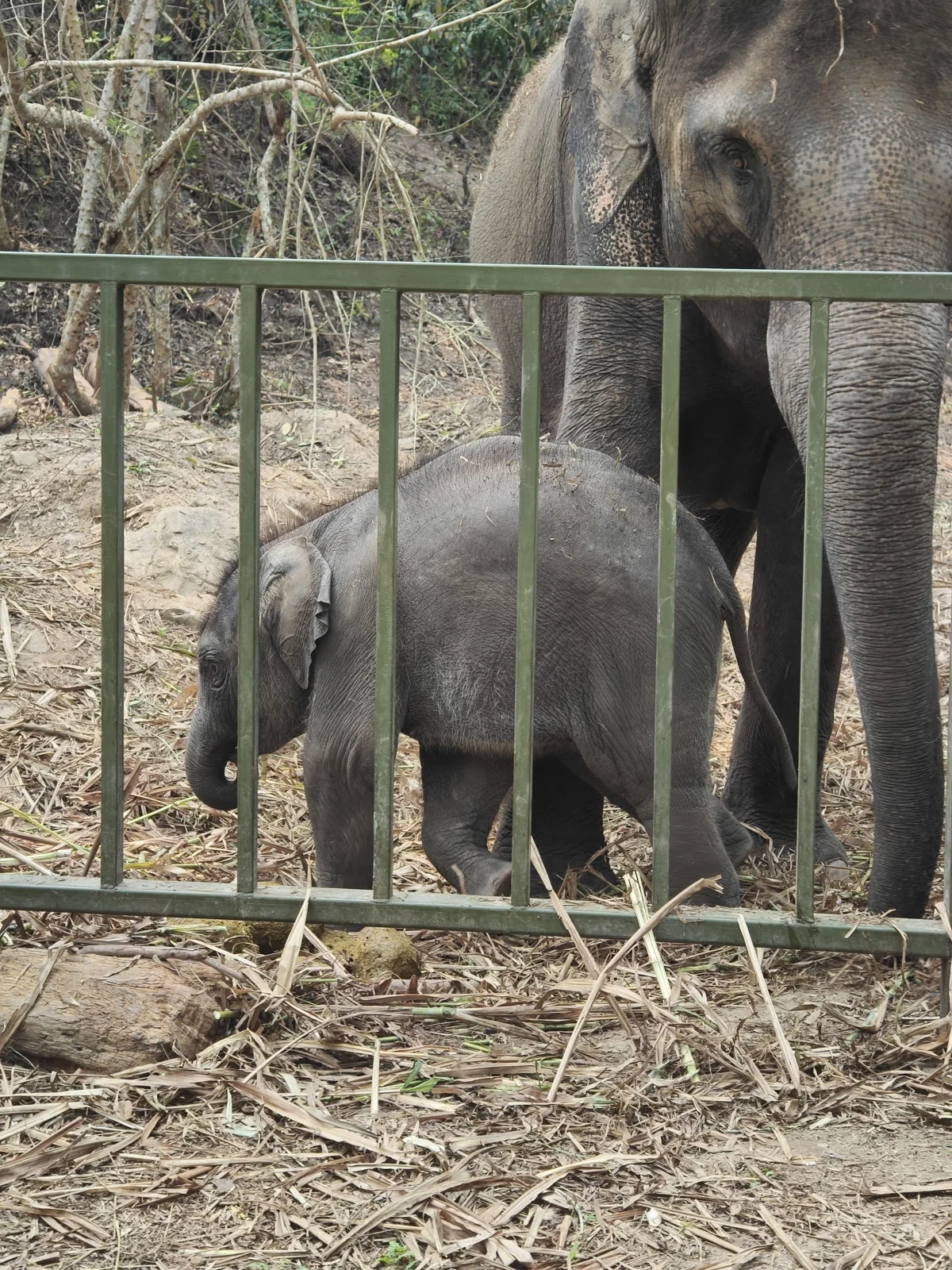
Calves have to learn how to use their trunks; this one was playfully stepping on its own nose.
During the trek, tropical insects buzzed around us. A girl in our group screamed, thinking they were bees.
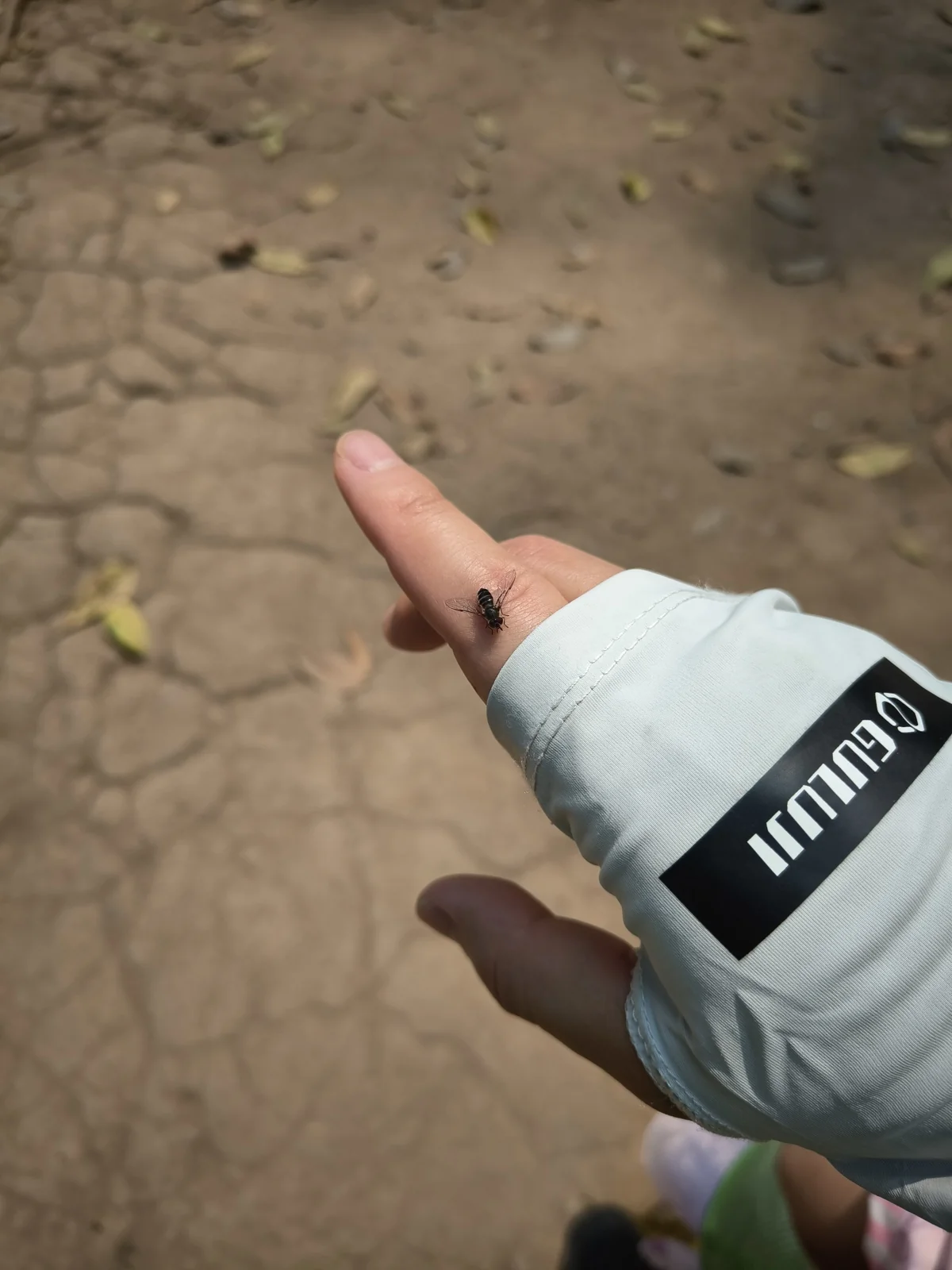
One landed on my hand. It was actually a hoverfly—a harmless, aphid-eating master of flight that mimics bees as a defense mechanism. Unlike bees, hoverflies can hover perfectly still and even fly backward.
Flora, Fauna & Folk Performances
We didn’t linger in the middle section.
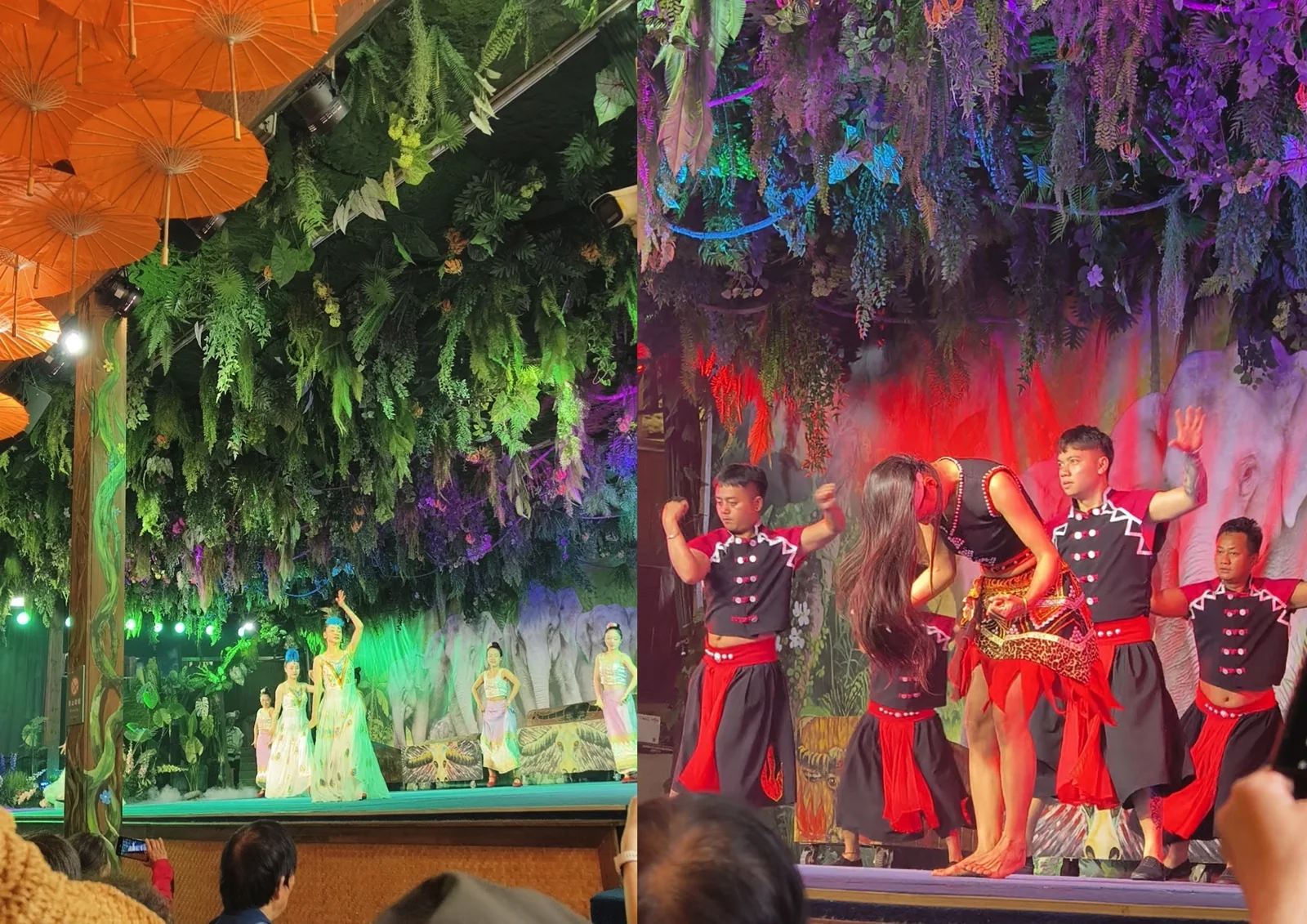
We grabbed lunch and stumbled upon an ethnic performance featuring the Wa people’s intense hair-swinging dance.
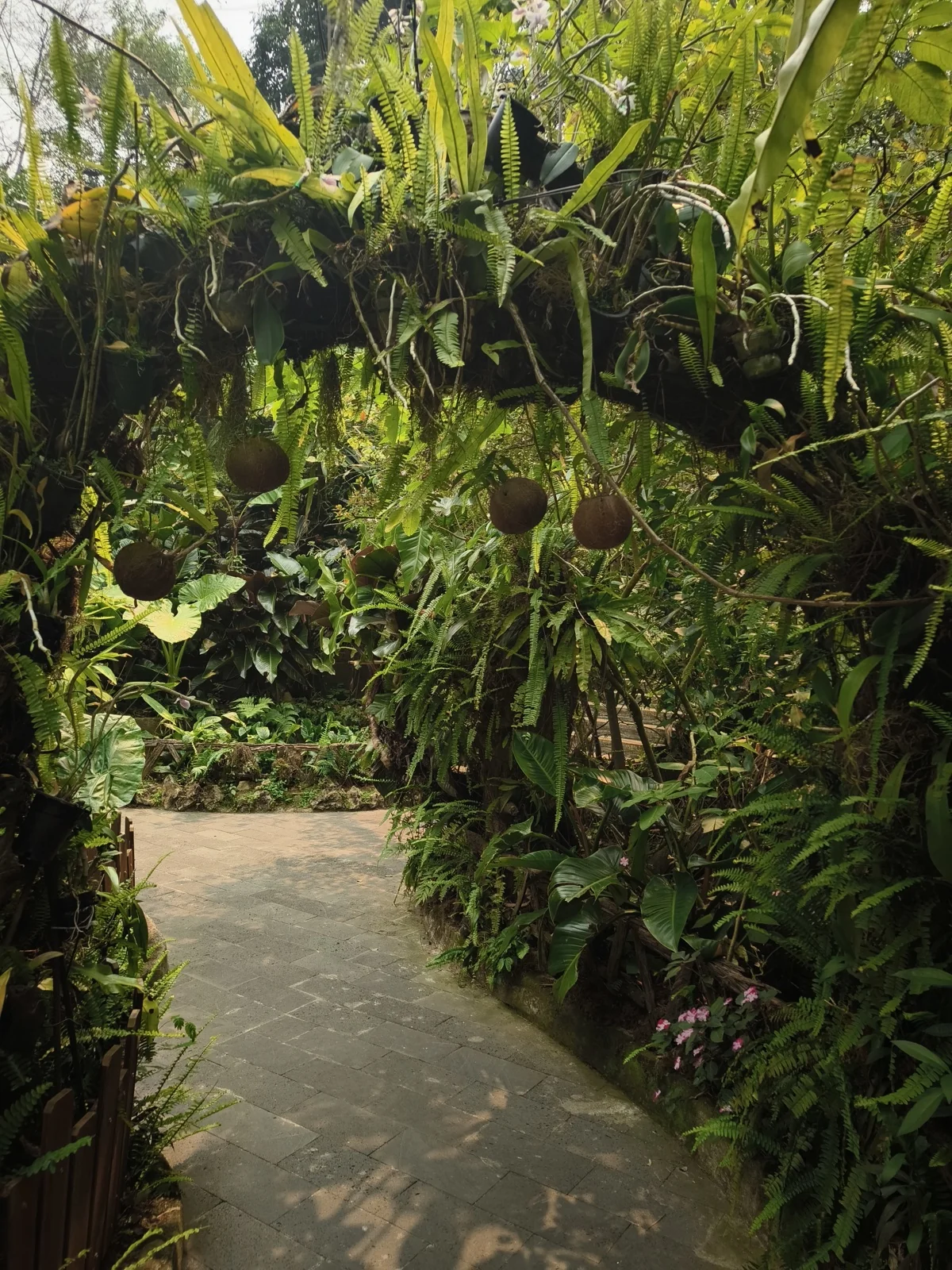
On the way to the cable car, my daughter found a tiny snail in the orchid garden and happily carried it around.
Wild Elephant Habitat
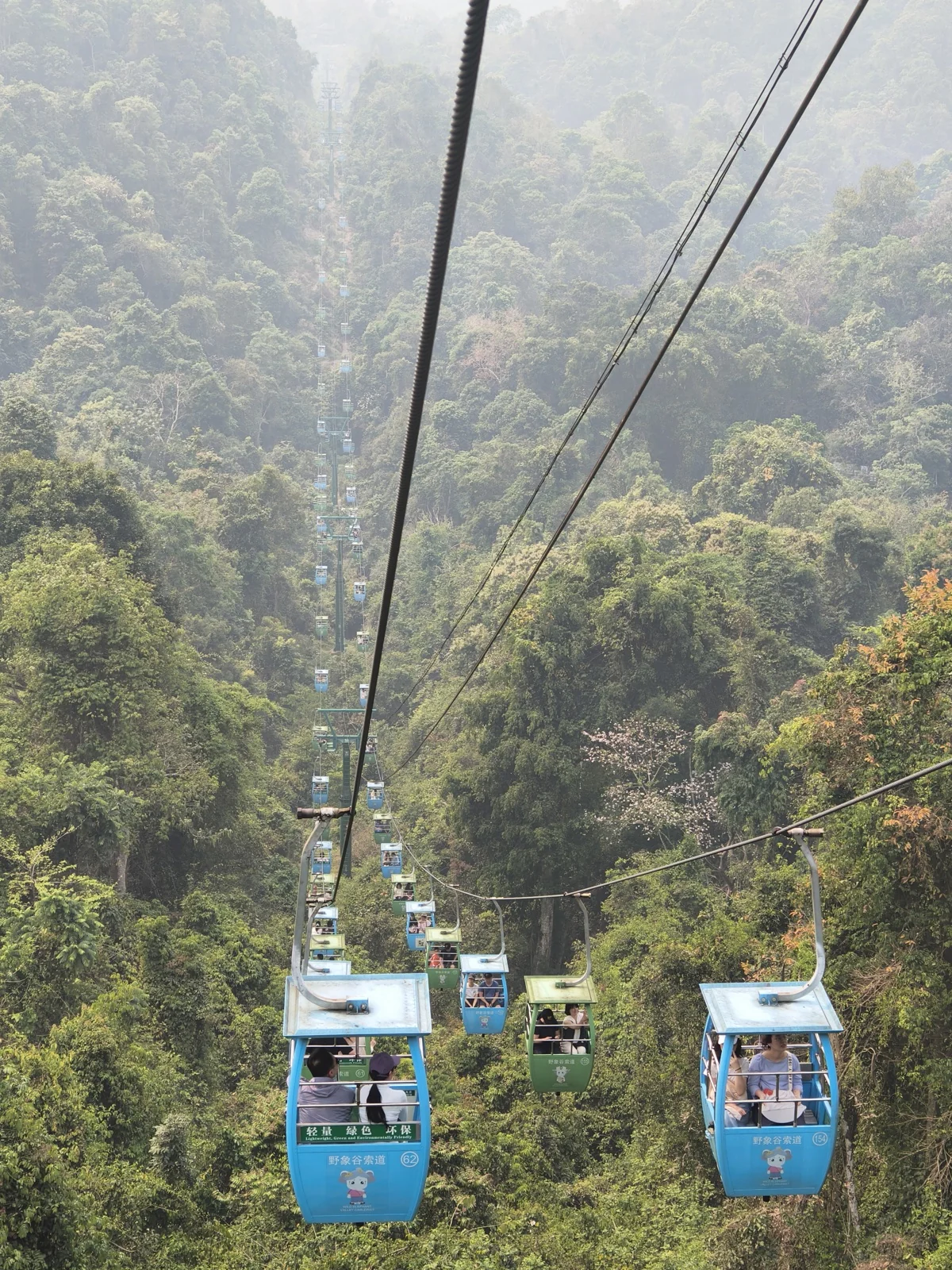
A 30-minute cable car ride took us over several valleys to the summit.
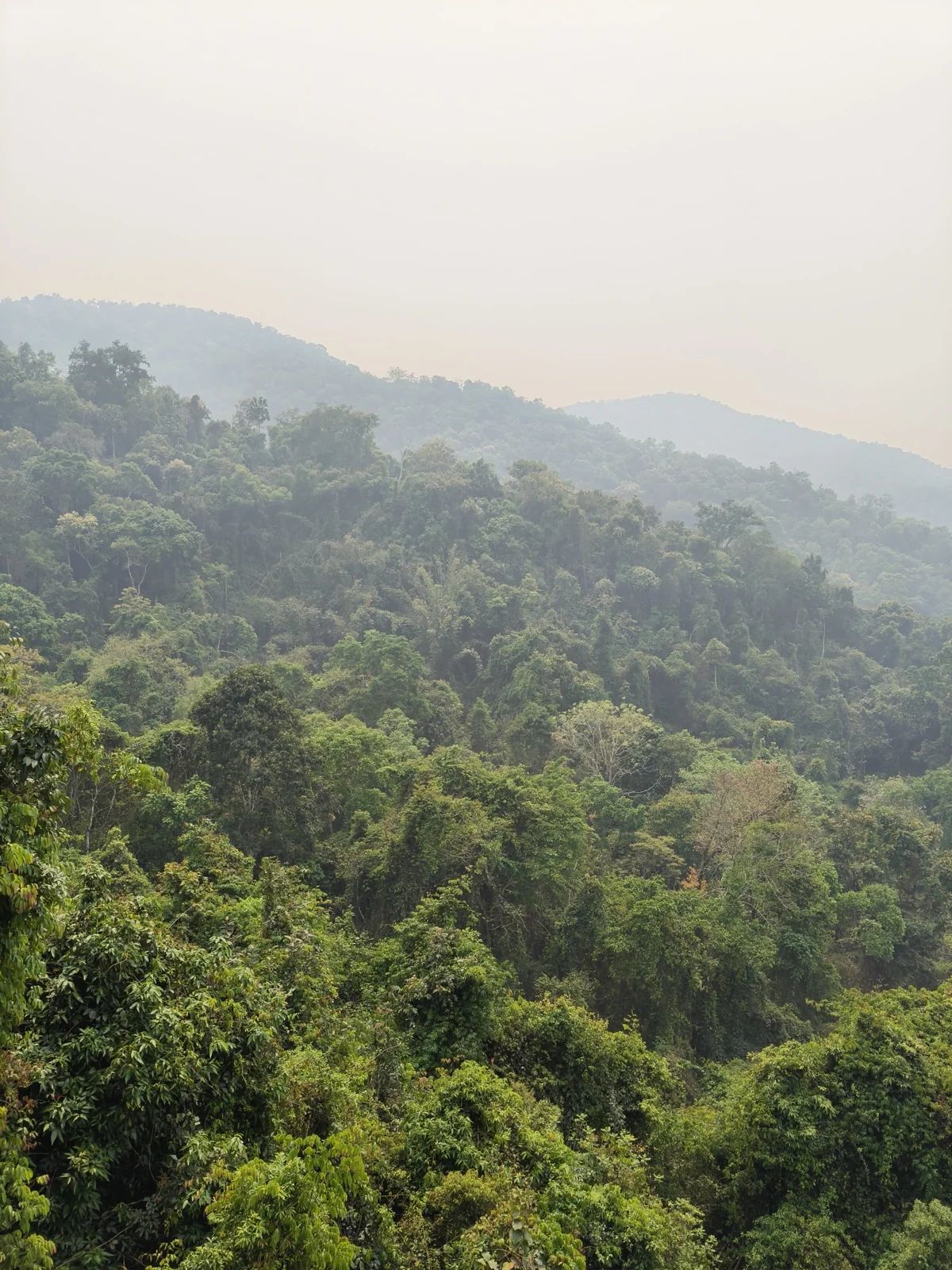
From above, the rainforest looks like a chaotic, interconnected web of vines, making it hard to distinguish individual trees.
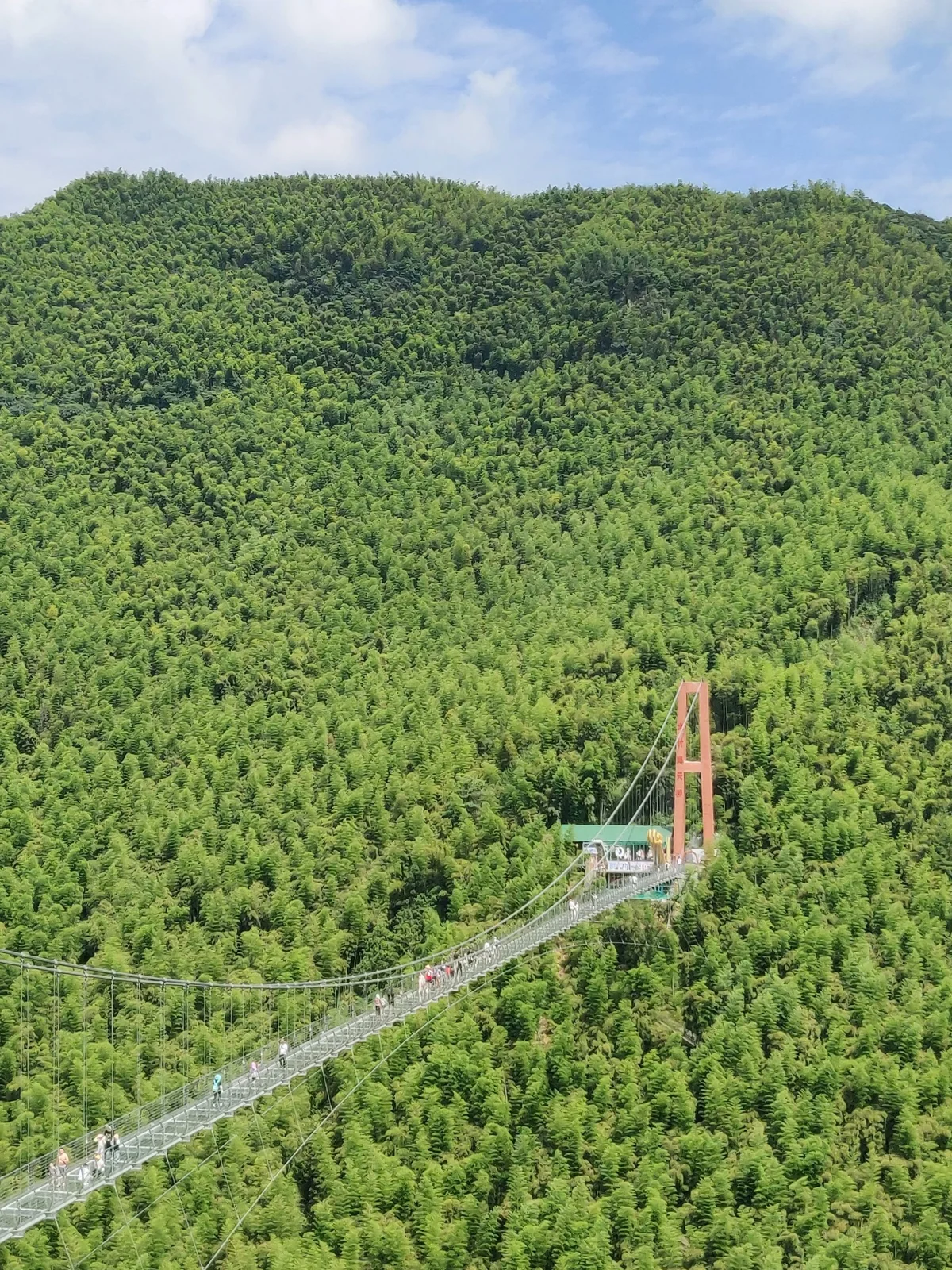
Compare that to this orderly bamboo forest I photographed in Anji, Zhejiang years ago. The competition here is far more subdued.
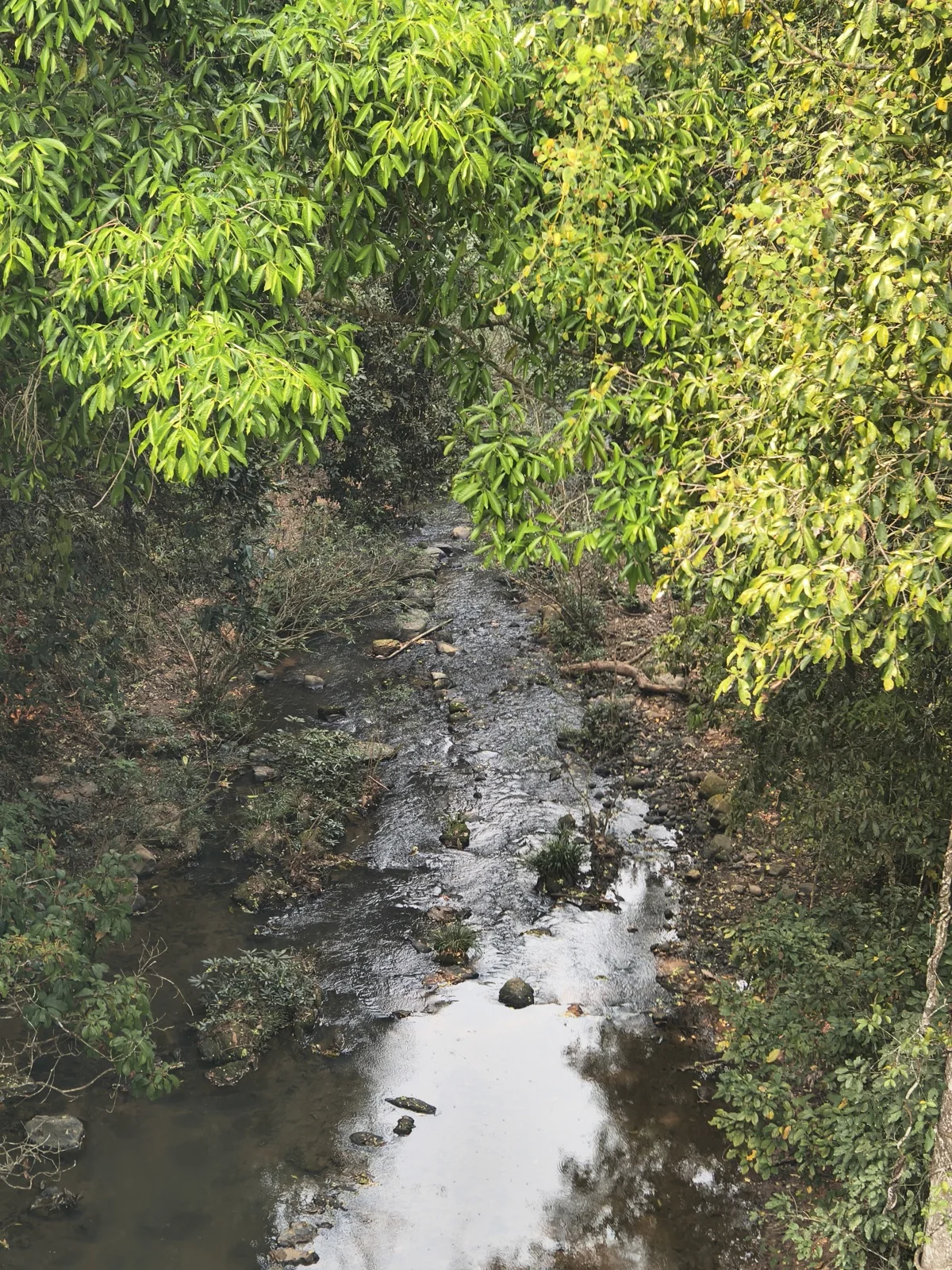
We scoured the water sources below for wild elephants.
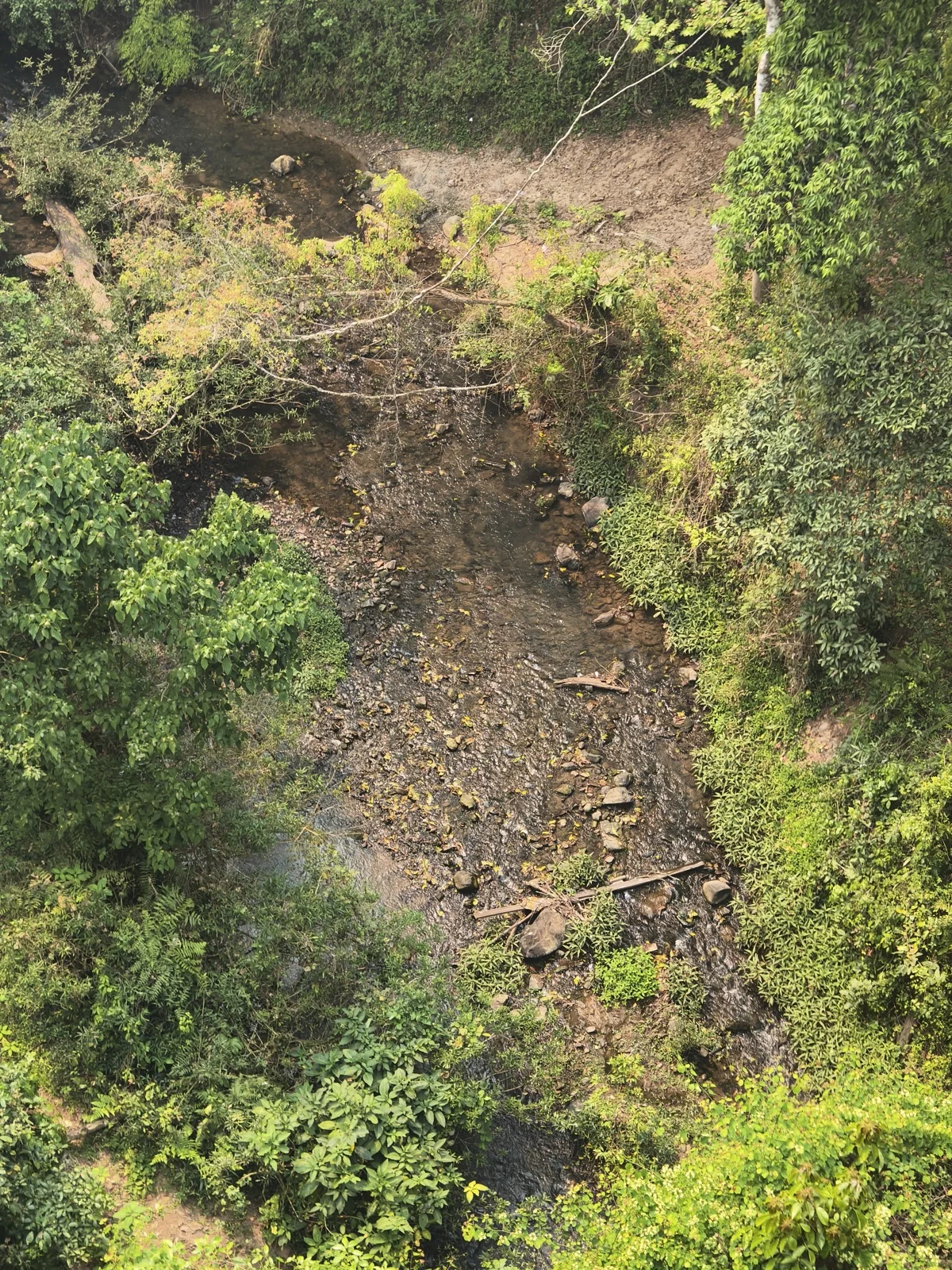
Staff advised looking for heavy dung concentrations as indicators of frequent visits.
At the summit’s observation deck, my daughter and I geeked out over the extensive insect exhibits.
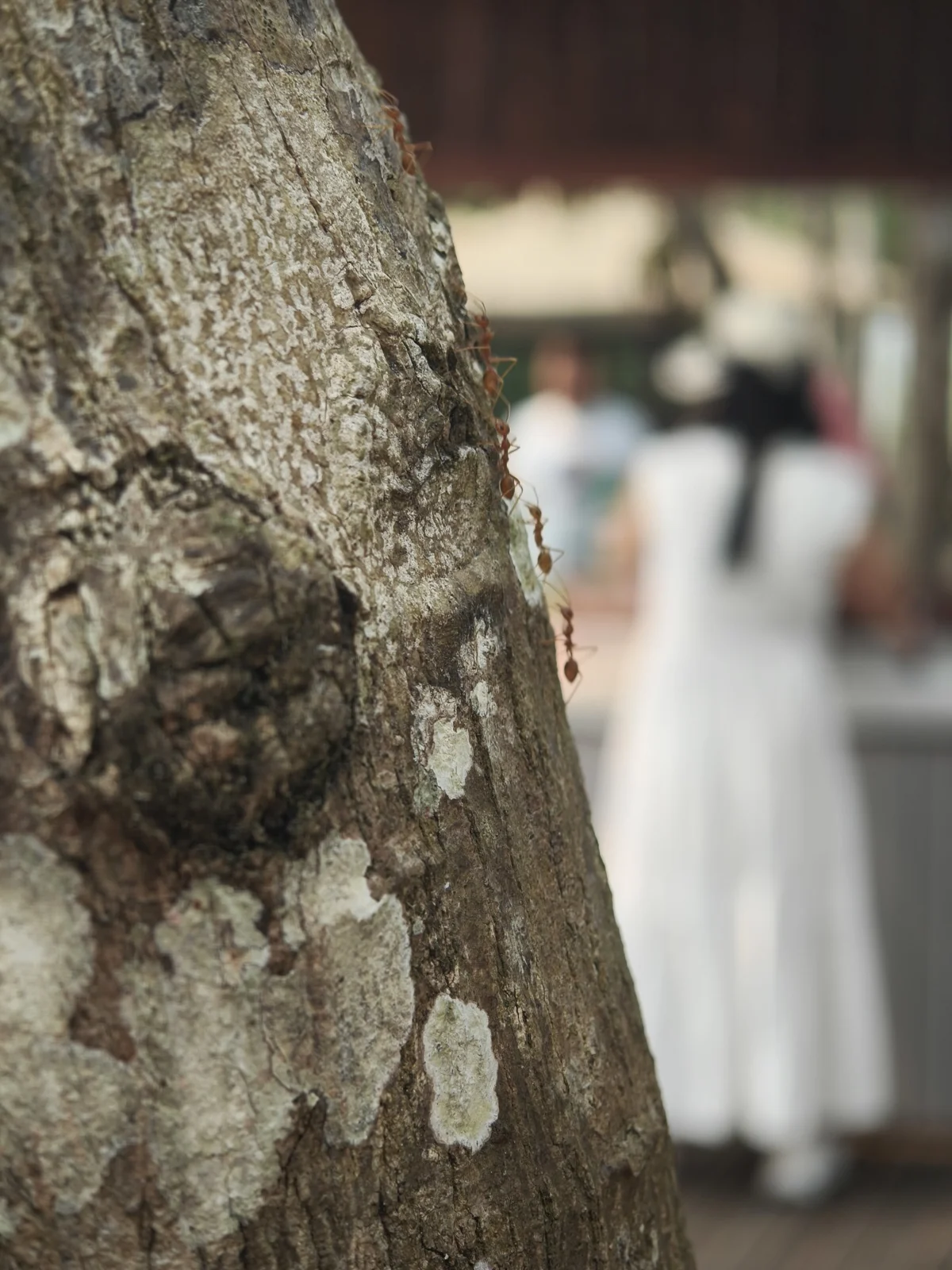
We spotted large red ants on nearby trees. I initially feared they were invasive, highly aggressive Red Imported Fire Ants, but they were actually native Weaver Ants, which build nests by folding leaves and are mostly defensive.
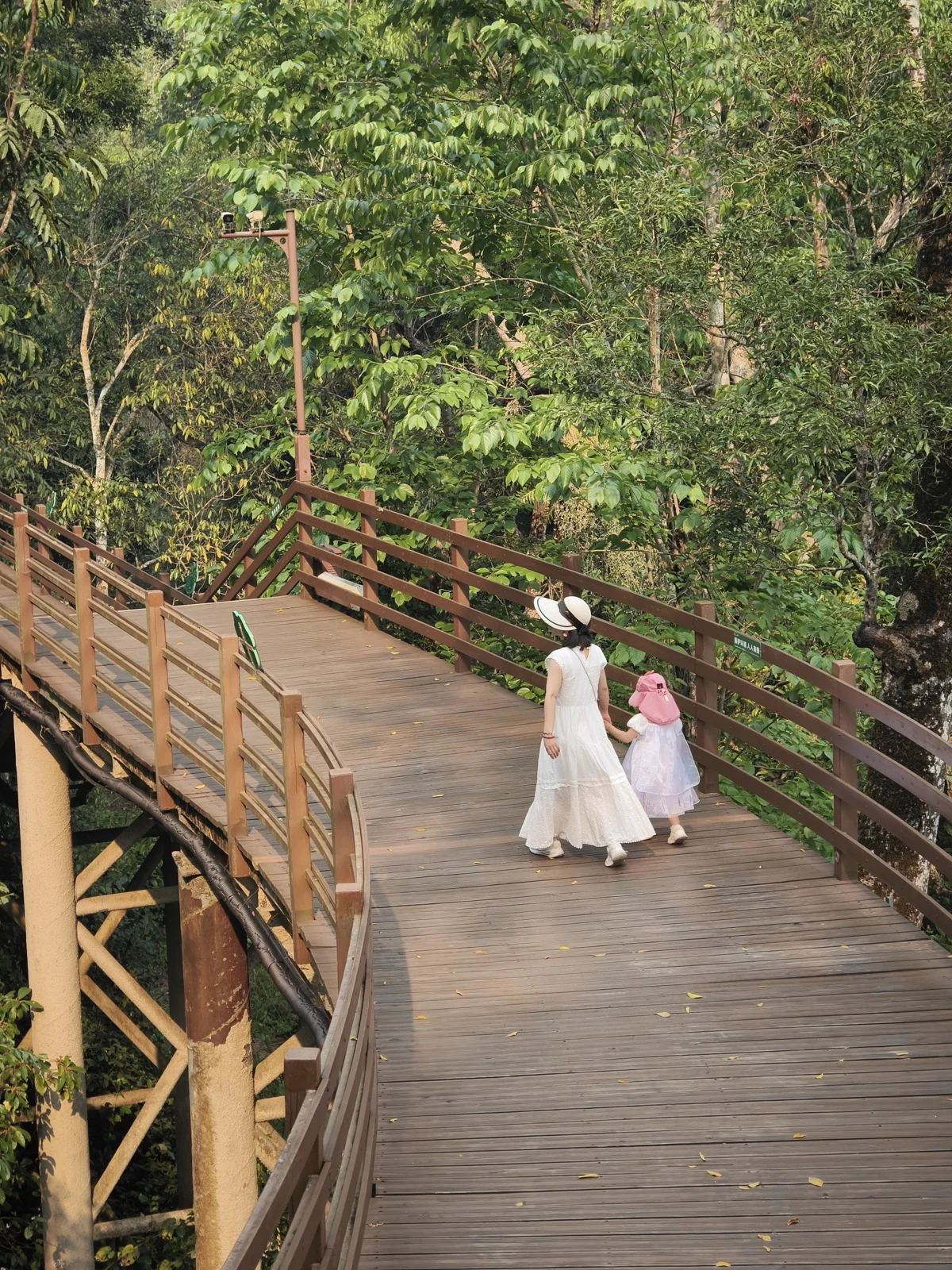
We didn’t see any wild elephants. The odds are notoriously low. You have to remember: we are just guests here. The elephants don’t exist to serve tourists. Our real job is to appreciate their environment and observe the incredible ecosystem in peace.
The boardwalk down featured brilliant exhibits on insect camouflage. We saw a “walking popcorn”—likely a planthopper nymph that secretes a massive waxy disguise to fool predators.
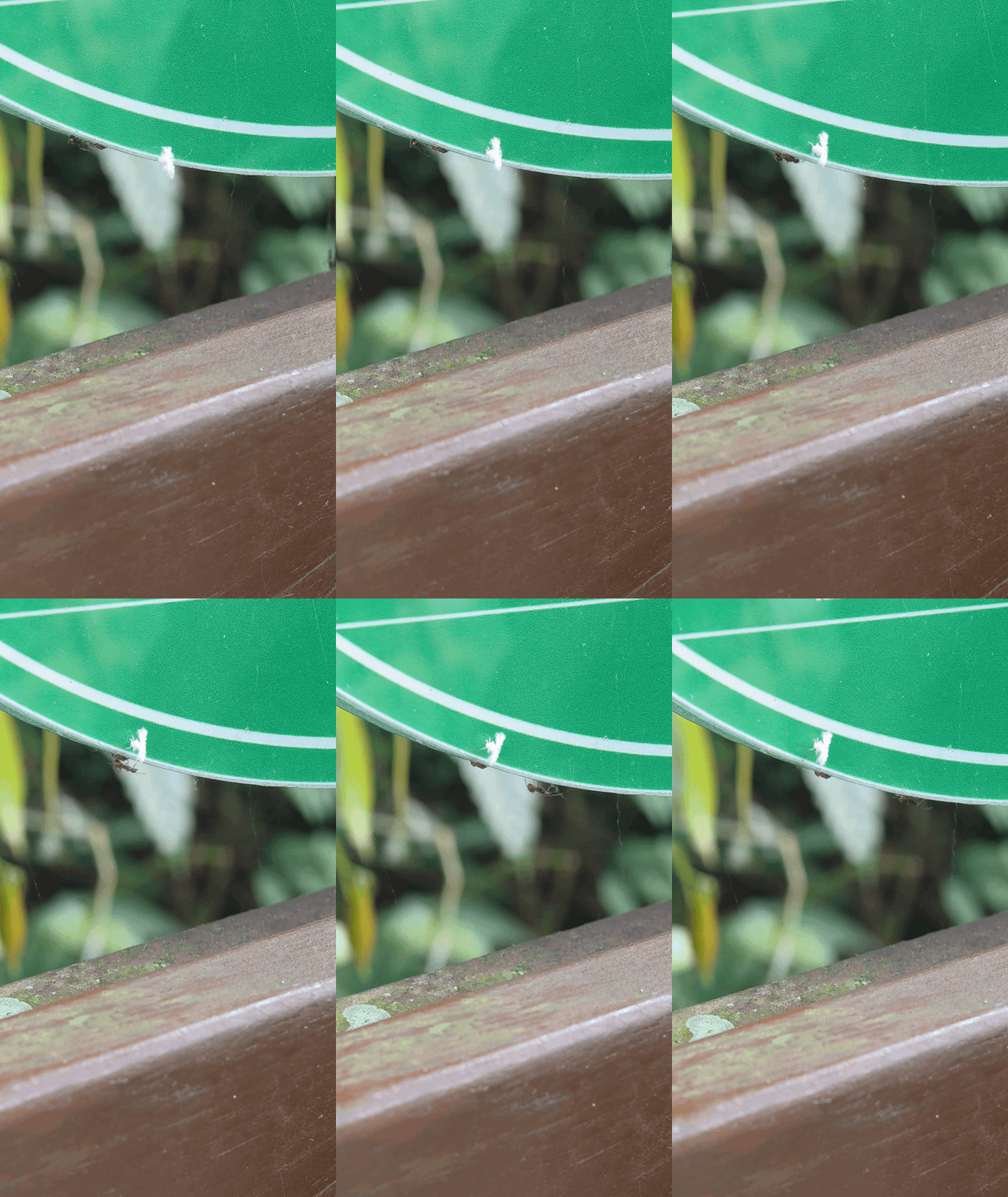
We somehow took a wrong turn and ended up exiting through the North Gate, passing a small theater playing adorable clips of local elephant sightings.
Day 5: Tropical Flowers Garden
A solid alternative to the further-out botanical gardens. It’s professionally zoned and culminates in a popular white sand beach. Our ticket included fish and deer feeding, plus a “miracle fruit” tasting.
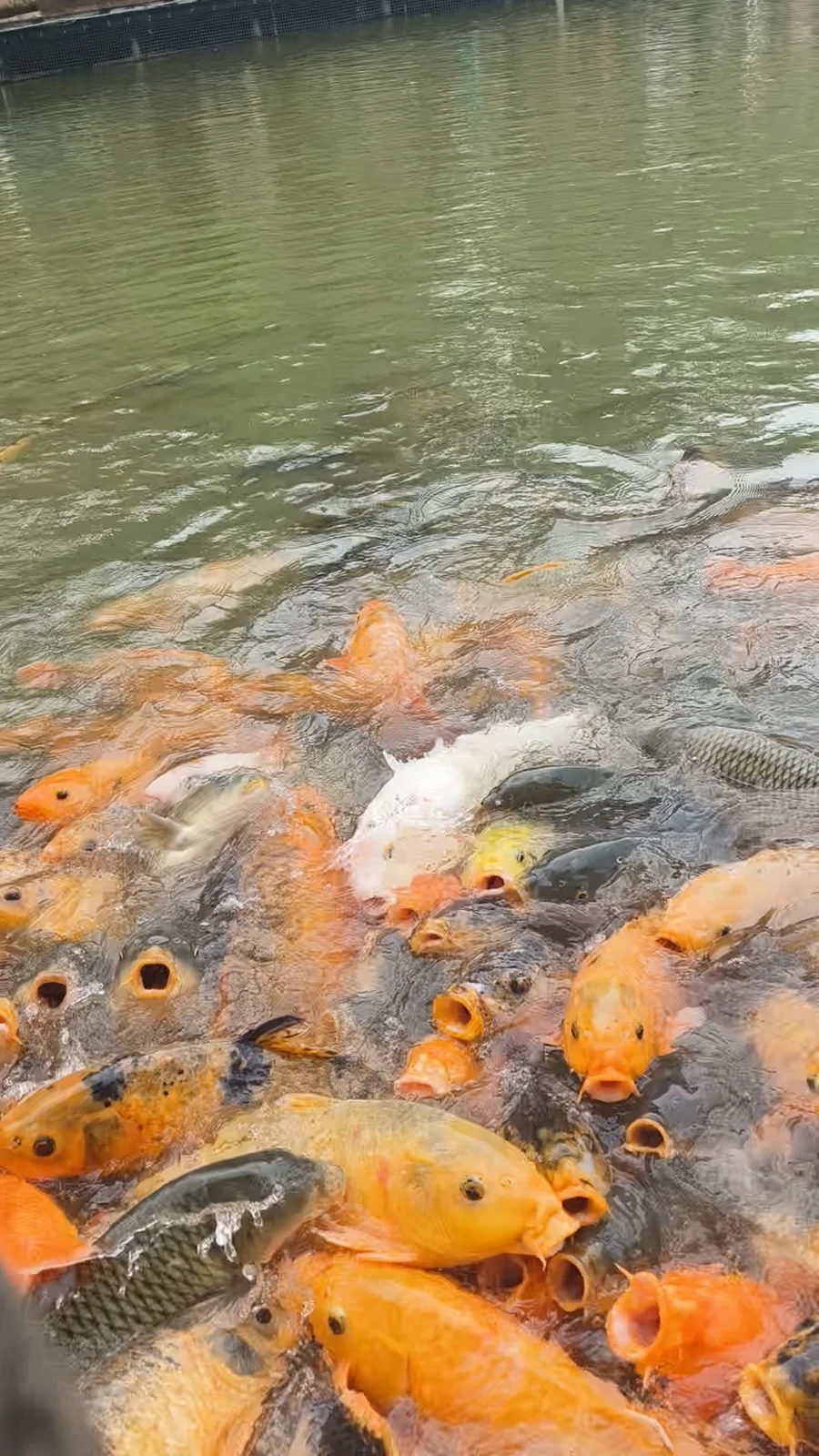
The fish at the entrance were ravenous, practically climbing over each other out of the water for food.
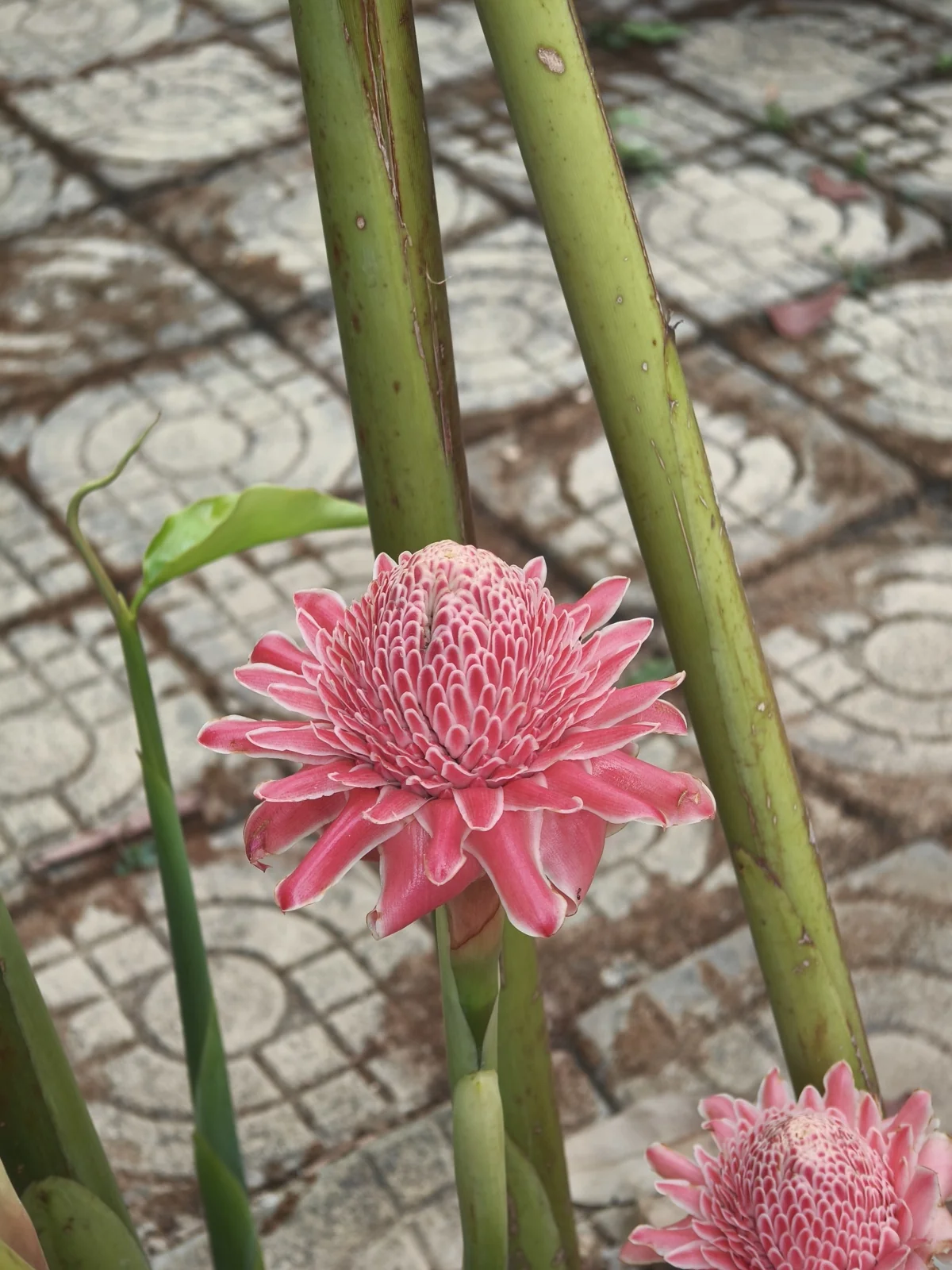
Nearby was Torch Ginger, whose massive “petals” are actually bracts protecting tiny real flowers inside.
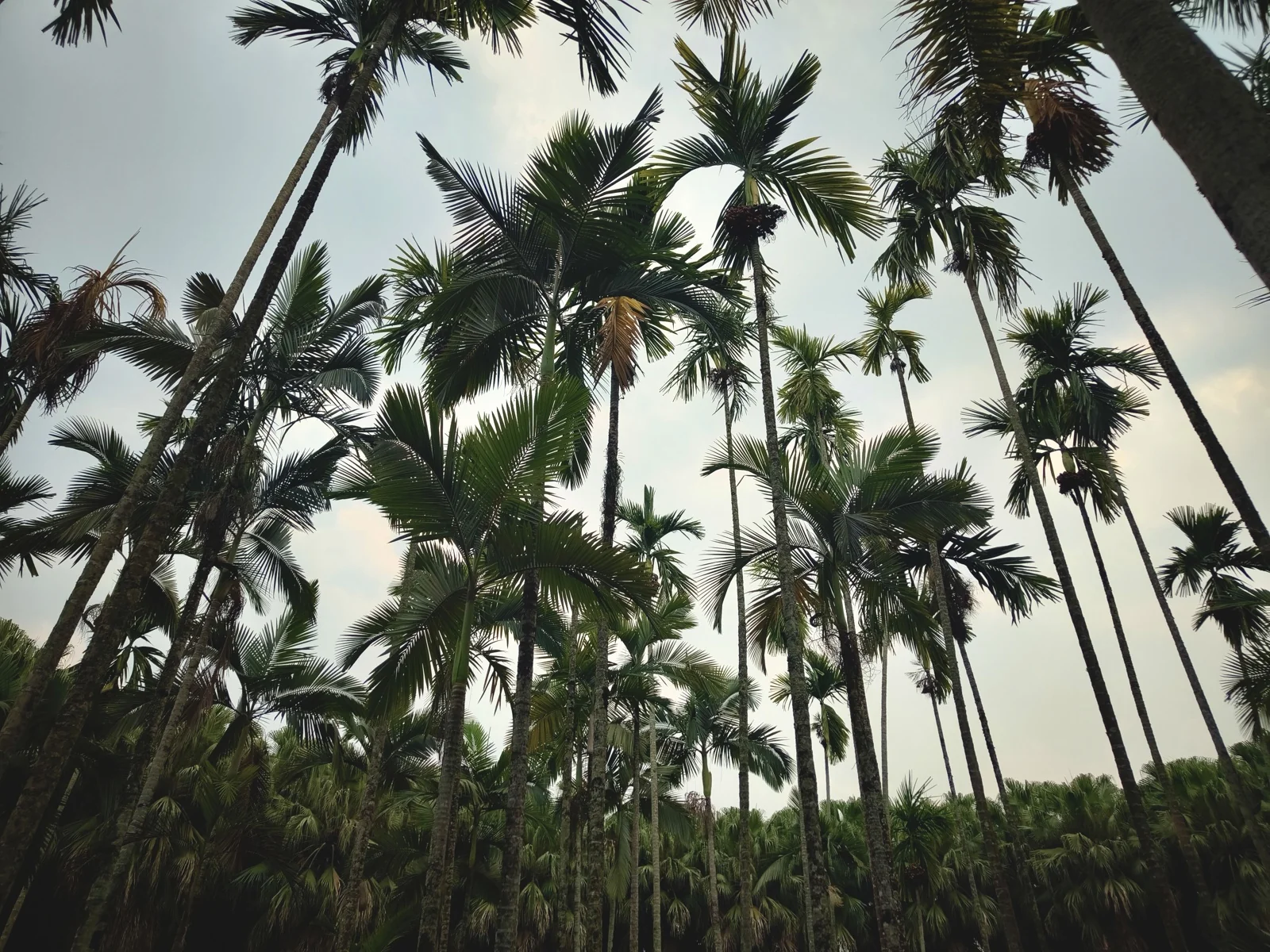
We saw tall, slender betel nut trees, a common sight in Jinghong.
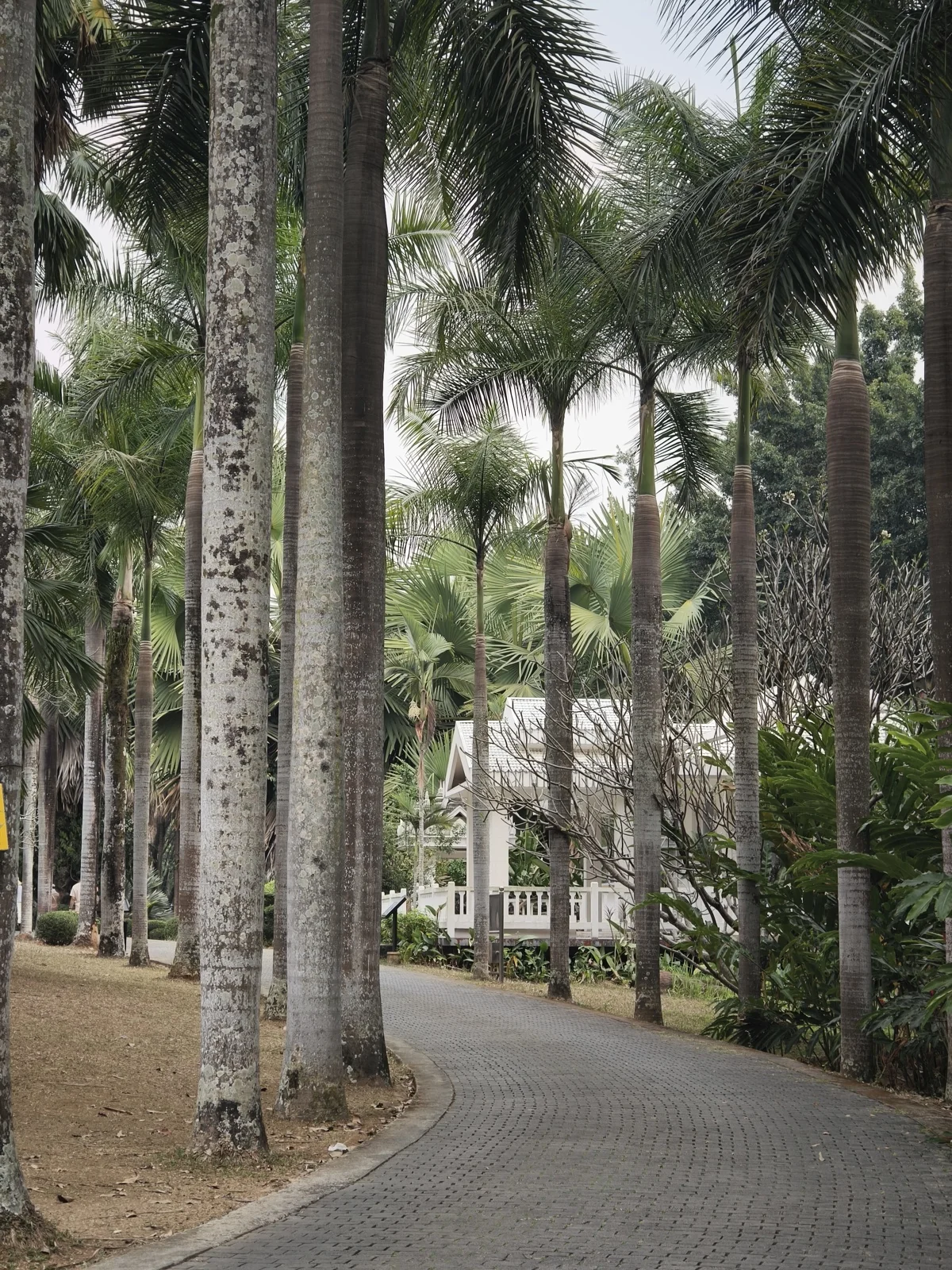
And avenues lined with Royal Palms. It functions beautifully as a local walking park.
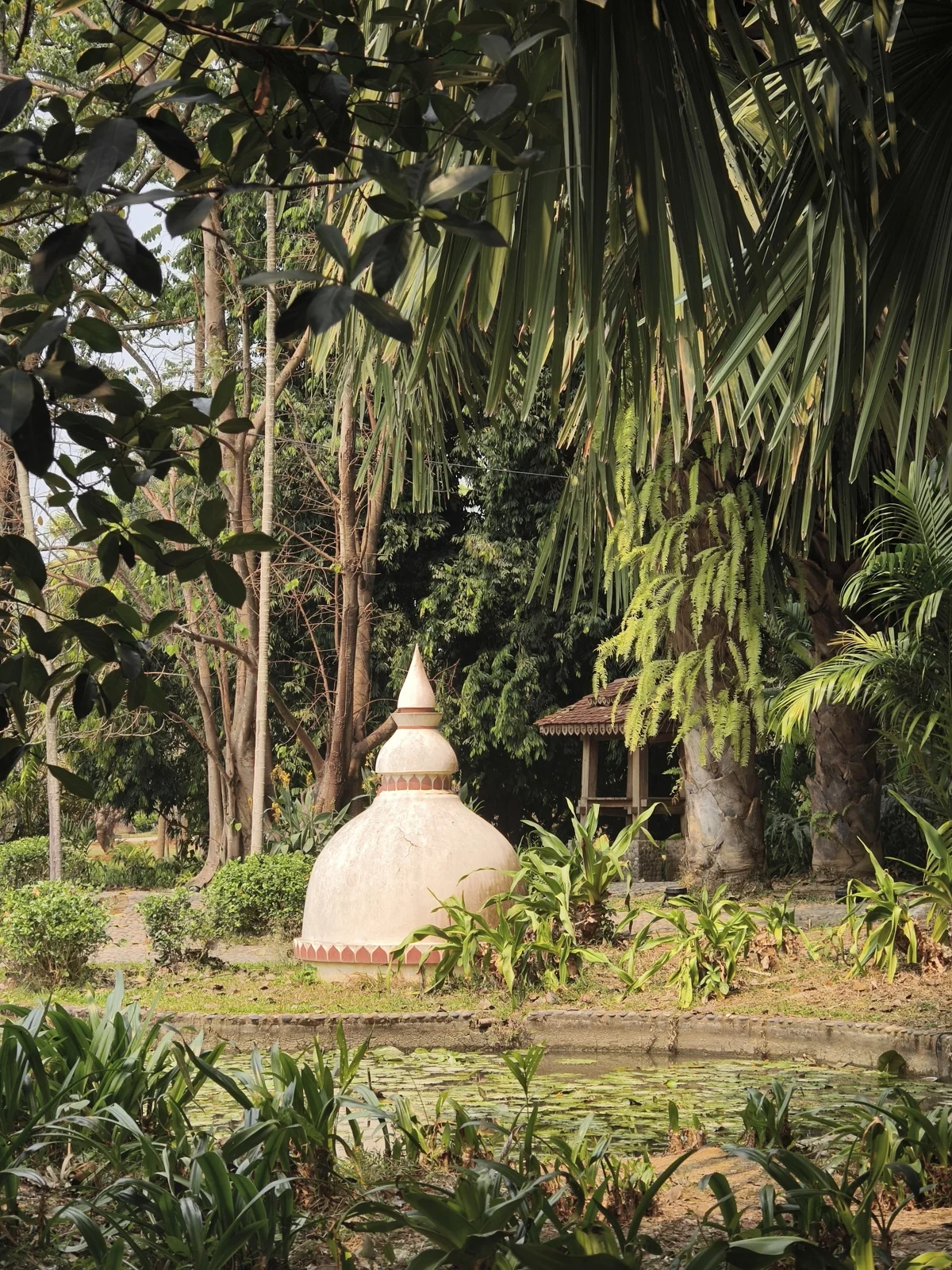
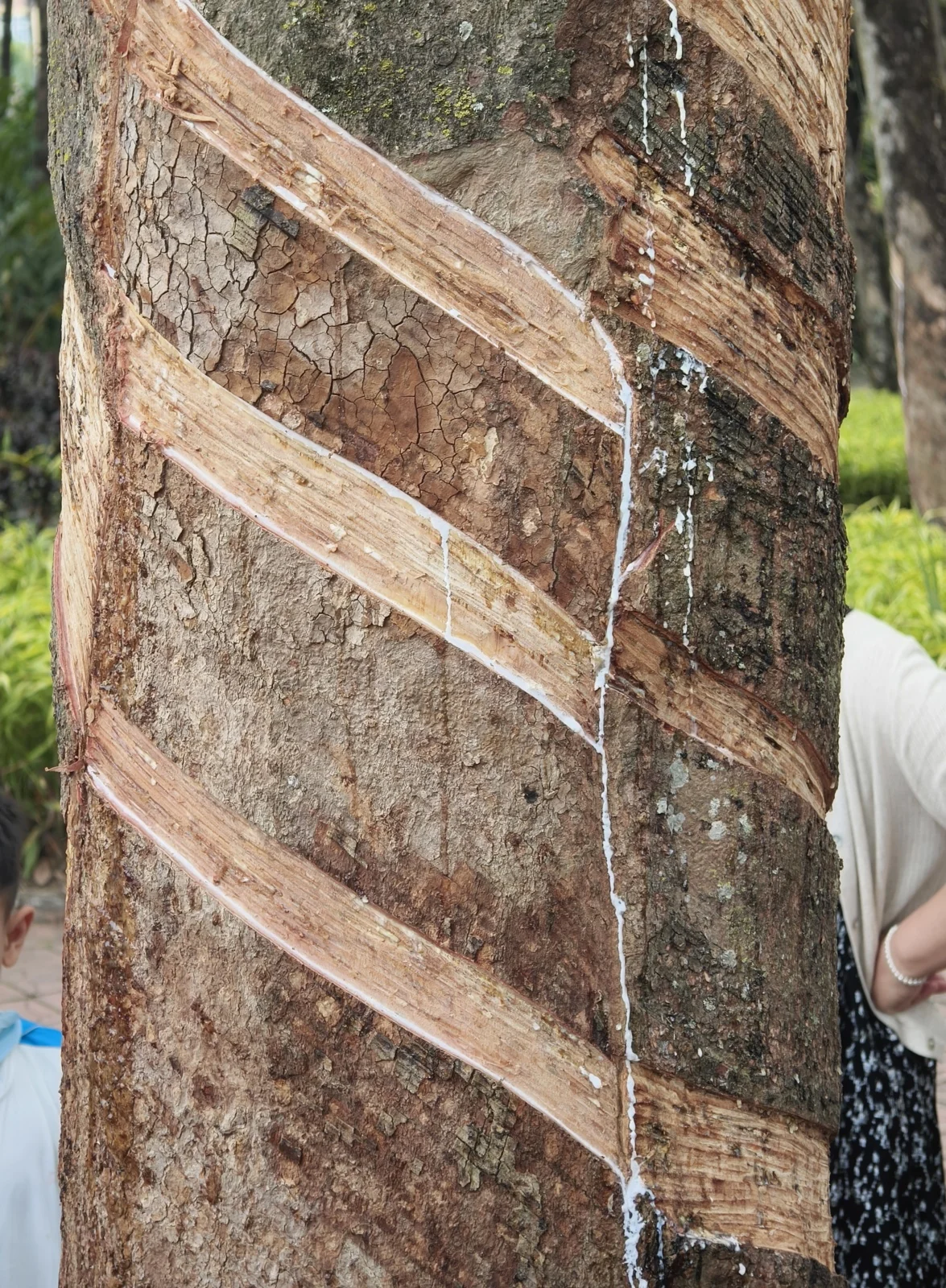
We caught a rubber-tapping demonstration. Kids loved poking and pulling the elastic, half-dried rubber.
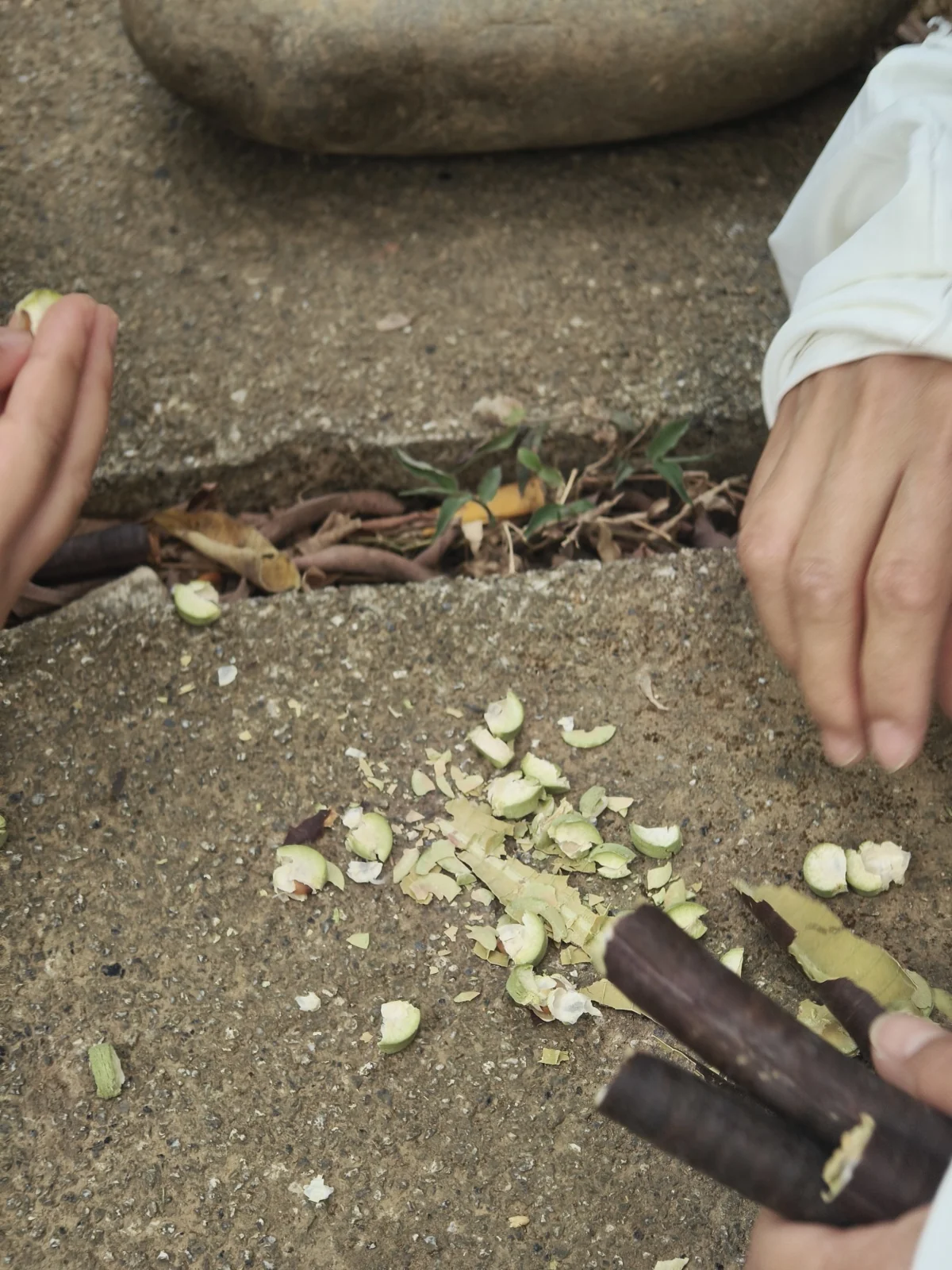
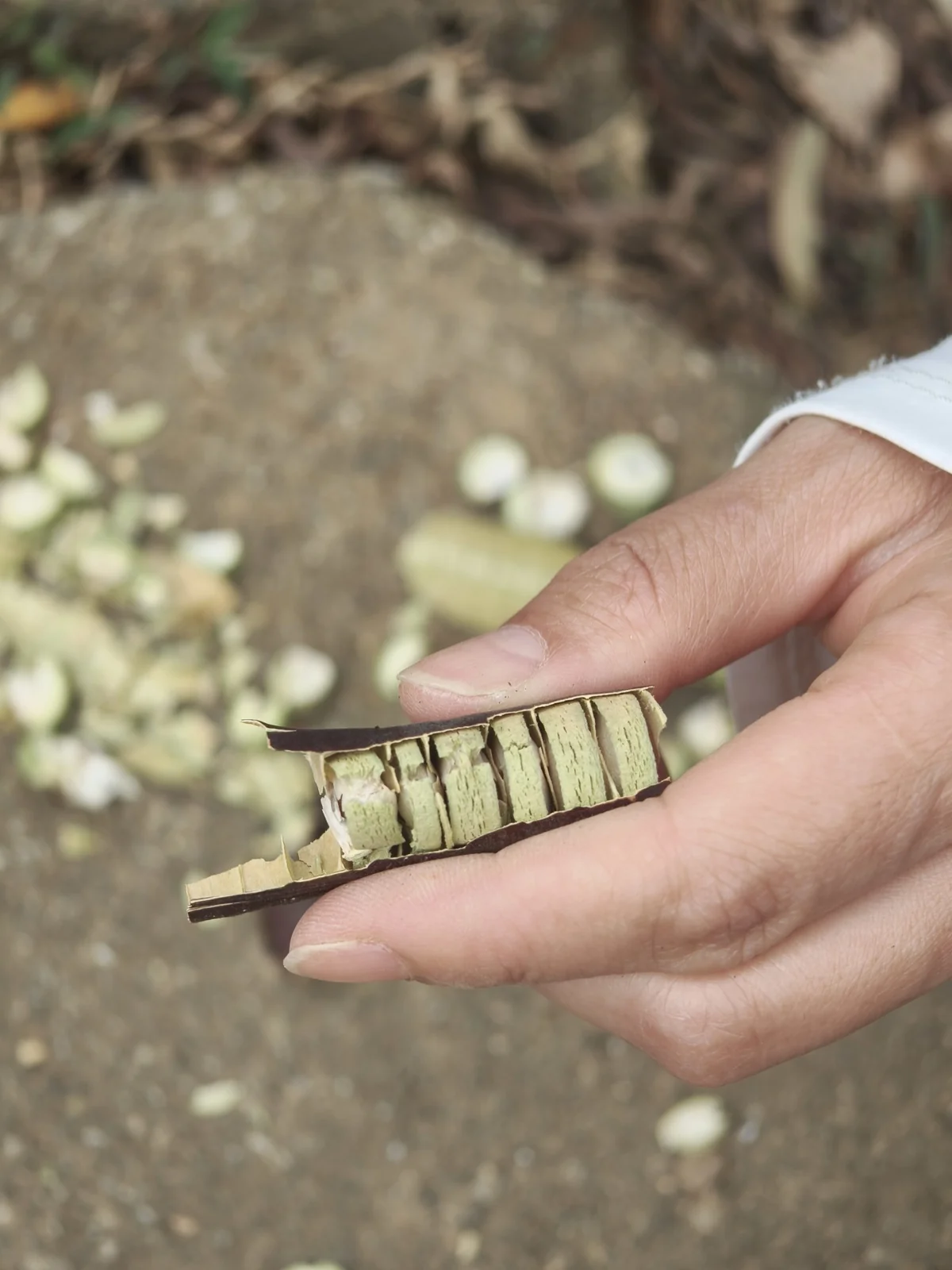
We also found Cassia fistula pods (Sausage Tree). The shell is rock hard, but smashing it open revealed neat, segmented compartments.
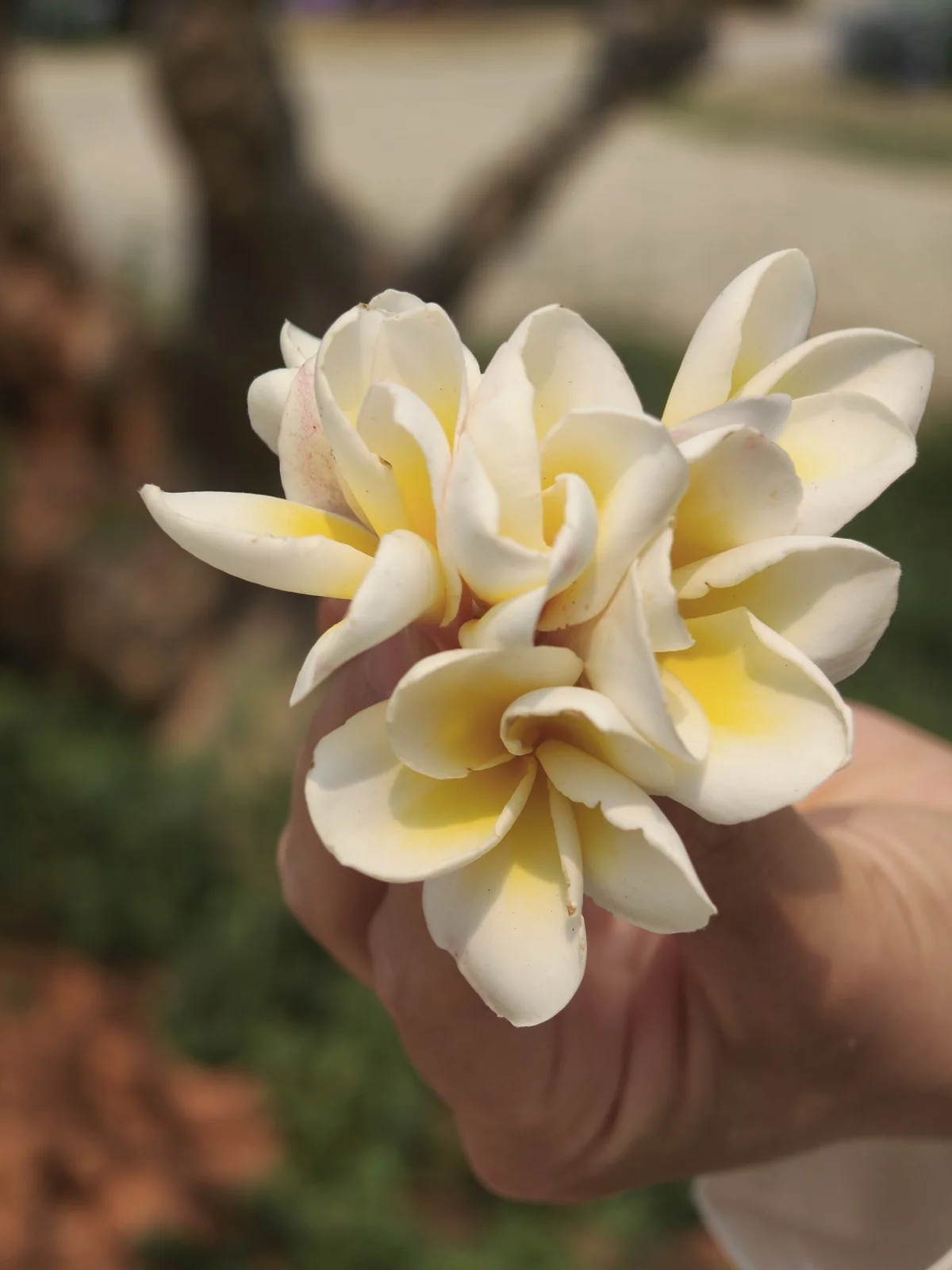
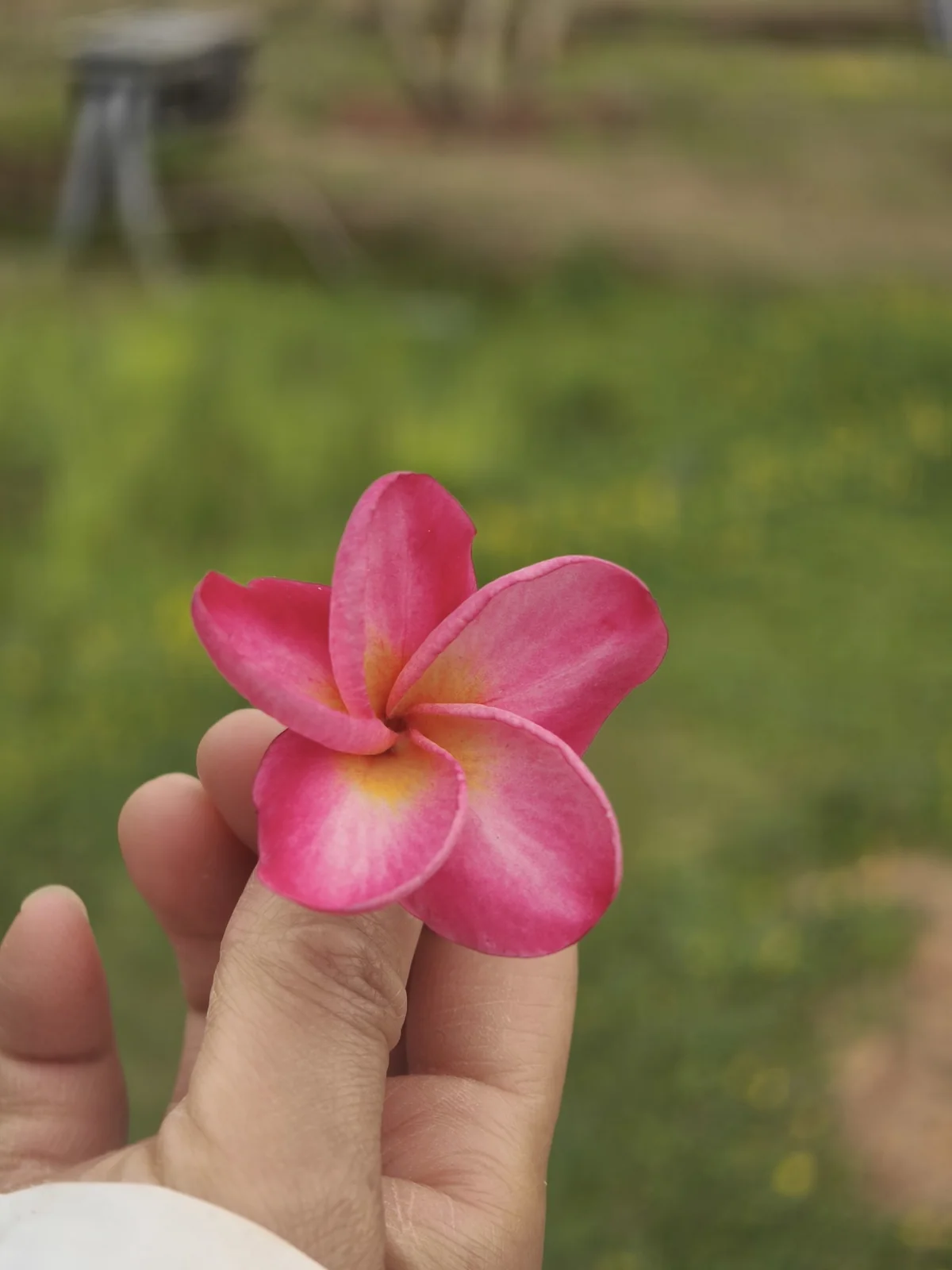
At the fruit orchard, we tried the “miracle fruit.”

First, we tasted painfully sour lemons and papayas. Then, we ate the berry. Afterward, the sourness vanished completely—the lemons tasted like honey! The effect lasts up to half an hour.
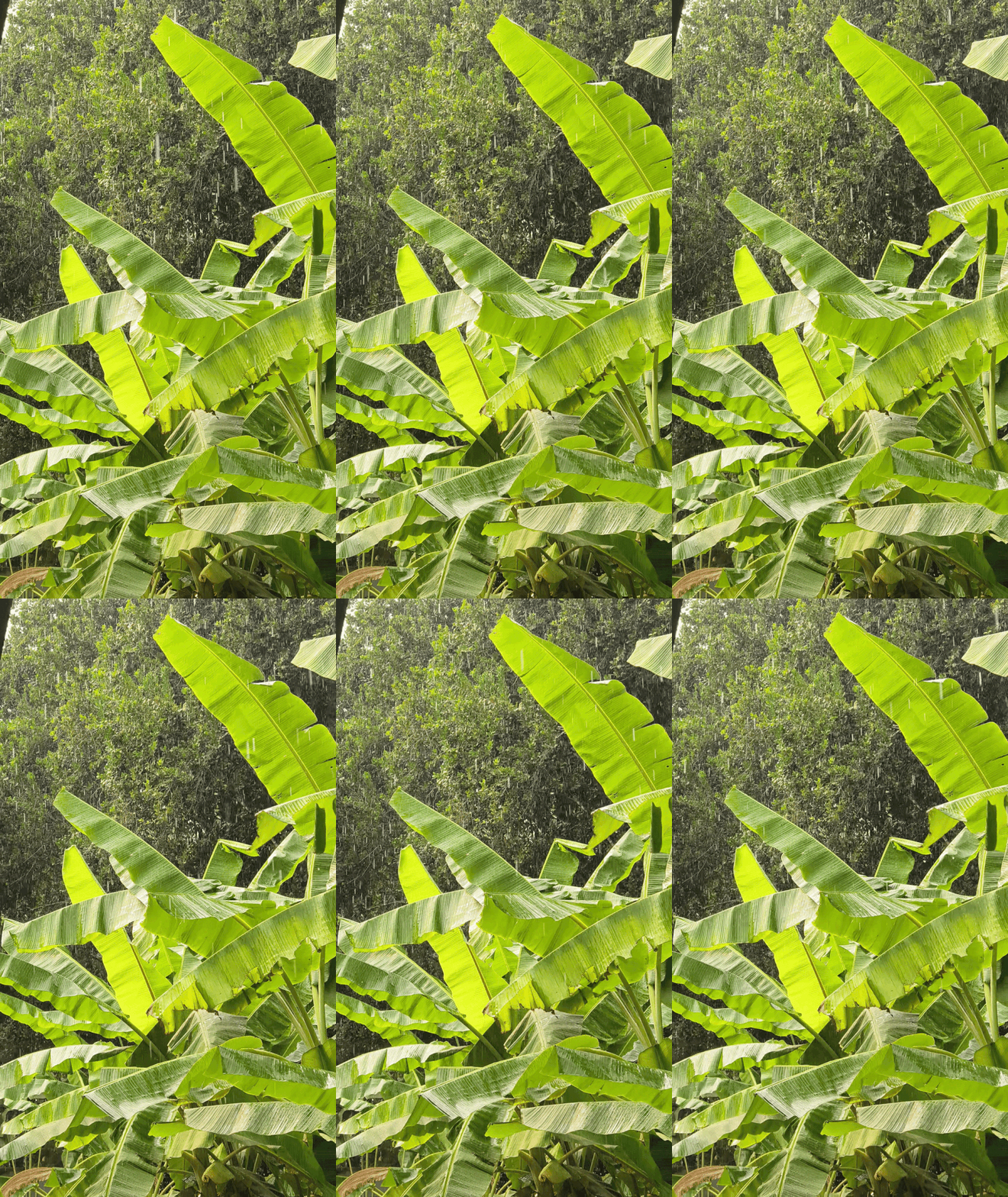
A sudden tropical downpour trapped us for 20 minutes. It was actually quite pleasant. The rainforest is unique in that it essentially generates its own rain via massive transpiration from the dense canopy, creating a localized water cycle.
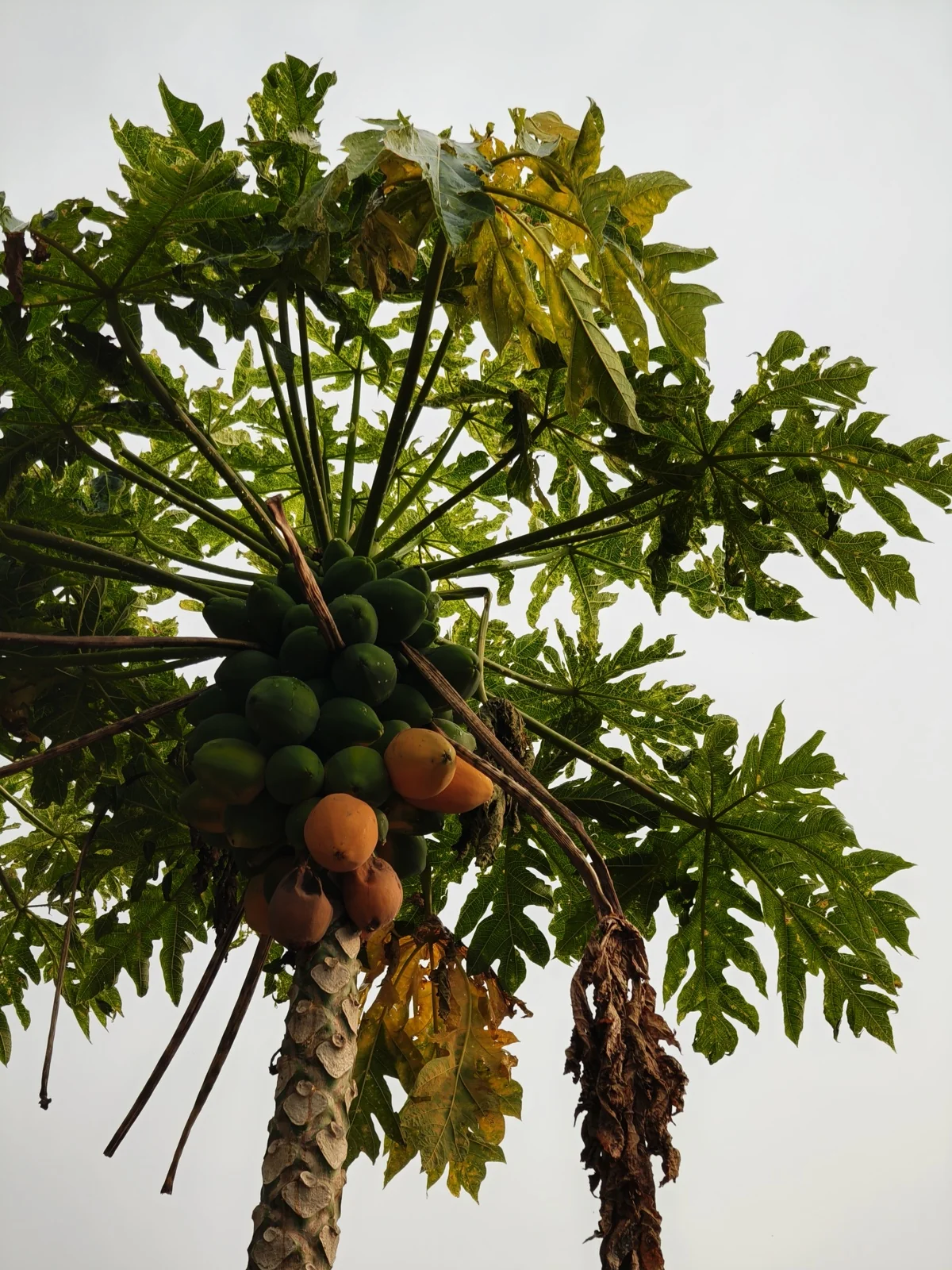
Post-rain, we explored the orchard, spotting Jabuticaba and Oleaster.
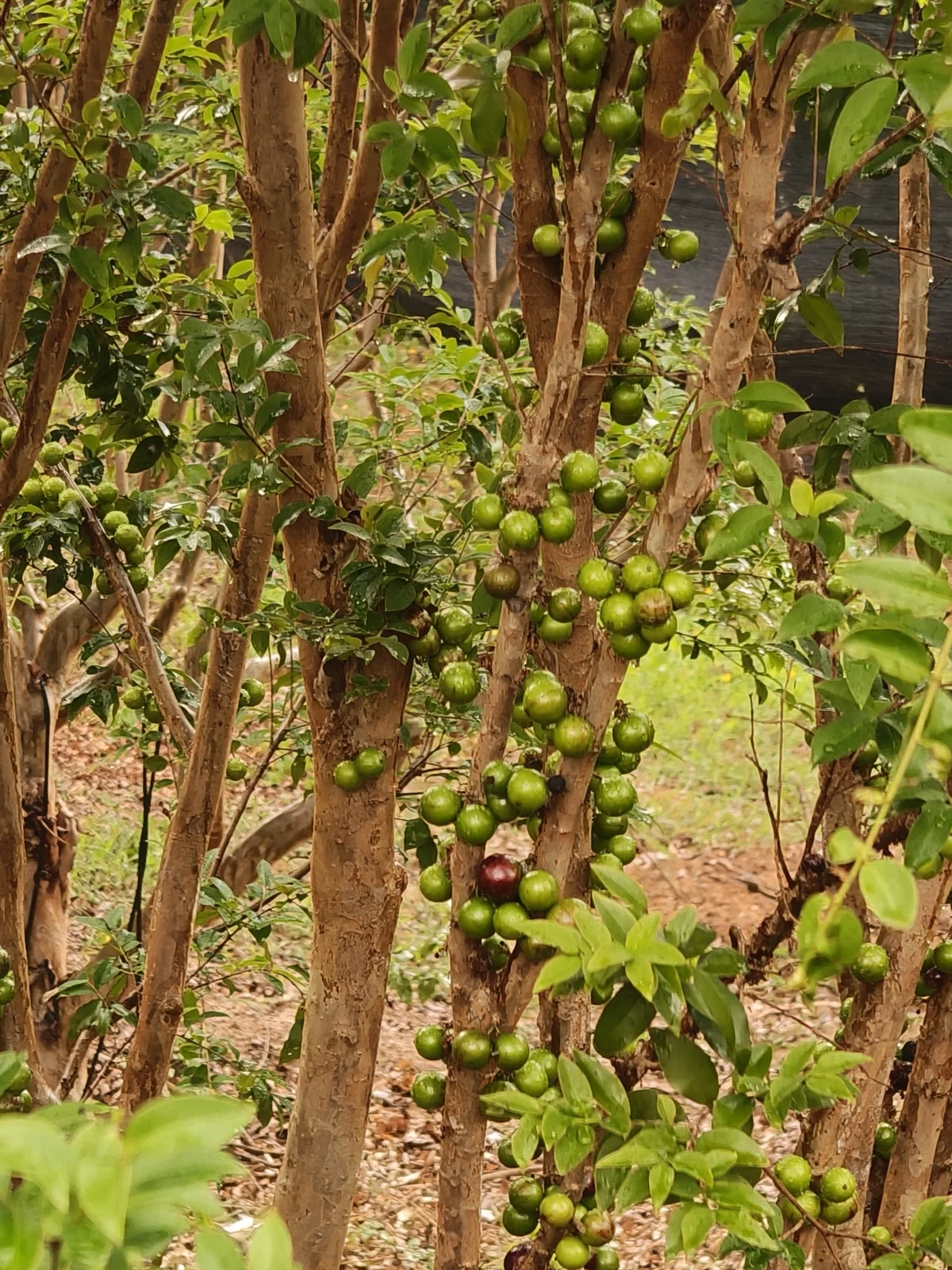
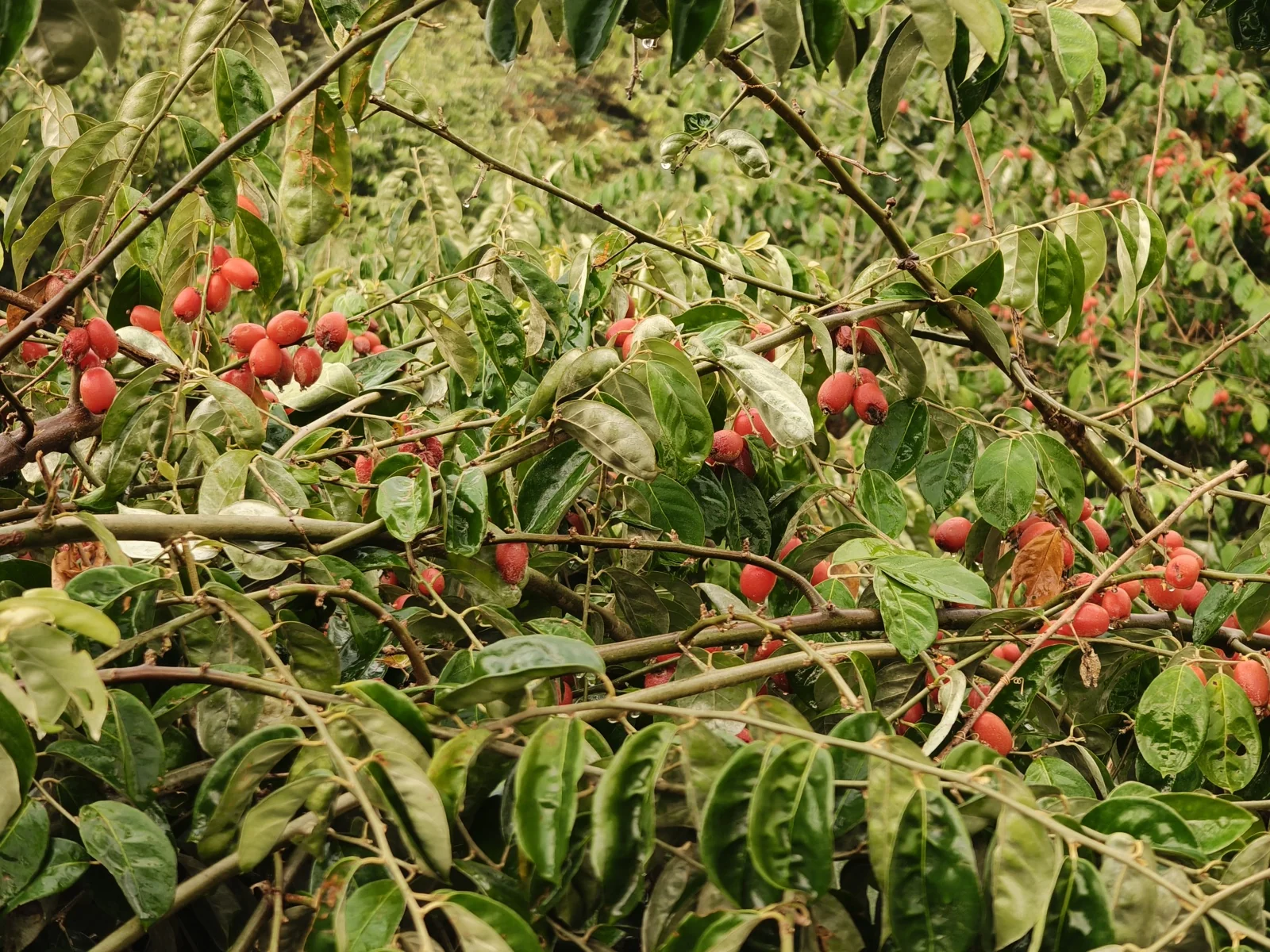
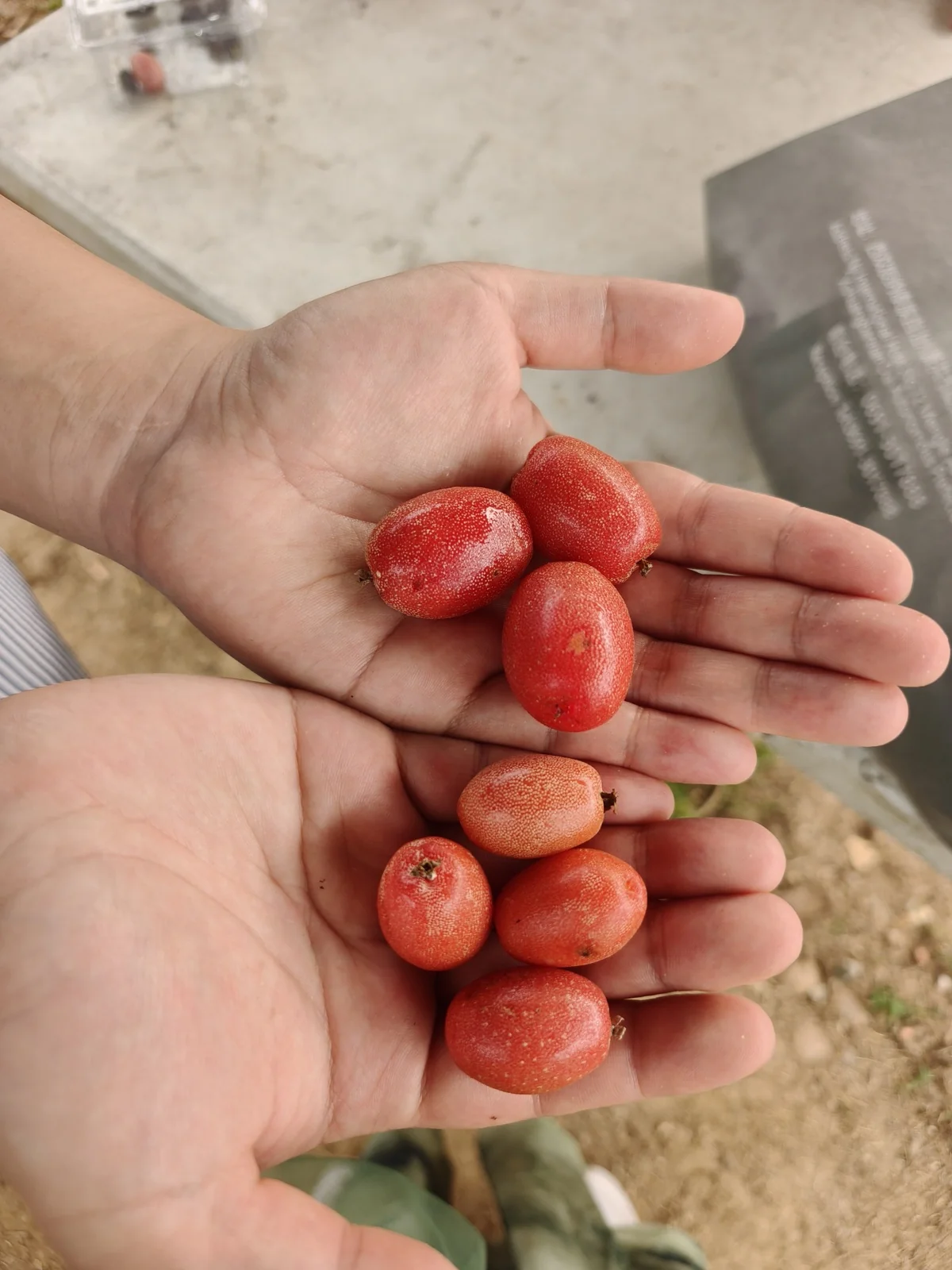
A local showed me the trick to picking Oleaster: the large, deep red ones are sweet, while the smaller, yellowish ones are incredibly astringent.
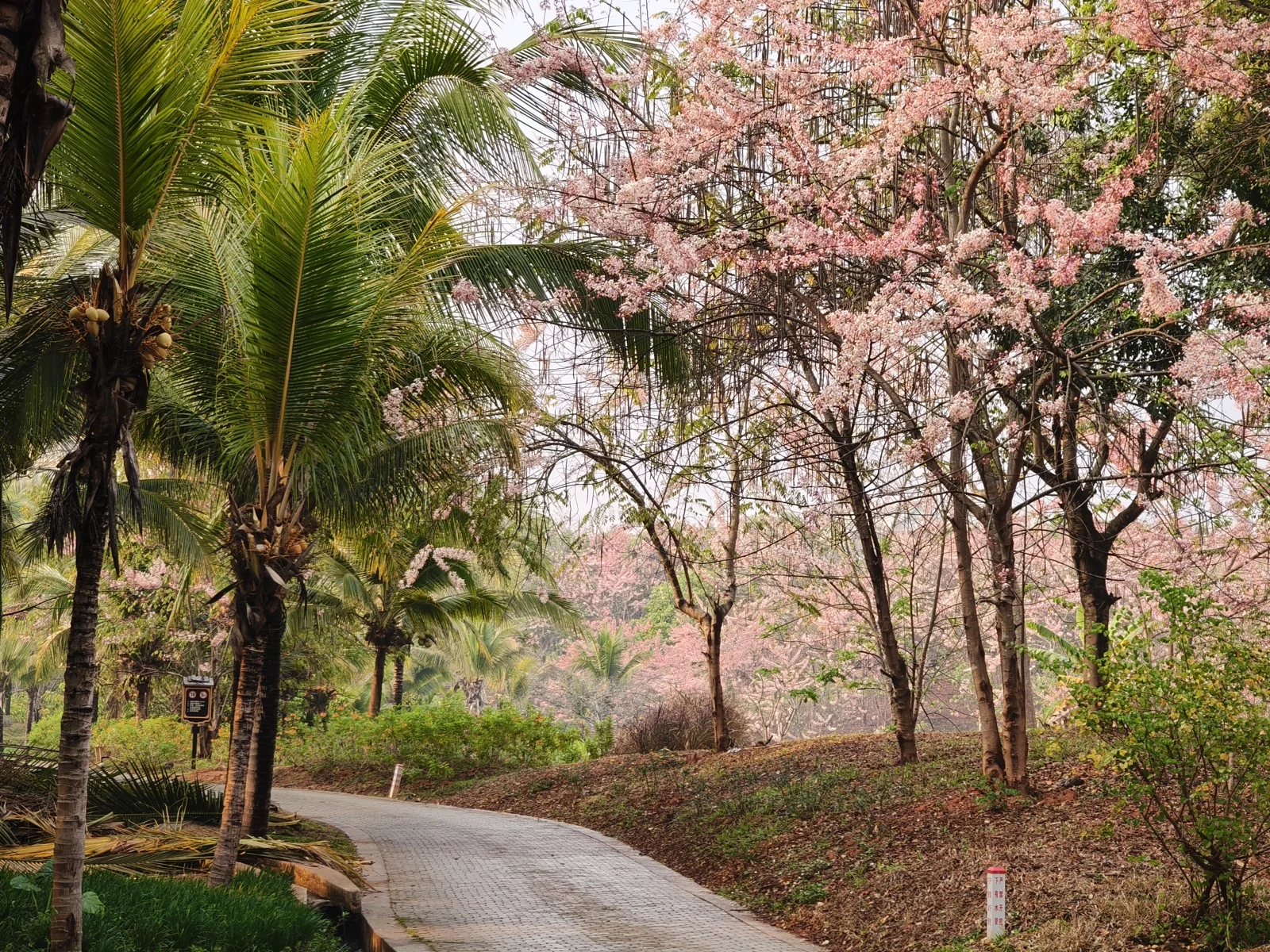
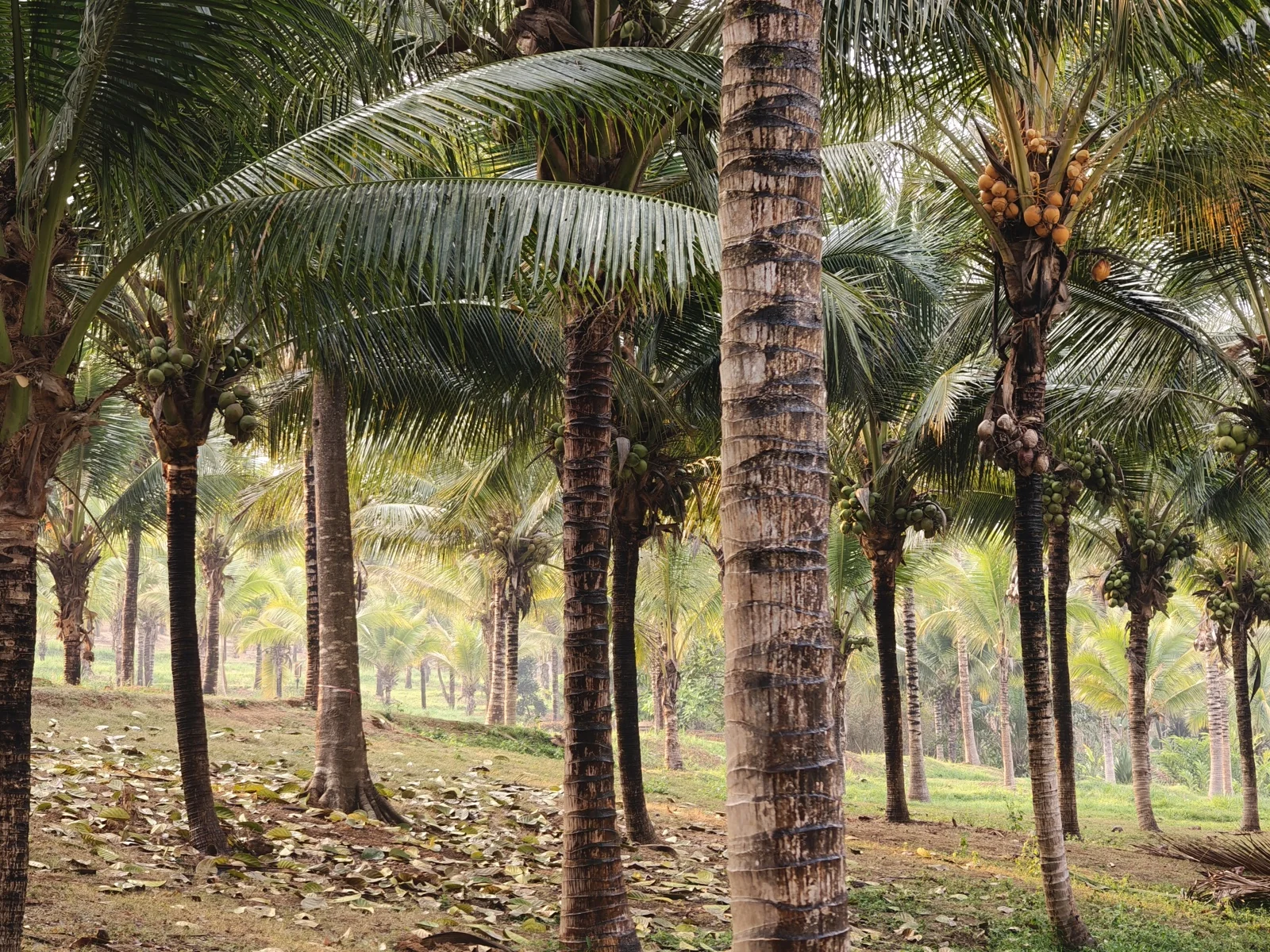
Across the bridge, the sun hitting the coconut terraces was stunning.
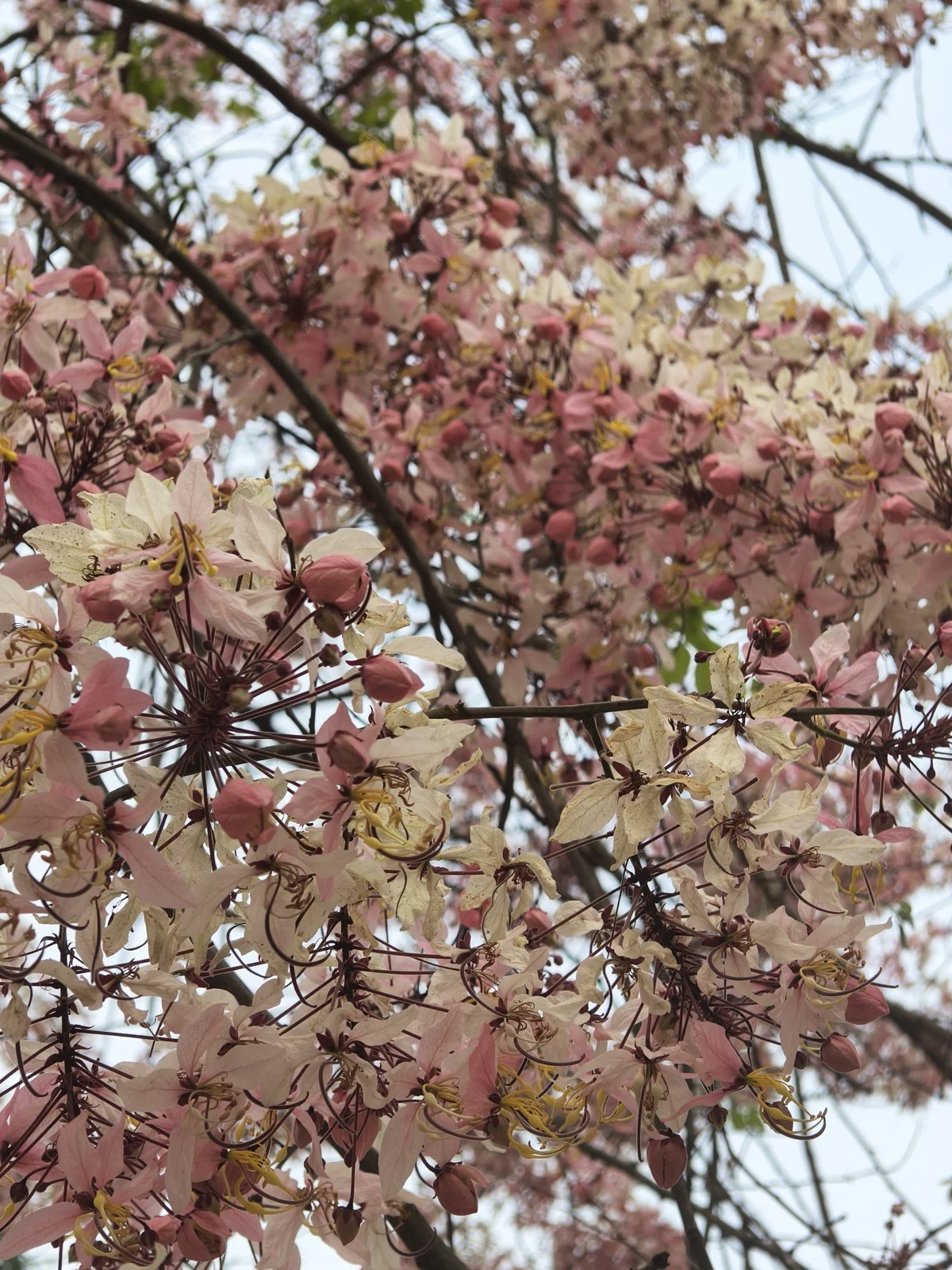
We also saw dense clusters of Thai cherry blossoms (actually a legume, not a true cherry or Thailand’s national flower).
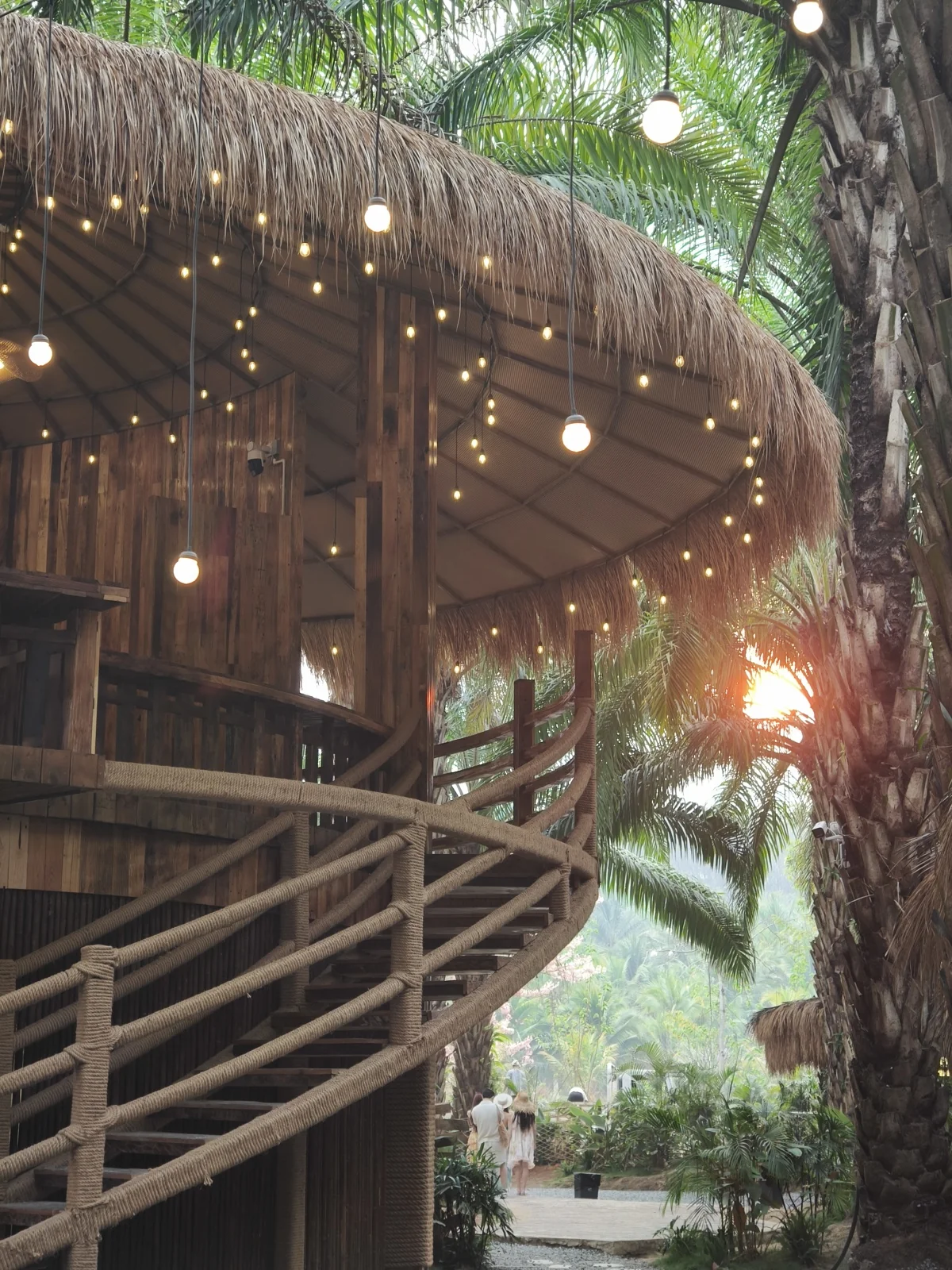
My daughter played at the artificial white sand beach, which had a great Southeast Asian resort vibe and transitioned into a lively party spot at night.
Local Life & Logistics
Geography & Hotels
Xishuangbanna functions about an hour behind Beijing time socially; you easily find yourself eating dinner at 8 PM. In late March, temperatures ranged comfortably from 20-35°C with very few mosquitos.
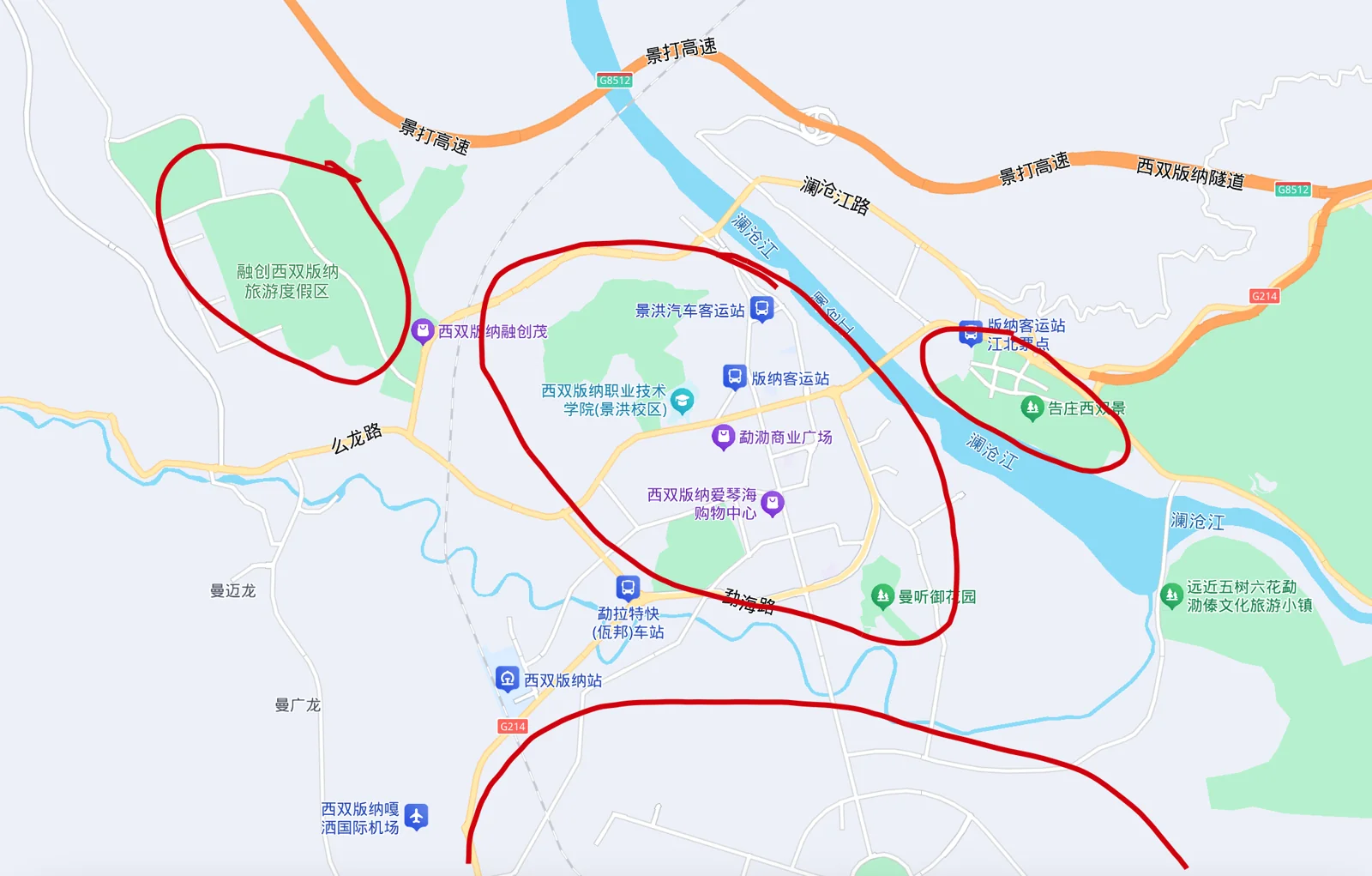
I mapped out four main hotel zones:
- Gaozhuang: Built for tourists. Luxury, nightlife, and heavy traffic jams. Skip if you want authentic local flavor.
- City Center: Where we stayed. The heart of local life, great logistics, and minimal traffic.
- Sunac Resort: A self-contained bubble for families who don’t plan to explore much.
- Outskirts: Great budget options with few attractions nearby.
Transportation & Food
If you aren’t staying in Gaozhuang, chartering a car is essential. It guarantees a ride back from remote spots like Wild Elephant Valley, and local drivers offer invaluable tips.
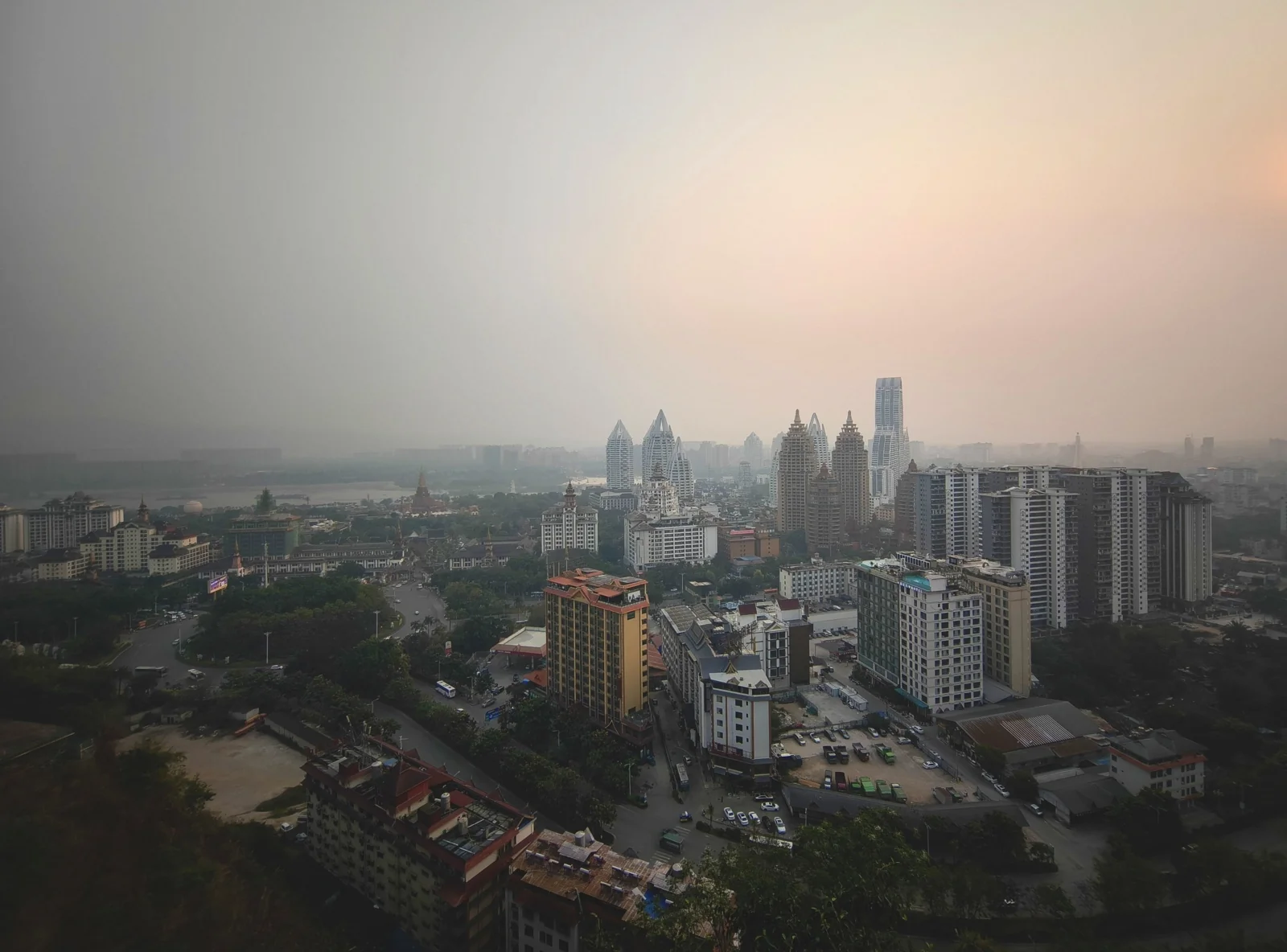
Our driver recommended an incredible hillside restaurant overlooking Gaozhuang.
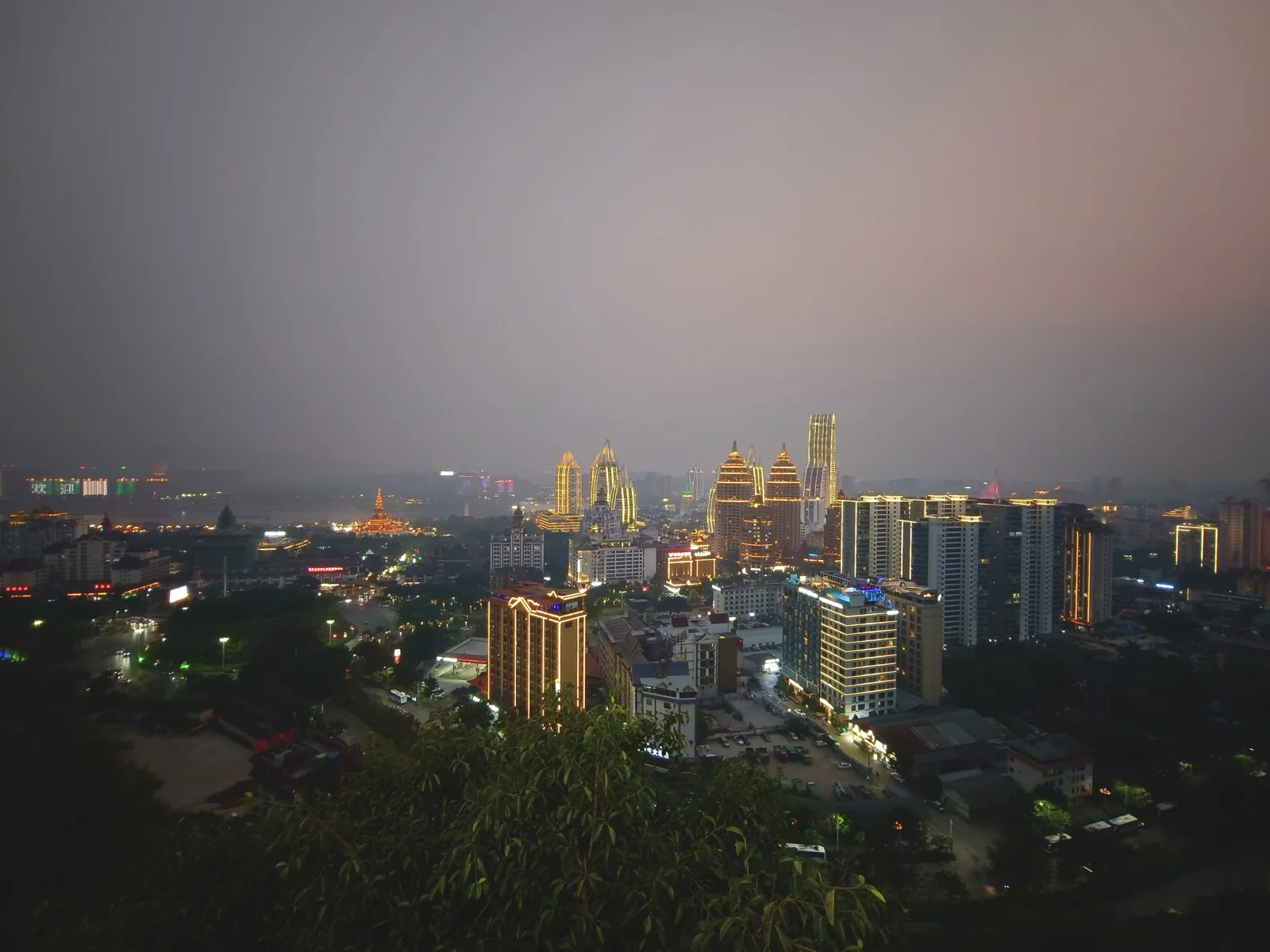
Our family loves Southeast Asian flavors—mint, lemongrass, curry—so Banna was culinary heaven.
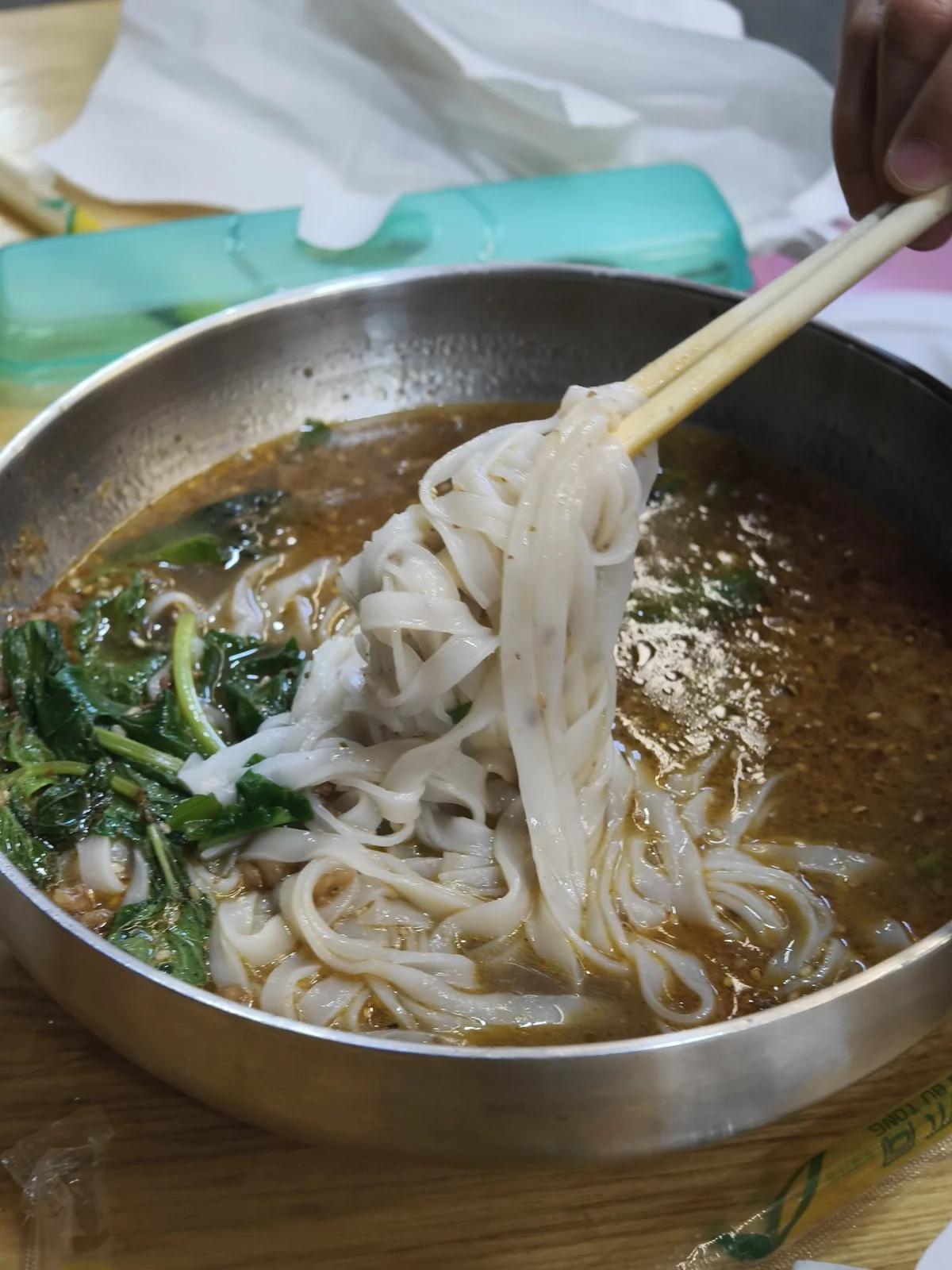
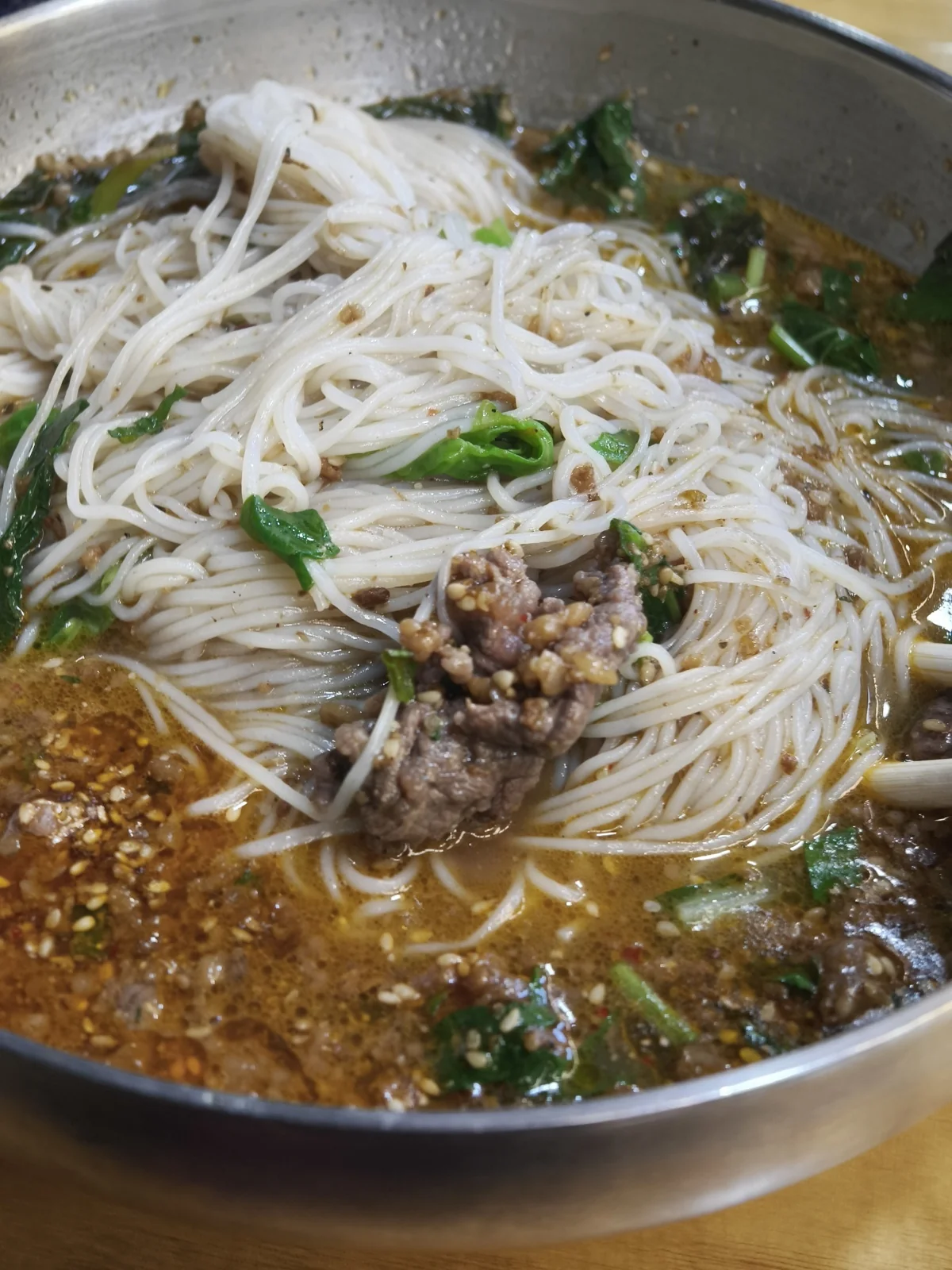
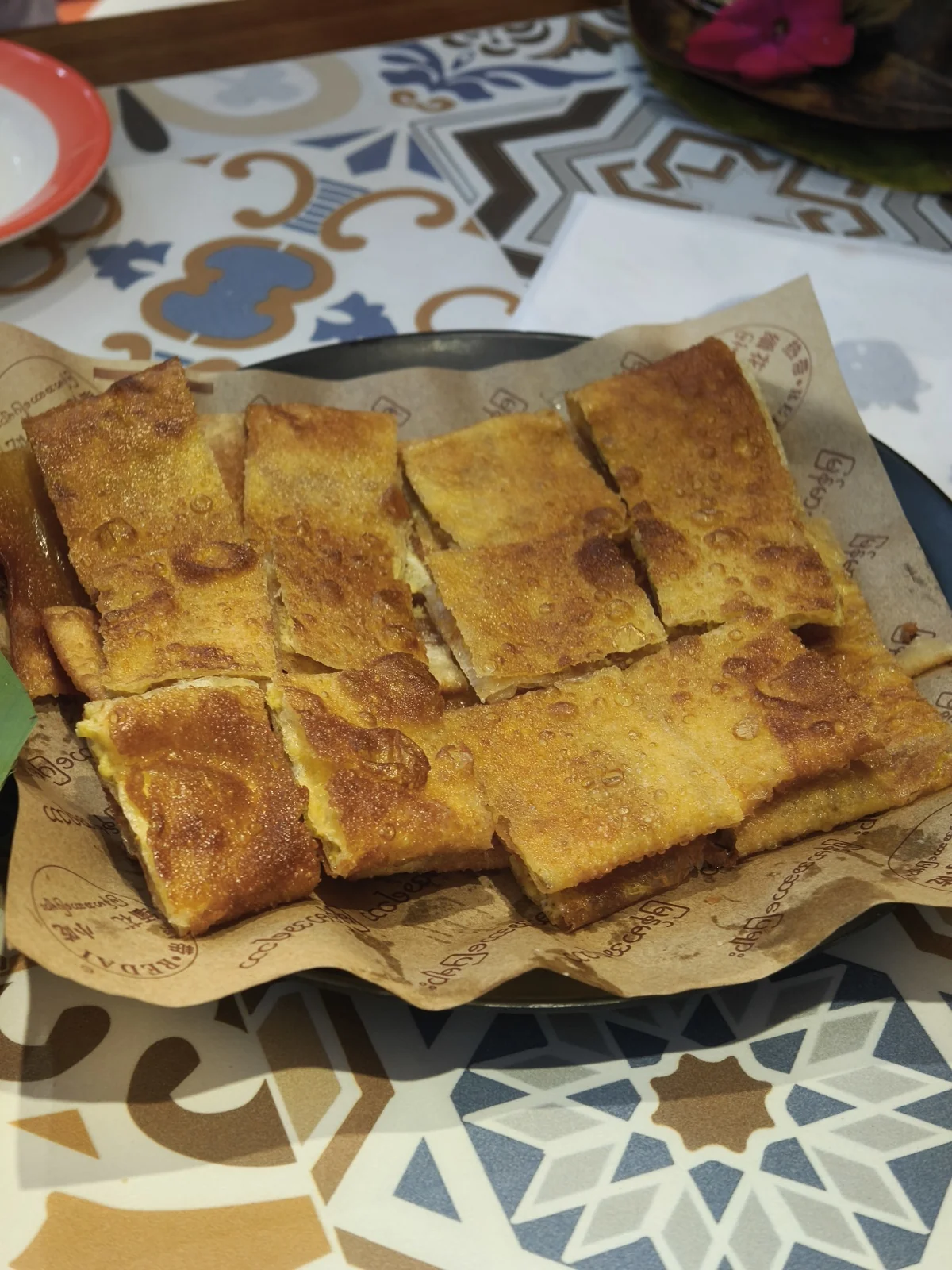
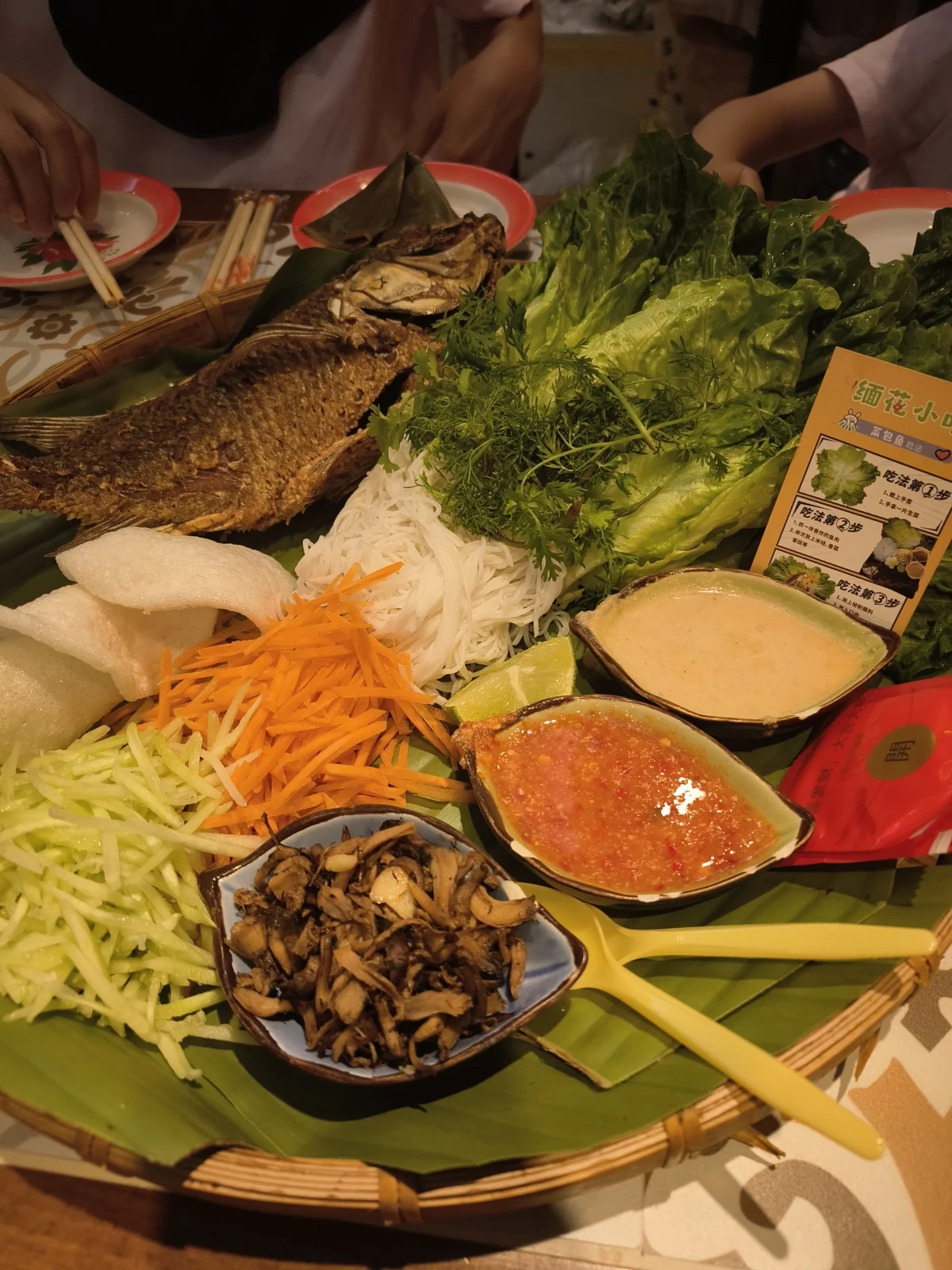
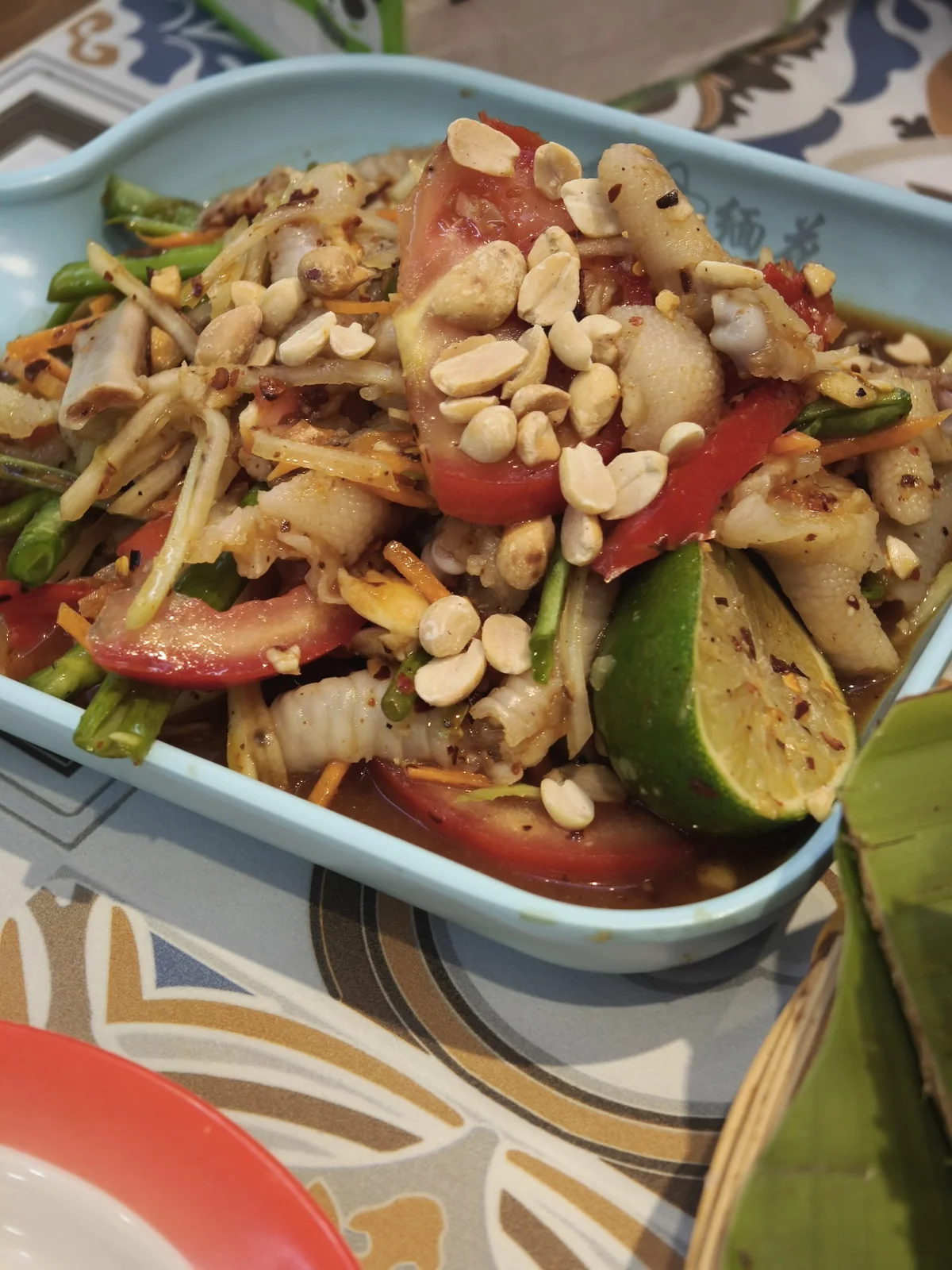
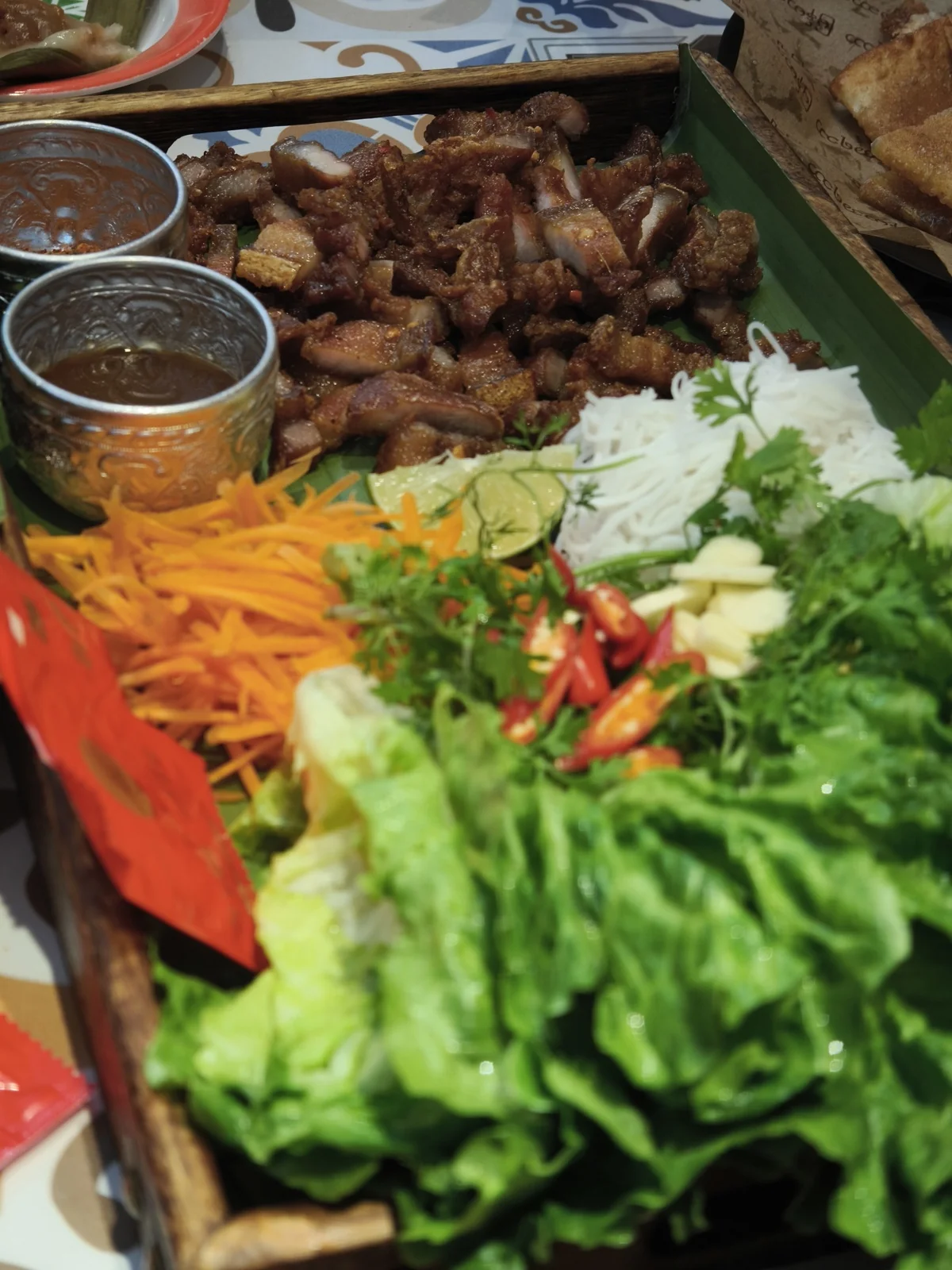
We devoured Dai rice noodles, Myanmar street food (crispy banana pancakes, meat wraps, pounded chicken feet), and customizable bean soup breakfasts.

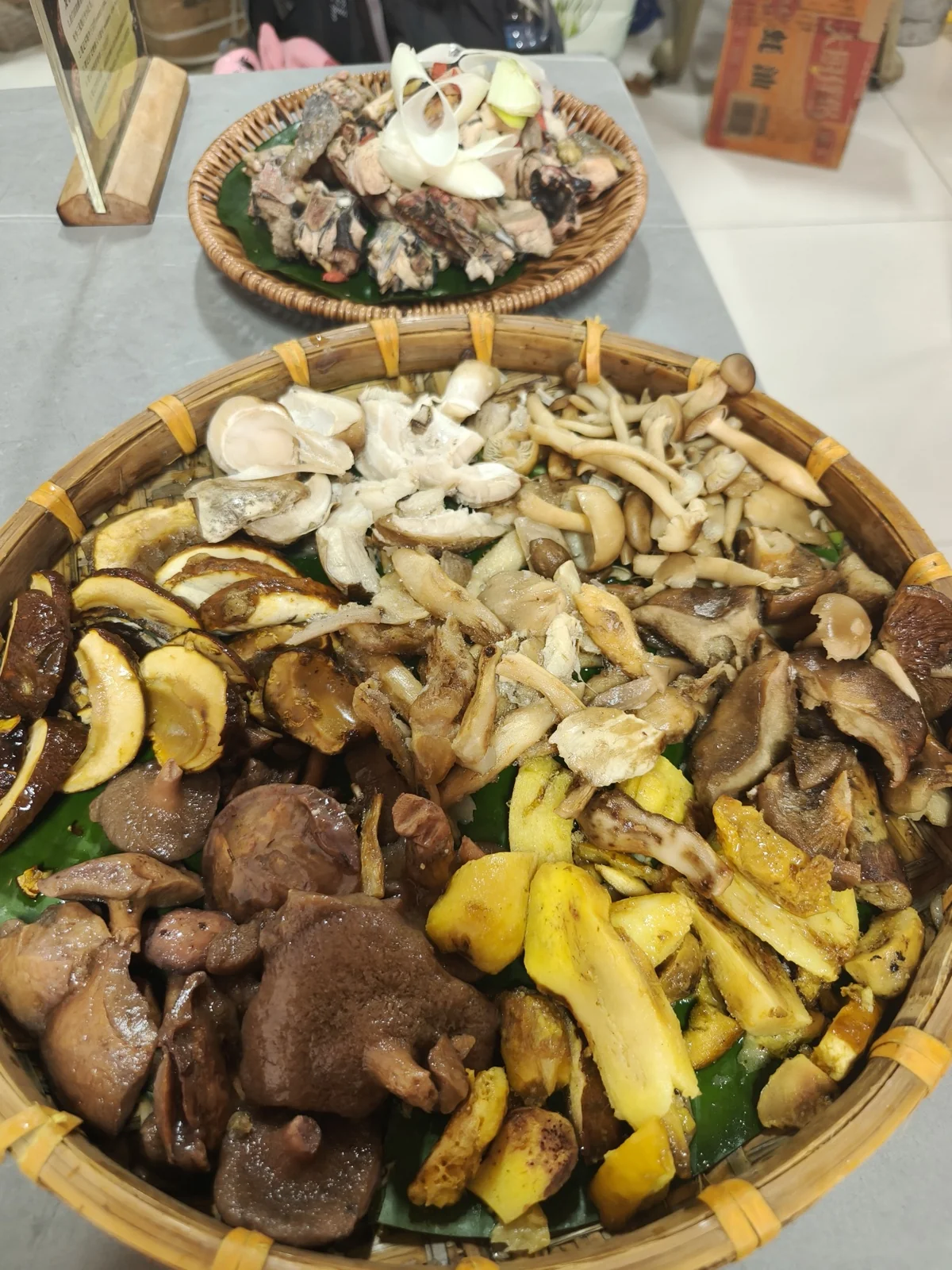
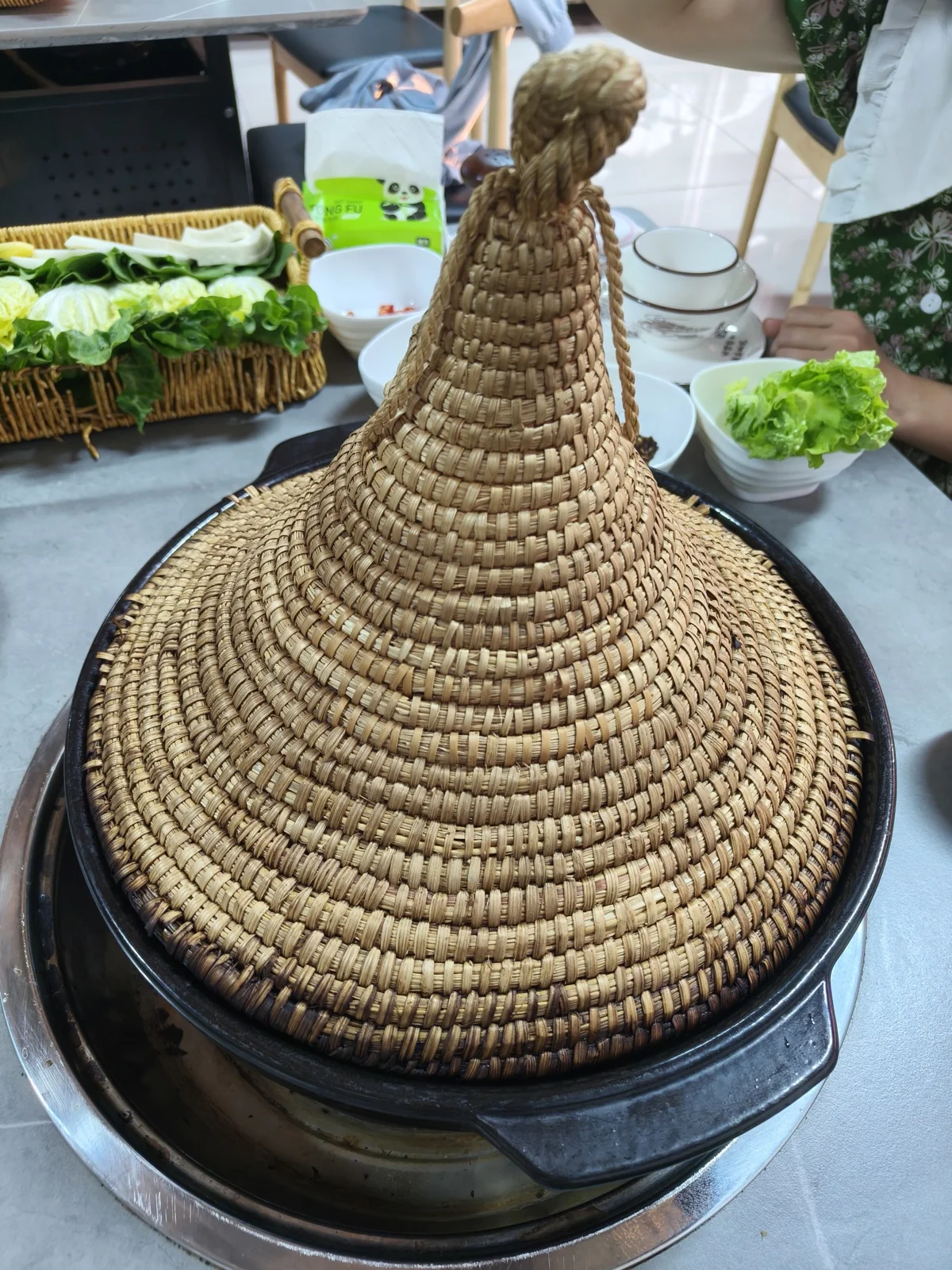
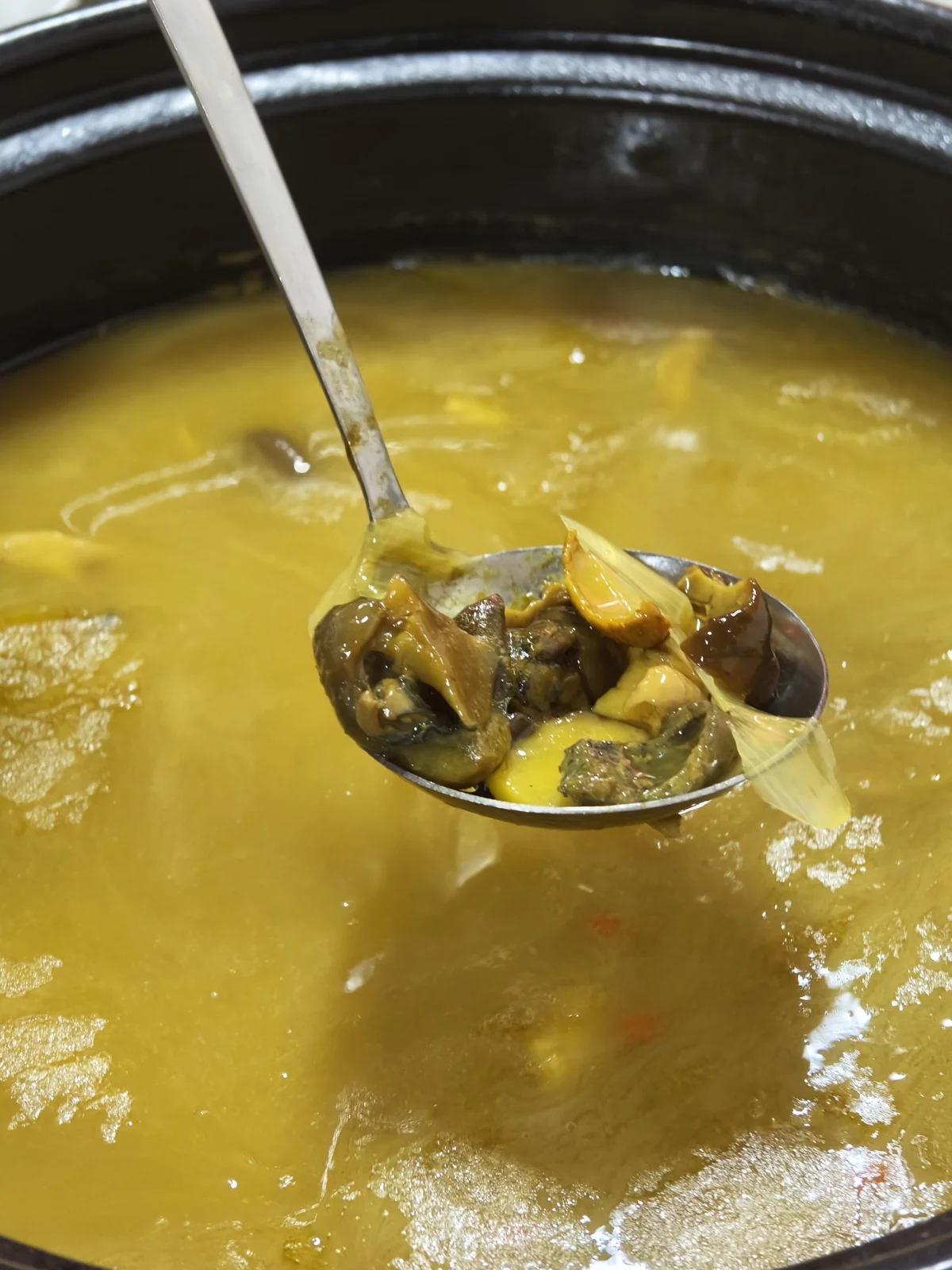
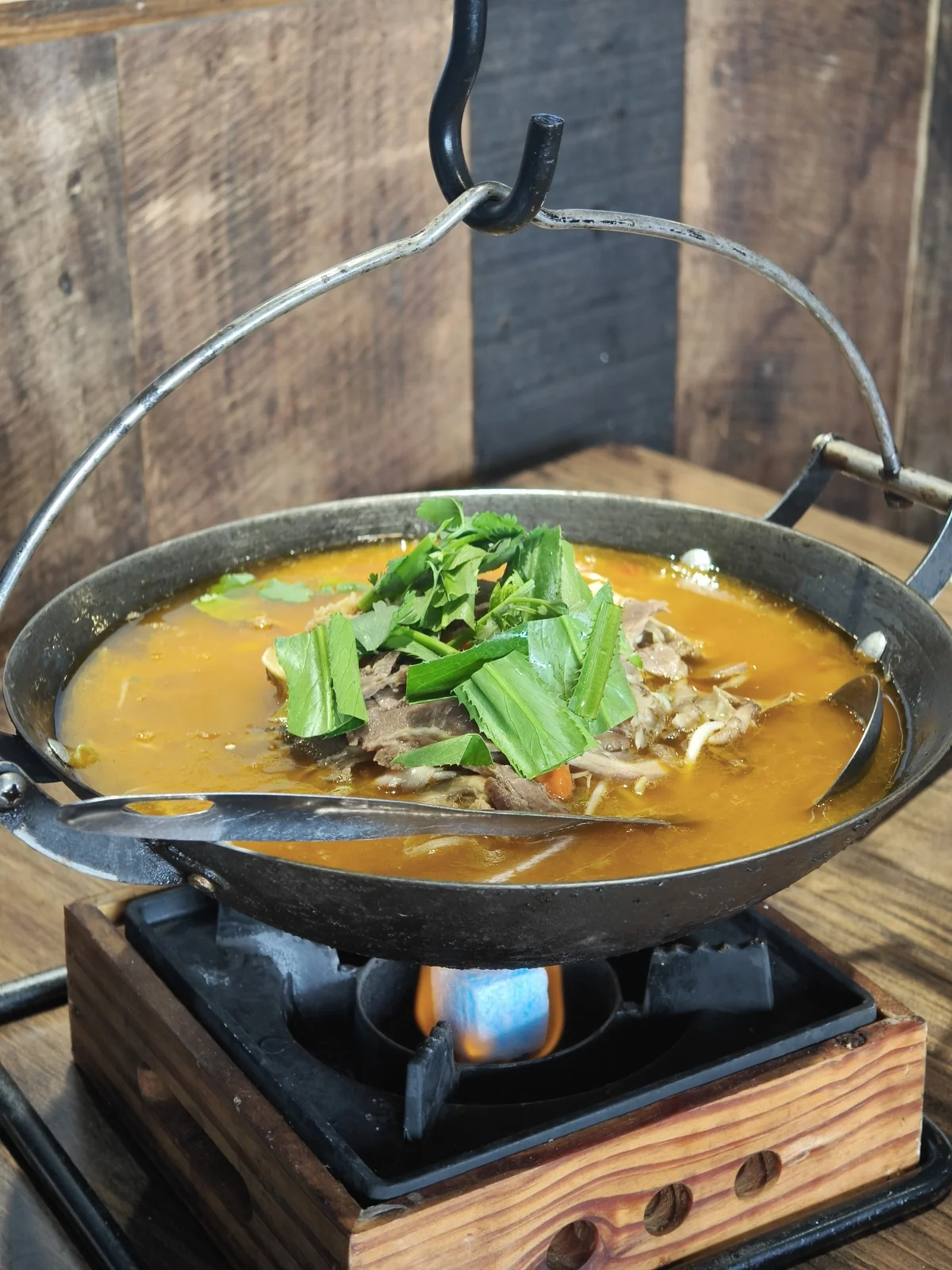
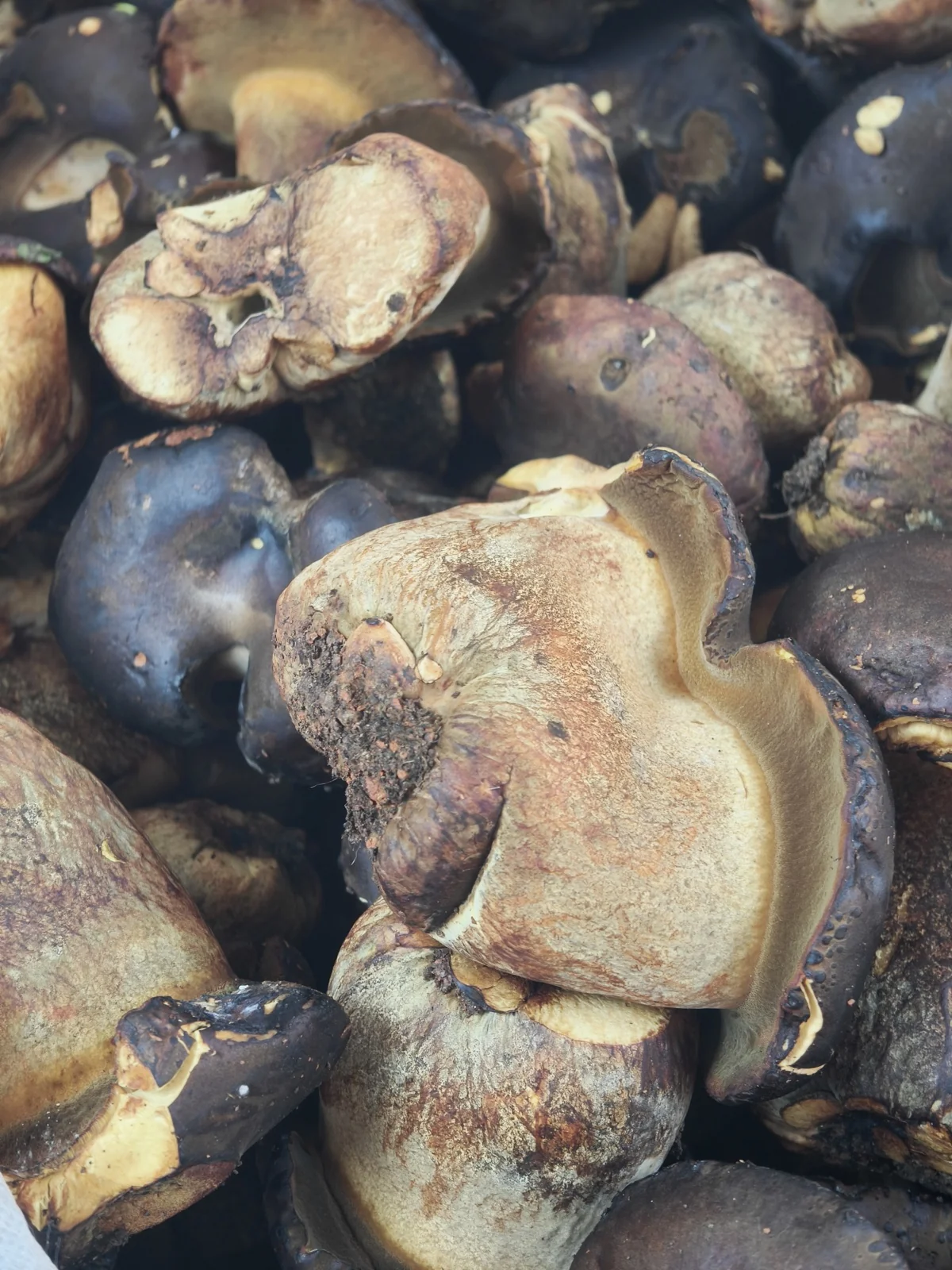
We also tried a wild mushroom hotpot. It’s strictly timed for 35 minutes to ensure toxins are cooked out, and they even keep a sample of the broth on file just in case! It tasted exactly like a rich “Buddha Jumps Over the Wall” broth.
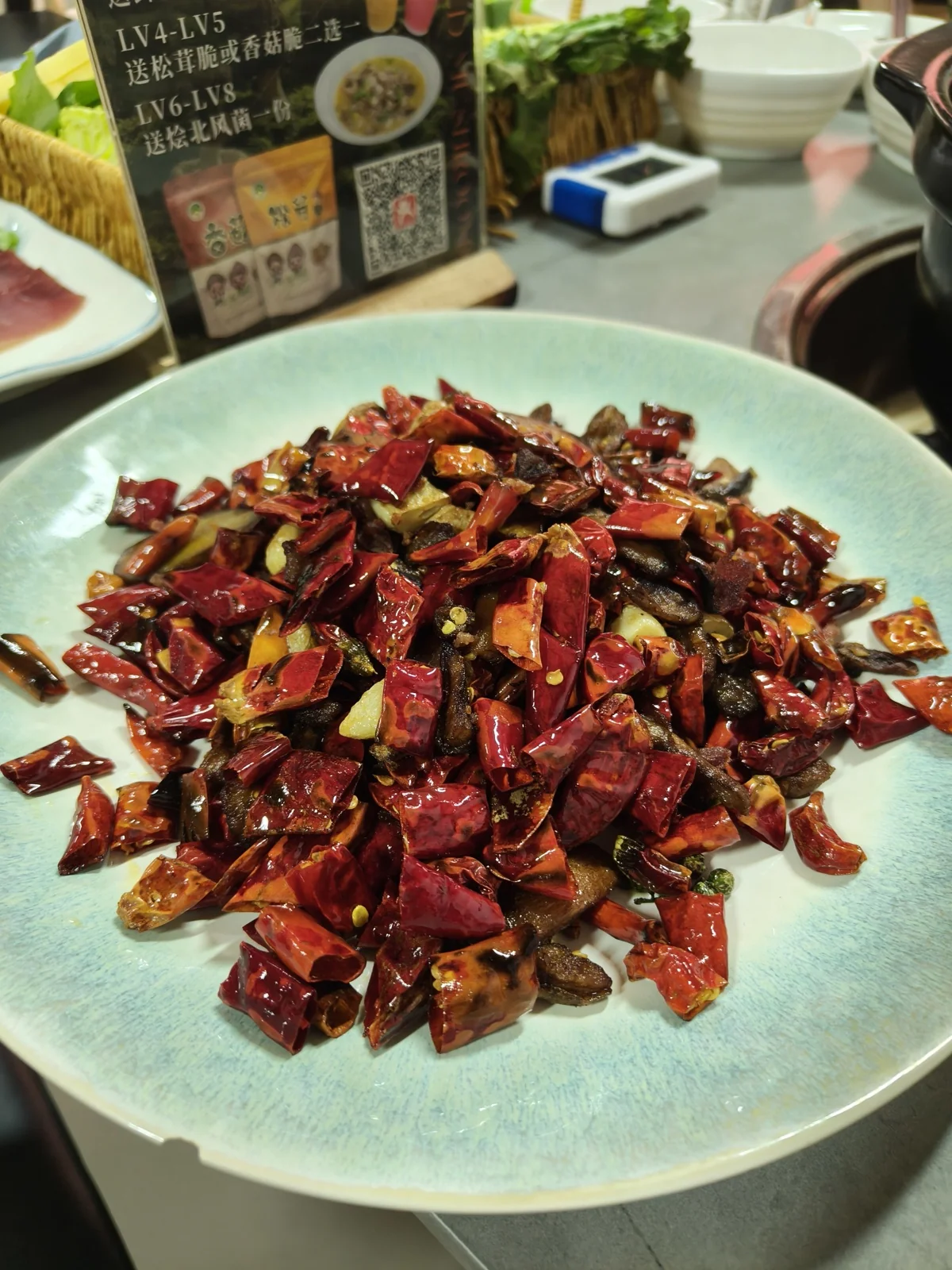
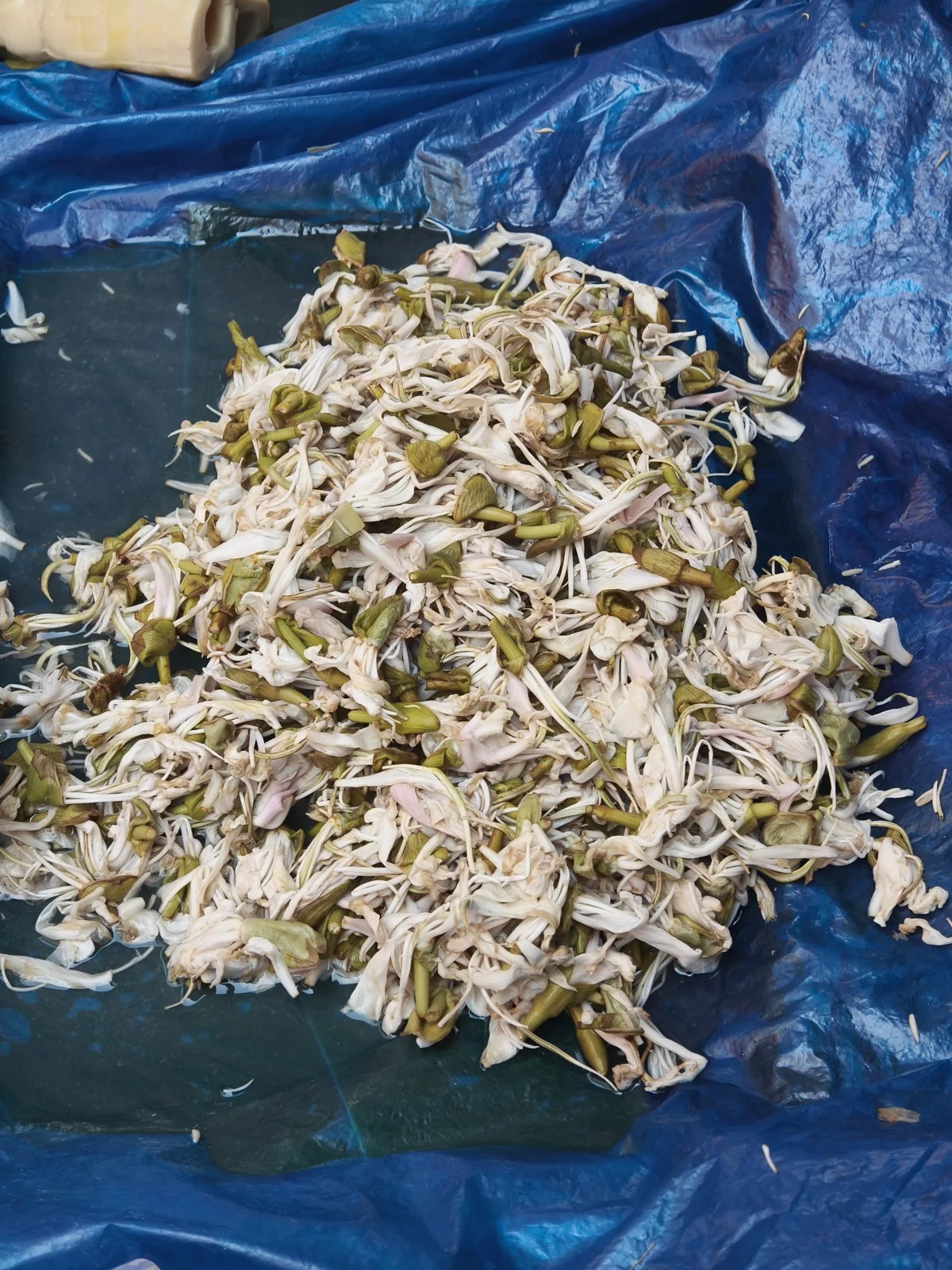
Other highlights included stir-fried wild flowers, passion fruit fish, and an incredibly refreshing mint beef dish.
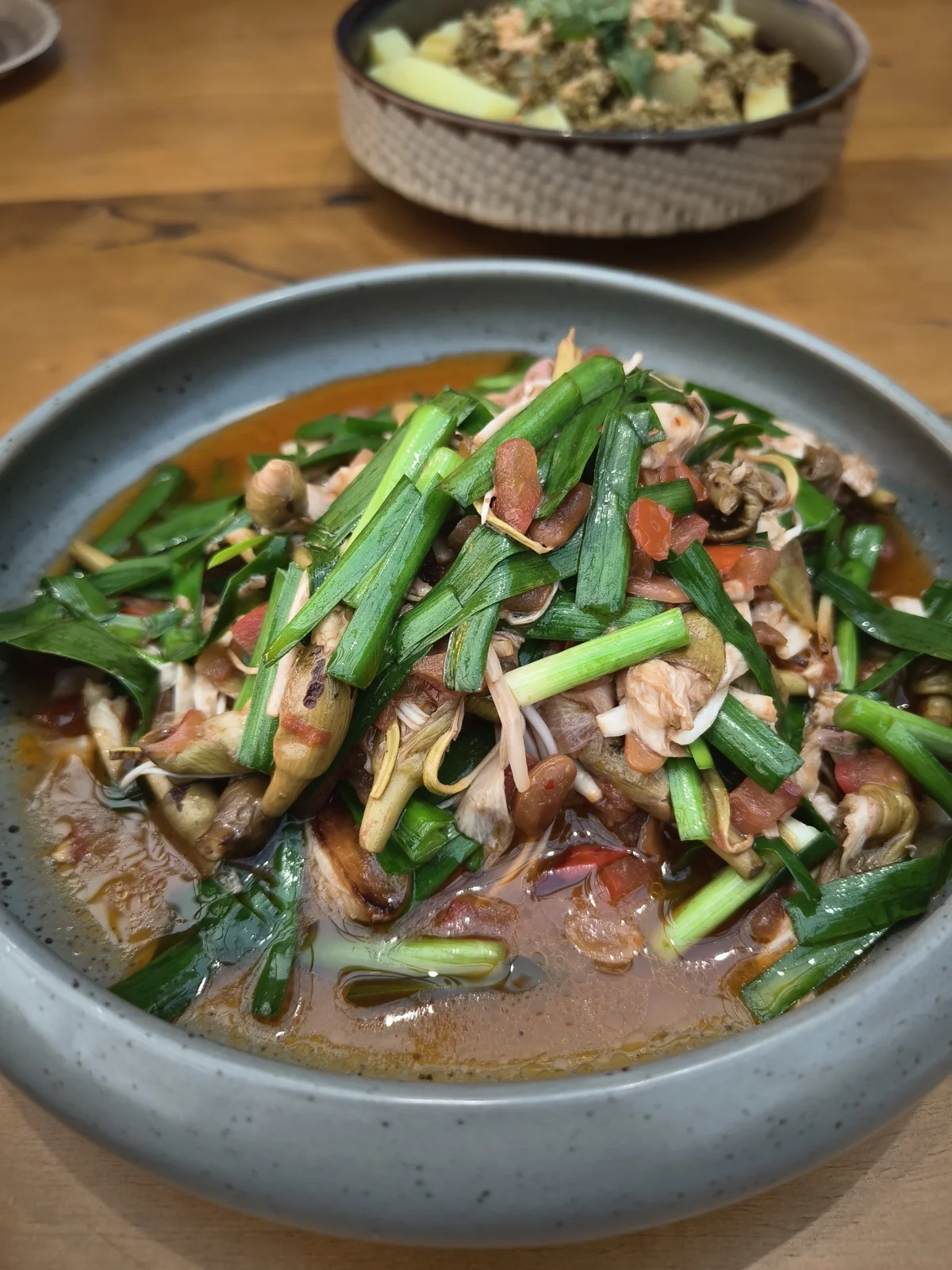
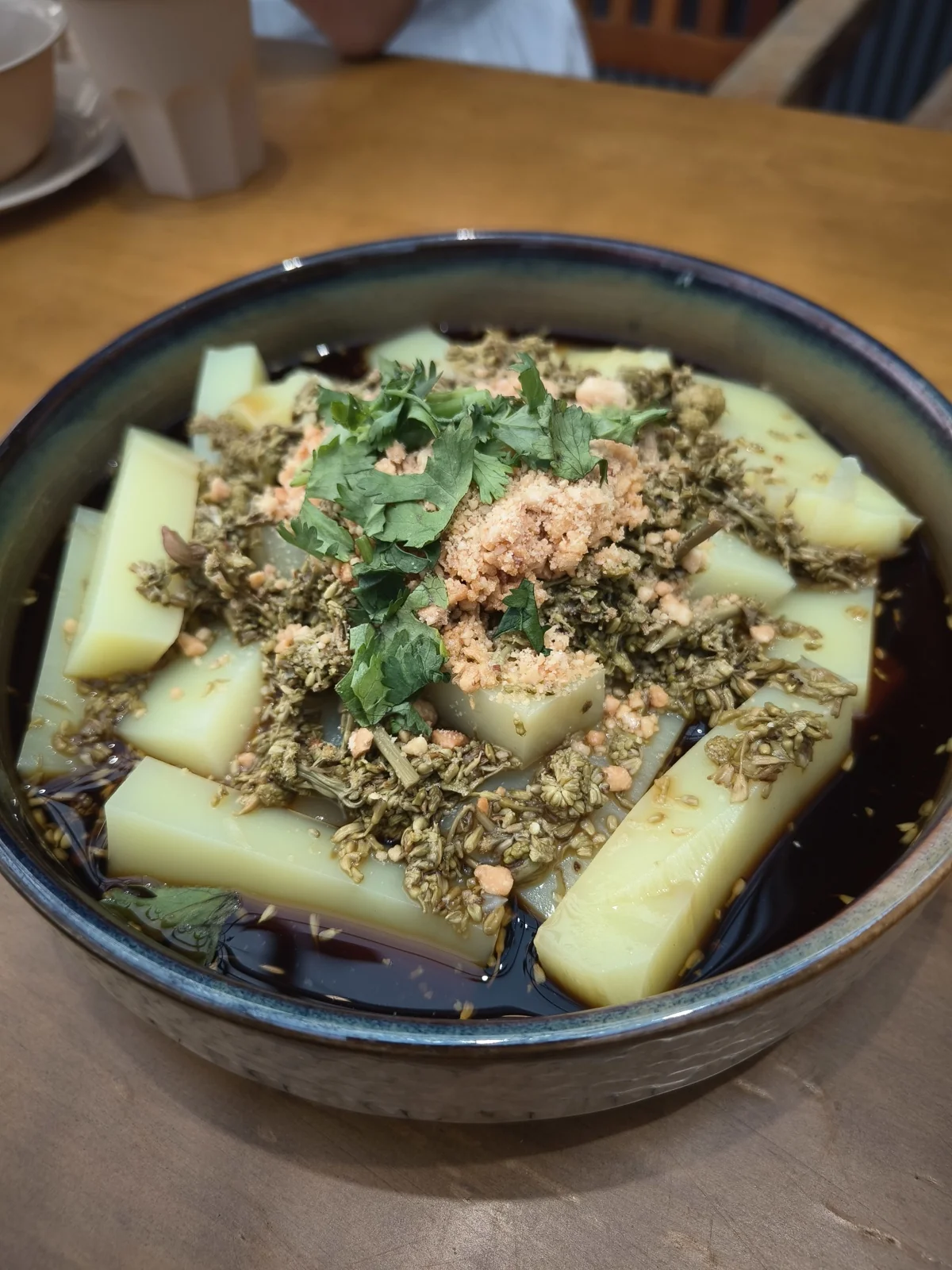
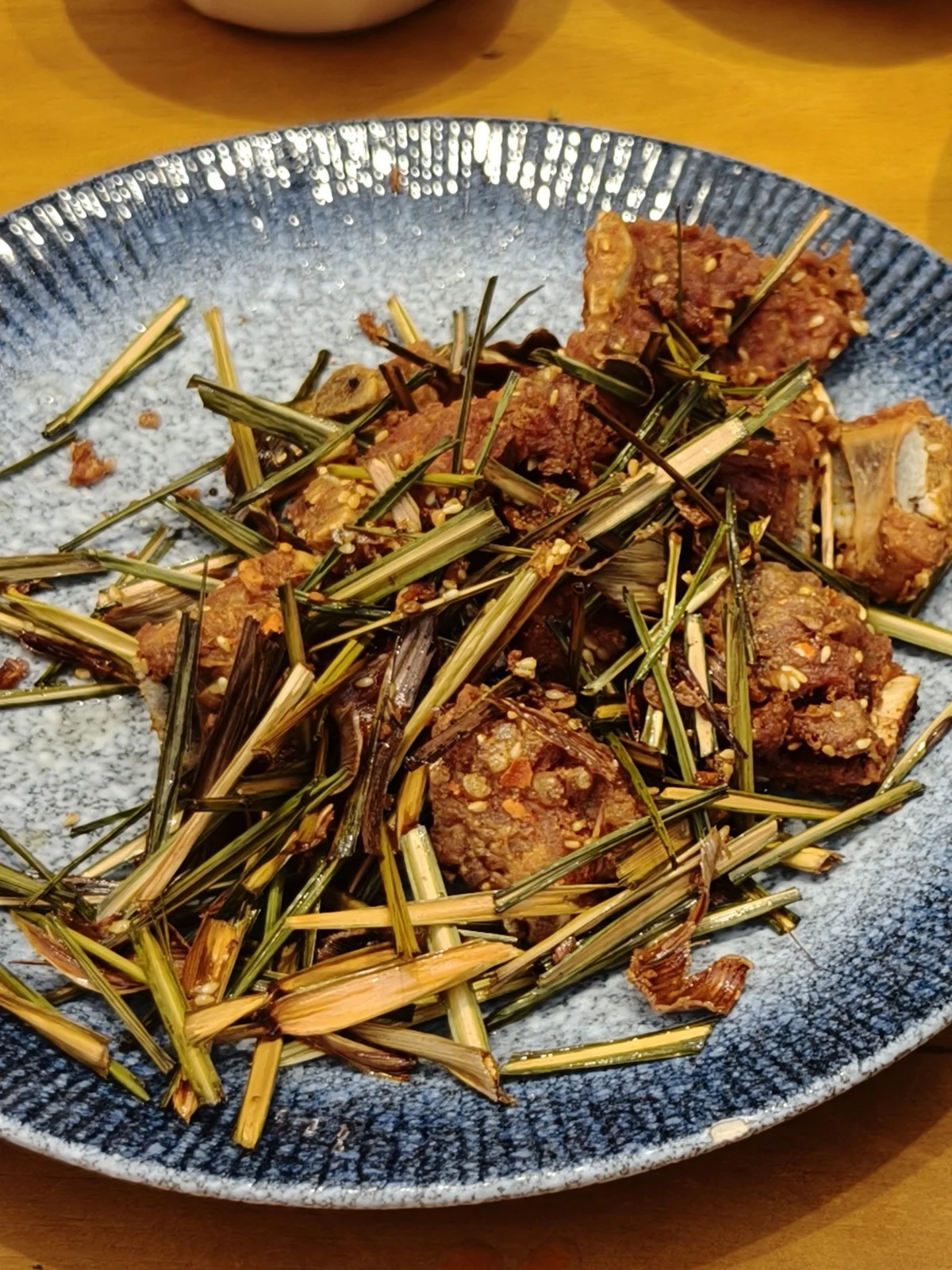
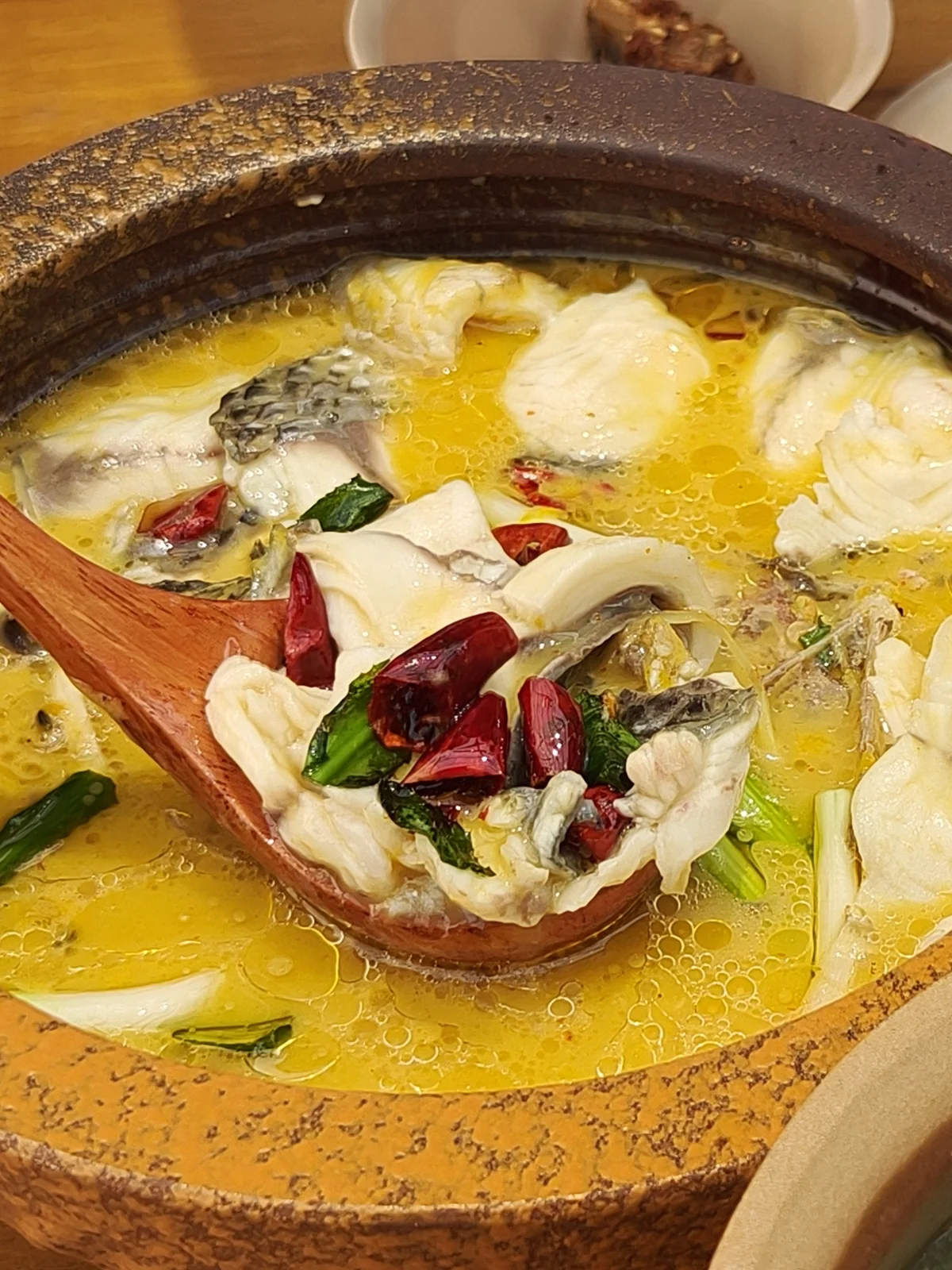
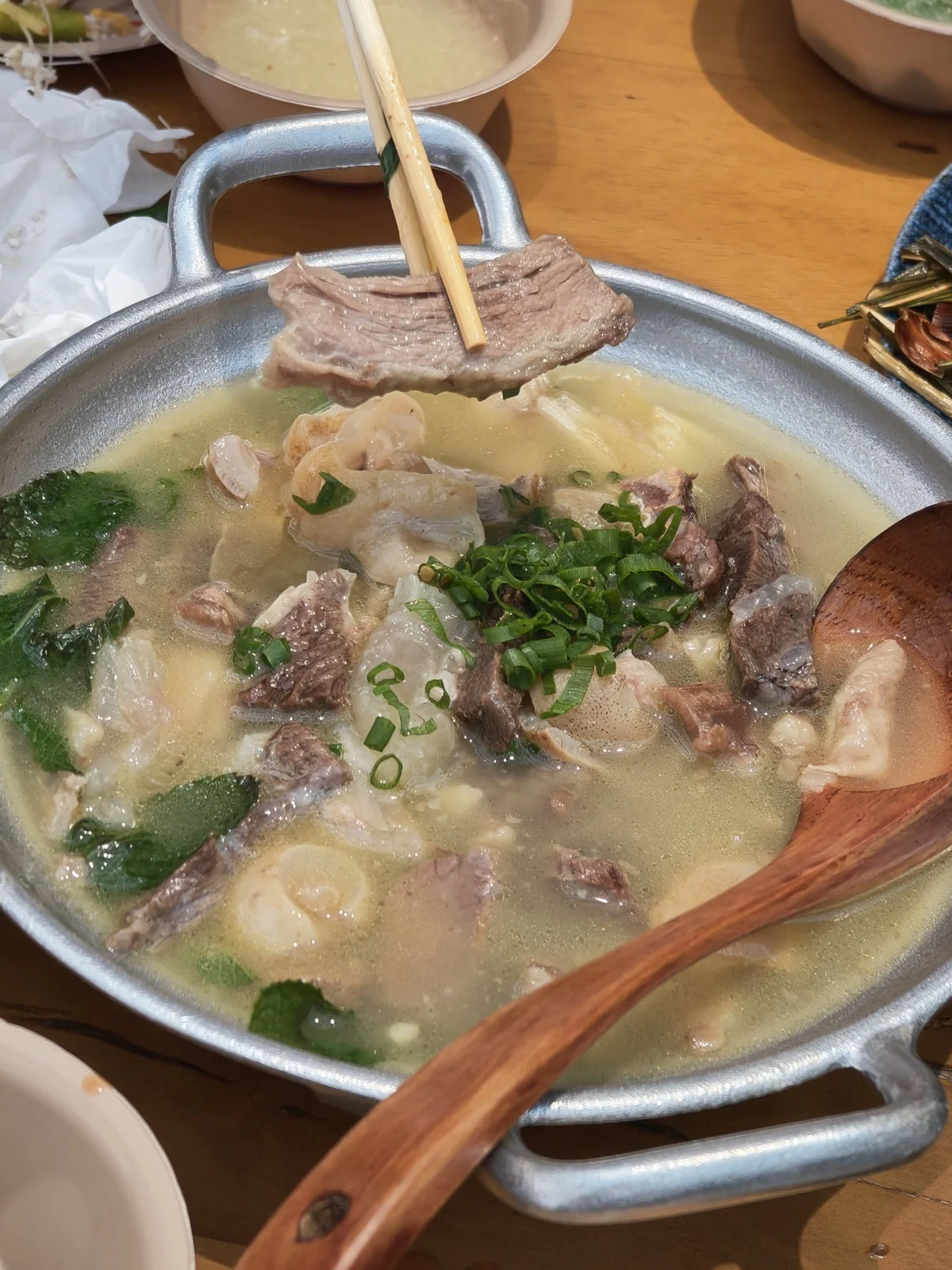
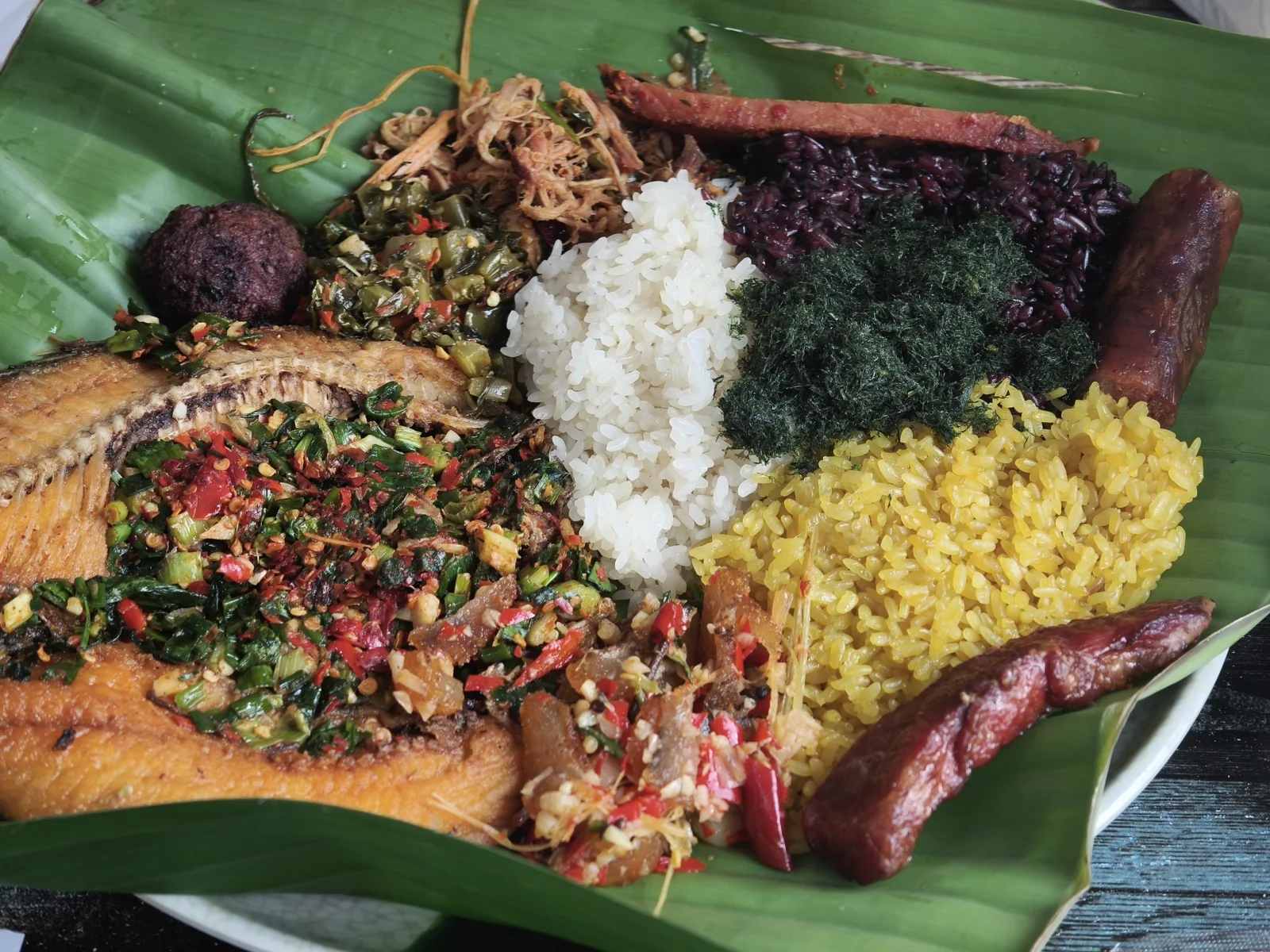
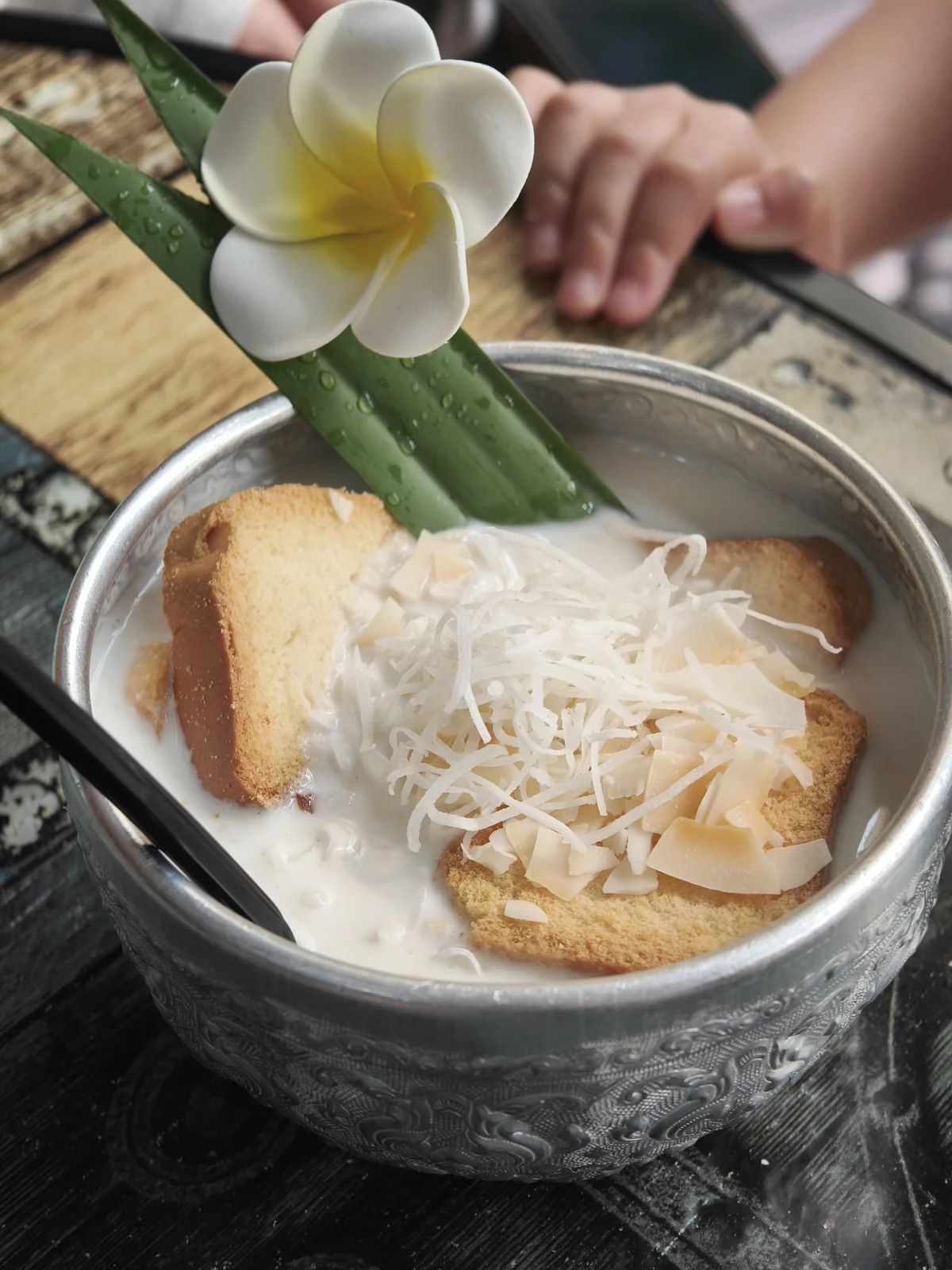
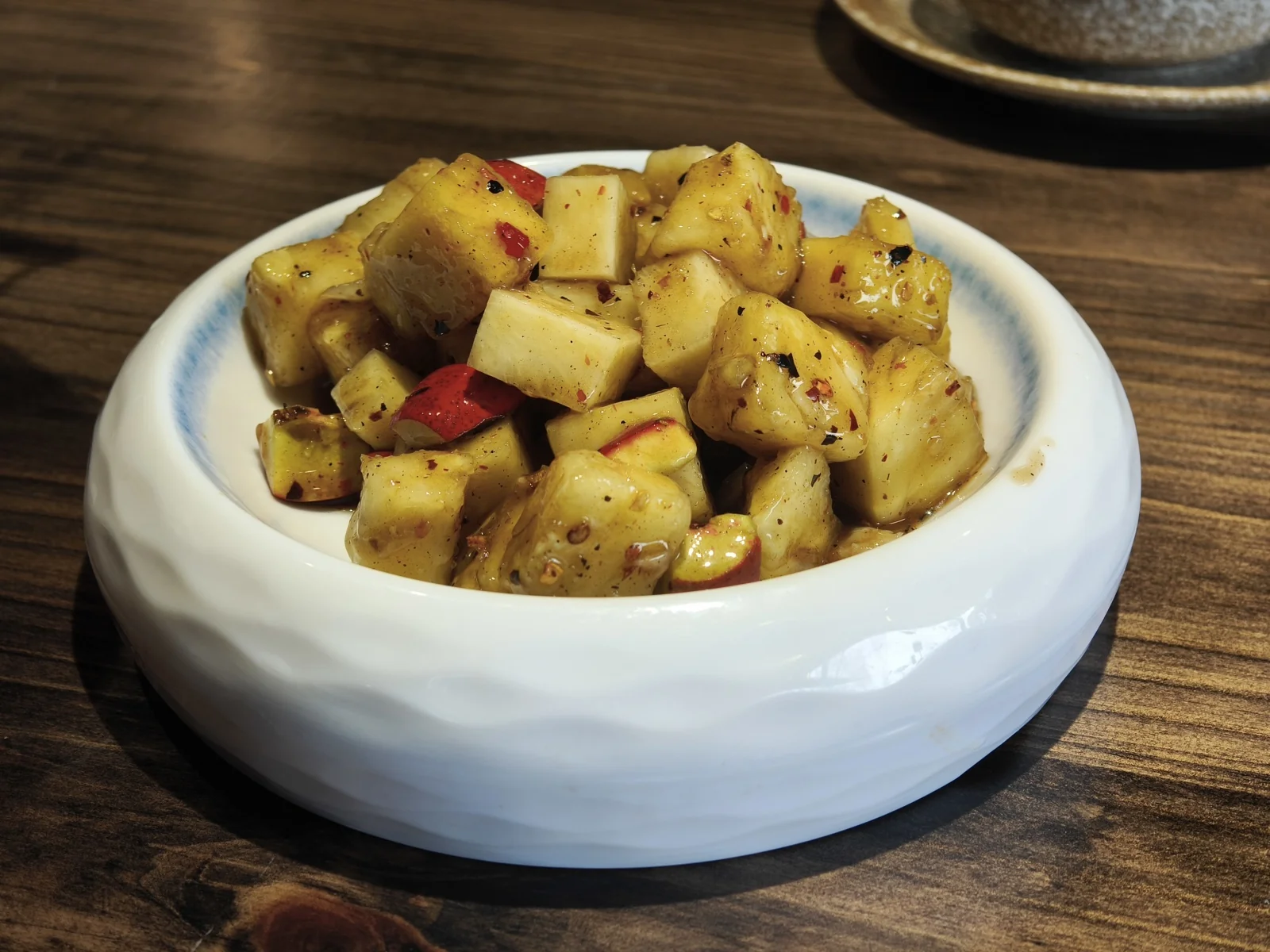
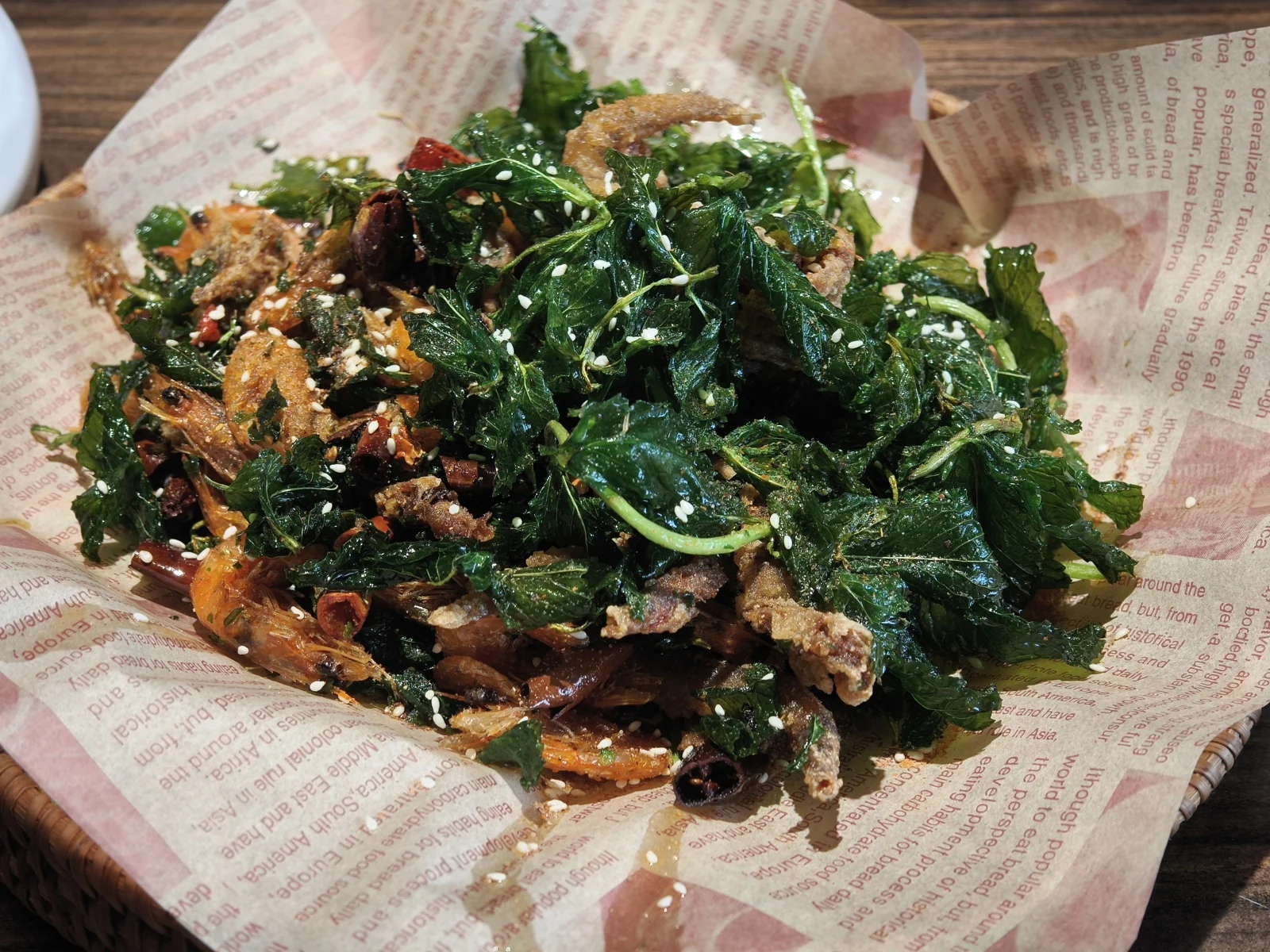
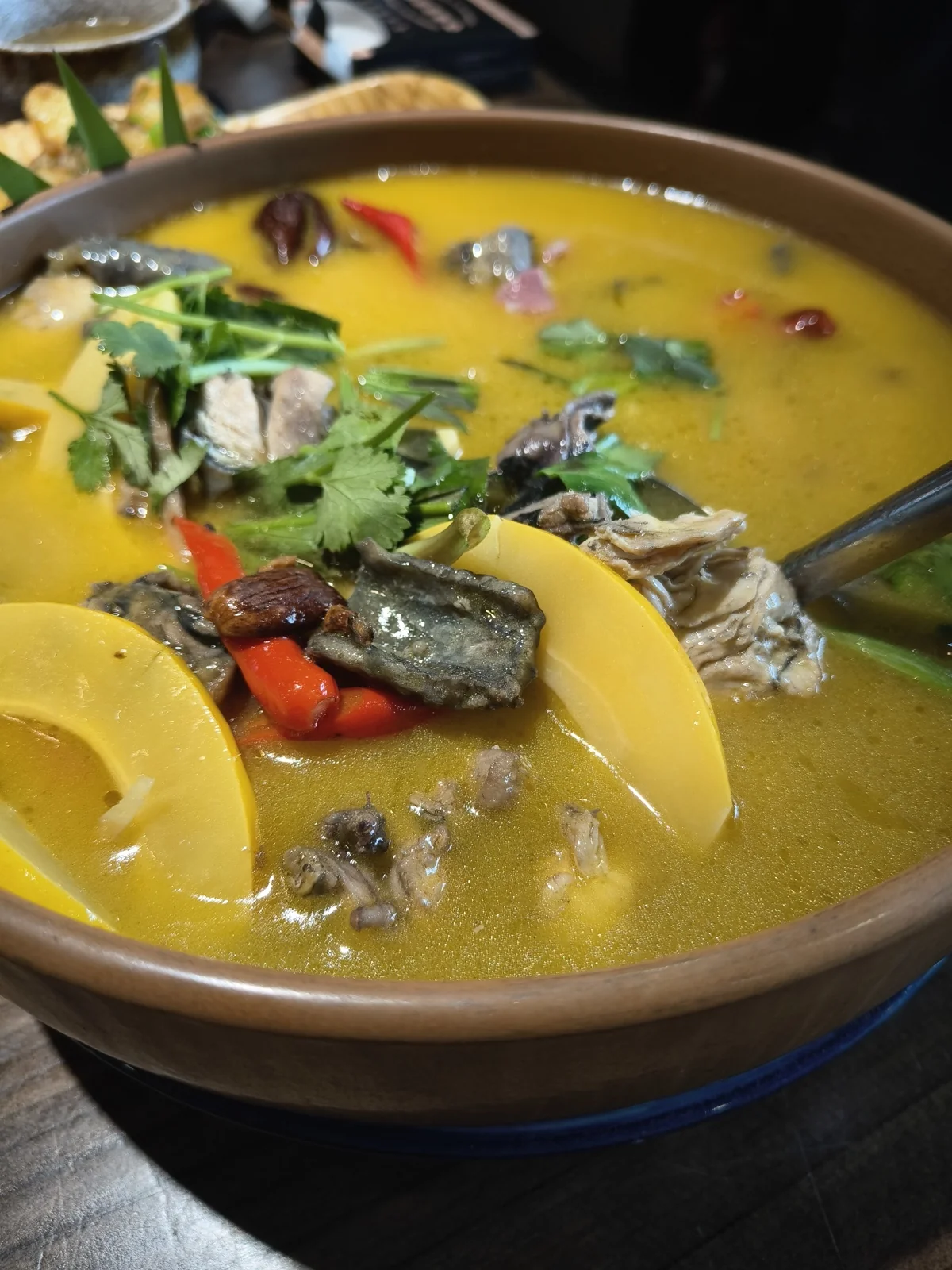
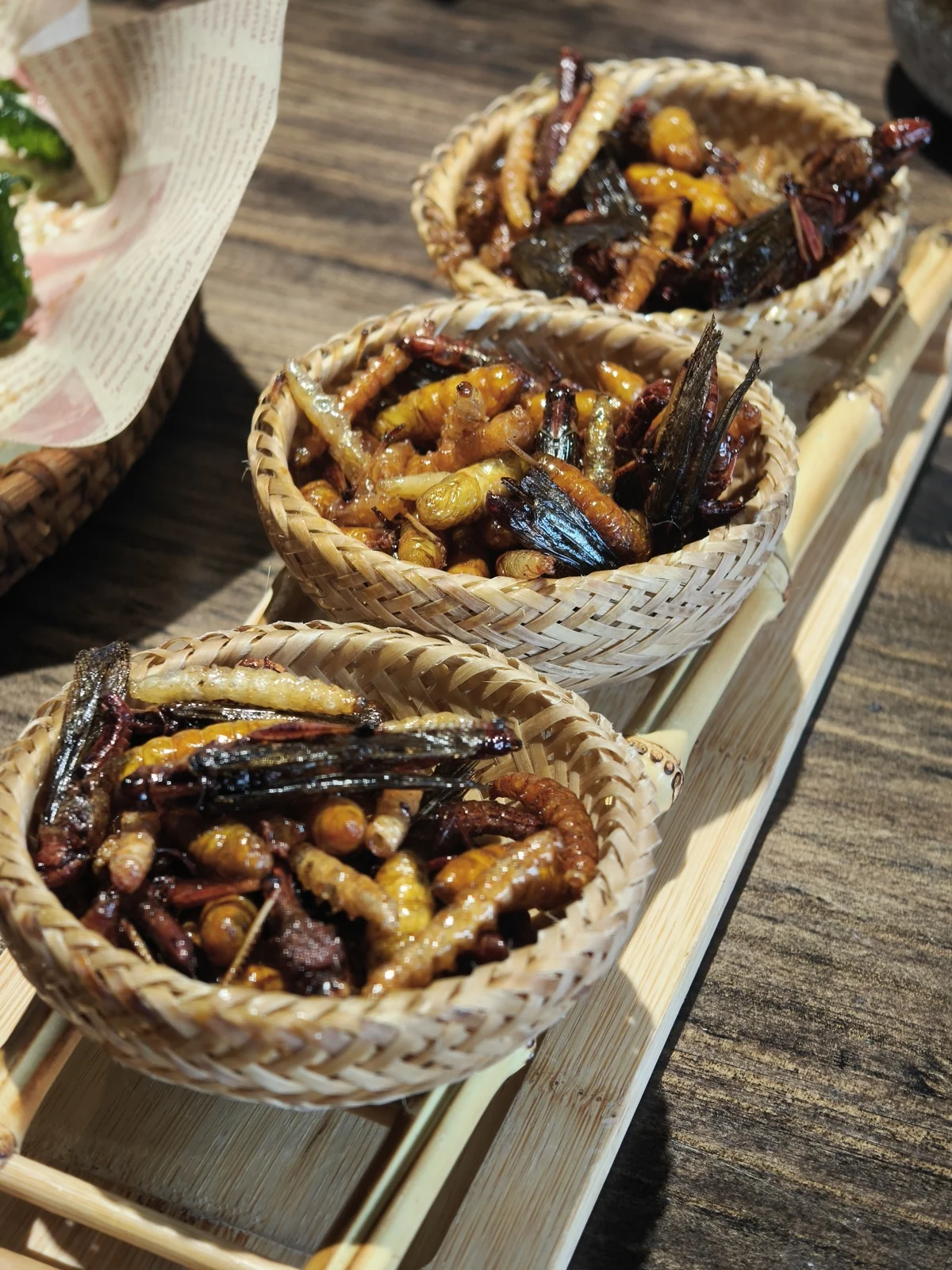
We even tried a deep-fried bug platter (bamboo worms, bee pupae, and cicadas)—mostly they just tasted like cooking oil.
Honestly, even if you skip the tourist sites and just walk around eating, it’s worth the trip.
Observations
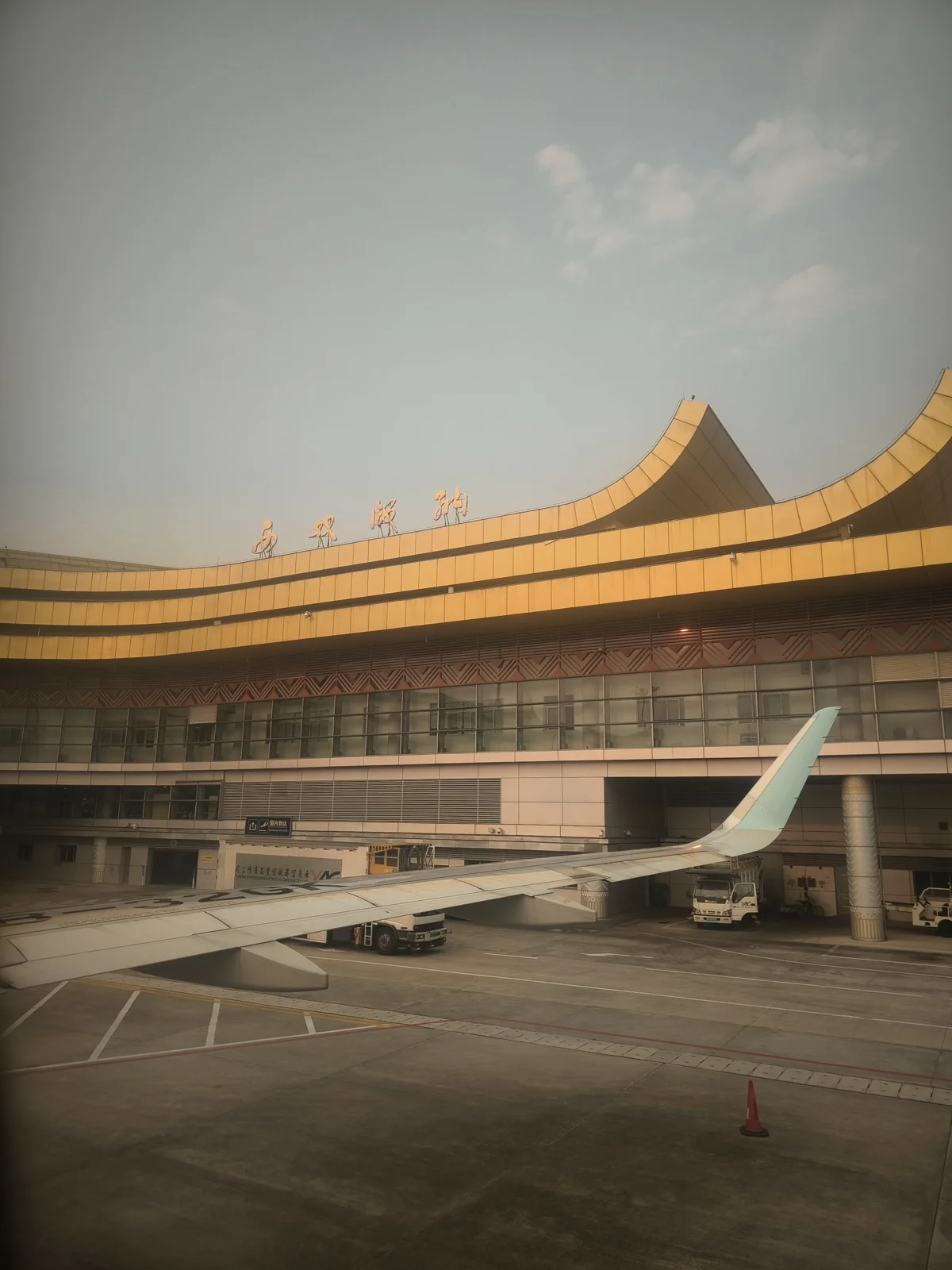
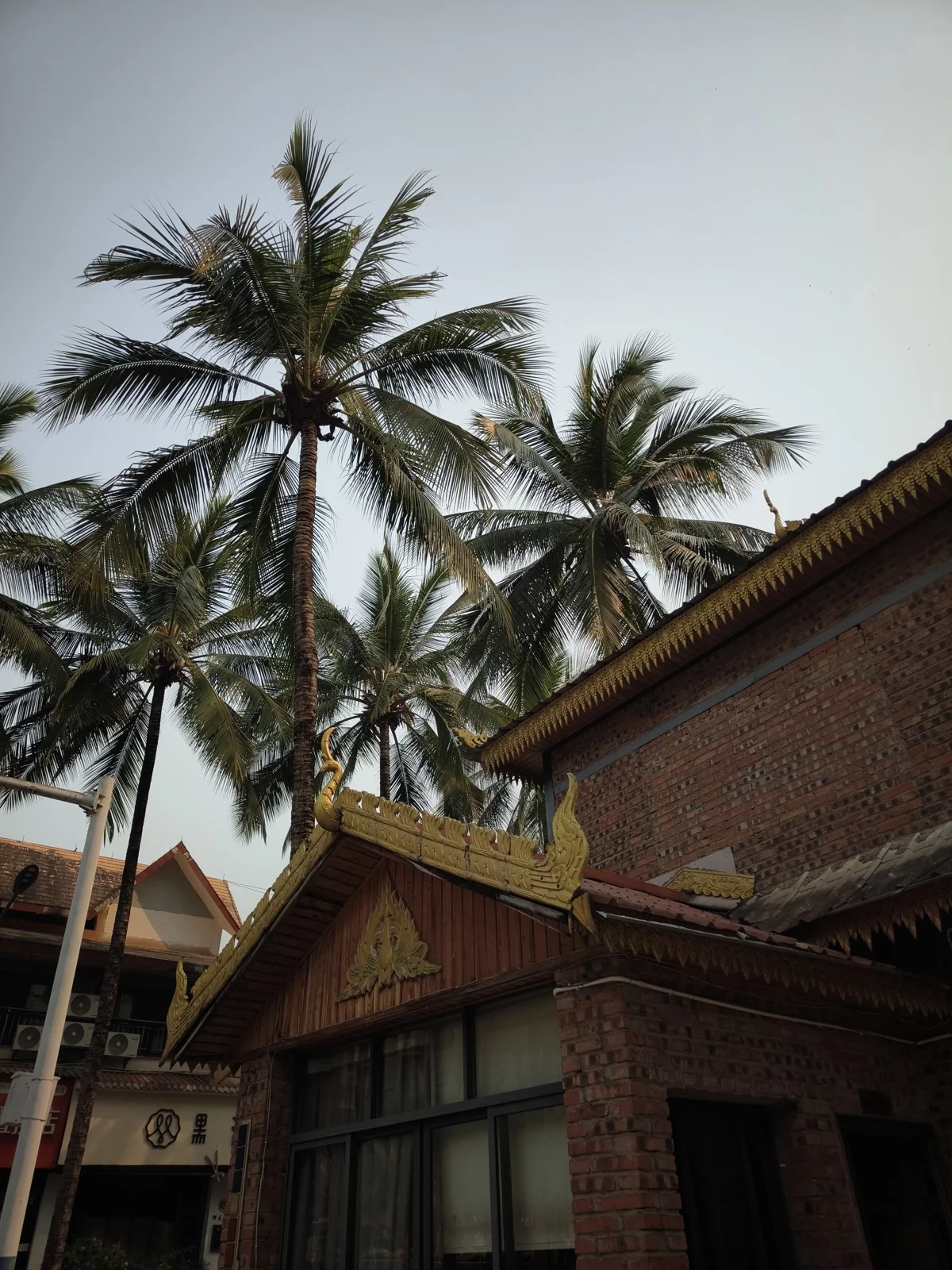
Dai architecture is ubiquitous—gold and silver accents with sharp, soaring eaves on everything from airports to flea markets and even temporary construction sheds.
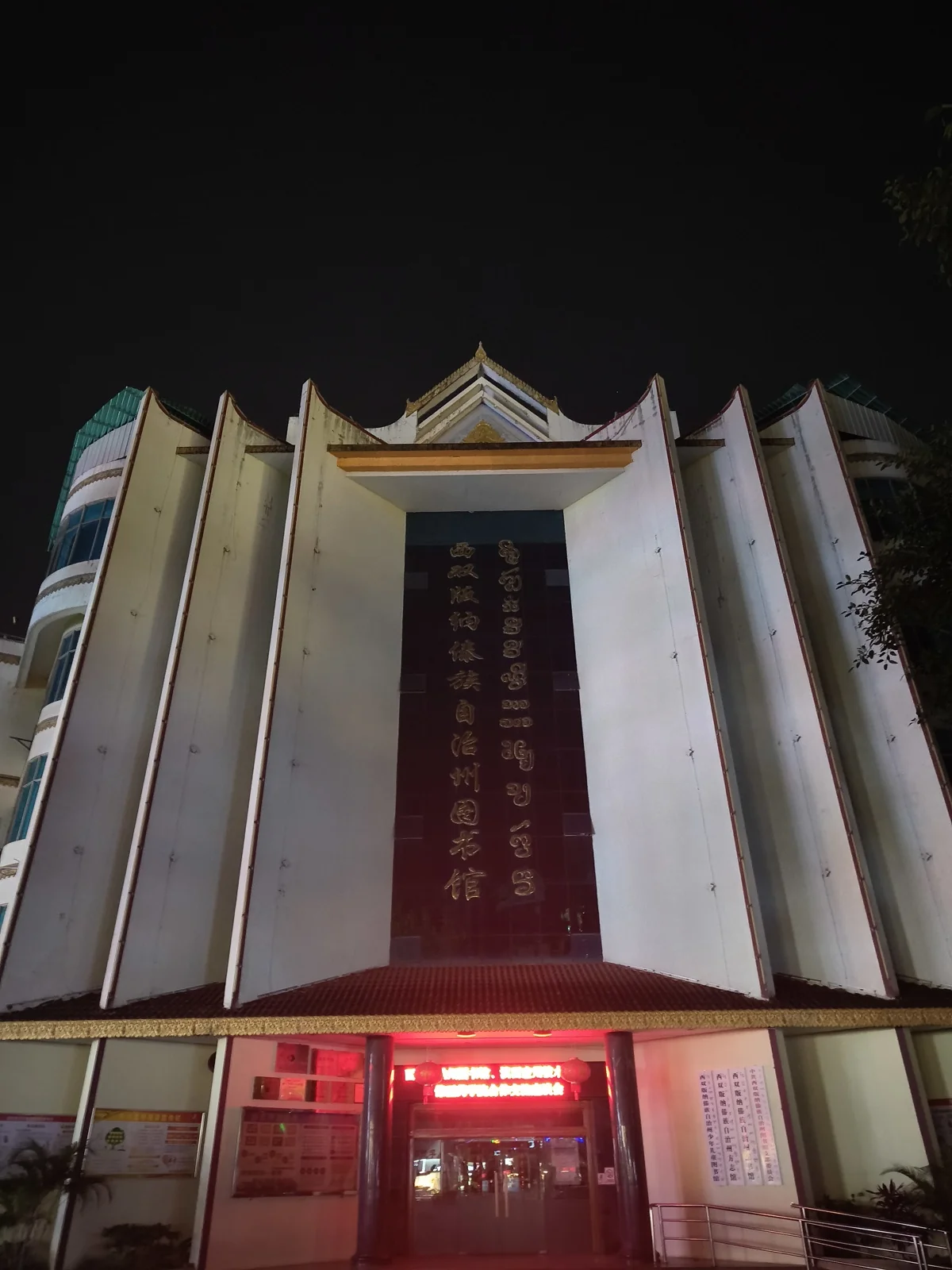
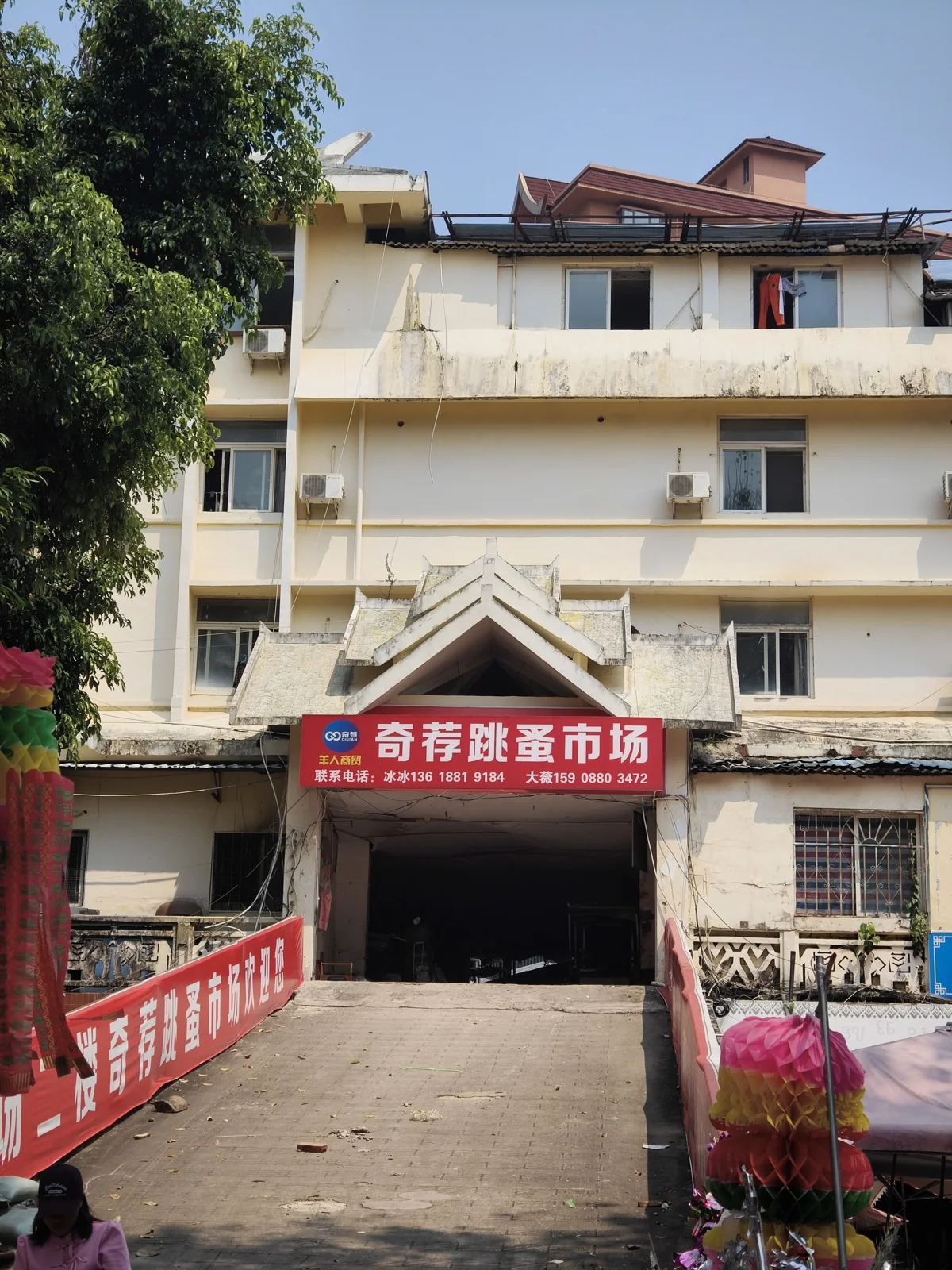
You hear two dominant accents here: the local Dai accent ending sentences with “ga,” and the Northeastern Chinese accent from the massive influx of drivers and service workers.
The air was sometimes hazy, a result of cross-border slash-and-burn farming in Laos.
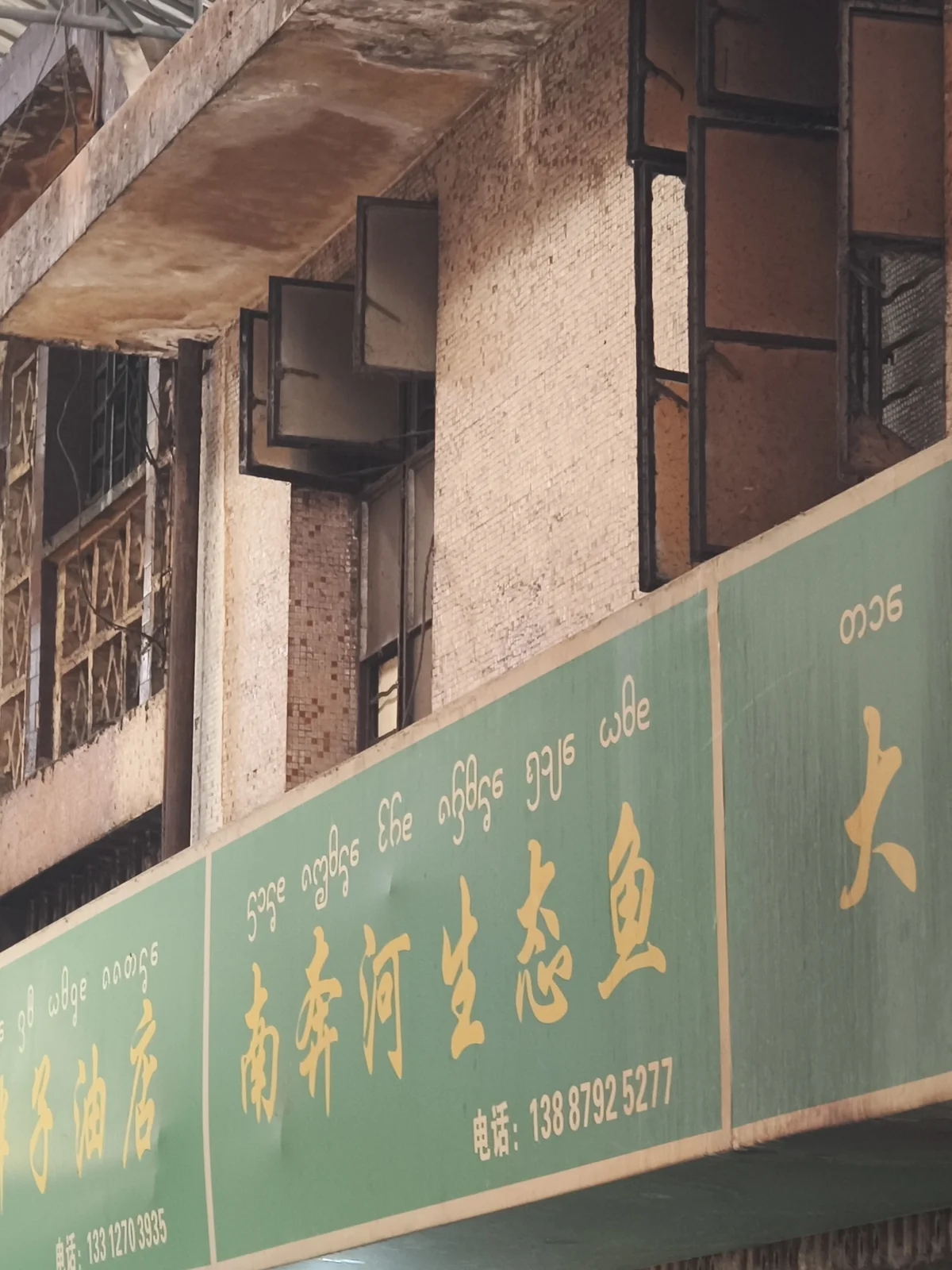
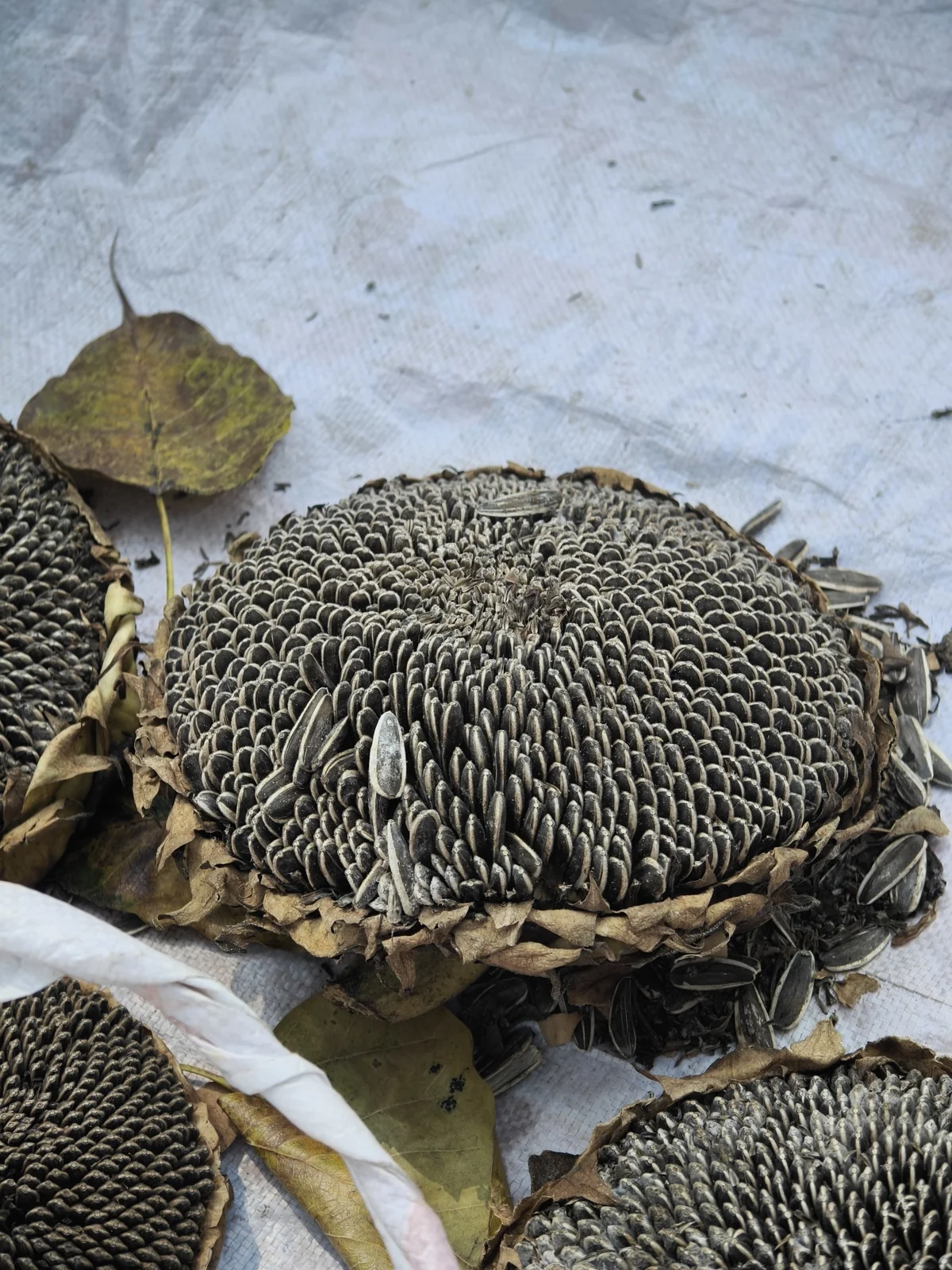
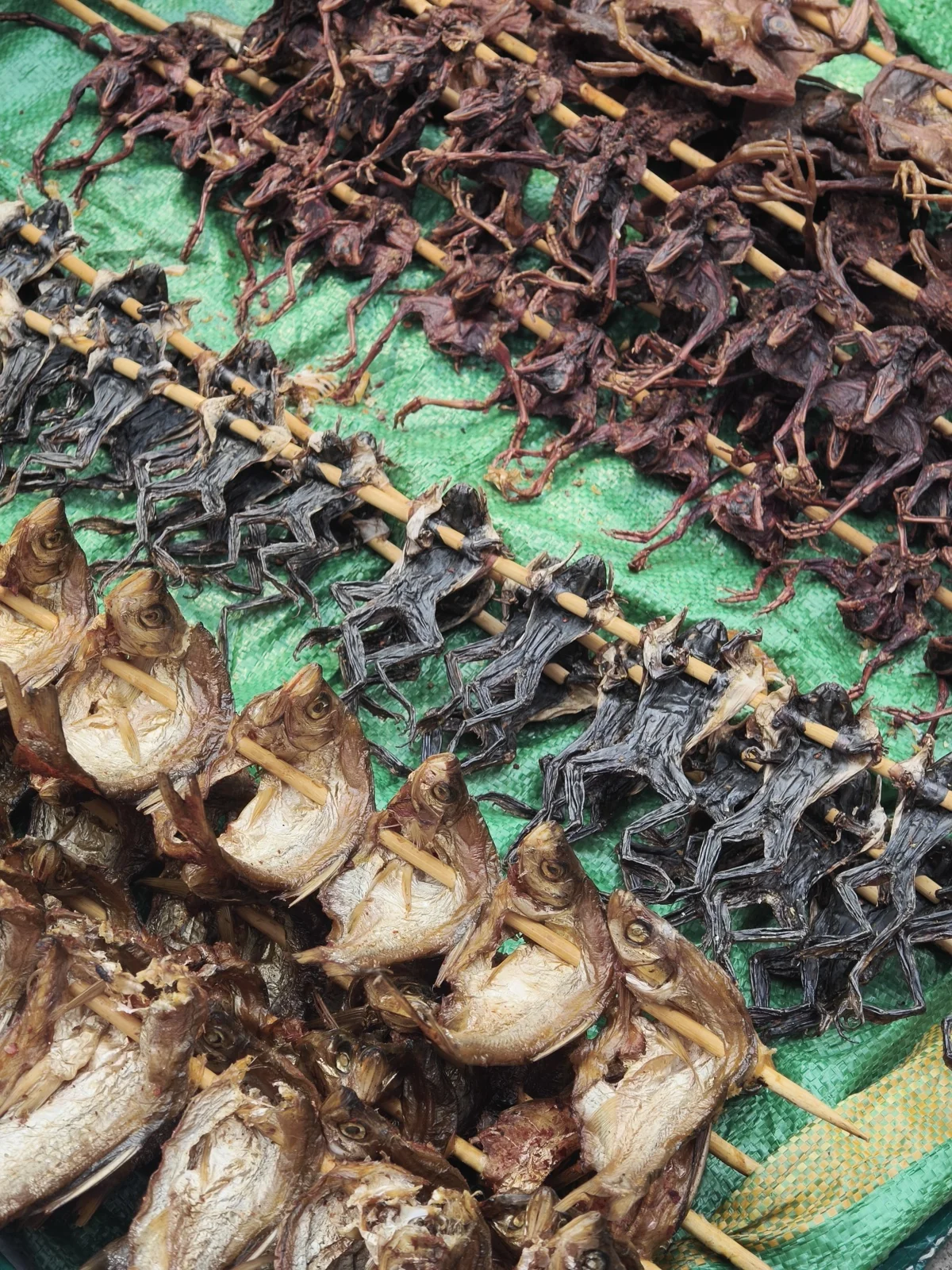
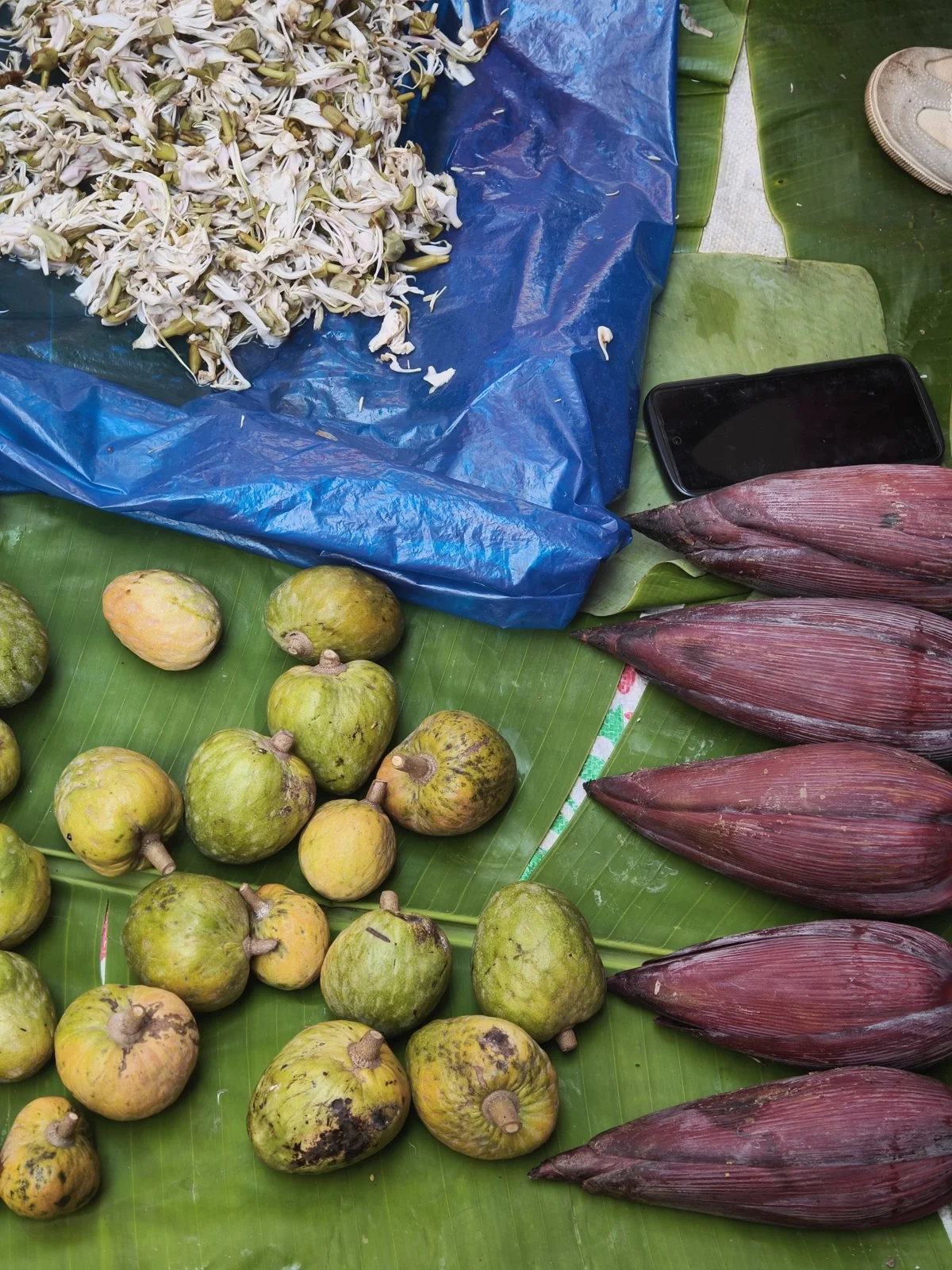
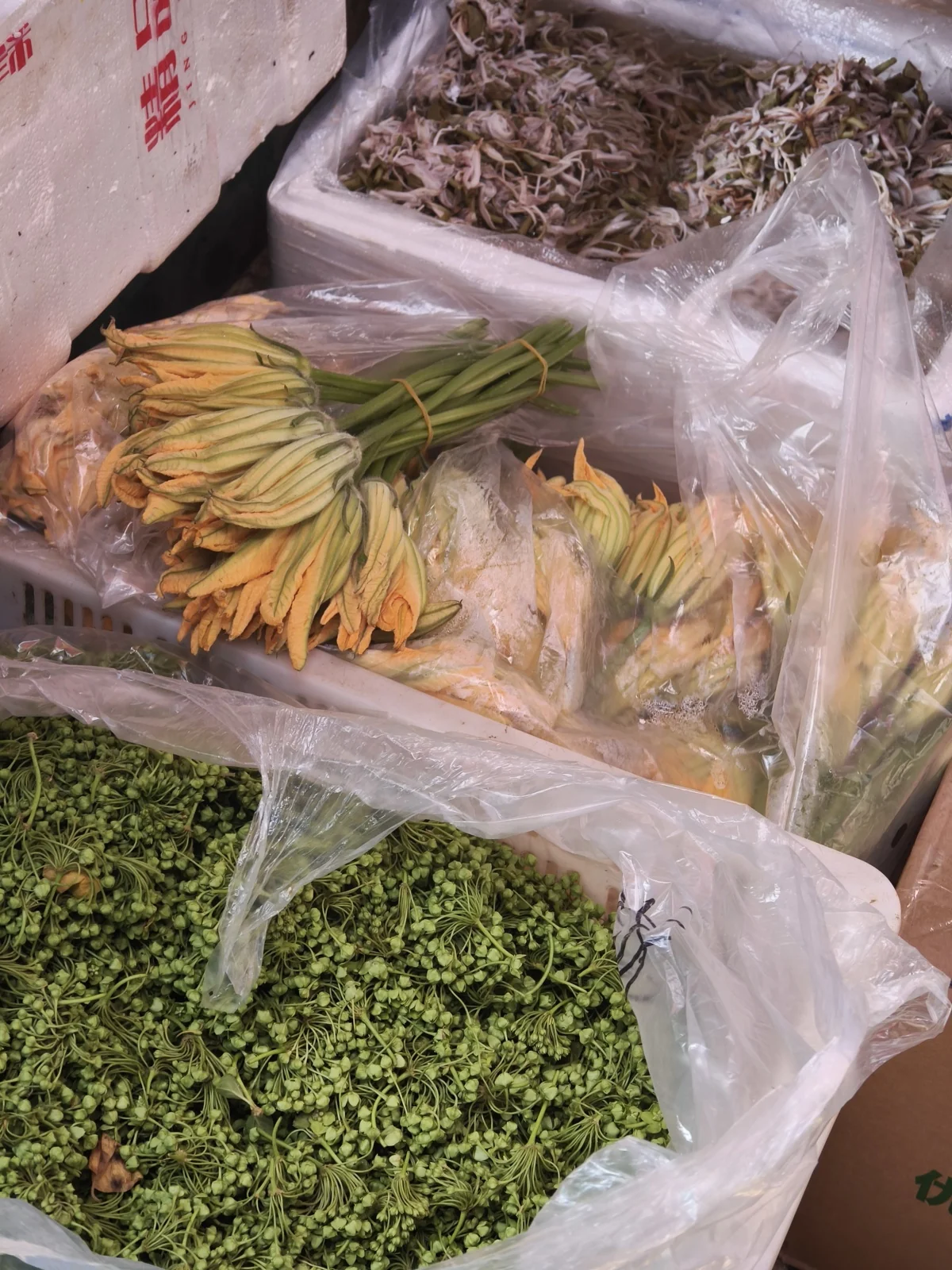
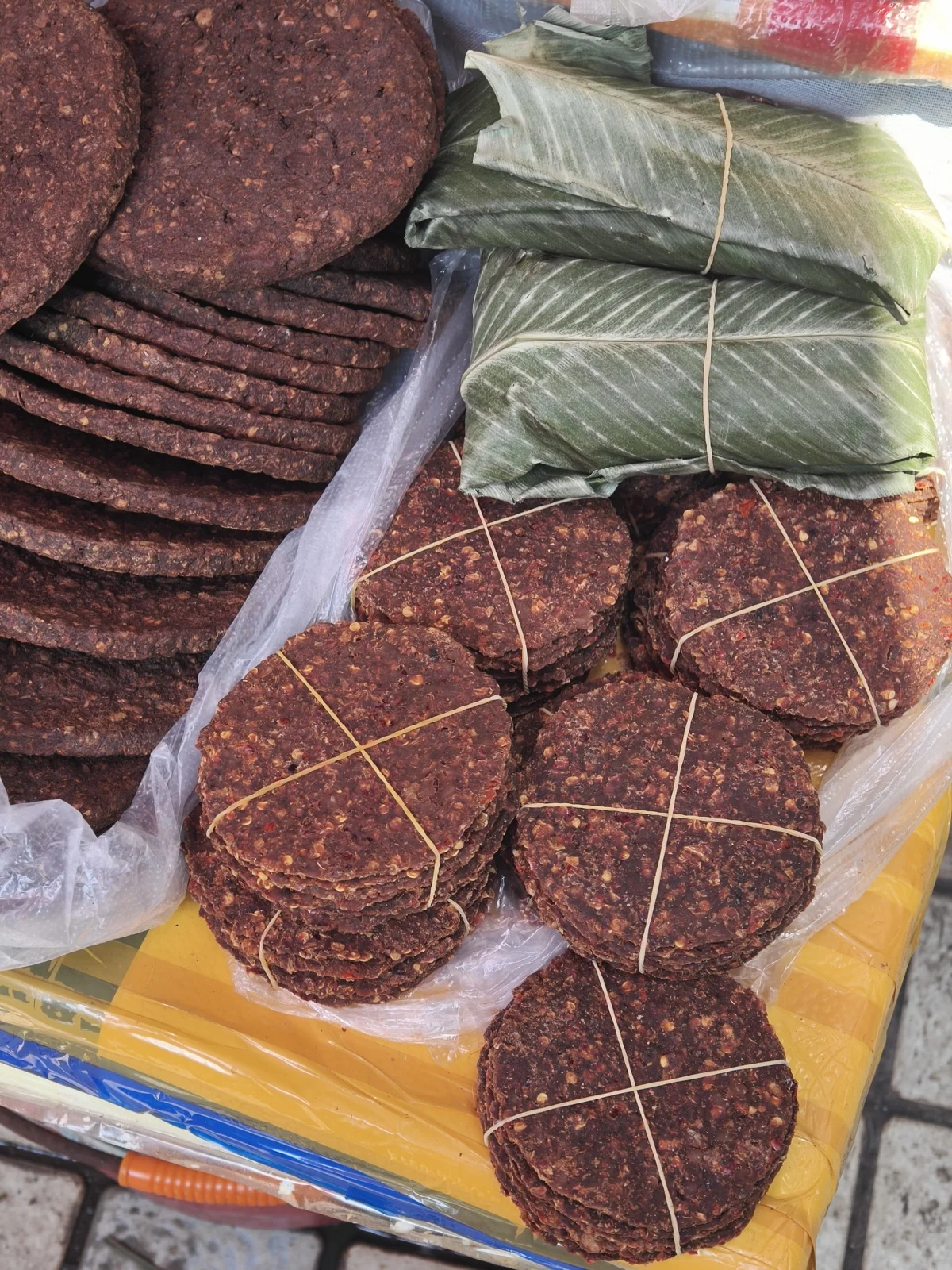
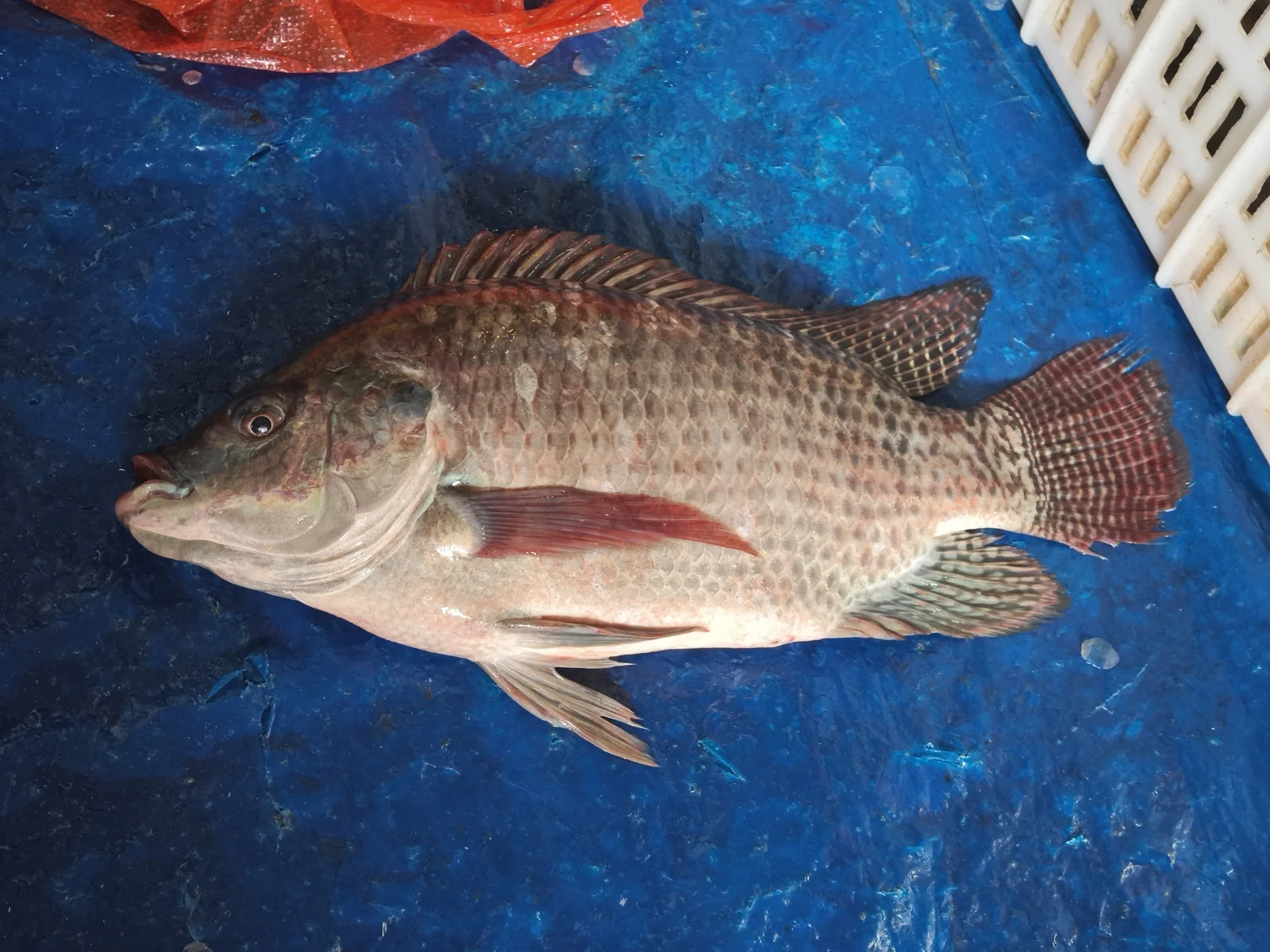
We loved browsing the local farm markets, discovering everything from edible wild flowers to massive tilapia and pressed chili cakes.
Expenses Breakdown
Finally, here’s our expense breakdown. The trip totaled roughly 13,000 RMB.

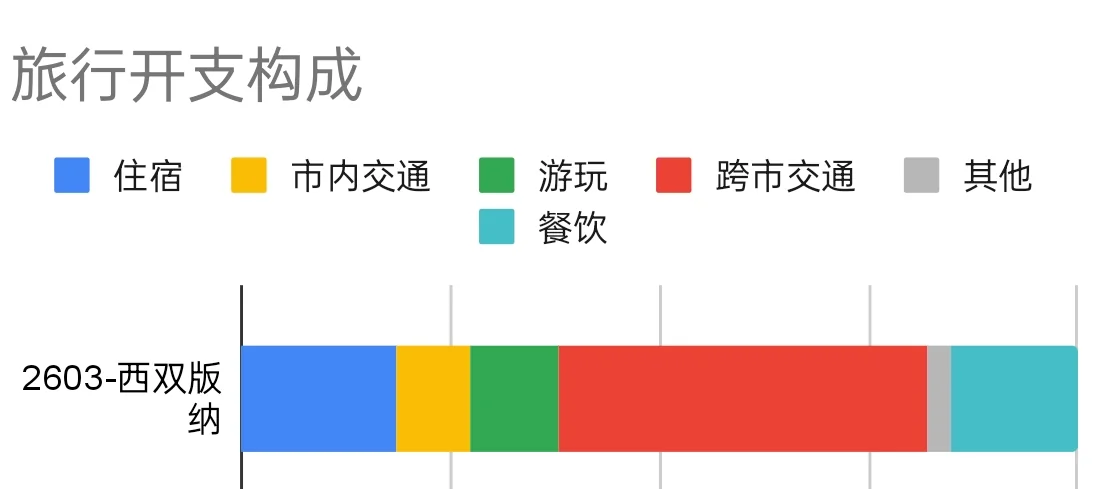
Traveling during the off-season is the best. Flights accounted for half the budget, and the rest was well-balanced.
When it comes to travel planning: honestly, there’s a simple, repeatable process. Once you string all the key elements together in the right sequence, the itinerary practically writes itself.
For the full breakdown, you can check out this article: A Step-by-Step Guide to Travel Planning.